

Trump administration rolls out development plan for ex-national monuments
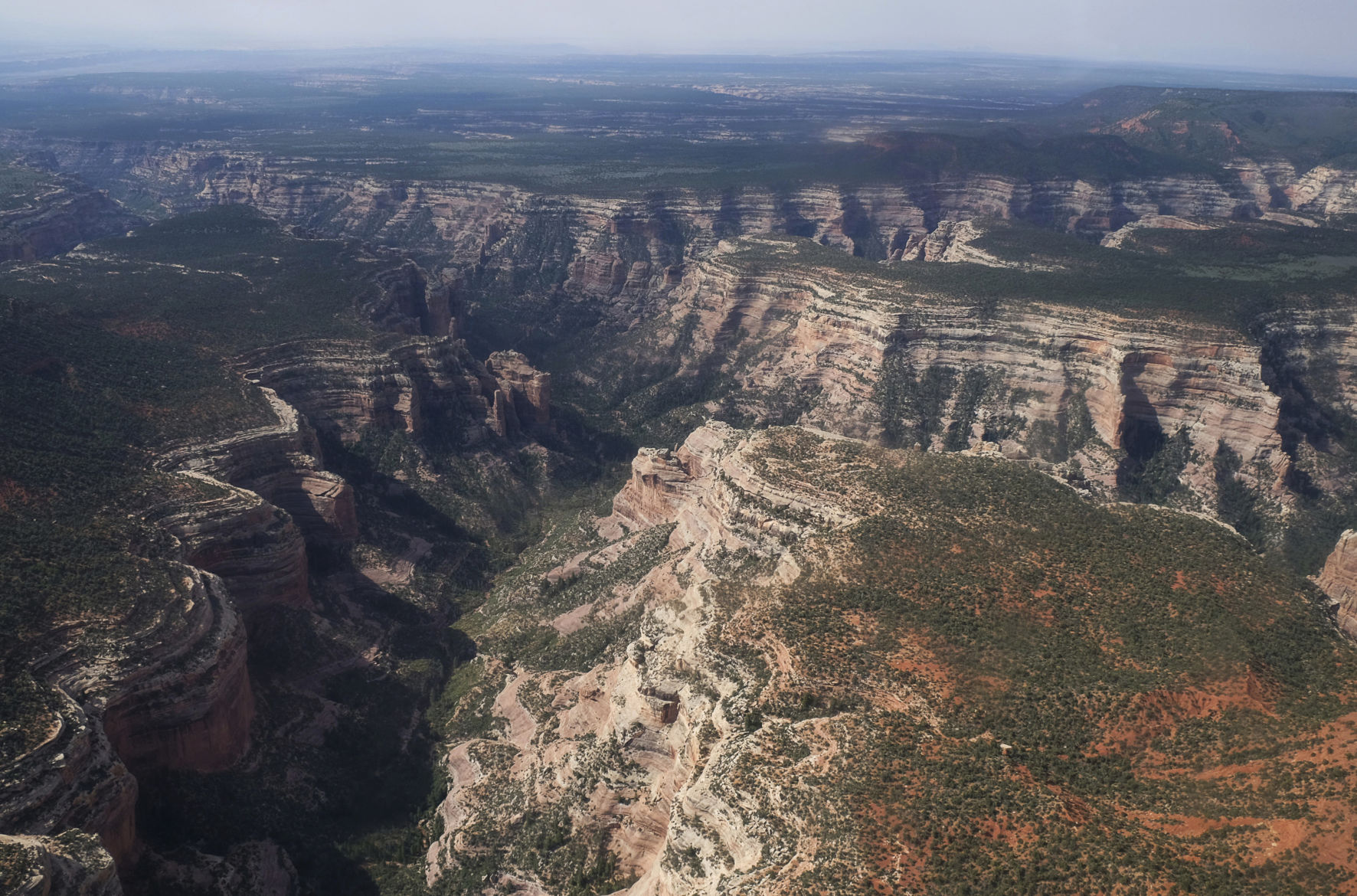
Colorado-based conservation advocates spoke out as the Trump administration finalized plans Thursday to allow mining and drilling on vast swaths of former national monuments in southern Utah, including near the Four Corners.
Much of the acreage was once protected as part of the 1.3-million-acre Bears Ears National Monument set aside in 2016 by President Obama.
In December 2017, President Trump cut the monument’s acreage roughly in half to open it up for resource development. He also reduced Utah’s 1.9 million Grand Staircase-Escalante National Monument, which was established by President Clinton in 1996.
According to the plan finalized by the Interior Department Thursday, 861,974 acres of land of newly unprotected land could host oil, gas and coal operations.
The fight, however, isn’t over, according to the Denver-based the Center for Western Priorities.
“The only certainty today’s announcement creates is of a long drawn-out court fight to stop yet another unprecedented attack on America’s public lands by the Trump administration,” policy director Jesse Prentice-Dunn said in a statement. “With these plans, the administration is racing to allow new development on formerly protected public lands before the courts can overturn its illegal action.”
Coloradans have been engaged in the fight to preserve the land again, with conservationists hoping to get Trump and fellow Republicans out of power this November.
Colorado Sen. Michael Bennet proposed federal legislation in the Republican-held Senate in 2018 to limit the president’s power to make such a cut.
U.S. Rep. Ken Buck, who is now the state Republican Party leader, backed up President Trump’s decision.
“President Obama designated Bears Ears Monument without congressional approval or the support of the people of Utah,” Buck told Colorado Politics two years ago. “I support President Trump’s reversal of this decision and believe that future national monument designations should only be implemented with the support of the local communities that are impacted.”

It’s time to let unaffiliated voters caucus | Vince Bzdek
Vince Bzdek
vince.bzdek@gazette.com
Updated 1 day ago
There’s no getting around it: Colorado’s 3,000 county caucuses, which just wrapped up recently, left half the electorate out in the cold. Since unaffiliated voters now make up 51% of all Colorado voters, a majority of Colorado electors are barred...

With new medical school set to open, Feinstein will step down as UNC president
Hap Fry, Special to The Gazette
hap-fry@gazette.com
Updated 9 hours ago
GREELEY • Dr. Andrew “Andy” Feinstein, the charismatic president of the University of Northern Colorado, has announced that he will step down from his leadership role just on the cusp of what is perhaps his signature accomplishment being realized. He’ll...
Governor warns energy development both a boon and a risk to Colorado | A LOOK BACK
Rachael Wright, Special to Colorado Politics
rachael.wright@coloradopolitics.com
Updated 4 days ago
Forty-Five Years Ago This Week: “The real opportunity and the dangers before us are both real,” said Gov. Dick Lamm in his January state of the state address before the Colorado General Assembly. Lamm argued that energy development would continue...
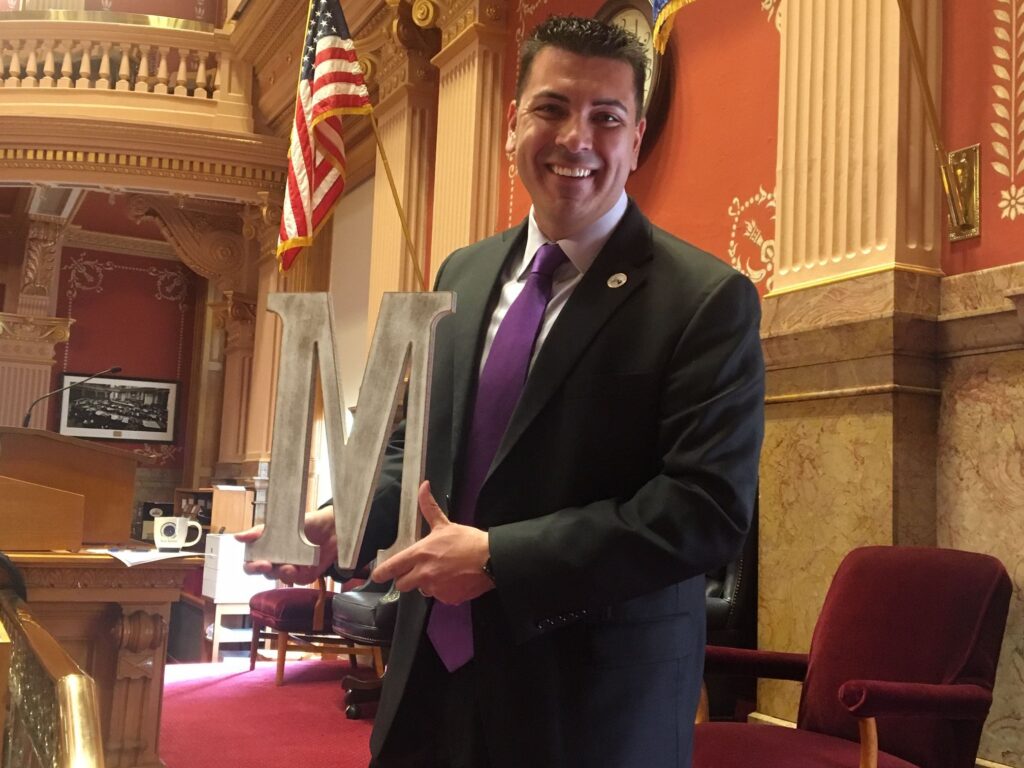
A Mile High, again: Capitol M | Week of March 21, 2026
Marianne Goodland
marianne.goodland@coloradopolitics.com
Updated 4 days ago
The lighter side of the Capitol, usually…. Local Journalism Day, except they forgot their very own local journalists. The state Senate on Thursday, March 19, passed a resolution recognizing Local Journalism Day. Everyone voted for it, which is good, because...
Colorado Politics Calendar Mar. 23-29
Rachael Wright, Special to Colorado Politics
rachael.wright@coloradopolitics.com
Updated 3 days ago
CoPo’s weekly political calendar will help you find political and public-policy events throughout Colorado. It includes candidate and issue campaign events, public policy meetings, court hearings, state and local party conventions, assemblies, debates, rallies, parades, speaking engagements, traveling dignitary appearances,...
The insular bubble of caucuses and assemblies | SONDERMANN
Eric Sondermann
eric-sondermann@coloradopolitics.com
Updated 3 days ago
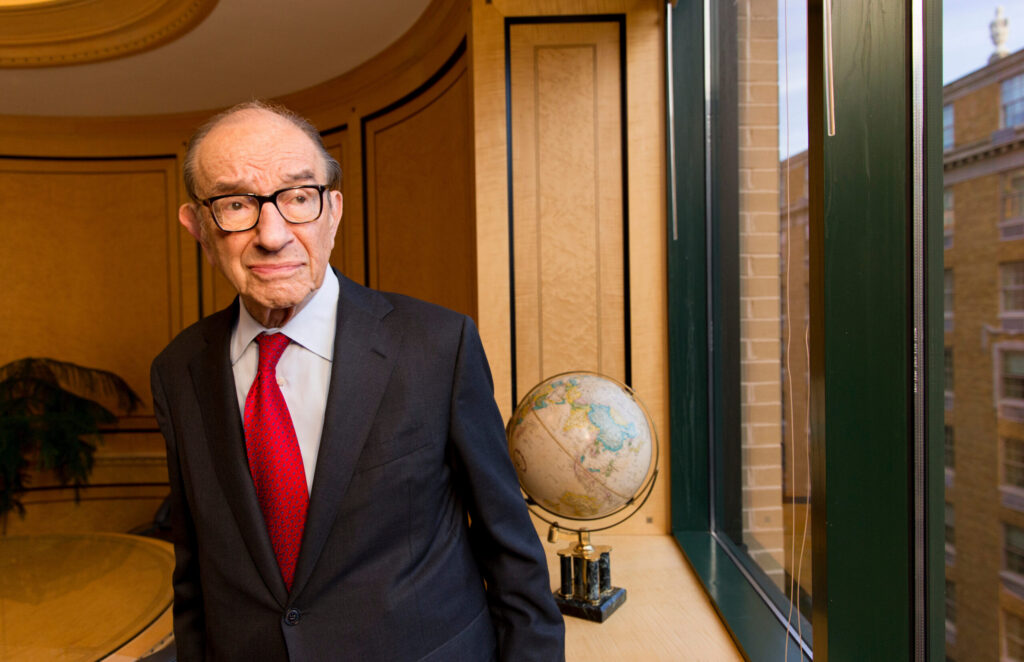
Nearly 30 years ago, then-Federal Reserve Chairman Alan Greenspan coined the term “irrational exuberance” to describe the overheated stock market. That descriptive phrase could also apply to much of the political realm. The hype in politics often grossly exceeds the...
Lauren Boebert’s hard ‘no’ on Pentagon Iran funding request puts Mike Johnson in tough spot
Emily Hallas, Washington Examiner
emily.hallas.washington.examiner@gazetteedit.wpenginepowered.com
Updated 2 days ago
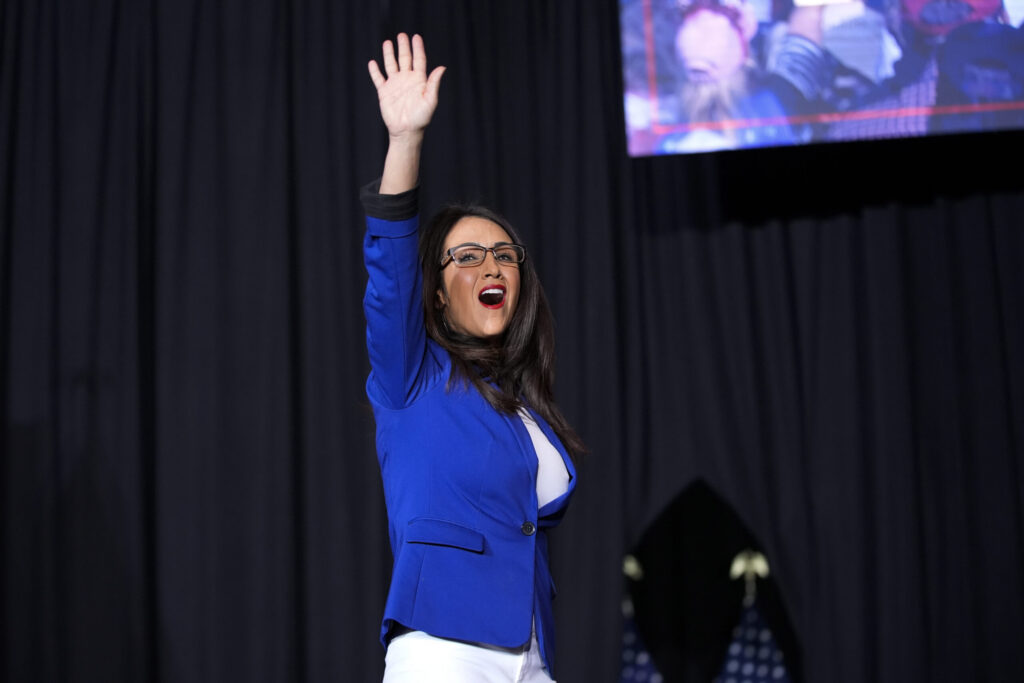
Colorado U.S. Rep. Lauren Boebert announced on Thursday that she will not support further funding for the United States’s war in Iran, marking an uphill battle for the Trump administration’s effort to secure additional financing from Congress. “I’ve already told...
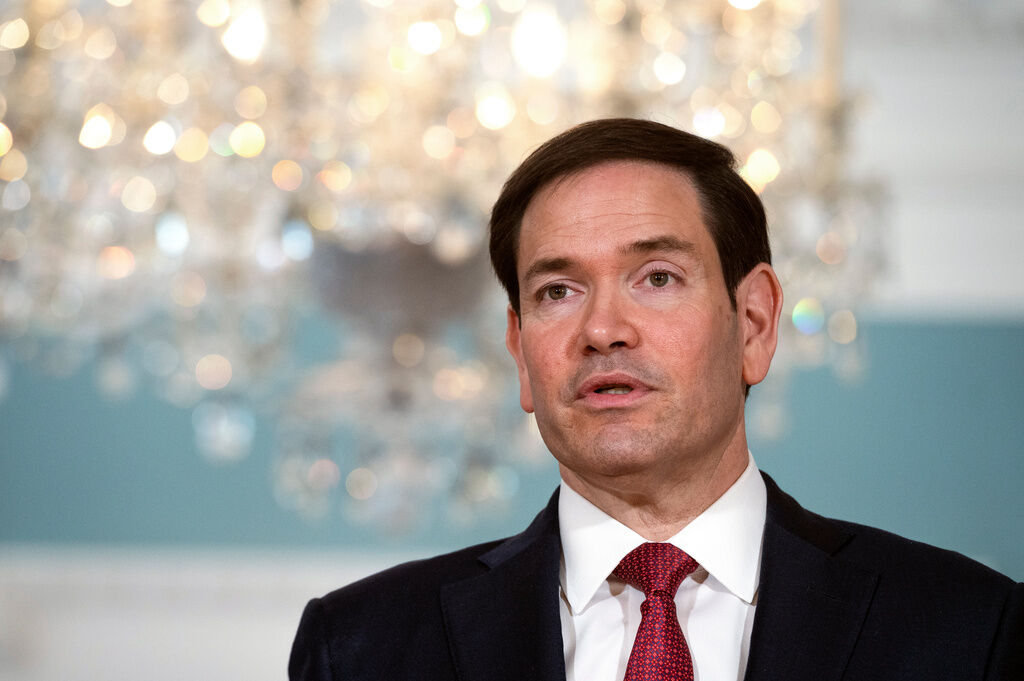
Rubio gains ground in 2028 jockeying as Iran war elevates his profile
Samantha-Jo Roth, Washington Examiner
samantha-jo.roth.washington.examiner@gazetteedit.wpenginepowered.com
Updated 2 days ago
Secretary of State Marco Rubio’s high-profile role in the Trump administration’s response to the Iran war is boosting his standing in the early jockeying for the 2028 Republican presidential nomination — and positioning him as a possible rival to Vice...
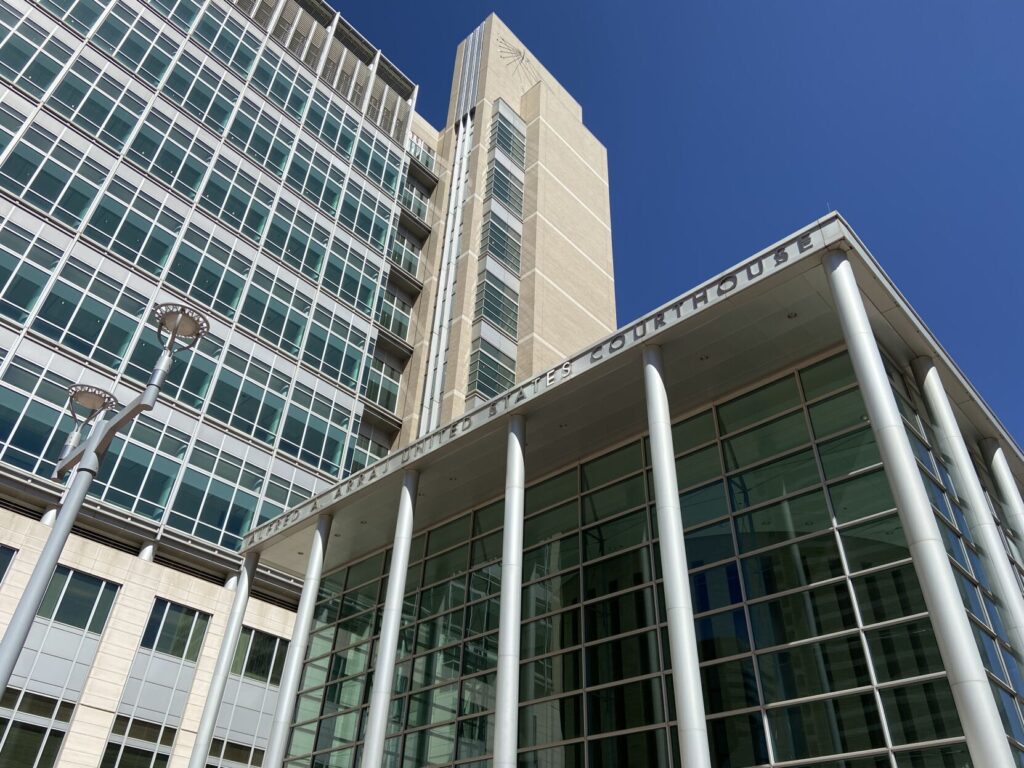
Federal judge dismisses claims against medical contractor for Eagle County jail suicide
Michael Karlik
michael.karlik@coloradopolitics.com
Updated 2 days ago
A federal judge dismissed the claims against a medical contractor for the Eagle County jail and its employees earlier this month, concluding there were insufficient allegations that they violated the constitutional rights of a man who died by suicide in...

Colorado Senate committee advances bill increasing overtime threshold for farmworkers
Marianne Goodland
marianne.goodland@coloradopolitics.com
Updated 1 day ago
The struggle to balance farmworker protections with the survival of Colorado’s family farms took center stage Thursday as senators debated two competing overtime bills. The Senate Business, Labor and Technology Committee held a rare double-bill hearing that led to a...
PREV
PREVIOUS
Denver City Attorney Kristin Bronson named one of Colorado’s most powerful women in 2020
Denver City Attorney Kristin Bronson was selected on Thursday as one of 2020’s top 25 most powerful women in the state. The awards were handed out at the Hilton Denver City Center during the 8th annual Colorado Women’s Chamber of Commerce event, honoring women who “operate at the highest level of business performance and community […]

10th Circuit rules in favor of Pueblo man on overtime pay
The U.S. Court of Appeals for the Tenth Circuit sided with a Pueblo man on Thursday who claimed retaliation by his employer after his request to be paid for overtime. David Betts was a full-time traffic control supervisor for Work Zone Traffic Control, Inc. for eight years. During much of that time, he received overtime […]