

22 states side with Colorado in asking SCOTUS to take up ‘faithless elector’ case
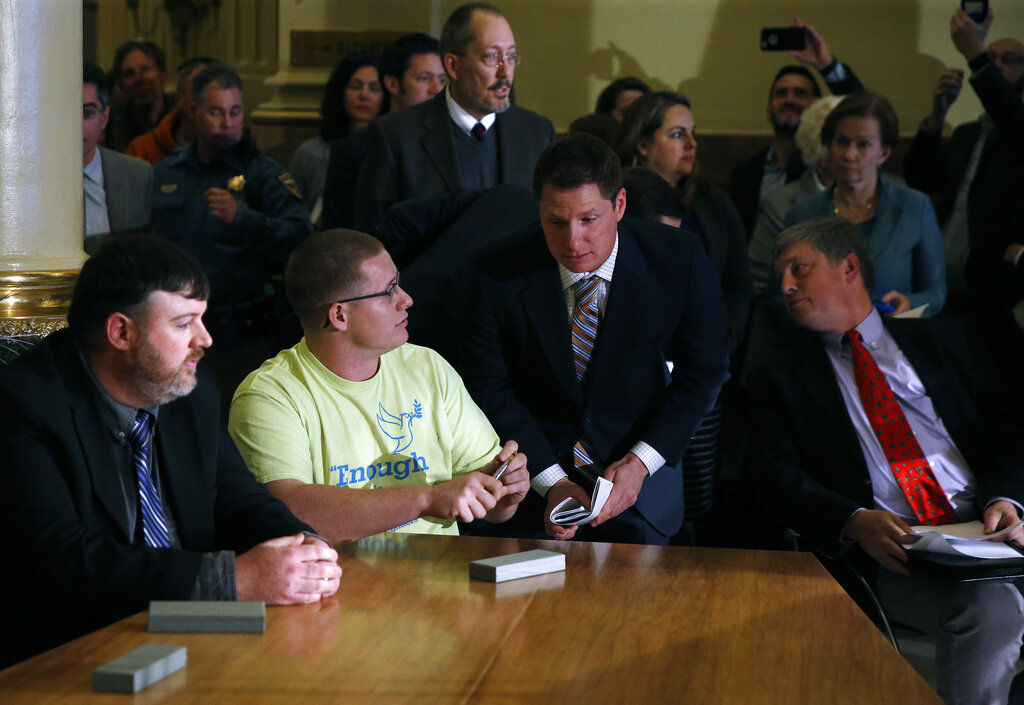
Twenty-two other states have filed a court brief in support of Colorado’s “faithless elector” case, asking the U.S. Supreme Court to review and reverse the decision of the 10th Circuit Court of Appeals.
The Constitution’s delegation of powers to the states is “sufficiently open-ended to allow conditioning service as an elector on a pledge to support the nominees of the presidential ticket that won the state’s popular vote,” they wrote.
Baca vs. Colorado Department of State stems from the 2016 election, in which Democratic presidential nominee Hillary Clinton won the statewide vote. However, one member of Colorado’s electoral college, Micheal Baca, tried to cast his vote for Ohio’s then-governor, Republican John Kasich.
Then-Secretary of State Wayne Williams removed and replaced Baca as an elector, per state law that binds electors to the results of the statewide vote. In August, a three-judge panel sided with Baca.
“Unelected and unaccountable presidential electors should not be allowed to decide the presidential election without regard to voters’ choices and state law,” said Secretary of State Jena Griswold on Wednesday.
A presidential ticket needs 270 electoral votes nationally to win. While the winner typically receives the most popular votes too, the elections of 2000 and 2016 were exceptions.
The General Assembly this year passed the “National Popular Vote Compact,” entering Colorado into a coalition of states representing 196 electoral votes that would agree to bind their electors to the winner of the national popular vote.
Opponents collected enough signatures to prompt a referendum of the law on next year’s ballot.
South Dakota, one of the signatories to the Nov. 20 amicus curiae brief, has a longstanding tradition of electors casting their votes for the presidential ticket that won the most votes in the state.
However, given “increasing polarization” and rising numbers of faithless electors, “South Dakota must now consider whether to join the ranks of states which bind their electors by law to their party’s nominee,” the brief reads. One faithless elector in the state would affect one-third of the state’s three electoral votes.
The state attorneys general argue that the country’s founders purposefully had no one design for the electoral college, leaving it up to states. Furthermore, states can replace electors who die or move out of state, so it follows that regulating faithless electors falls within their authority.
Whatever the final verdict, the attorneys general asked the Supreme Court to take up the case quickly, given the proximity of the next presidential election and the fact that the August ruling applies only to the states in the 10th Circuit.
“The lower court’s decision may rally more electors to cast faithless ballots in future elections, potentially causing disputed outcomes,” they wrote.

Colorado Title Board advances competing redistricting proposals and revised Pinnacol measure as April ballot deadline nears
Marianne Goodland
marianne.goodland@coloradopolitics.com
Updated 4 hours ago
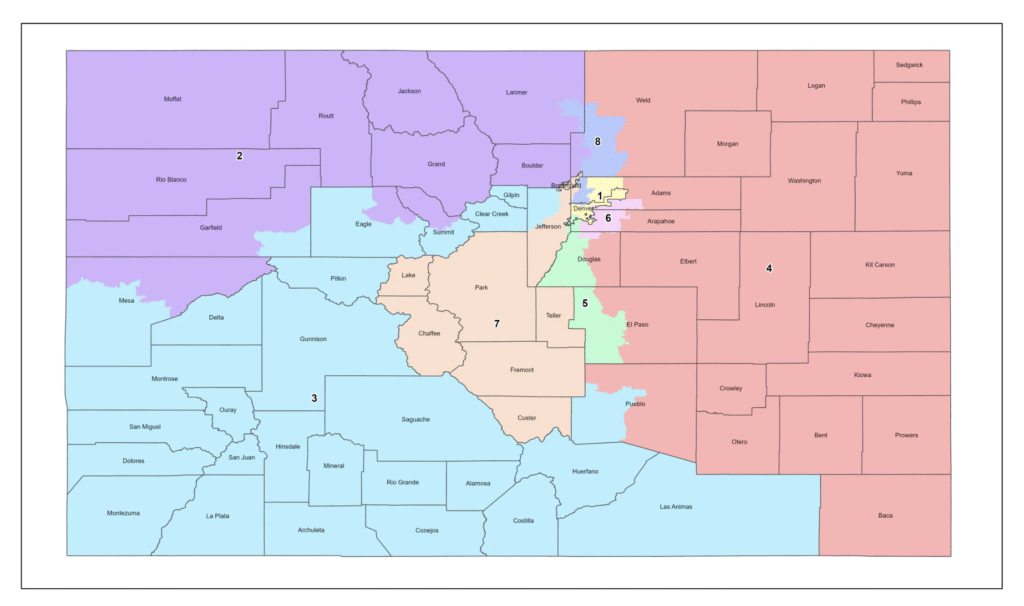
With just two meetings left before an April 15 deadline, the state’s Title Board on Wednesday pushed through a slate of ballot measures — including a revised proposal to privatize Pinnacol Assurance and dueling plans to redraw Colorado’s congressional map...
SAVE America Act showdown relished by GOP and Democrats alike
Ramsey Touchberry, Washington Examiner
ramsey.touchberry.washington.examiner@gazetteedit.wpenginepowered.com
Updated 5 hours ago
Both political parties have found rare agreement in a divided Washington, convinced that the GOP’s federal voter ID and election bill is a slam-dunk messaging opportunity. But that’s where the bipartisanship quickly ends. The two sides are diametrically opposed over...
Senate panel advances bill to tighten Colorado sports betting rules amid youth addiction concerns
Marissa Ventrelli
marissa.ventrelli@coloradopolitics.com
Updated 4 hours ago
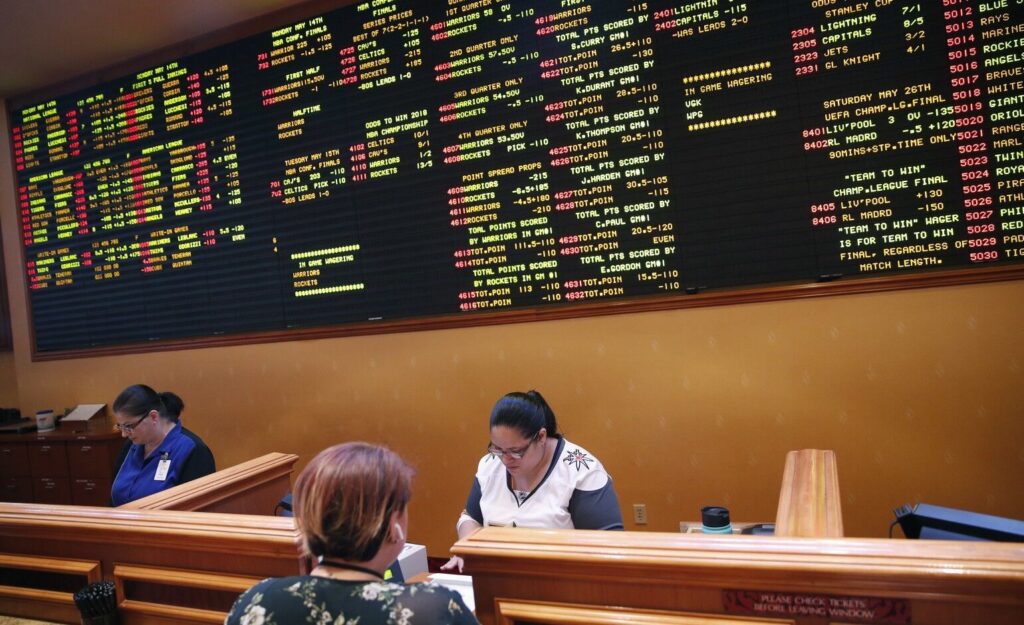
A divided Senate Finance Committee on Tuesday narrowly advanced a bill to impose new restrictions on Colorado’s booming sports betting industry, as lawmakers cited rising concerns about youth gambling and addiction while operators warned the changes could drive bettors to...

Federal judge green-lights trial against Denver officer over race-based enforcement
Michael Karlik
michael.karlik@coloradopolitics.com
Updated 6 hours ago
A federal judge green-lit a jury trial last week on a man’s claim that a Denver police officer engaged in racially selective enforcement of the law by arresting him for video recording at a police station, while not arresting a...
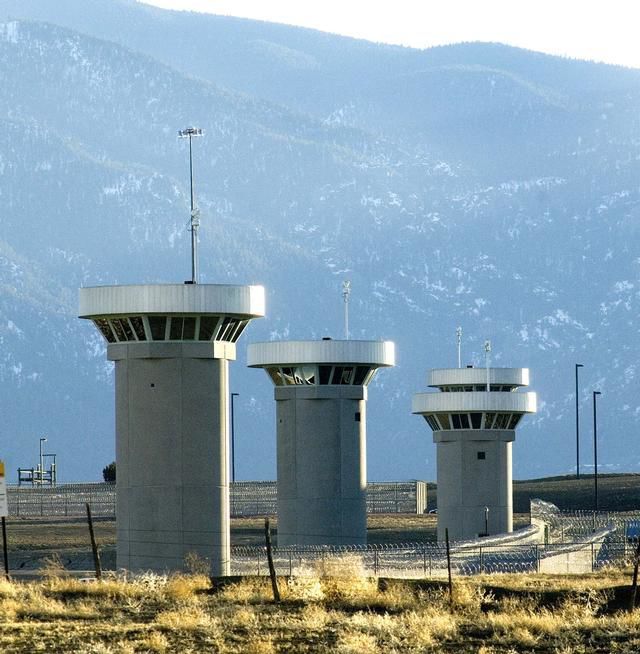
Federal judge says 8 years in solitary confinement not grounds to reduce man’s sentence
Michael Karlik
michael.karlik@coloradopolitics.com
Updated 6 hours ago
A federal judge concluded earlier this month that a man’s eight years allegedly spent in solitary confinement did not justify granting his request for a sentence reduction. However, U.S. District Court Senior Judge William J. Martínez signaled his willingness to...

Democrat Matt Cavanaugh ends campaign in Colorado’s 5th CD, says petition firm came up short
Ernest Luning
ernest.luning@coloradopolitics.com
Updated 3 hours ago
Democratic congressional candidate Matt Cavanaugh said Wednesday that he was ending his bid to challenge Republican U.S. Rep. Jeff Crank in Colorado’s 5th District because the firm his campaign hired to gather petition signatures failed to deliver. Cavanaugh, an Army...
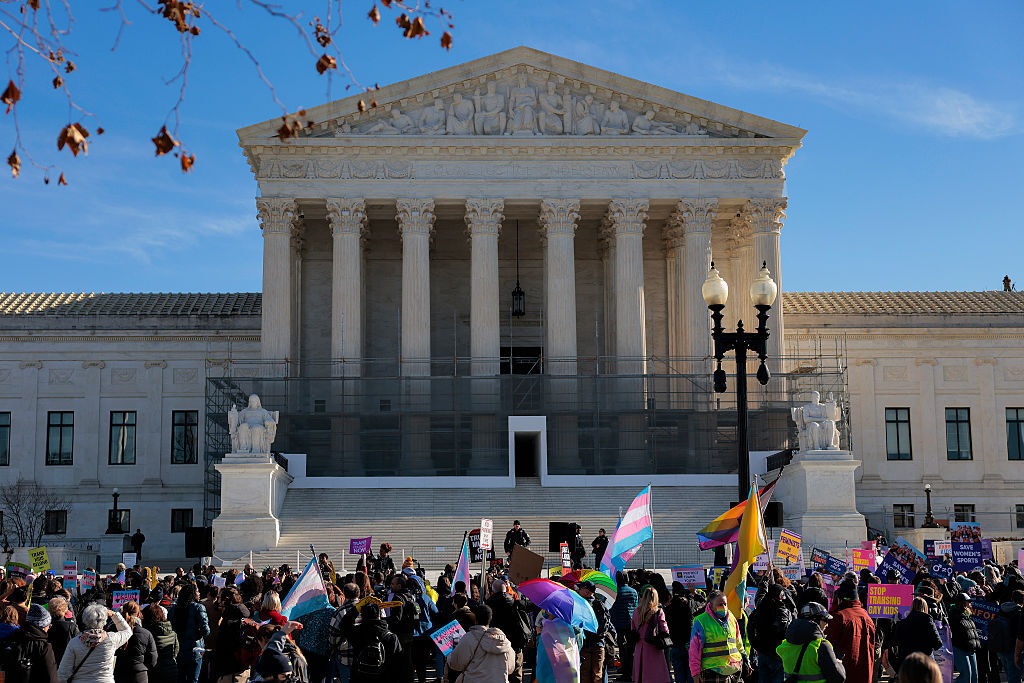
Colorado voters to decide whether to ban gender surgeries for minors
Marissa Ventrelli
marissa.ventrelli@coloradopolitics.com
Updated 2 hours ago
Colorado voters will decide this November whether to prohibit gender surgeries for minors and bar public funding or insurance coverage for procedures that alter children’s biological sex characteristics. The measure qualified for the ballot amid a push by the federal...

Democrats want to bar use of consumer data to set Colorado prices, employee wages
Marissa Ventrelli
marissa.ventrelli@coloradopolitics.com
Updated 4 hours ago
A closely divided House committee advanced a bill aimed at curbing the use of personal data to set individualized prices and wages, reviving a proposal that failed last year and setting up a broader debate over how far the state...

10th Circuit rejects ‘potential for violence’ when police arrest vehicle occupant’s romantic partner
Michael Karlik
michael.karlik@coloradopolitics.com
Updated 9 hours ago
The Denver-based federal appeals court rejected the idea on Tuesday that a vehicle occupant poses a danger to police solely because they are romantically involved with another occupant who officers are arresting. By 2-1, a three-judge panel of the U.S....

Colorado justices grill debt collector about compliance with law
Michael Karlik
michael.karlik@coloradopolitics.com
Updated 3 hours ago
The Colorado Supreme Court repeatedly pressed a debt collection company last week to explain how its lawsuit against a Boulder woman for an unpaid credit card balance complied with the specific requirements that state lawmakers have created. Portfolio Recovery Associates,...
PREV
PREVIOUS

Former Colorado councilman pleads guilty to felony theft
ASPEN – A former Aspen councilman and ski company executive has pleaded guilty to felony theft between $100,000 and $1 million. Aspen Daily News reported Monday that 52-year-old Derek Johnson entered his plea after authorities say he sold SkiCo skis and snowboards on eBay between June 2013 and January 2019. Prosecutors say Johnson faces up to 12 […]
East Colfax Community Collective calls for greater protections against resident displacement
The East Colfax Community Collective, a newly formed grassroots organization advocating for anti-displacement policies, held a press conference Tuesday ahead of the East Area Plan workshop scheduled this Saturday to voice community concerns and call for more equitable and inclusive engagement with its most vulnerable residents. Collective leaders highlighted challenges facing renters, refugees and the […]