

Businesses doubt US, China on way to deal
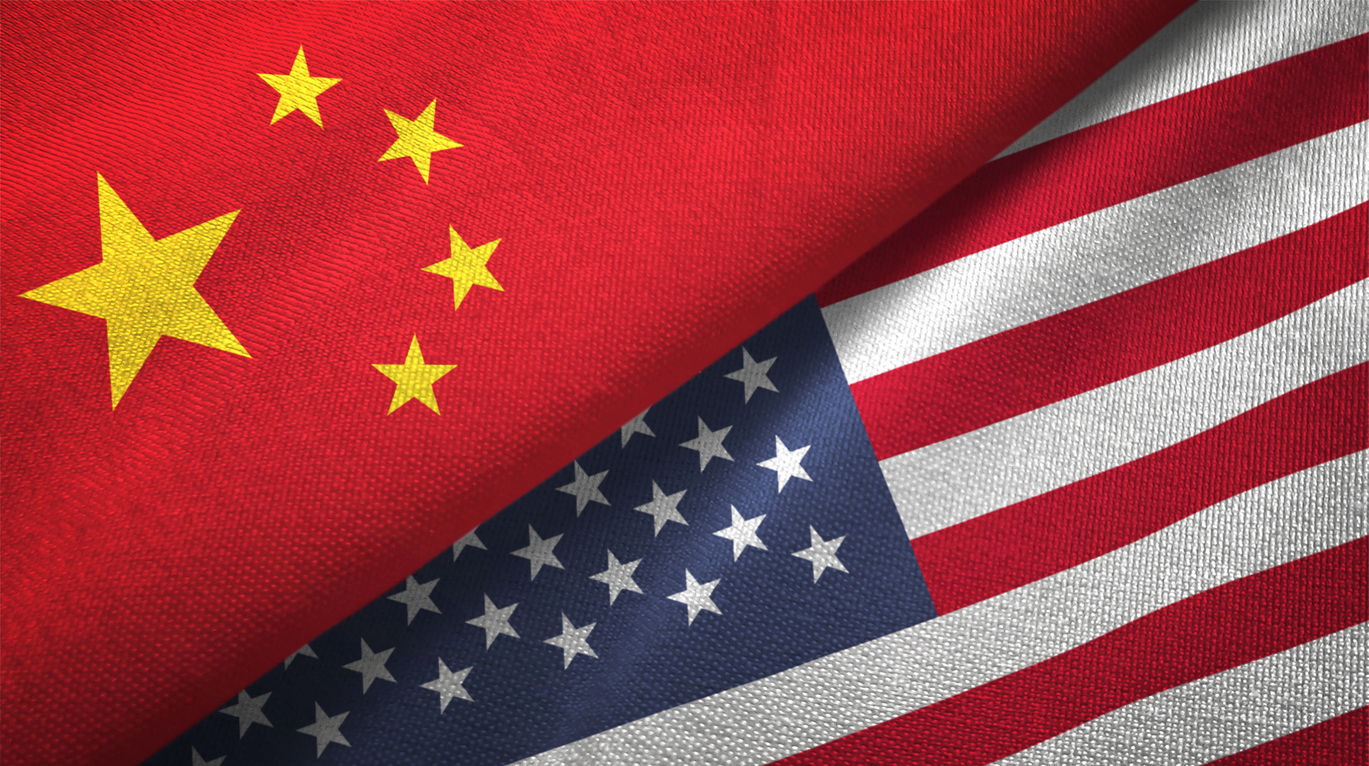
WASHINGTON ? American companies cheered when the U.S. and China called a cease-fire in their trade war this month, but as both sides work toward drafting an initial deal some worry that a more meaningful, long-term pact may never be reached.
Negotiators from both sides are working toward a “phase one” agreement that would halt additional U.S. tariffs in exchange for big Chinese purchases of American farm goods, new rules on currency manipulation and efforts by China to finish opening its financial sector to foreign firms.
U.S. Trade Representative Robert Lighthizer and Treasury Secretary Steven Mnuchin spoke by phone Friday with China’s Vice Premier Liu He, and afterward put out a statement saying they “made headway on specific issues and the two sides are close to finalizing some sections of the agreement,” helping lift financial markets.
Beyond the phase one agreement, however, U.S. business groups are concerned other issues aimed at leveling the playing field for U.S. businesses will be pushed down the road and languish. U.S. executives regularly complain that they are pressured to share or give away crucial technology in exchange for access to China’s market and face restrictions on how they can use data that hurt their ability to compete there.
“There is a risk that once something is announced on phase one, it is very unclear what will happen beyond that and whether there would just be continuing talks and no results,” said Christine Bliss, president of the Coalition of Services Industries, an umbrella group that includes everything from financial firms to express delivery.
Those concerns are echoed by other business groups and companies that believe U.S. companies increasingly face high hurdles in the China market.
The preliminary phase one agreement “does not address many of the fundamental issues that have led to heightened tensions” between the U.S. and China, said Libby Cantrill, head of public policy at bond manager Pacific Investment Management Co.
“It would not be surprising if the romance is short-lived and Trump returns to not only more adversarial rhetoric but also more combative actions,” Cantrill said.
The White House is hoping to have a deal ready by mid-November, when it could potentially be signed by President Trump and China’s President Xi Jinping on the sidelines of the Asia-Pacific Economic Cooperation summit in Chile.
Phase one may include some measures to protect American intellectual property, along with confirmation that China will follow through with earlier plans to open its financial services, officials and business groups say.
Yet the thorniest issues faced by American financial firms and other companies – the forced transfer of technology, limits on the movement of data and subsidies enjoyed by Chinese competitors – aren’t set to be addressed in the first step, these people say.
What is more, continuing economic and security disagreements with China, including over Beijing’s handling of protests in Hong Kong, are complicating the ability of the two countries to make concessions that would help clear up the trade conflict.
China hasn’t signaled much interest in making the structural changes sought by the U.S., according to people following the talks.
Quite the reverse. Since May, when Trump halted negotiations as both sides were believed to be near a deal, Western business groups note a half-dozen steps Beijing has taken to limit foreign participation in information technology, telecommunications and the free flow of data.
Those steps could make it difficult for financial firms, for example, to thrive in China even if they are allowed to establish fully owned subsidiaries there.
In addition, China is rolling out a system for “corporate social credit” that could be used to blacklist foreign companies even if an industry is technically open to foreign investments. Under the system, an algorithm would determine to what degree companies are complying with the country’s various laws and regulations.
China has also threatened to put U.S. firms on an “unreliable entities list,” a blacklist of foreign entities that harm Chinese businesses, after the Trump administration blacklisted telecom giant Huawei.
Trump, meanwhile, has complained about the trade deficit and touted plans for Chinese firms to buy more U.S. exports. American farmers, a politically powerful group that is suffering from retaliation against U.S. tariffs, would benefit from the phase one framework, which would involve purchases of up to $50 billion a year, Trump said.
“The promise of additional ag purchases is welcome news but details on timeline, price, commodities and many other questions will have to be answered,” said Farmers for Free Trade, a group that seeks to eliminate tariffs on U.S. agricultural exports.

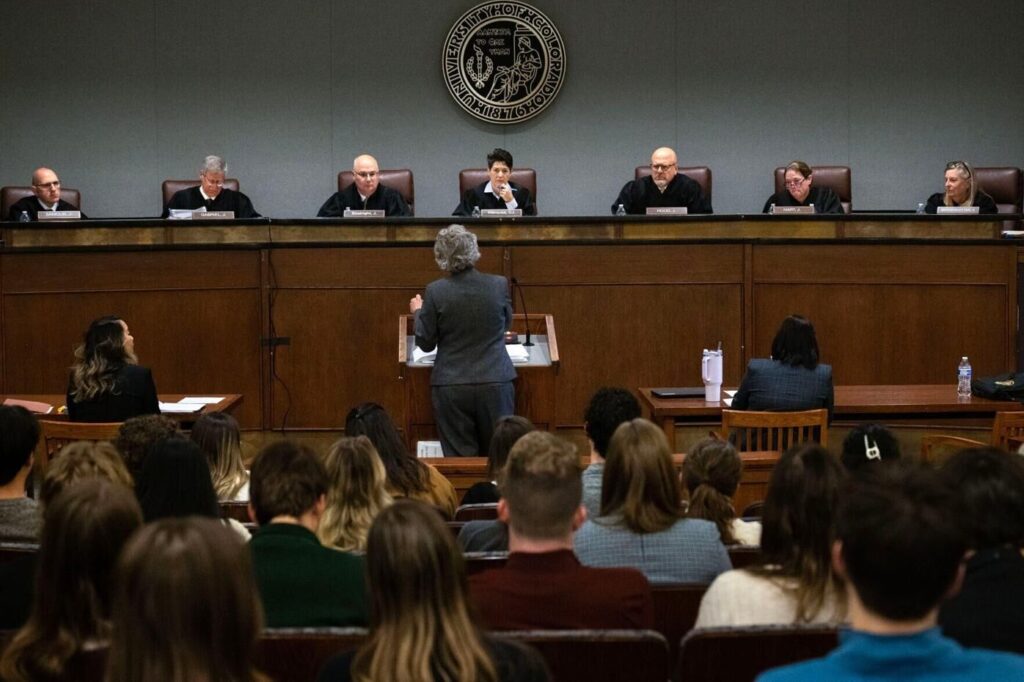
Who are the 3 finalists for the Colorado Supreme Court?
Michael Karlik
michael.karlik@coloradopolitics.com
Updated 27 minutes ago
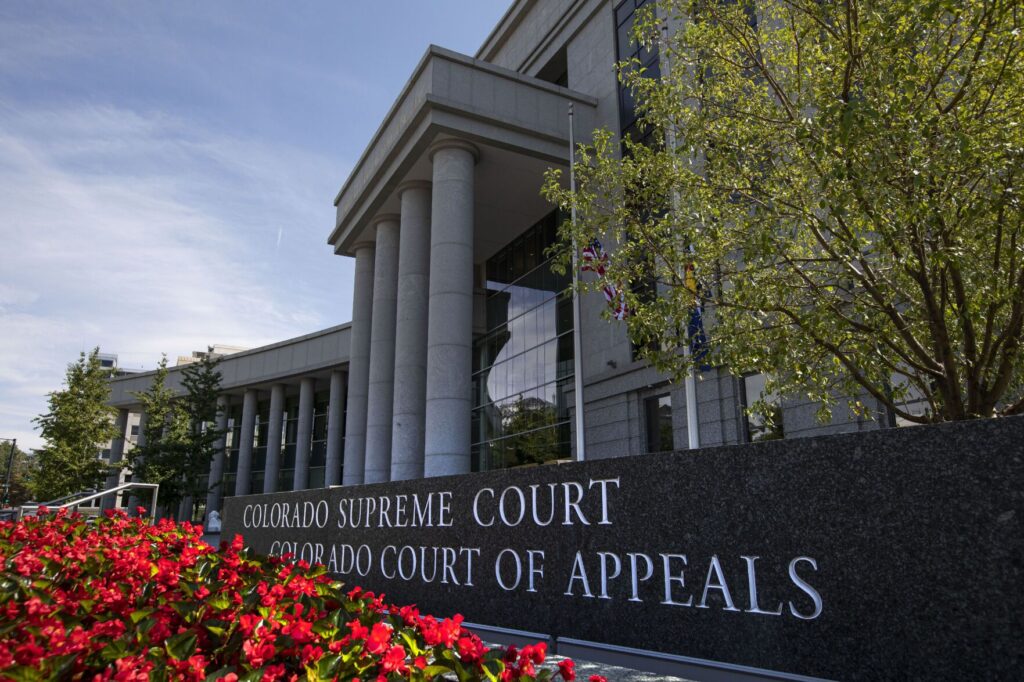
A citizen-led nominating commission has chosen the finalists for a vacancy on the Colorado Supreme Court, the first opening in five years on the seven-member court. The vacancy arose after the unexpected resignation of Justice Melissa Hart, who formally departed...
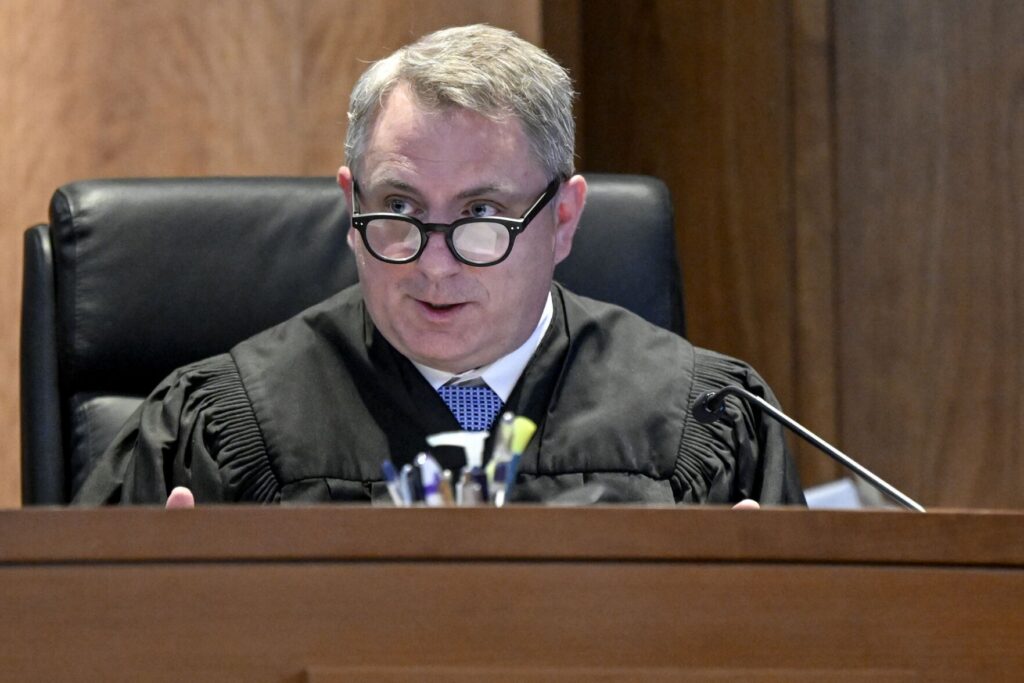
Christopher Zenisek, trial judge experienced with high-profile cases | SUPREME COURT FINALISTS
Michael Karlik
michael.karlik@coloradopolitics.com
Updated 29 minutes ago
After the Marshall fire burned through Boulder County in the final days of 2021 and wound up destroying more than 1,000 homes, the sprawling 4,000-plaintiff litigation was assigned to District Court Judge Christopher Zenisek of Jefferson County. Zenisek would go...
Andrea Wang, water and energy expert | SUPREME COURT FINALISTS
Michael Karlik
michael.karlik@coloradopolitics.com
Updated 34 minutes ago
When the late Chief Justice Mary Mullarkey authored a 2002 opinion in the complex and long-running Taylor Ranch case involving landowners’ claims to access a 77,000-acre tract in the San Luis Valley, she worked with her law clerk, Andrea S....
Susan Blanco, innovator in the judiciary | SUPREME COURT FINALISTS
Michael Karlik
michael.karlik@coloradopolitics.com
Updated 38 minutes ago
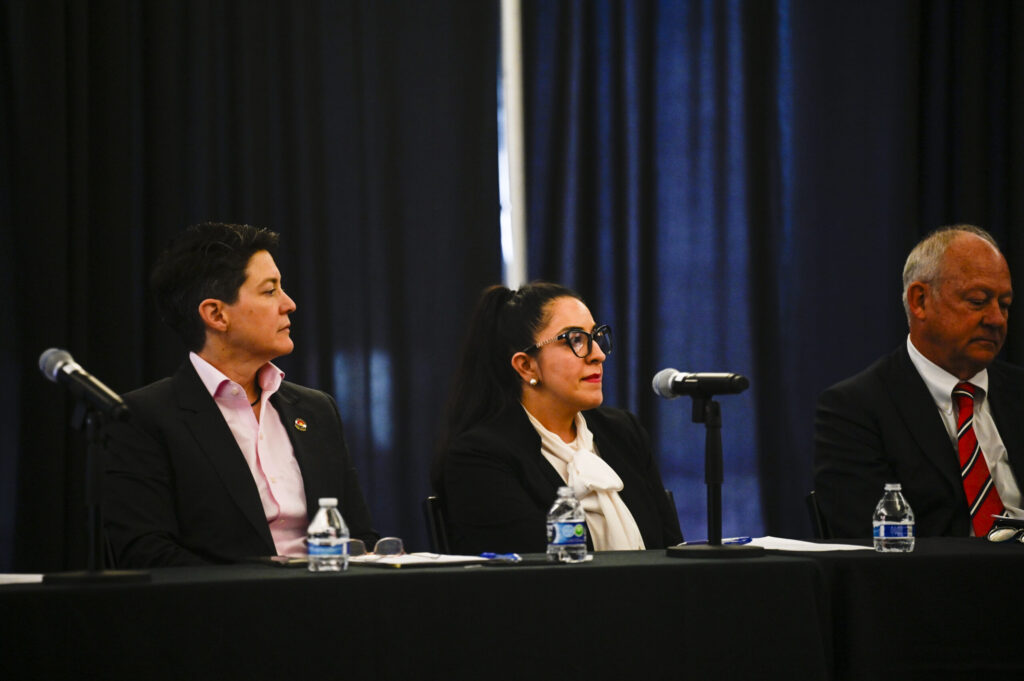
Less than 24 hours after her selection as a finalist for a Colorado Supreme Court vacancy, Chief Judge Susan Blanco was back on the bench in Fort Collins, moving methodically through the variety of complications she encountered. “Your goatee might...
Colorado GOP vice chair Richard Holtorf resigns, says it’s ‘impossible’ to work with chair Brita Horn
Ernest Luning
ernest.luning@coloradopolitics.com
Updated 1 hour ago
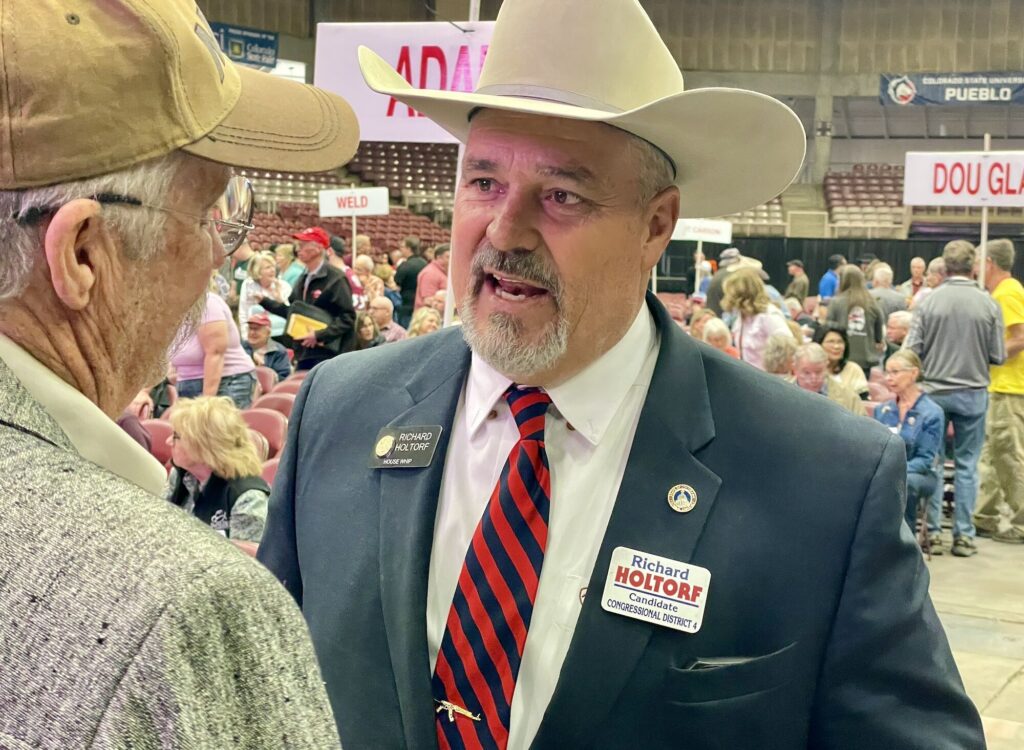
Colorado Republican Party Vice Chair Richard Holtorf notified GOP officials on Tuesday that he will step down from the party position at the end of the month, citing his inability to work with state chair Brita Horn. Holtorf, a third-generation...

Daniels Fund awards $450K to three outstanding organizations | NONPROFIT REGISTER
Joanne Davidson Special to Colorado Politics
joanne-davidson-special-to-colorado-politics@coloradopolitics.com
Updated 2 hours ago
You know the old saying about how it’s an honor just to be nominated? In the case of the Daniels Fund and its annual $250,000 Medal of Excellence Award, it wasn’t just an honor to be considered; it was also quite profitable. ...

14th wolf dies in northwest Colorado
Marianne Goodland
marianne.goodland@coloradopolitics.com
Updated 1 day ago
The 14th wolf to die in Colorado since their reintroduction about two years ago took place during a “collaring” operation in the northwestern region of the state last week. Colorado Parks and Wildlife said the wolf, identified as #2305 —...

Colorado joins lawsuit against Trump energy emergency order
Scott Weiser
scott.weiser@gazette.com
Updated 1 hour ago
Colorado Attorney General Phil Weiser joined a multistate lawsuit challenging an executive order invoking the National Emergencies Act that President Donald Trump issued on the day of his inauguration. The order fast-tracks fossil fuel projects by bypassing or shortening environmental...
Colorado’s federal judges slash motions backlog to lowest in years
Michael Karlik
michael.karlik@coloradopolitics.com
Updated 1 day ago
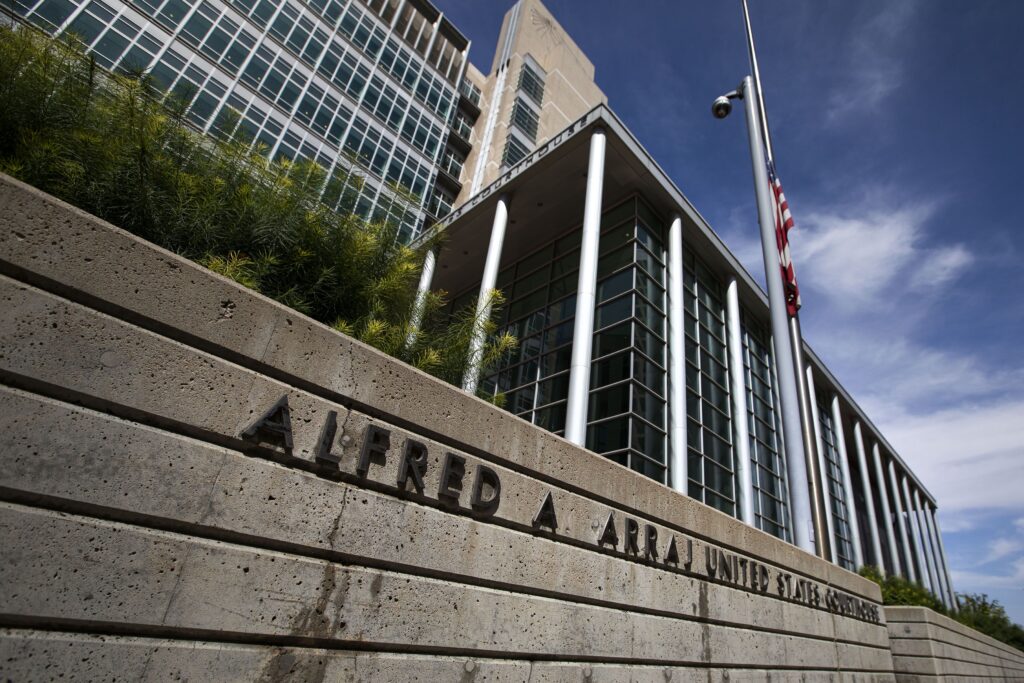
Colorado’s federal trial judges collectively had 37 motions in civil cases that had been sitting on their dockets for at least six months without a ruling, as of Sept. 30. That is the smallest backlog the state’s U.S. District Court...
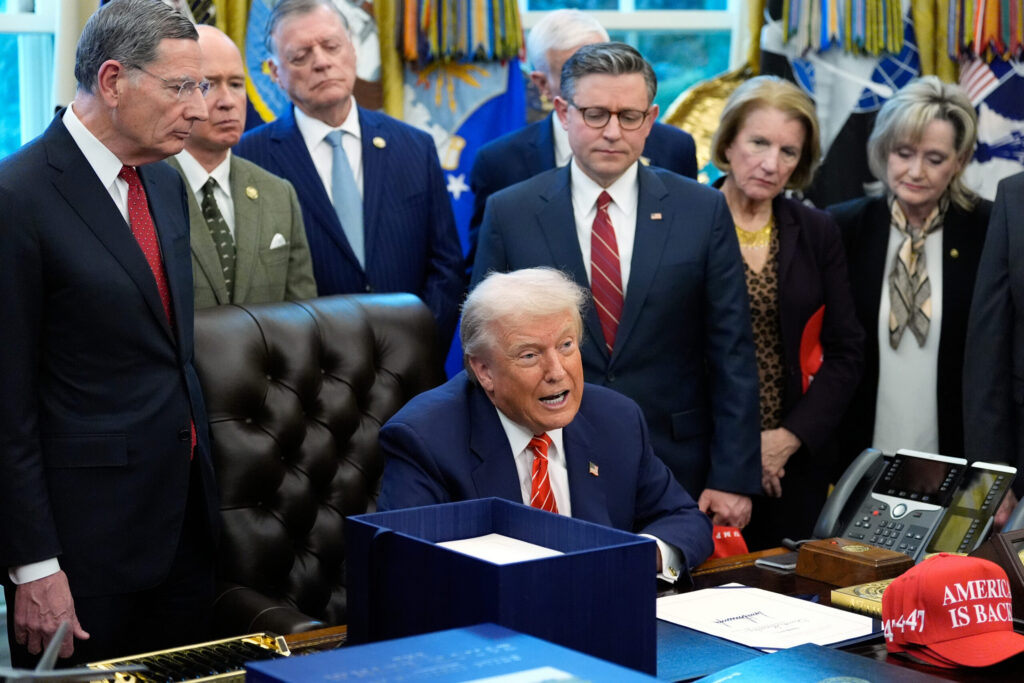
Colorado delegation splits in House vote to end federal government shutdown
Ernest Luning
ernest.luning@coloradopolitics.com
Updated 1 day ago
Colorado’s U.S. House members divided mostly along party lines Tuesday in separate votes on a funding deal to end the federal government’s partial shutdown, while giving Congress more time to negotiate long-term funding for the Department of Homeland Security. Lawmakers...
PREV
PREVIOUS

Denver fast-tracks affordable housing production made possible by $130M in bonds
This office building on the Denver Health campus facing Broadway (right) is to be renovated as affordable senior housing, including about 15 apartments designated to help homeless patients transition out of the hospital.(Photo courtesy of Google Maps Street View) Denver’s affordable housing fund doubled Friday after the Housing Authority of the city and county of […]

SBA official: Hacks cost small business average of $500,000
Maria Roat, CIO for the Small Business Administration, outlines the top cyber threats to small businesses. (Video by Wayne Heilman) Small businesses will spend an average of $500,000 to recover from a cyberattack and more than half wind up shutting down, a top U.S. Small Business Administration said Friday in Colorado Springs. Maria Roat, chief […]