

Legislators advance pro-recycling bills to General Assembly
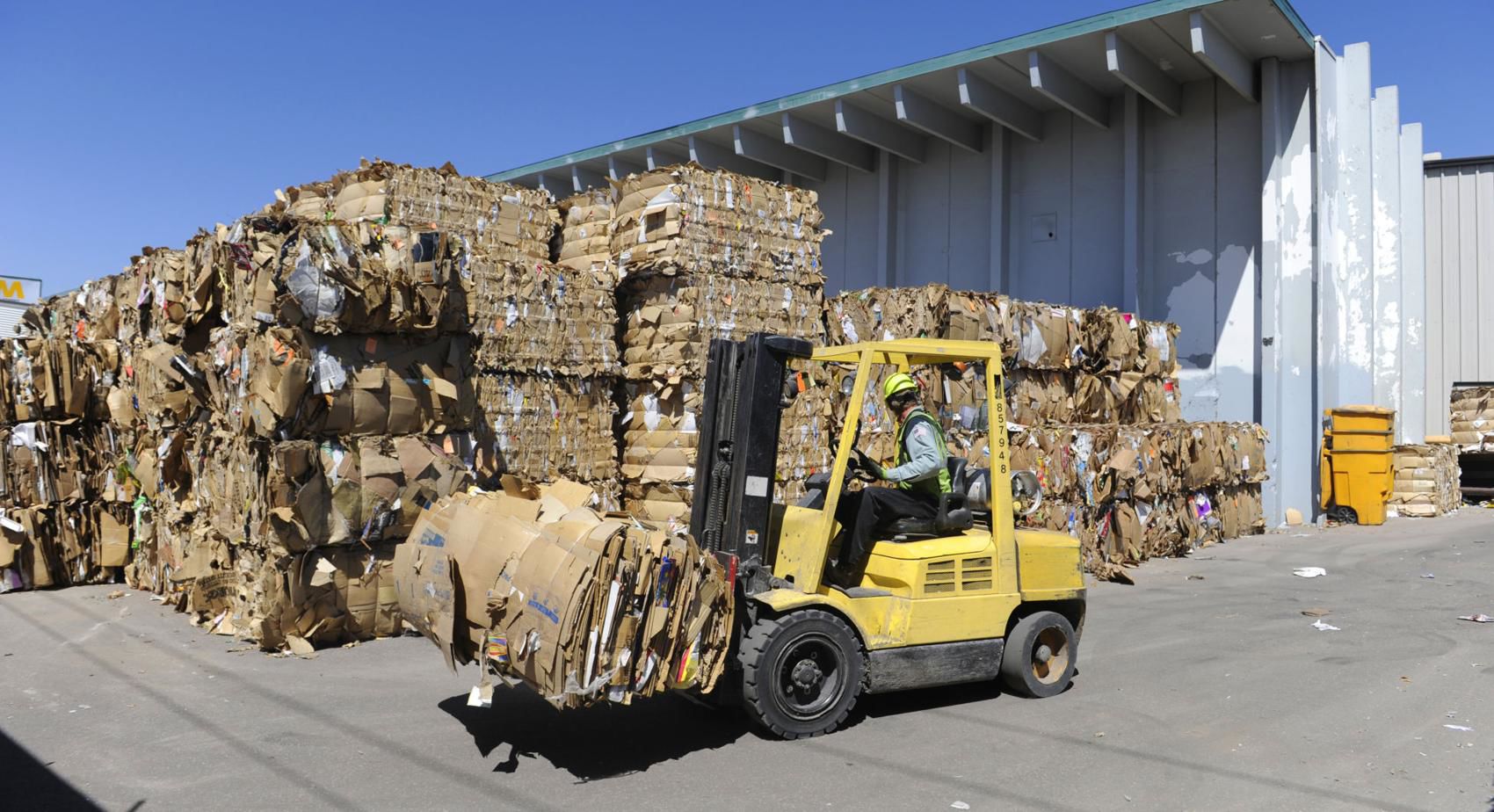
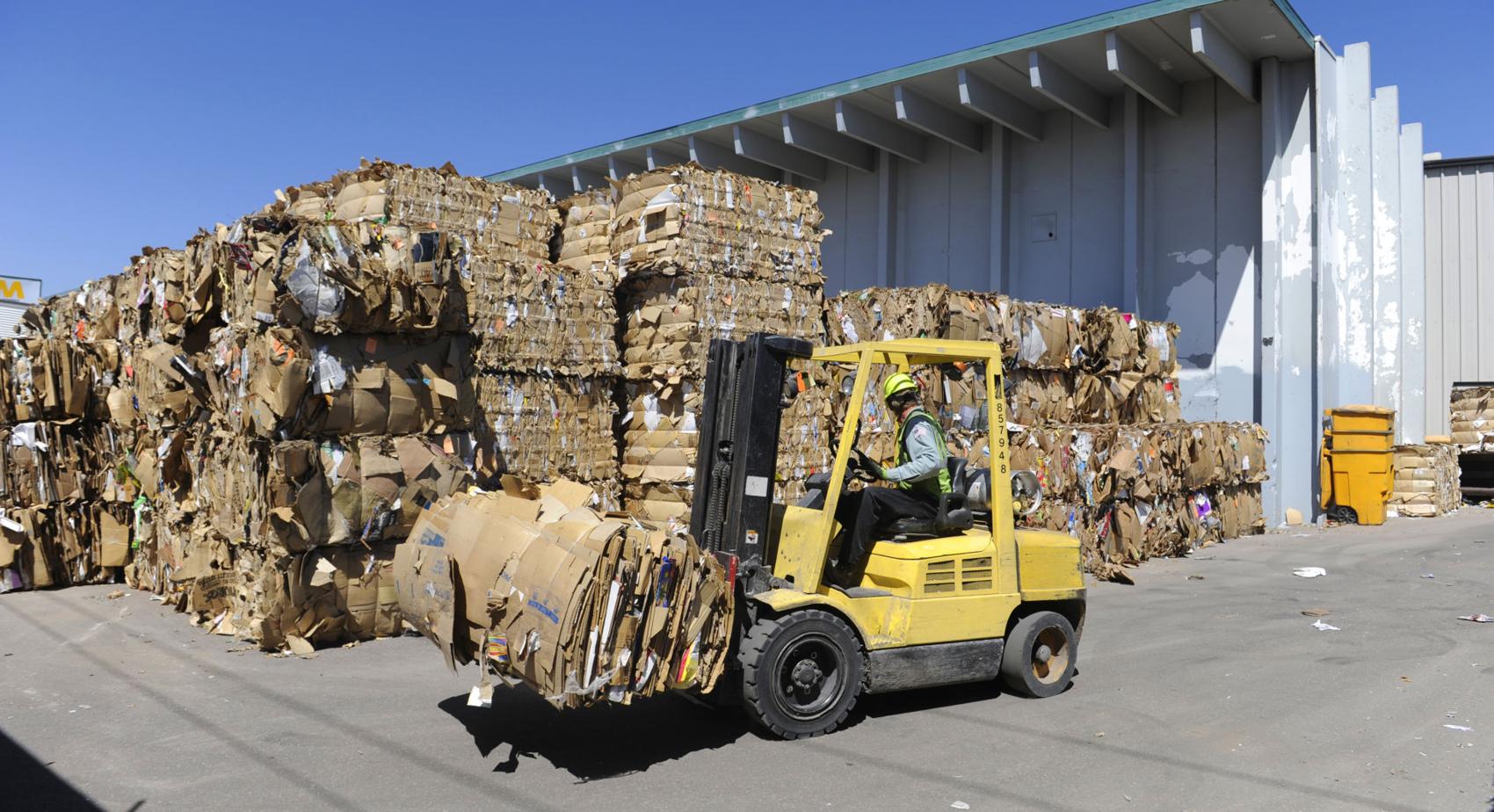
Legislators gave preliminary approval to two bills on Tuesday that would help make good on the state’s goal to recycle 28 percent of its waste by 2021.
The Zero Waste and Recycling Interim Study Committee advanced Bill 1, which would establish a center within the Colorado School of Mines to assist businesses that process recyclable materials and make them into new products. That assistance would include market analysis, identifying financial incentives, and advocating for pro-recycling policies at the state and local level.
Bill 1 would also require the Colorado Department of Public Health and Environment to study how to implement a program that would provide small refunds for glass bottles, and also to assess whether retailers and manufacturers should be required to accept their own products and packaging for recycling.
“Our state’s low recycling rate means we rely heavily on landfills, which can harm our environment and will leave a lasting impact on the natural beauty that in many ways defines our state,” said Rep. Meg Froelich, D-Englewood, a member of the committee.
Colorado recycles 17.2 percent of its waste, substantially lower than the national average of 35 percent. In April, Rep. Lisa Cutter, D-Evergreen, requested the formation of the study committee, which she now chairs.
Eco-Cycle, a Boulder-based nonprofit recycler, estimates that 95 percent of Coloradans’ waste is recyclable or compostable. Loveland leads the state in residential recycling, at a diversion rate of 61 percent. Boulder is second at 52 percent, while Denver is significantly lower at 22 percent.
The other piece of legislation, Bill 3, would give the CDPHE until September 2022 to devise a plan for encouraging composting, taking into account the climate change impacts of any needed infrastructure. Only Rep. Rod Pelton, R-Cheyenne Wells, voted no.
Bill 1 received more attention from the study committee, as well as more division: members advanced it on a vote of 6-4, with Republicans Pelton, Rep. Marc Catlin, and Sen. Don Coram voting no, along with Democratic Sen. Dominick Moreno.
Moreno was opposed to the personal property tax rebates that recyclers could receive for their operations, while asking for “at least some objective analysis of the reasons for those tax incentives.”
The bill would require $1.7 million in expenditures for fiscal year 2021-22, the largest component being $1 million set aside for the property tax reimbursements.
Committee members engaged at length with Bree Dietly, a principal with Massachusetts-based Northbridge Environmental. Her firm represents the American Beverage Association.
“We really are more fans of the economic incentive, making recycling cheap, free, and available,” she said. For example, charging residents more for bigger trash cans-putting a higher price on bigger waste loads-would nudge people toward recycling.
She described how Delaware repealed its law that provided for five-cent refunds for plastic and glass bottles-the only state to repeal a “bottle bill.” Instead, it instituted a four-cent fee on beverage containers and used the money generated to institute single-stream recycling for all single-family homes and for businesses.
The Universal Recycling Law took effect in 2011 and diversion rates rose from 33 percent in 2009 to 45 percent in 2016.
“We have roughly 22,000 municipalities in this country who make their own independent decisions about how to recycle. There are not 22,000 recycling experts in this country to staff those 22,000 municipal programs,” she said in advocating for state-level recycling solutions, including those coordinated by the waste producers themselves.
“Do plastic bans work?” Sen. Kevin Priola, R-Aurora, asked Dietly.
“‘No ban without a plan’ has always been our mantra,” she responded. Non-alcoholic beverage bottles made of polyethylene terephthalate, or PET, are 7 percent of all plastics. All other assorted bottles and jugs comprise 14 percent of plastics. Dietly said there is a “massive amount of plastic material that is not recyclable.”
As for the PET, “we want that back, and that PET can make a lot of trips around the sun.”
Priola, the only Republican to support the bill, commented that “the mindset that we can start aggregating among the population is to reuse first and then go forward with virgin material second, as opposed to what we…did learn from our grandparents: ‘Go virgin first, we can afford this lifestyle.’ “
Two other bills were scuttled before the committee meeting. One was a “bottle bill” allowing for people to turn in beverage containers to receive refunds, an initiative that currently exists in 10 states. The other bill would have required CDPHE to run a recycling awareness campaign.
Moreno said elements of the education campaign were incorporated into Bill 1, while the bottle redemption bill “needs some further work.”


Trump plans to move Forest Service headquarters to Utah, shutter research sites | OUT WEST ROUNDUP
The Associated Press
the-associated-press@coloradopolitics.com
Updated 4 days ago
UTAH Forest Service bound for Salt Lake City SALT LAKE CITY — President Donald Trump’s administration will move the U.S. Forest Service headquarters out of the nation’s capital to Salt Lake City as part of an organizational overhaul that involves...
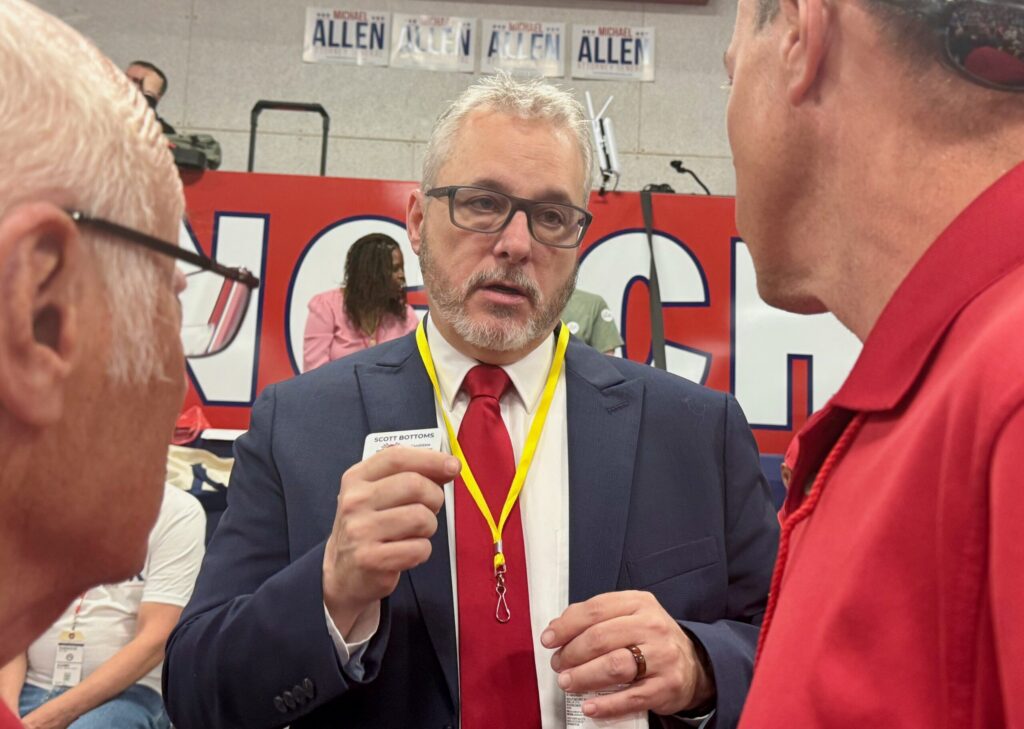
Pastors Scott Bottoms, Victor Marx win spots in Colorado GOP’s gubernatorial primary at party assembly
Ernest Luning
ernest.luning@coloradopolitics.com
Updated 18 hours ago
Two pastors from Colorado Springs qualified Saturday for the Republican gubernatorial primary ballot at the Colorado GOP’s state assembly in Pueblo in a party meeting that dragged late into the night. State Rep. Scott Bottoms, who is known as one...
Colorado House finishes work on 2026-27 state budget, finally
Marianne Goodland
marianne.goodland@coloradopolitics.com
Updated 2 days ago
The House on Saturday, after four days of work – it usually takes two – finished up their work and voted on the $46.8 billion 2026-27 state budget, as contained in House Bill 1410 and 64 accompanying measures designed to...
Home rule has protected Colorado cities for over 125 years | Cronin and Loevy
Tom Cronin Bob Loevy
tom-cronin-bob-loevy@coloradopolitics.com
Updated 2 days ago
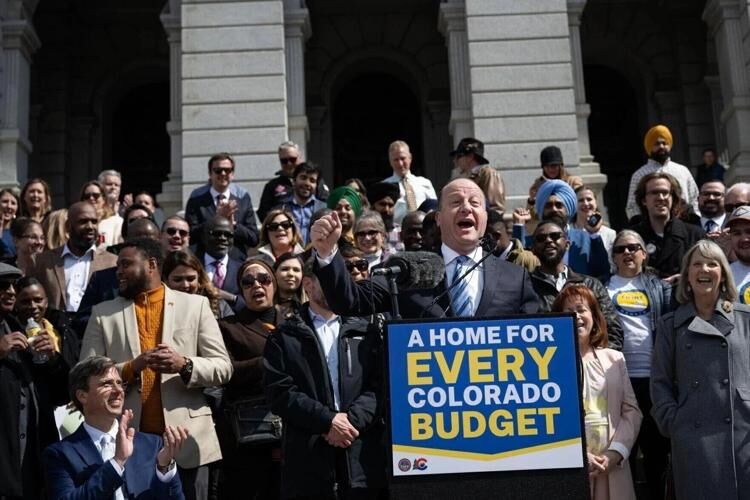
Colorado is currently gripped by a political struggle between the governor plus the legislature in Denver and populous home-rule city governments, mainly on the Front Range, such as Colorado Springs. In the past few years, the legislature has been passing bills that applied to city government policies, which...
Colorado Politics calendar Apr. 13-19
Rachael Wright, Special to Colorado Politics
rachael.wright@coloradopolitics.com
Updated 5 days ago
CoPo’s weekly political calendar will help you find political and public-policy events throughout Colorado. It includes candidate and issue campaign events, public policy meetings, court hearings, state and local party conventions, assemblies, debates, rallies, parades, speaking engagements, traveling dignitary appearances,...
Minority Leader Peña argues against oil and gas bill | A LOOK BACK
Rachael Wright, Special to Colorado Politics
rachael.wright@coloradopolitics.com
Updated 5 days ago
Forty-Five Years Ago This Week: “The Colorado House of Representatives had just given its final approval to House Bill 81-1152, which created $9 million in tax relief to oil and gas companies. But this came “at the expense of local...
A longshot, upset bid and a few quick takes | SONDERMANN
By Eric Sondermann
by-eric-sondermann@coloradopolitics.com
Updated 4 days ago
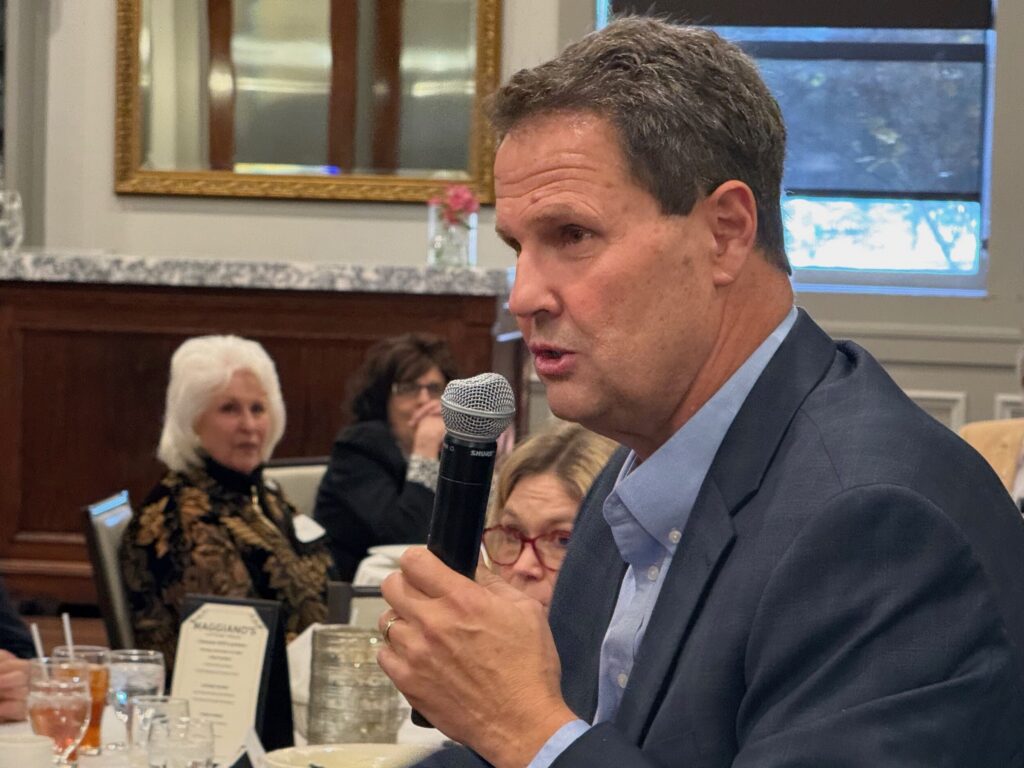
It is hard to keep up these days. The flow of news often seems overwhelming. Let’s focus today on an unusual congressional race before moving on to a few quick, supplementary observations. Since its creation 54 years ago, Congressional District...
An “-“ends tribute in a week full of “odds” | Capitol M | Week of April 11, 2026
Marianne Goodland
marianne.goodland@coloradopolitics.com
Updated 4 days ago
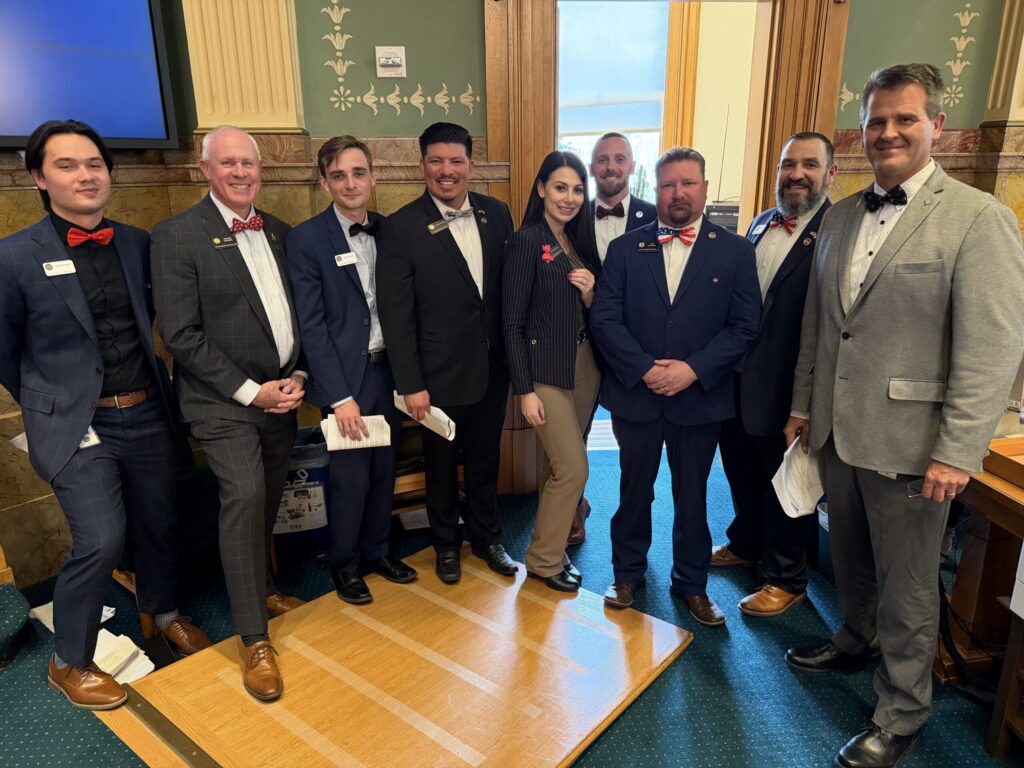
The lighter side of the Capitol, usually… The decision to read the budget bill — the long bill, which spans 661 pages this year — put a damper on the House’s already less‑than‑festive mood. So Capitol M decided to catch...
What you need to know about the Colorado legislature reading a 661-page bill aloud
Marianne Goodland
marianne.goodland@coloradopolitics.com
Updated 2 days ago
A rarely used procedural move by a Republican legislator threw the Colorado House into an extended slowdown, after she invoked her right to have a nearly 700-page state budget bill read aloud in full. Once Rep. Brandi Bradley, R‑Roxborough Park,...
Literal reading of budget bill complicates Colorado legislators’ plans for GOP assembly
Marianne Goodland
marianne.goodland@coloradopolitics.com
Updated 2 days ago
Republican Rep. Brandi Bradley’s decision to force the full reading of the state budget — called the “long bill” for its obvious length — has not only slowed House business to a crawl but also disrupted her colleagues’ plans for...
PREV
PREVIOUS

COVER STORY | Colorado's think tanks put ideas into action
George Sparks still carries himself like a titan of industry — a straight spine, a firm handshake and a purposeful gait as he greets a journalist and makes his way through the cavernous halls of the Denver Museum of Nature & Science. His mission this day was to show off the reconstructed bones of a […]
Donald Trump Jr. revs up conservatives at CSU event
When Donald Trump Jr. took center stage at Colorado State University’s Center for the Arts on Tuesday, he danced on the edge of political correctness. Before an audience of conservative college students at the free ticketed event in Fort Collins, the president’s son talked up his father, aired family grievances and avoided any direct talk […]