

PLAIN TALK ABOUT RURAL COLORADO | Valerie Sherman: Keeping teachers down on the farm
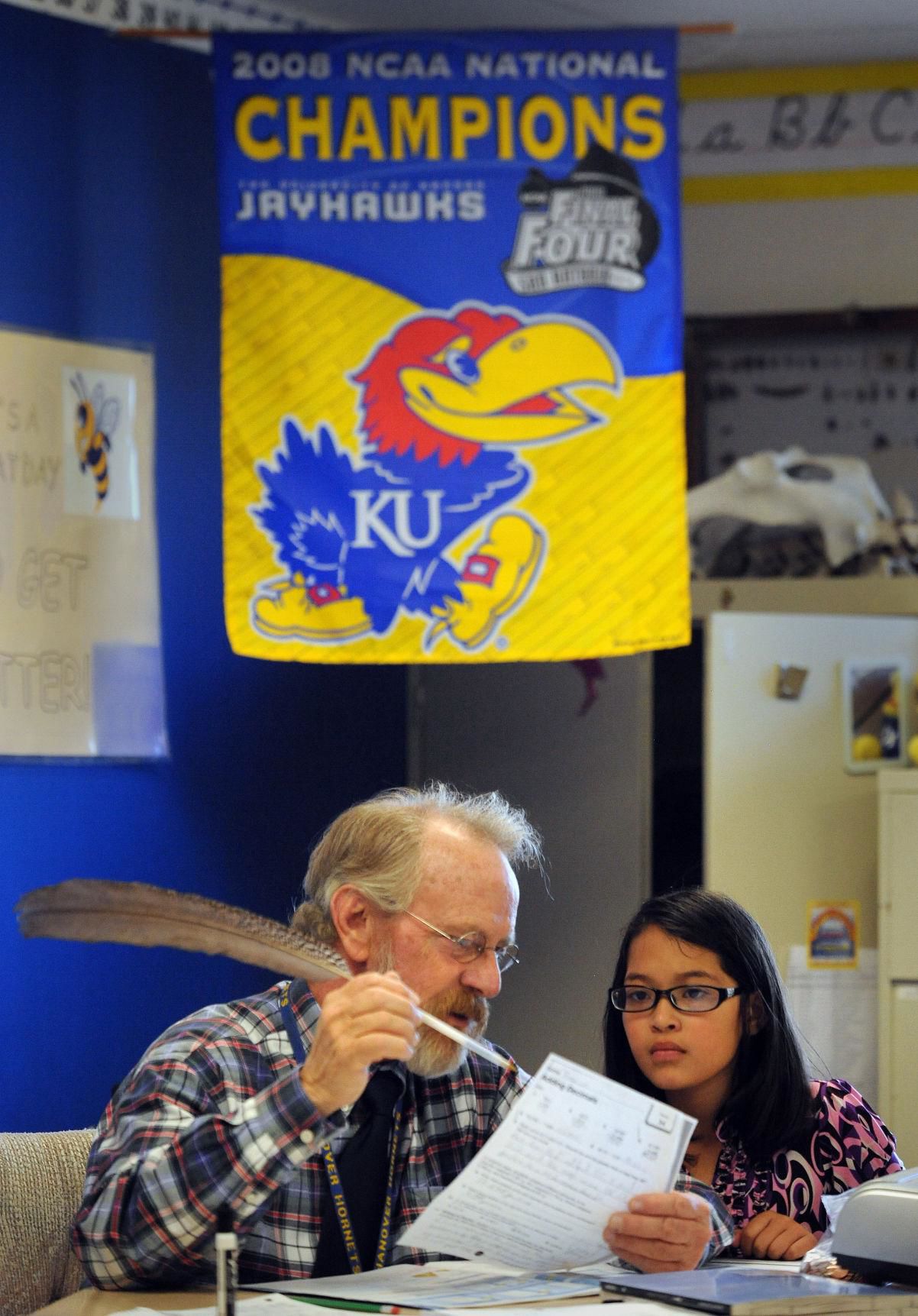
I recently received an urgent message in my email inbox that read: “…I am reaching out to inquire if you know of any teacher candidate who would be interested in a 4th grade teaching position…. I had a resignation last week and am looking to fill the position…. Any leads that you have would be greatly appreciated.”
This time of year, similar emails arrive in inboxes from around the state on a regular basis. Always professional, the senders do their best to sell their school districts while asking for a helping hand in staffing classrooms with qualified teachers.

School leaders in rural Colorado continue to experience serious and consistent challenges recruiting and retaining the educators they need. The reasons for these difficulties vary. Research demonstrates current experienced teachers are retiring at increasing rates, the number of students who are entering schools increases, and enrollment in traditional educator preparation programs is on the decline.
The above, combined with abysmal salaries and ever-increasing educator expectations, create a perfect storm making the teacher shortage harder and harder to ignore, especially in school districts that are located outside of the Front Range corridor.
The problem becomes more complex as the diversity and individual needs of the students learning in rural school districts continues to increase. Data reported by the Colorado School Finance Report Project states that about 7% of Colorado’s students qualified for gifted education services; 11% of students received special education services, and 41% qualified for free or reduced lunch during the 2017-2018 academic year.
Yet, the research suggests that teacher retirement and an increasing number of students entering school are not the only causes for the teacher shortage crisis in rural Colorado. Retaining current educators presents an equally challenging problem.
Current rural educators relocate for a variety of reasons. Some may leave the profession to get married or start a family. Others move to an urban district where salaries tend to be higher and housing may be more accessible. A lack of access to adequate medical care can also make moving to an urban school district a necessity. Every story explaining a resignation and move out of rural Colorado is as unique as the individual who tells it.
Fortunately, the difficulties facing leaders within Colorado’s rural school districts while they struggle to attract and retain educators for their students has not gone unnoticed within Colorado. Thanks to a variety of focused efforts across the state, rural school districts can entice both student teachers and individuals pursuing alternative educator pathways with a range of financial incentives.
For example, with funding initially provided in 2016 by the Colorado General Assembly, student teachers who complete their student teaching in a rural school district are eligible to receive a variety of financial incentives to make ends meet while paying tuition for the student-teaching experience. Similarly, individuals who have earned a bachelors degree and want to become an educator can apply for up to $6,000 of financial support to offset costs associated with becoming a licensed teacher in one of Colorado’s rural-serving alternative-licensure programs.
Financial support is also available to experienced educators in rural school districts. Practicing rural educators can apply for $6,000 of tuition support when they enroll in a graduate program that prepares them to teach concurrent enrollment courses.
Financial support and mentorship is available to rural educators who commit to become a National Board Certified Teacher. Further, teachers, administrators and specialized service professionals (e.g., school psychologists, school counselors, and speech therapists) in rural schools will be able to apply to the Colorado Department of Higher Education for up to $25,000 of outstanding student loan forgiveness in the very near future.
While the range of financial incentives to rural educators has dramatically increased in recent years, the amount of available funding is woefully inadequate. In the future, the General Assembly should consider providing additional resources to increase access to financial incentives to benefit more qualified individuals.
Investing in the recruitment and retention of rural educators provides the students in rural school districts with the excellent education they richly deserve.
Valerie Sherman is the rural education coordinator for the Colorado Center for Rural Education at the University of Northern Colorado in Greeley. She has 14 years of teaching experience in both K-12 and higher education.


Army veterans Jessica Killin, Joe Reagan qualify for Democratic primary ballot in Colorado’s 5th CD
Ernest Luning
ernest.luning@coloradopolitics.com
Updated 2 hours ago
Democratic congressional candidates Jessica Killin and Joe Reagan secured spots Saturday in Colorado’s June primary to decide who will run against Republican U.S. Rep. Jeff Crank in a district that’s only ever sent GOP lawmakers to Congress. The two Democrats,...

Who has the power to declare war? | Cronin and Loevy
Tom Cronin Bob Loevy
tom-cronin-bob-loevy@coloradopolitics.com
Updated 6 hours ago
Our constitutional framers boldly and ambitiously granted Congress the power to declare war yet granted the executive the responsibility, after war is declared, to supervise war as the commander-in-chief. That worked well until the Cold War began. The U.S. has been...
Latest death brings down wolves’ survival rate to 44% in Colorado
Marianne Goodland
marianne.goodland@coloradopolitics.com
Updated 10 hours ago
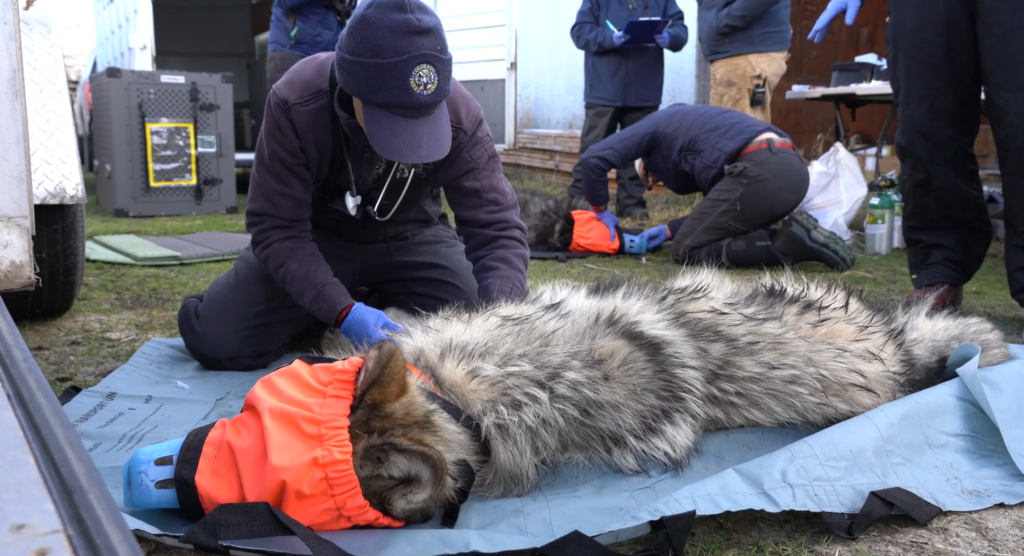
The female wolf of the mating pair for the King Mountain pack has died, bringing total fatalities to 14 out of the 25 animals reintroduced in Colorado. The wolf, identified as No. 2310, was among the 10 wolves brought to...

The delicate, ever-changing dance between politics and religion | SONDERMANN
By Eric Sondermann
by-eric-sondermann@coloradopolitics.com
Updated 8 hours ago
The dance, really a marathon that brings to mind the classic movie “They Shoot Horses, Don’t They?”, has been going on as long as there have been governments and organized religion. That is to say that this delicate tango has...
Roasts, get yer roasts, here: Capitol M | Week of March 14, 2026
Marianne Goodland
marianne.goodland@coloradopolitics.com
Updated 4 days ago
The lighter side of the Capitol, especially in the past week Apparently, the pending and eventual switch to daylight stupid time has put people in some pretty funny moods. And thank goodness! On March 4, the Senate approved the appointments...
Polly Baca elected to DNC | A LOOK BACK
Rachael Wright, Special to Colorado Politics
rachael.wright@coloradopolitics.com
Updated 3 days ago
Forty-Five Years Ago This Week: After her loss to Republican U.S. Rep. Hank Brown the previous year in the race for the 4th Congressional District, state. Sen Polly Baca-Barragan, D-Thortnon, was elected as one of the three vice-chairs of the...

Colorado Politics Calendar Mar. 16-22
Rachael Wright, Special to Colorado Politics
rachael.wright@coloradopolitics.com
Updated 3 days ago
CoPo’s weekly political calendar will help you find political and public-policy events throughout Colorado. It includes candidate and issue campaign events, public policy meetings, court hearings, state and local party conventions, assemblies, debates, rallies, parades, speaking engagements, traveling dignitary appearances,...

Boebert challenger Eileen Laubacher joins lawsuit aimed at blocking her from Democratic assembly
Ernest Luning
ernest.luning@coloradopolitics.com
Updated 1 day ago
A Denver District Court judge on Thursday permitted Democratic congressional candidate Eileen Laubacher to join a lawsuit filed by one of her primary opponents seeking to prevent Laubacher from participating in the party’s assembly process in a bid to qualify...
Colorado justices weigh fairness concerns after defendant prevailed despite ghosting case
Michael Karlik
michael.karlik@coloradopolitics.com
Updated 4 hours ago
Members of the Colorado Supreme Court struggled on Tuesday to balance the need for one defendant to shield itself against a plaintiff’s claim that its employee sexually assaulted her child, and the fact that the employee legally admitted the allegations...

House Ethics Committee to begin hearing on Weinberg complaint
Marianne Goodland
marianne.goodland@coloradopolitics.com
Updated 1 day ago
The House Ethics Committee on Tuesday will begin a hearing requested by Rep. Ron Weinberg, R-Loveland, tied to an ethics complaint filed against him by Rep. Brandi Bradley, R-Roxborough Park. The ethics committee had found probable cause on two issues...
PREV
PREVIOUS

RTD launches two-year study amid struggles with costs, delays, lack of riders
The Regional Transportation District will spend the next two years finding ways to improve their agency for Denver residents. “Reimagine RTD” formally kicked off Wednesday, reports CPR. The project will begin gathering input and evaluating the organization to improve services. The project’s website says that Denver’s growing population, which is expected to increase by 31% […]

New city tool lets you balance Denver's budget
If you don’t agree with the way the city of Denver spends its money, you can give it a shot yourself. Denver launched an interactive online tool Wednesday for users to balance the city’s budget in the way they’d like. The total funding of almost $1.49 billion can be distributed among 18 spending categories. “Our […]