

Conservation Colorado branching out with office in Carbondale
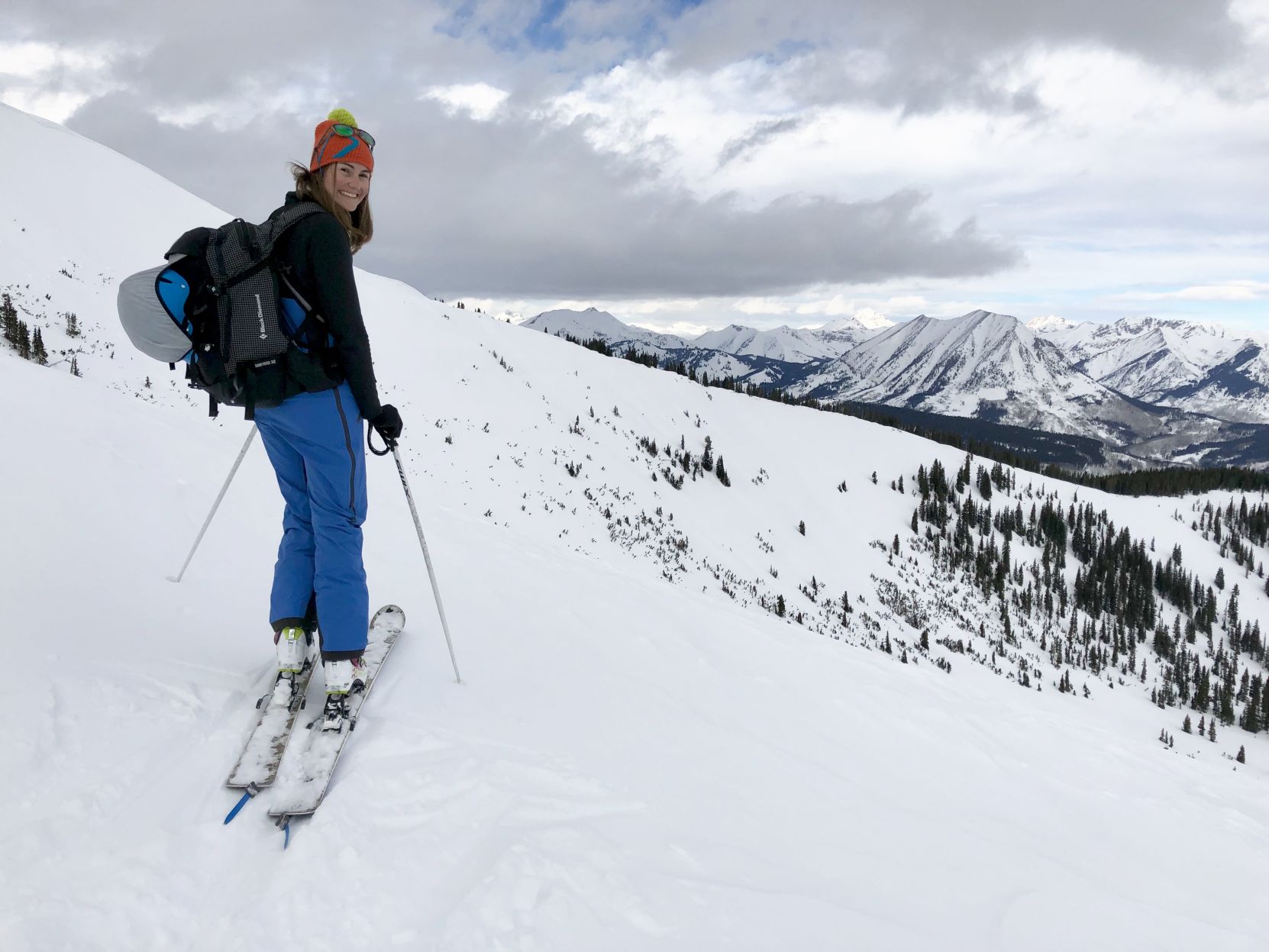
As the state’s largest and best-known environmental group, Conservation Colorado has spread its figurative branches from the mountains to the plains for some time. But now it’s putting down roots in the central mountains, opening up an office in Carbondale.
In a press release Thursday, Conservation Colorado called the Roaring Fork Valley an “ecologically unique and politically important region.” And Aspen and many of the surrounding mountain towns are as rich in resources as they are in those with fat bank accounts to support such causes.
“As Conservation Colorado’s organizer in the region, I’m excited to bring the voices of my neighbors along the Roaring Fork and Colorado River valleys to the state Capitol and other decision-making spaces,” Central Mountains organizer Erin Riccio said. “Together we can fight climate change, protect our lands, waterways, and wildlife, and stand up against powerful interests.”
Conservation Colorado pointed out some of the ways the Roaring Fork Valley is a conservation leader:
- Glenwood Springs and Aspen are the only Colorado municipalities powered 100% by renewable energy.
- 18 oil and gas leases were canceled along the Thompson Divide, “an important landscape renowned for its hunting and recreation opportunities.”
- The Crystal River Management Plan was created to to better manage water use and and enhance the river’s “ecological integrity.”
- The Roaring Fork Valley Transportation Authority has a goal to electrify its bus fleet.
“I’m thrilled that Conservation Colorado has established a permanent presence in the Roaring Fork Valley,” Basalt Mayor Jacque Whitsitt said in a statement. “Their focus on state and national policy will be a great asset to the robust conservation community that already calls this area home.”
Riccio is tasked with working with local leaders to continue progress on:
- Working to help pass the Colorado Outdoor Recreation and Economy Act, which would help protect about 400,000 acres of public land in the state (the federal legislation was introduced in January by U.S. Sen. Michael Bennet of Colorado and U.S. Rep. Joe Neguse of Boulder).
- Engaging with the Colorado Oil and Gas Conservation Commission on the health and safety hazards of oil and gas activities to better protect nearby communities.
- Helping implement the Climate Action Plan passed by the legislature last spring, to reduce the state’s carbon emissions by 50% by 2030 and 90% by 2050.
- Finding the money necessary to fund the $20 billion Colorado Water Plan. Most of that tab be paid for by water providers as they develop water projects, but the state is on the hook for an etstimated $3 billion, or about $100 million per year beginning in 2020.

It’s time to let unaffiliated voters caucus | Vince Bzdek
Vince Bzdek
vince.bzdek@gazette.com
Updated 2 days ago
There’s no getting around it: Colorado’s 3,000 county caucuses, which just wrapped up recently, left half the electorate out in the cold. Since unaffiliated voters now make up 51% of all Colorado voters, a majority of Colorado electors are barred...

With new medical school set to open, Feinstein will step down as UNC president
Hap Fry, Special to The Gazette
hap-fry@gazette.com
Updated 16 hours ago
GREELEY • Dr. Andrew “Andy” Feinstein, the charismatic president of the University of Northern Colorado, has announced that he will step down from his leadership role just on the cusp of what is perhaps his signature accomplishment being realized. He’ll...
Governor warns energy development both a boon and a risk to Colorado | A LOOK BACK
Rachael Wright, Special to Colorado Politics
rachael.wright@coloradopolitics.com
Updated 5 days ago
Forty-Five Years Ago This Week: “The real opportunity and the dangers before us are both real,” said Gov. Dick Lamm in his January state of the state address before the Colorado General Assembly. Lamm argued that energy development would continue...
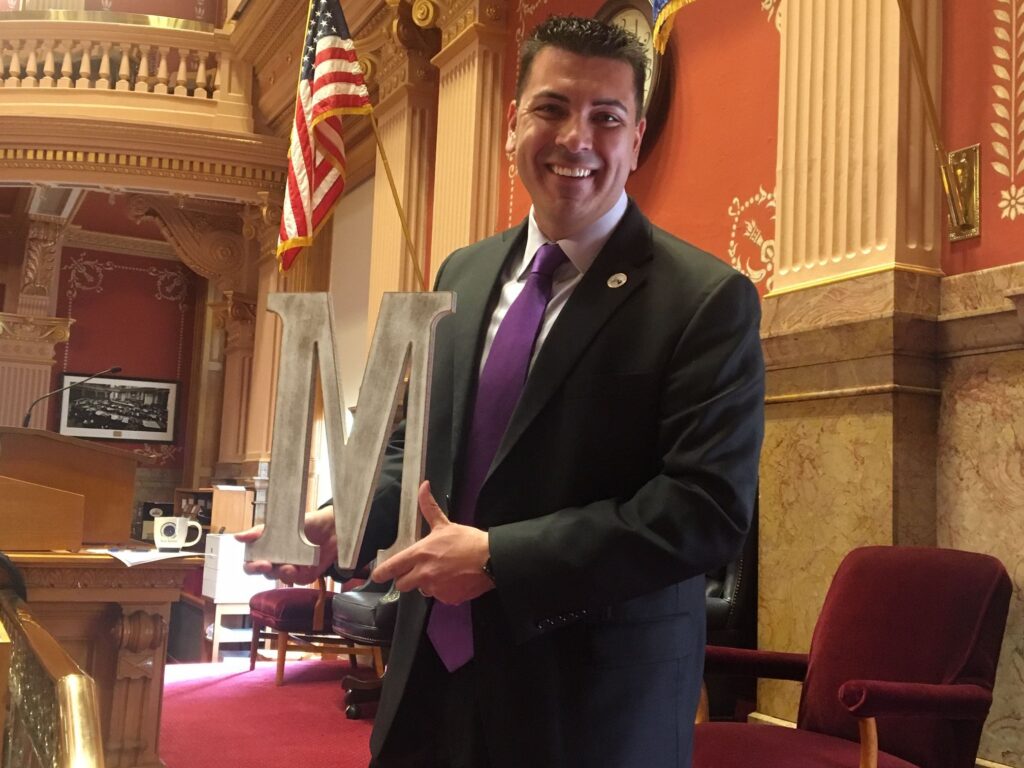
A Mile High, again: Capitol M | Week of March 21, 2026
Marianne Goodland
marianne.goodland@coloradopolitics.com
Updated 5 days ago
The lighter side of the Capitol, usually…. Local Journalism Day, except they forgot their very own local journalists. The state Senate on Thursday, March 19, passed a resolution recognizing Local Journalism Day. Everyone voted for it, which is good, because...

Colorado Politics Calendar Mar. 23-29
Rachael Wright, Special to Colorado Politics
rachael.wright@coloradopolitics.com
Updated 4 days ago
CoPo’s weekly political calendar will help you find political and public-policy events throughout Colorado. It includes candidate and issue campaign events, public policy meetings, court hearings, state and local party conventions, assemblies, debates, rallies, parades, speaking engagements, traveling dignitary appearances,...

The insular bubble of caucuses and assemblies | SONDERMANN
Eric Sondermann
eric-sondermann@coloradopolitics.com
Updated 4 days ago
Nearly 30 years ago, then-Federal Reserve Chairman Alan Greenspan coined the term “irrational exuberance” to describe the overheated stock market. That descriptive phrase could also apply to much of the political realm. The hype in politics often grossly exceeds the...

Lauren Boebert’s hard ‘no’ on Pentagon Iran funding request puts Mike Johnson in tough spot
Emily Hallas, Washington Examiner
emily.hallas.washington.examiner@gazetteedit.wpenginepowered.com
Updated 3 days ago
Colorado U.S. Rep. Lauren Boebert announced on Thursday that she will not support further funding for the United States’s war in Iran, marking an uphill battle for the Trump administration’s effort to secure additional financing from Congress. “I’ve already told...
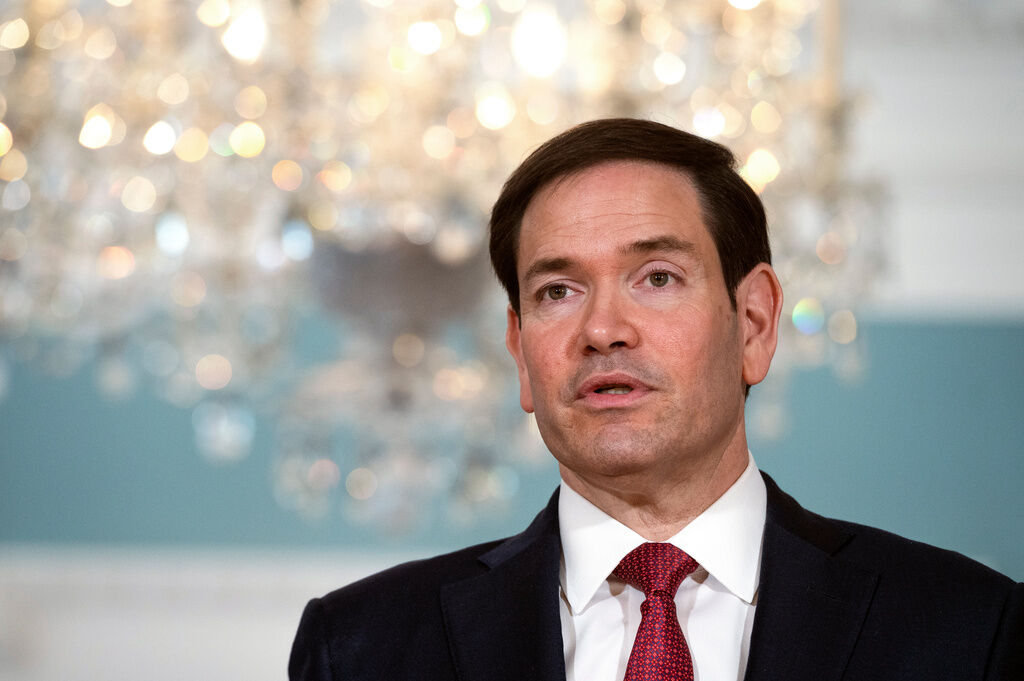
Rubio gains ground in 2028 jockeying as Iran war elevates his profile
Samantha-Jo Roth, Washington Examiner
samantha-jo.roth.washington.examiner@gazetteedit.wpenginepowered.com
Updated 3 days ago
Secretary of State Marco Rubio’s high-profile role in the Trump administration’s response to the Iran war is boosting his standing in the early jockeying for the 2028 Republican presidential nomination — and positioning him as a possible rival to Vice...
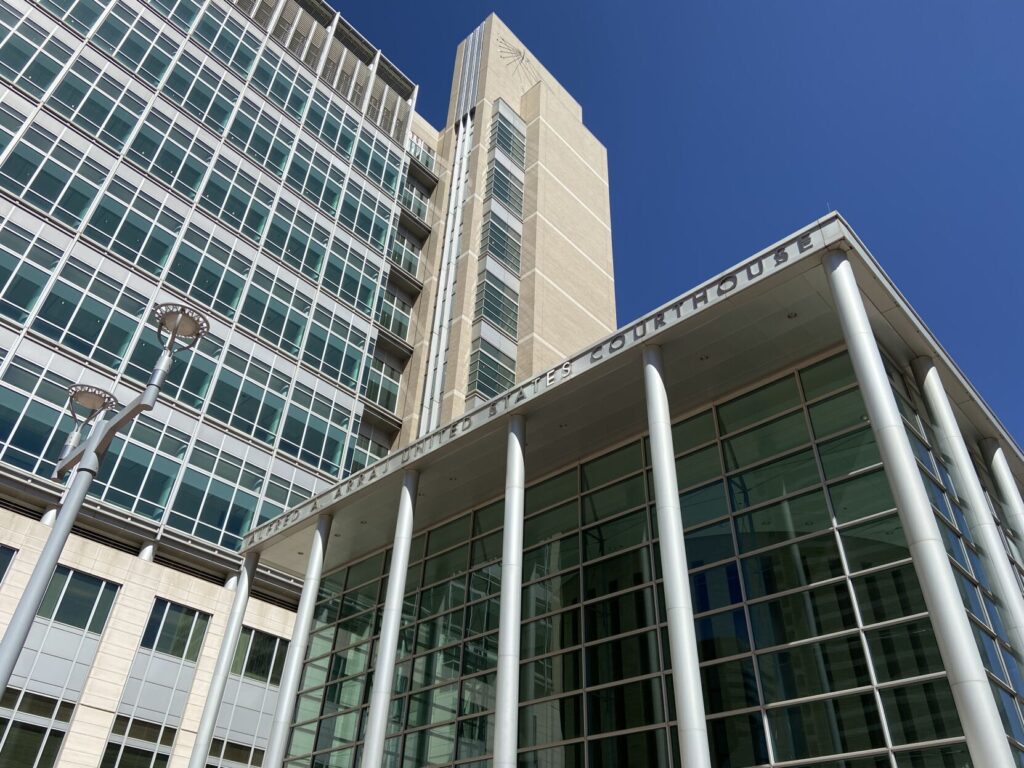
Federal judge dismisses claims against medical contractor for Eagle County jail suicide
Michael Karlik
michael.karlik@coloradopolitics.com
Updated 3 days ago
A federal judge dismissed the claims against a medical contractor for the Eagle County jail and its employees earlier this month, concluding there were insufficient allegations that they violated the constitutional rights of a man who died by suicide in...
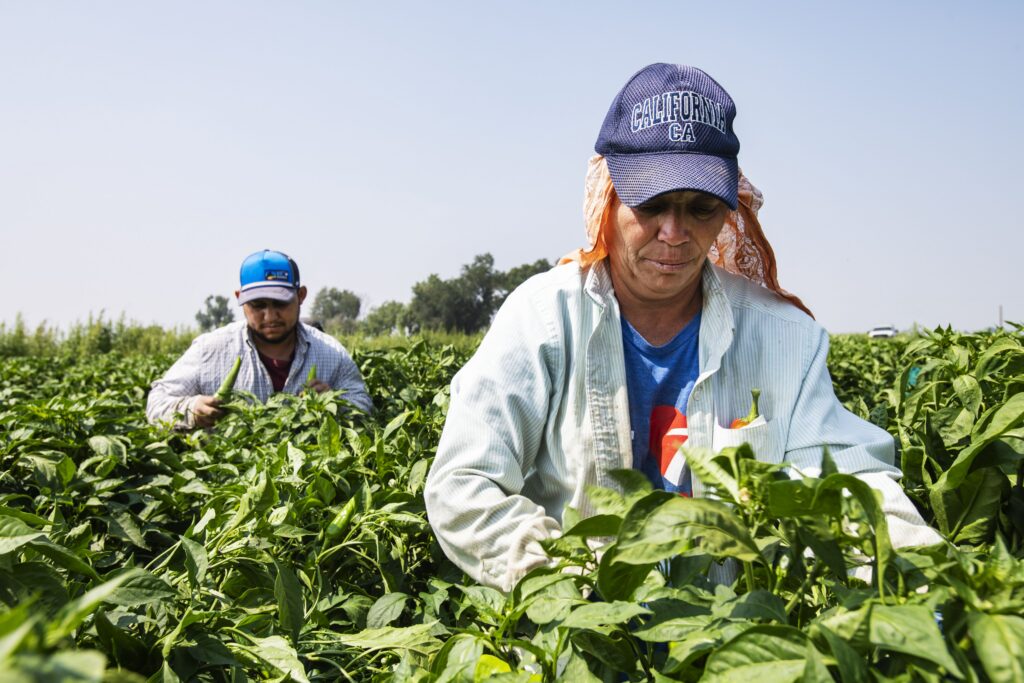
Colorado Senate committee advances bill increasing overtime threshold for farmworkers
Marianne Goodland
marianne.goodland@coloradopolitics.com
Updated 1 day ago
The struggle to balance farmworker protections with the survival of Colorado’s family farms took center stage Thursday as senators debated two competing overtime bills. The Senate Business, Labor and Technology Committee held a rare double-bill hearing that led to a...
PREV
PREVIOUS

Colorado voters prioritize outdoor issues when voting, advocacy group's survey says
Coloradans will be focusing on public lands, parks and wildlife when voting in future elections, according to a survey released Thursday by the Center for Western Priorities, a Denver-based environmental advocacy group. The “Winning the West” survey found that 82% of Colorado voters consider issues involving the outdoors to be important when choosing candidates, and […]

Fight over Colorado assisted suicide law headed back to state court
A legal battle over Colorado’s assisted suicide law will be fought in state court, the venue favored by a terminally ill man and a doctor fired for trying to help him end his life. U.S. District Judge Lewis Babcock in Denver said Thursday that he agreed with Centura Health that the case raises important questions […]