

PLAIN TALK ABOUT RURAL COLORADO | Donald Shawcroft: Colorado ag is making strides — and facing hurdles
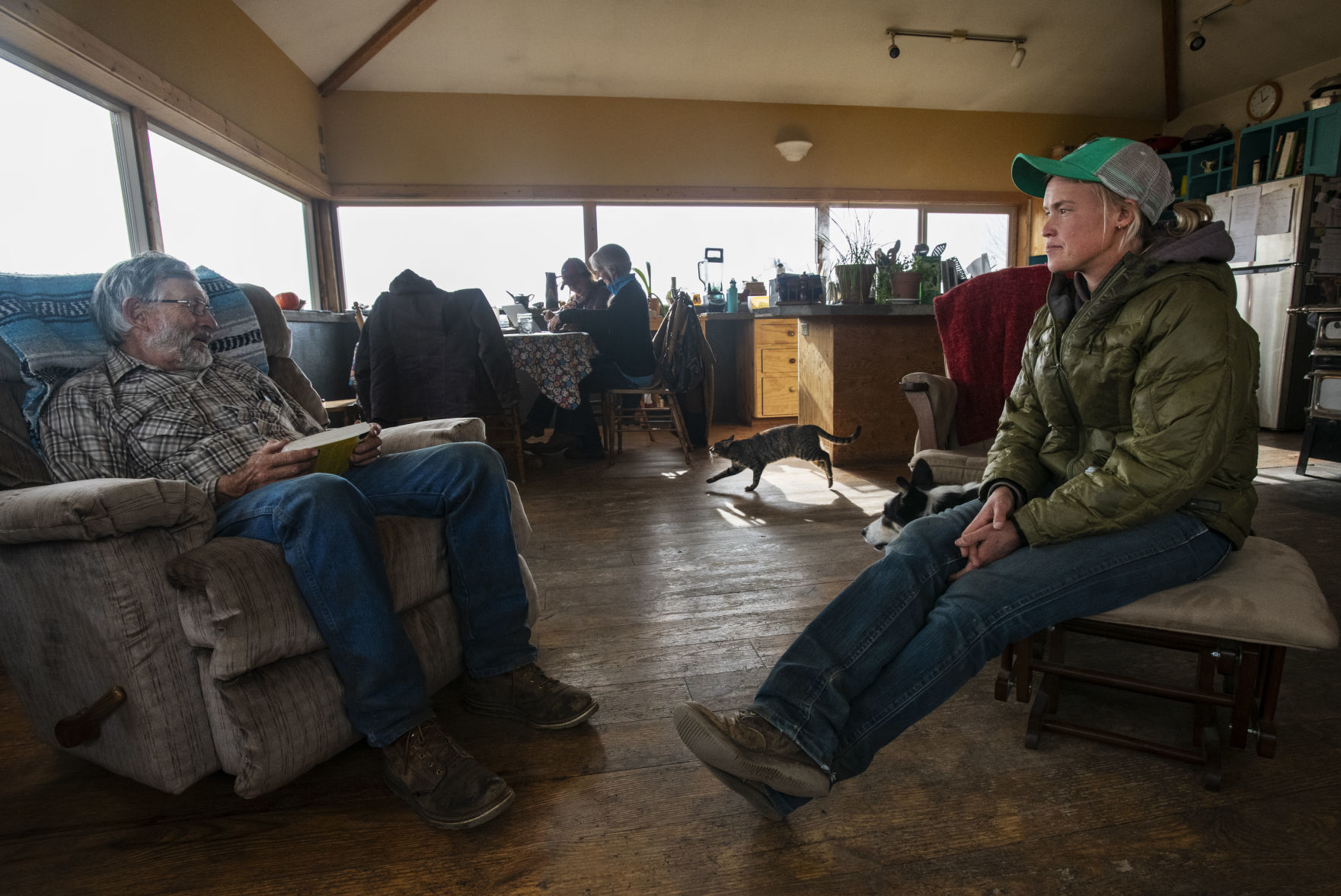
Urbanization and new development has rapidly accelerated in Colorado in the last few decades. Our population boom has been sustained for years, and centered predominantly on the Front Range. Fewer and fewer Coloradans hail from rural communities or have any real tie to the land.
But despite this trend, many Coloradans still recognize the overall importance of Colorado’s agriculture industry and the history it has in the state. ??In a 2017 survey of consumer attitudes about agriculture, the Colorado Department of Agriculture and Colorado State University found that nine out of 10 consumers think the industry is at least moderately important to the state’s quality of life.

If you live in rural Colorado or are involved in the production of food, this is one of a handful of encouraging data points. Unfortunately, this encouraging data exists in a sea of troubling statistics.
?As the eternal optimist one needs to be in the agriculture business, I’ll start with the good news. ??The agriculture and food industry is Colorado’s second largest, contributing more than $40 billion to the state’s economy and more than 100,000 jobs on an annual basis. The industry is centered in Colorado’s rural areas, providing economic vitality and acting as a jobs engine for many rural communities.
In the past several decades, advances in science and technology have dramatically increased the productive capacity of our farms and ranches, reduced the use of agricultural inputs and increased environmental and economic sustainability. In the state’s urban and suburban areas, higher education and private investment have helped revolutionize the food industry, helping to better align food and agricultural production with changing consumer tastes, all without losing the quality and safety of food we produce.??
Colorado’s agriculture producers are poised to succeed in the long term. Our farms are becoming ever more sustainable. New management practices, coupled with cutting-edge university research are helping define agriculture’s ability to help improve climate outcomes. Farms are dramatically reducing their carbon footprint and ranches are sequestering ever more carbon in native grasslands. In response, researchers are quickly increasing their understanding of the level of ecosystem services the industry provides.??
In the very near future, blockchain tracking for produce and radio frequency identification tags for livestock will help improve traceability for foodborne illness. Internet-of-things devices coupled with machine learning and advanced data analytics will help drive even more dramatic reductions in the use of agricultural inputs like fertilizer and herbicides. Remote sensing and driverless technology for agriculture machinery will further reduce labor costs and improve operator safety. ??
But now for the less positive. ??Despite the immense productive capacity of Colorado’s farms and ranches, fluctuations in market prices have dramatically impacted farm incomes. Political risk, in the form of costly and complex regulation, and challenges to existing international trading relationships have also negatively impacted outcomes in farm country. Commodity cycles, coupled with the impacts of public policy, have combined to reduce nationwide net farm income by more than 50 percent in 2018. ??
As a result, serious cracks in agricultural finances are beginning to emerge. Some commentators worry about a bubble in ag land prices. Significant social problems in rural communities, such as expanding drug use and mental health challenges, reflect the distress in the agricultural sector. The politics of trade and regulatory challenges remain uncertain at both the state and federal level.
And the same can be said for commodity prices, with the general consensus pointing toward continued depressed prices in the coming months. ??Rural areas still struggle with access to reliable and affordable broadband connections. This not only deprives rural America of more than $65 billion in economic output annually, according to some estimates, but it also makes the realization of technologies like telehealth and distance learning that much more difficult.
And while we are on the subject, rural health care and education are suffering. In many parts of rural Colorado, health insurance premiums are double what they are in urban areas. A full 13 counties in Colorado have no hospital and dozens of counties have no access to critical mental health services. Our educational system suffers from a chronic lack of adequate funding for both teacher salaries and capital construction. This all contributes to the well-documented “brain-drain” in rural communities. ??
We in agriculture and rural Colorado have a long road ahead of us. Keeping farmers and ranchers in business will be our priority for the foreseeable future, and it should be the goal of policymakers at all levels of government as well. Some of these challenges can be addressed at the state level. But major financial stress is something typically outside our state policy makers’ control.
As a result, we will be on the lookout for statewide policies that drive up the cost of doing business or add red tape. ??With a little patience and a whole lot of work and understanding, we will see this rough patch through. Let’s let our farmers and ranchers do what they do best, and agriculture will continue to be an important part of this state in the decades to come.
Donald Shawcroft is president of the Colorado Farm Bureau and a rancher from the San Luis Valley.

U.S. House probes reports of fraud, waste in Colorado’s Medicaid program
Marianne Goodland
marianne.goodland@coloradopolitics.com
Updated 1 hour ago
A congressional committee is probing reports of waste, fraud and abuse in Colorado’s Medicaid program, citing recent stories outlining over-billing in transportation spending and The U.S. House Committee on Energy and Commerce has sent a letter to Gov. Jared Polis...
Colorado’s congressional redistricting proposal could flip three Republican House seats | ANALYSIS
Michael Braithwaite
michael.braithwaite@gazette.com
Updated 3 hours ago
A Democrat-backed proposal to redraw Colorado’s congressional map for the 2028 election could flip three Republican districts. The proposal, introduced by a group called Coloradans for a Level Playing Field, is yet another development in a national redistricting debate after...

Appeals court overturns Douglas County vehicular homicide conviction due to faulty jury instructions
Michael Karlik
michael.karlik@coloradopolitics.com
Updated 8 hours ago
Colorado’s second-highest court overturned a defendant’s vehicular homicide conviction and 12-year prison sentence on Thursday after determining a Douglas County judge omitted key language from the jury instructions that could have resulted in a different outcome. James Paul McDonald was...
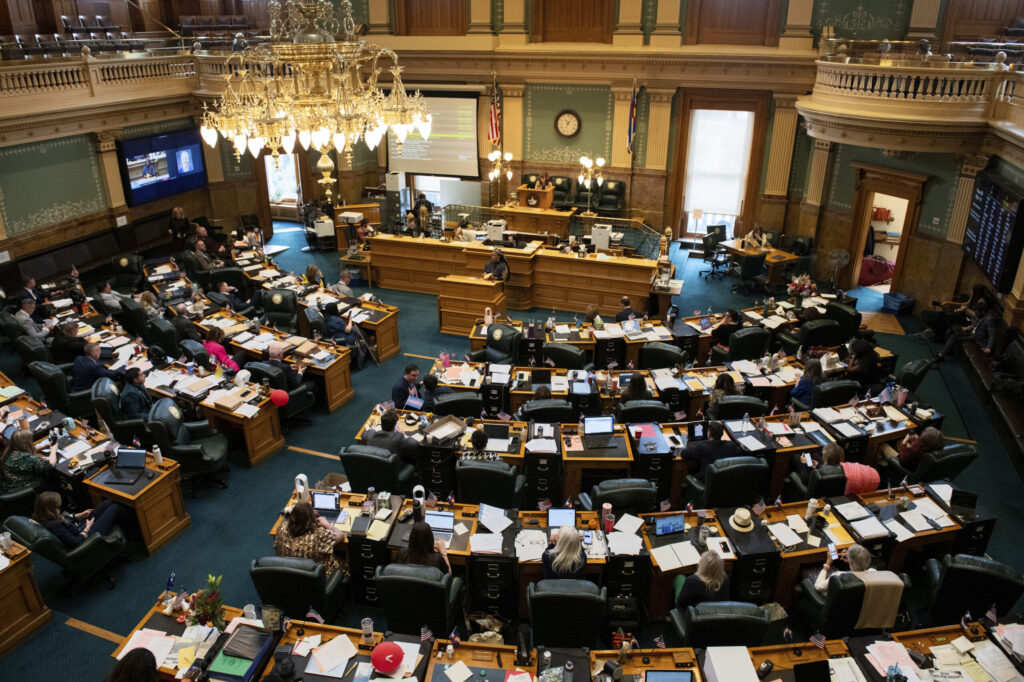
Colorado lawmakers’ speeches on immigration, Iran draw worries about decorum, grandstanding
Marianne Goodland
marianne.goodland@coloradopolitics.com
Updated 7 hours ago
Several speeches from Colorado legislators this week have raised new worries about decorum and grandstanding in the state House after two members talked about immigration and Iran using what’s called a “point of personal privilege.” Under the rules of the...
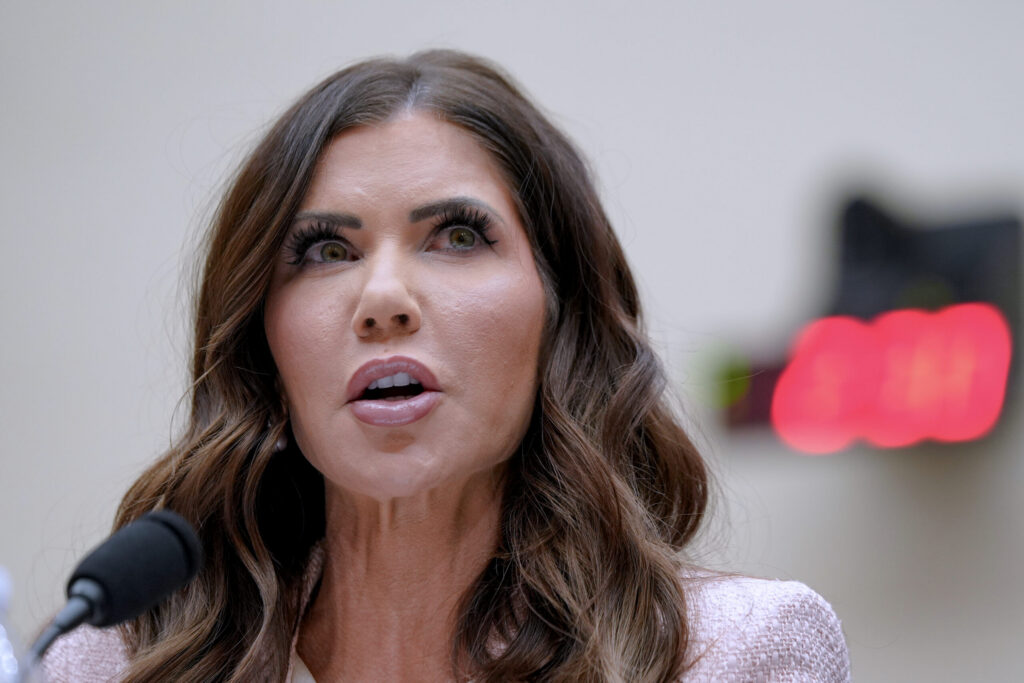
Trump fires Homeland Security Secretary Noem after building criticism over immigration enforcement
Michelle L. Price
michelle.l..price@associatedpress.com
Updated 9 hours ago
WASHINGTON (AP) — President Donald Trump on Thursday fired his embattled Homeland Security Secretary Kristi Noem and said he will nominate in her place Oklahoma Republican Sen. Markwayne Mullin. Trump made the announcement on social media on Thursday, two days...
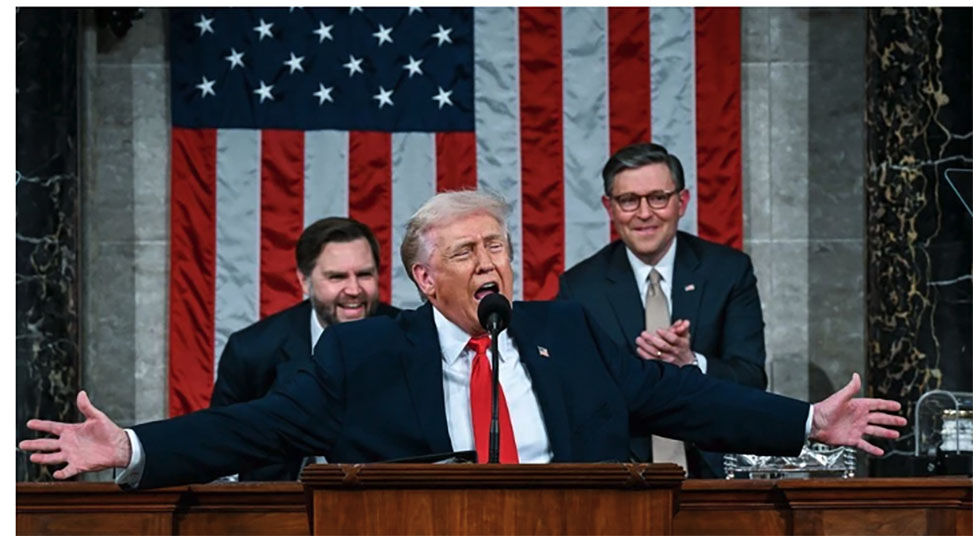
Trump wants to be personally ‘involved’ in picking next Iranian leader: Report
Christian Datoc, Washington Examiner
christian.datoc.washington.examiner@gazetteedit.wpenginepowered.com
Updated 9 hours ago
President Donald Trump told Axios Thursday that he wants to be personally involved with picking Iran‘s next leader, despite multiple senior administration officials repeatedly declaring that “regime change” is not a stated objective of Operation Epic Fury. Trump conducted an...
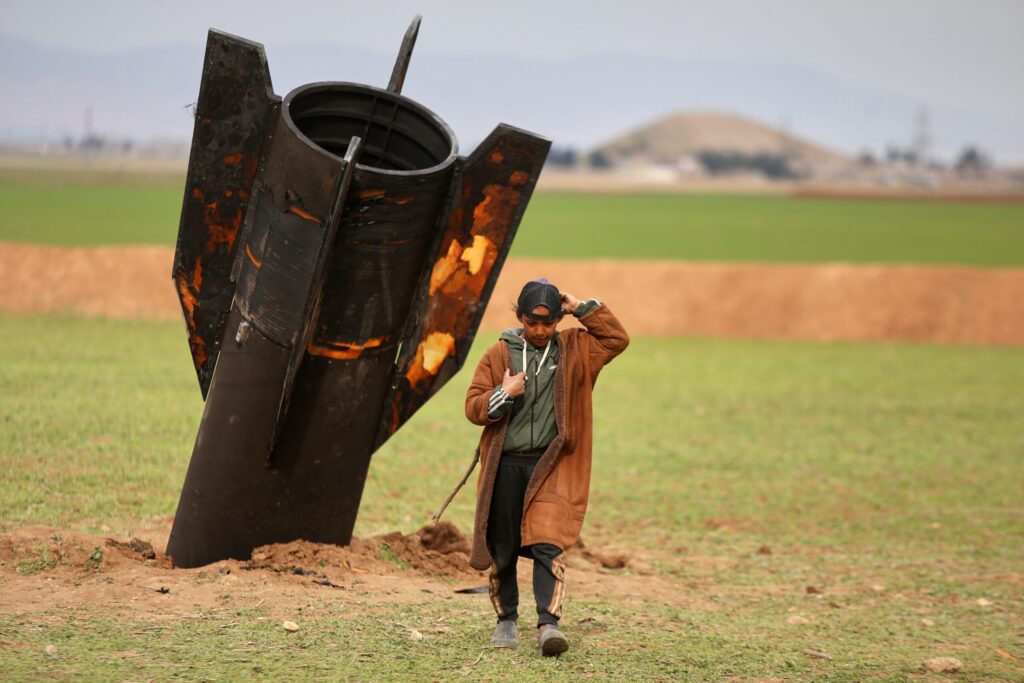
Iran widens regional war with first strike into Azerbaijan
Brady Knox, Washington Examiner
brady.knox.washington.examiner@gazetteedit.wpenginepowered.com
Updated 9 hours ago
Iran spread the growing regional war to the Caucasus with its first drone strike into Azerbaijan, hitting an airport terminal and damaging a nearby school. A video recorded by someone at Nakhchivan International Airport showed one of the drones exploding...
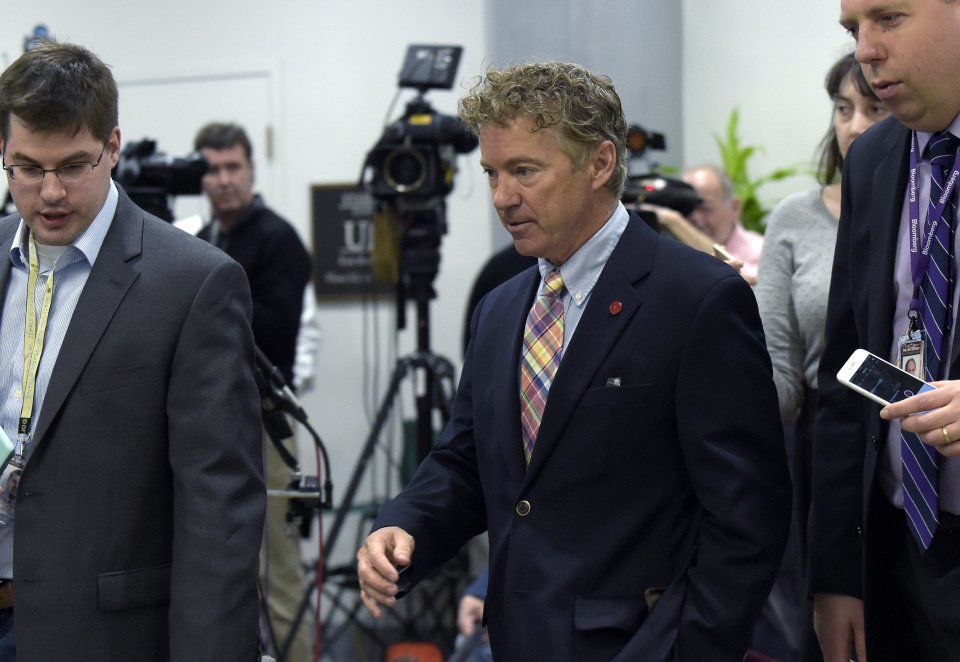
Rand Paul excoriates Congress for failure to pass War Powers Resolution: ‘Should be ashamed’
Claire Carter, Washington Examiner
claire.carter.washington.examiner@gazetteedit.wpenginepowered.com
Updated 9 hours ago
Sen. Rand Paul (R-KY) blasted his colleagues for failing to pass a resolution aimed at limiting President Donald Trump’s military campaign in Iran. The Kentucky Republican made the remarks in an opinion column published on Fox News a day after...
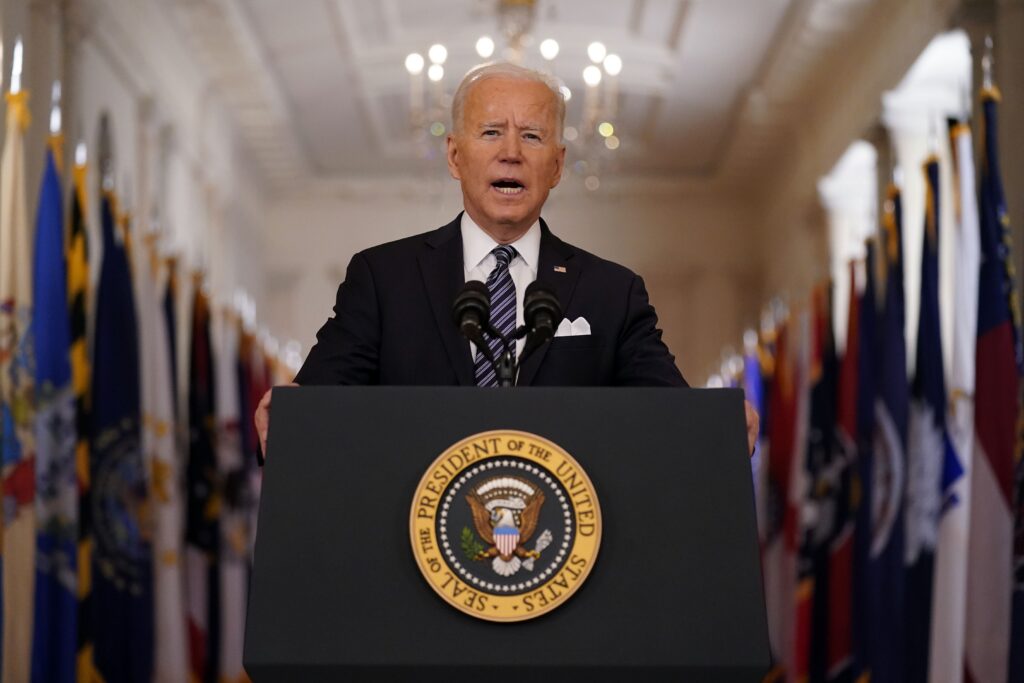
DOJ quietly closes autopen investigation targeting Biden and aides
Kaelan Deese, Washington Examiner
kaelan.deese.washington.examiner@gazetteedit.wpenginepowered.com
Updated 10 hours ago
The Department of Justice has quietly closed an investigation into former President Joe Biden’s use of an autopen to sign official documents, according to a source familiar with the matter. DOJ pardon attorney Ed Martin, the former “weaponization” czar, opened...

Colorado legislators eye changes to credit card ‘swipe fees’
Marianne Goodland
marianne.goodland@coloradopolitics.com
Updated 8 hours ago
Colorado legislators are proposing to eliminate “swipe fees” on sales taxes, a move that proponents say would save businesses tens of thousands of dollars a year but which will likely revive counter-arguments that those fees help create a stable and...
PREV
PREVIOUS

Colorado's Bennet raises $2.1M for presidential campaign in 3rd quarter
U.S. Sen. Michael Bennet raised $2.1 million for his presidential campaign in the third quarter, the Colorado Democrat’s campaign said Wednesday. With $1.8 million on hand, the longshot candidate intends to stay in the race through February’s Iowa caucus and New Hampshire primary running a “lean” campaign, despite raising a fraction of the totals announced […]

Bernie Sanders has heart procedure, cancels campaign events for now
WASHINGTON – Bernie Sanders’ campaign said Wednesday that the Democratic presidential candidate had a heart procedure for a blocked artery and was canceling events and appearances “until further notice.” The 78-year-old Sanders was in Las Vegas when, according to a campaign statement, he experienced chest discomfort during a campaign event Tuesday and sought medical evaluation. […]