

OPINION | Colorado’s oil & gas development pays its own way — and then some
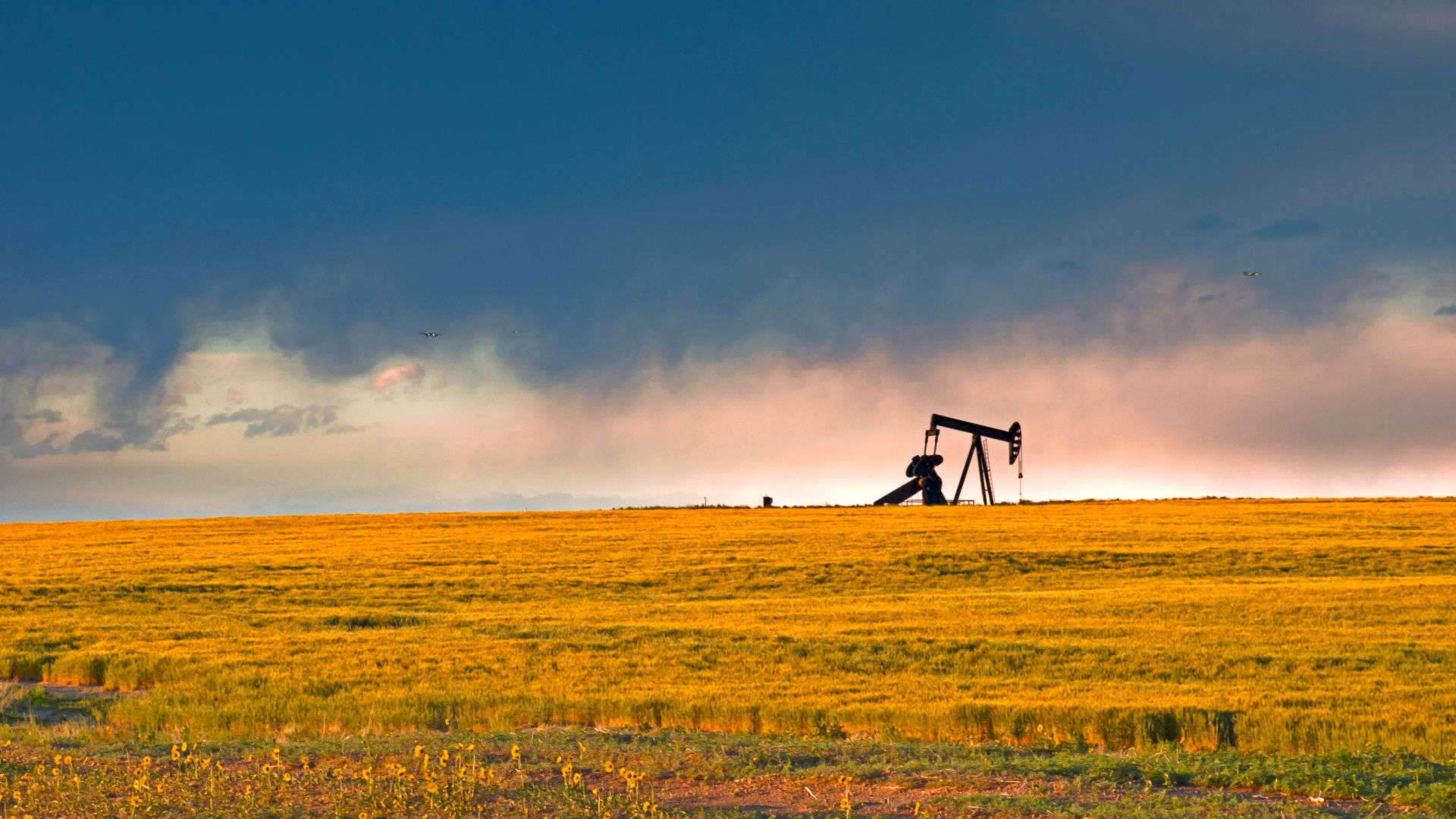

In recent weeks, Coloradans have seen a number of stories in the news that imply the state is short-changing itself on the taxes collected from natural gas and oil operations. Nothing could be further from the truth.
To look at revenue streams through a singular lens oversimplifies the subject, particularly when comparing Colorado’s tax structure to other states. For example, while North Dakota does not impose ad valorem taxes on oil and natural gas production, Colorado does and, often, at a high rate. This results in hundreds of millions of dollars per year going directly into the communities in which energy development occurs, and makes those energy-producing communities far less dependent on severance-tax distributions from the state.
By no means is the natural gas and oil industry escaping taxation or avoiding financial obligations. Quite the opposite: every single barrel of oil and thousand cubic feet of natural gas produced in Colorado is subject to ad valorem and severance taxes in addition to a conservation mill levy.
Colorado’s state government is highly dependent on revenue generated from the natural gas and oil industry, regardless of fluctuations. For example, buried in the Department of Natural Resources’ share of severance tax distributions is a majority of the funding for the Colorado Oil and Gas Conservation Commission, the body that regulates industry operations in the state.
Further, this revenue has significant local impact. Fully 82 percent of all natural gas and oil revenue goes directly into the communities in which production occurs. Severance tax direct distributions land straight in county coffers. Weld County, for one, is debt-free precisely because of revenue generated from production in the county. These crucial dollars fund everything from roads, to schools, to first responders and hospitals. Communities across Colorado depend on the direct, local tax contributions of the natural gas and oil industry.
We agree that Colorado’s system of taxation on natural gas and oil production is complicated, perhaps needlessly so. But to suggest that the industry pays anything less than its fair share does not address the full picture. We welcome efforts to streamline the process, but we’d prefer that it not come at the expense of local communities that rely upon this crucial revenue.
Lynn Granger is executive director of the Colorado Petroleum Council, a division of the American Petroleum Institute, whose more than 600 members produce, process, and distribute most of the nation’s energy.


If only walls could talk in Colorado governor’s office | Dick Wadhams
Dick Wadhams
dick-wadhams@coloradopolitics.com
Updated 8 hours ago
Restoring the office of the governor in the Colorado State Capitol to its historic glory was a worthy project despite its cost. There is probably never a good time to spend $2.4 million on such a restoration but it is...

TABOR and the Colorado Constitution’s fiscal Gordian Knot | Miller Hudson
Miller Hudson
miller-hudson@coloradopolitics.com
Updated 8 hours ago
A corporate president advised me once there are two kinds of lawyers: “those who tell you why you can’t do things and those who figure out how to get things done anyway.” He only hired the latter. Since the adoption...

Fierce, capable women at the Super Bowl of livestock shows | Rachel Gabel
Rachel Gabel
rachel-gabel@coloradopolitics.com
Updated 8 hours ago
The first cattle to show in the CoBank Arena in the Sue Anschutz-Rodgers Livestock Center at the National Western Stock Show were the Herefords of the Catch-a-Calf program. Anschutz is an ardent supporter of the program and a big fan...
Election 2026 will be a big Democratic year, unless President Trump avoids the ‘sixth-year’ jinx | Bob Loevy
Bob Loevy
bob-loevy@coloradopolitics.com
Updated 8 hours ago
Here is analysis of which political party, the Democrats or the Republicans, will win the 2026 general elections for the U.S. Senate and the U.S. House of Representatives next November. Because the U.S. president will not be on the ballot...

Colorado is shrinking — time for our elected officials to take notice | Jon Caldara
Jon Caldara
jon-caldara@coloradopolitics.com
Updated 3 days ago
By Jon Caldara Something strange is happening in Colorado — strange enough that the political class should notice. People are leaving Colorado. After years of being one of the fastest-growing states in the nation, net in-migration has stopped and may...
Capitol M: Return to Gold Dome High, 2026 edition, and a salute to old IU
Marianne Goodland
marianne.goodland@coloradopolitics.com
Updated 4 days ago
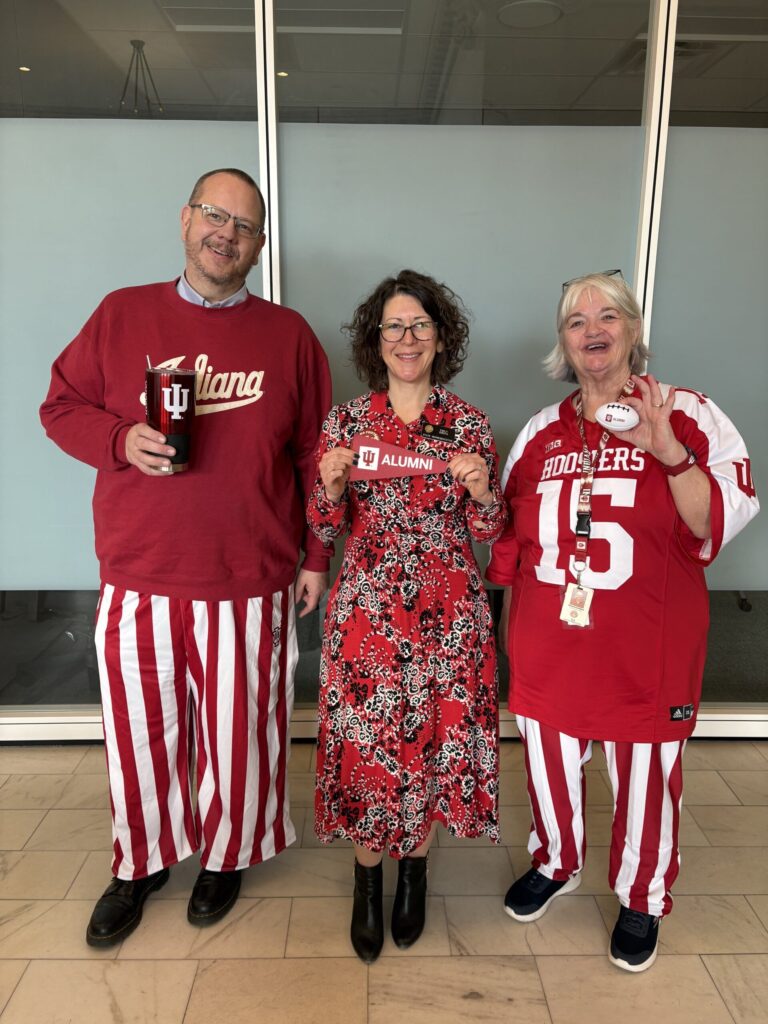
Welcome back, campers! The 2026 legislative session is upon the good citizens of Colorado, and for a few, the first Monday of the session, Jan. 19, was pretty special. There are at least four folks in the Capitol who are...
The biggest accelerant of our political tribalism | SONDERMANN
Eric Sondermann
eric-sondermann@coloradopolitics.com
Updated 5 days ago
In years past, my go-to word in describing our political condition was “polarization.” I used it endlessly and still do on occasion. But as time has moved on, and the divide has only grown in depth and toxicity, polarization no...
The ramifications of President Trump’s pursuit of Greenland | Kelly Sloan
Kelly Sloan
kelly-sloan@coloradopolitics.com
Updated 3 days ago
President Donald Trump has evidently stepped back from his threatened fantasy of invading Greenland — the sovereign territory of a U.S. ally — to which many a sigh of relief has been expressed, including by the markets. There was next...
Let’s find out who’s up to the gubernatorial task post Polis | Paula Noonan
Paula Noonan
paula-noonan@coloradopolitics.com
Updated 4 days ago
Gov. Jared Polis is bold and his policies are bolder than bold. That’s the paraphrase of his State of the State speech to open the 2026 General Assembly and start off his last year in office. His sweeping review of...

We dream, we dare, we decouple — how Colorado turns values into policy | OPINION
Colorado Politics
colorado-politics@coloradopolitics.com
Updated 4 days ago
By Kathy White Gov. Jared Polis’ final State of the State address was a clear victory lap. After eight years as governor, he used the moment to highlight accomplishments, reflect on progress and remind Coloradans what his administration has delivered....
PREV
PREVIOUS

BIDLACK | Conserving Colorado's water begins at home
Hal Bidlack There are lots and lots of important things in the political world. It matters what our leaders do. We listen to candidates to hear what they would do. Government creeps along, always inefficiently (as the Founders intended, but that story must await a future column) and policies come and go. We hear various […]

THE PODIUM | More steps needed to stabilize Colorado's state pension fund
Zachary Christensen Despite the stock market hitting various records, the investments made by Colorado’s public pension system lost money in 2018. The Public Employee’s Retirement Association (PERA), the pension plan for over 600,000 active and retired public workers, recently announced it now has $31 billion in unfunded liabilities, up from $28.8 billion the previous year. […]