

Denver journalists protest encryption of police scanners

Journalists in the Denver area can no longer listen to police scanners, and the adjustment is not going smoothly.
Since the Denver Police Department encrypted its signal July 29, many reporters have expressed concern that the public will not be informed of potentially dangerous situations quickly enough via press releases.
Others have criticized the general decrease in transparency.
“Their insistence on encrypting scanner traffic should … raise important questions about the department’s commitment to transparency,” said Denver Post Editor Lee Ann Colacioppo in a July 29 Post article.
“Police activities filtered through the eyes of the public relations team will never provide the public with an understanding of how police in this city operate when no one is watching.”
9News anchor Kyle Clark similarly noted on his show, “Next with Kyle Clark,” that at a time when public trust in police and media is low, “you build that trust with more transparency, not less.”
Denver Police Chief Paul Pazen said in an interview with Denver7 that public safety was the main motive for the encryption.
“It creates safety hazards for the community that is reporting crime or someone who is the victim of crime, and it also creates a safety issue for our officers that are trying to address the crime,” Pazen told Denver7.
Police have agreed to news outlets gaining access to scanners – on their terms.
Negotiations regarding these terms appear to be at a standstill, with neither side willing to compromise on two major clauses.
One: Any city representative must be allowed to examine pertinent documents held by the participating news organization related to its use of the scanner.
Two: Any participating news organization must be required to cover the city’s legal costs in the event of legal action resulting from information gathered via the scanner.


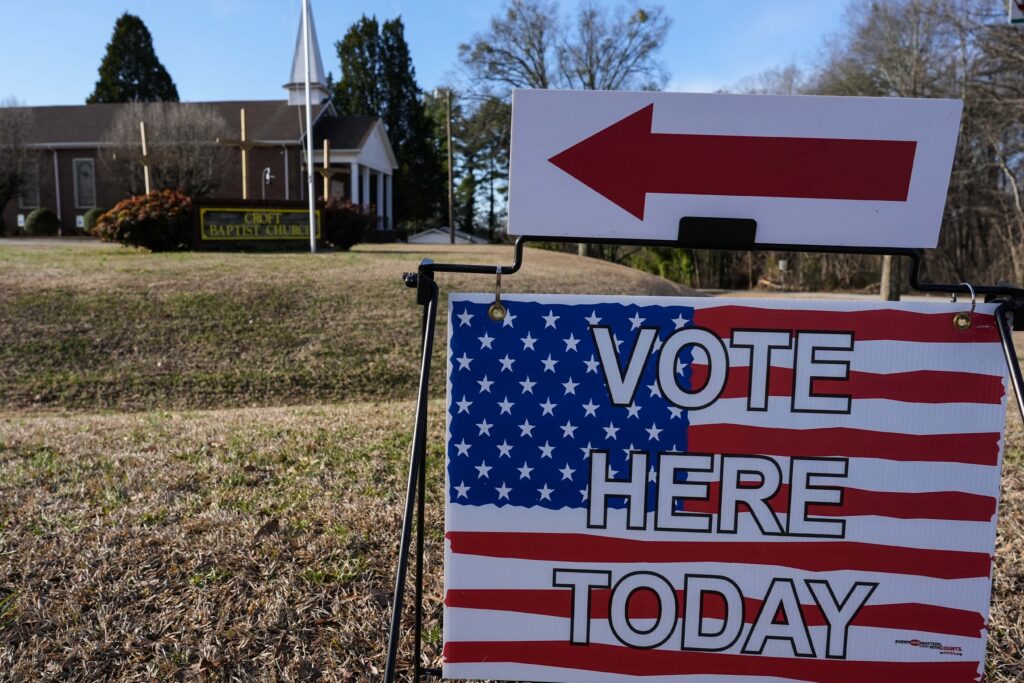
It’s time to let unaffiliated voters caucus | Vince Bzdek
Vince Bzdek
vince.bzdek@gazette.com
Updated 8 hours ago
There’s no getting around it: Colorado’s 3,000 county caucuses, which just wrapped up recently, left half the electorate out in the cold. Since unaffiliated voters now make up 51% of all Colorado voters, a majority of Colorado electors are barred...
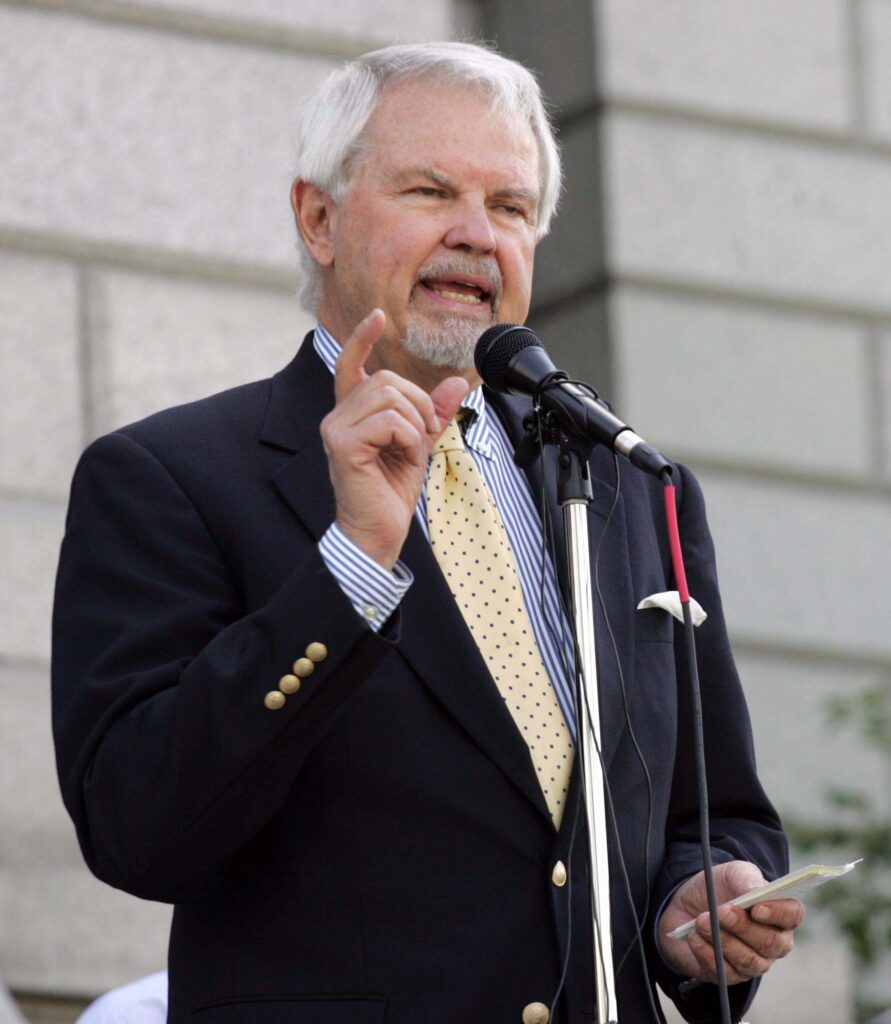
Governor warns energy development both a boon and a risk to Colorado | A LOOK BACK
Rachael Wright, Special to Colorado Politics
rachael.wright@coloradopolitics.com
Updated 3 days ago
Forty-Five Years Ago This Week: “The real opportunity and the dangers before us are both real,” said Gov. Dick Lamm in his January state of the state address before the Colorado General Assembly. Lamm argued that energy development would continue...
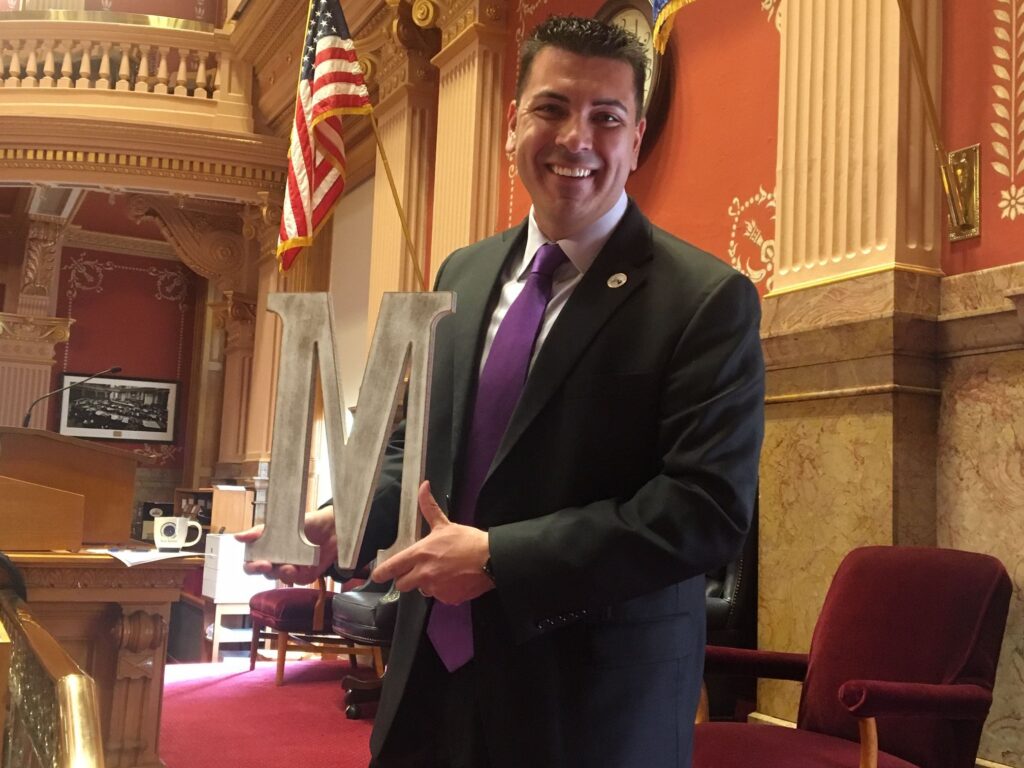
A Mile High, again: Capitol M | Week of March 21, 2026
Marianne Goodland
marianne.goodland@coloradopolitics.com
Updated 3 days ago
The lighter side of the Capitol, usually…. Local Journalism Day, except they forgot their very own local journalists. The state Senate on Thursday, March 19, passed a resolution recognizing Local Journalism Day. Everyone voted for it, which is good, because...

Colorado Politics Calendar Mar. 23-29
Rachael Wright, Special to Colorado Politics
rachael.wright@coloradopolitics.com
Updated 2 days ago
CoPo’s weekly political calendar will help you find political and public-policy events throughout Colorado. It includes candidate and issue campaign events, public policy meetings, court hearings, state and local party conventions, assemblies, debates, rallies, parades, speaking engagements, traveling dignitary appearances,...

The insular bubble of caucuses and assemblies | SONDERMANN
Eric Sondermann
eric-sondermann@coloradopolitics.com
Updated 2 days ago
Nearly 30 years ago, then-Federal Reserve Chairman Alan Greenspan coined the term “irrational exuberance” to describe the overheated stock market. That descriptive phrase could also apply to much of the political realm. The hype in politics often grossly exceeds the...

Lauren Boebert’s hard ‘no’ on Pentagon Iran funding request puts Mike Johnson in tough spot
Emily Hallas, Washington Examiner
emily.hallas.washington.examiner@gazetteedit.wpenginepowered.com
Updated 1 day ago
Colorado U.S. Rep. Lauren Boebert announced on Thursday that she will not support further funding for the United States’s war in Iran, marking an uphill battle for the Trump administration’s effort to secure additional financing from Congress. “I’ve already told...

Rubio gains ground in 2028 jockeying as Iran war elevates his profile
Samantha-Jo Roth, Washington Examiner
samantha-jo.roth.washington.examiner@gazetteedit.wpenginepowered.com
Updated 1 day ago
Secretary of State Marco Rubio’s high-profile role in the Trump administration’s response to the Iran war is boosting his standing in the early jockeying for the 2028 Republican presidential nomination — and positioning him as a possible rival to Vice...

Federal judge dismisses claims against medical contractor for Eagle County jail suicide
Michael Karlik
michael.karlik@coloradopolitics.com
Updated 1 day ago
A federal judge dismissed the claims against a medical contractor for the Eagle County jail and its employees earlier this month, concluding there were insufficient allegations that they violated the constitutional rights of a man who died by suicide in...

Colorado Senate committee advances bill increasing overtime threshold for farmworkers
Marianne Goodland
marianne.goodland@coloradopolitics.com
Updated 47 minutes ago
The struggle to balance farmworker protections with the survival of Colorado’s family farms took center stage Thursday as senators debated two competing overtime bills. The Senate Business, Labor and Technology Committee held a rare double-bill hearing that led to a...

Colorado bill to fund mental health by raising alcohol taxes defeated in House committee
Marissa Ventrelli
marissa.ventrelli@coloradopolitics.com
Updated 4 hours ago
Colorado legislators on Wednesday narrowly rejected a second measure that would raised taxes on alcohol products in order to fund mental health care treatment in the state. Proponents said the new revenue is necessary to help pay for mental health...
PREV
PREVIOUS

Colorado Springs might require residents, businesses to get bear-resistant trash cans
COLORADO SPRINGS ? A proposed ordinance that would require bear-resistant trash cans west of Interstate 25 will be discussed during two town halls this month with City Council members. The ordinance could have a financial effect on residents and businesses. But if waste receptacles already are kept in a secured area, the proposed ordinance would […]

Leaders of Denver’s closed Imaginarium say school test scores, bureaucracy are stifling innovation
The Denver school district’s intense focus on test scores makes it nearly impossible to spread teaching practices that would improve education. That was the conclusion reached by district staffers who spent years in the Imaginarium, an office dedicated to fostering innovation in Denver schools. The district closed the office earlier this year, in part to […]