

OUT WEST ROUNDUP | Dodge City moves its only polling place outside town
Here’s a roundup of news from Colorado’s neighbor states.
Iconic Dodge City moves its only polling place outside town
WICHITA, Kansas – Access to the ballot box in November will be more difficult for some people in Dodge City, where Hispanics now make up 60 percent of its population and have remade an iconic Wild West town that once was the destination of cowboys and buffalo hunters who frequented the Long Branch Saloon.
At a time when many rural towns are slowly dying, the arrival of two massive meatpacking plants boosted Dodge City’s economy and transformed its demographics as immigrants from Mexico and other countries flooded in to fill those jobs.
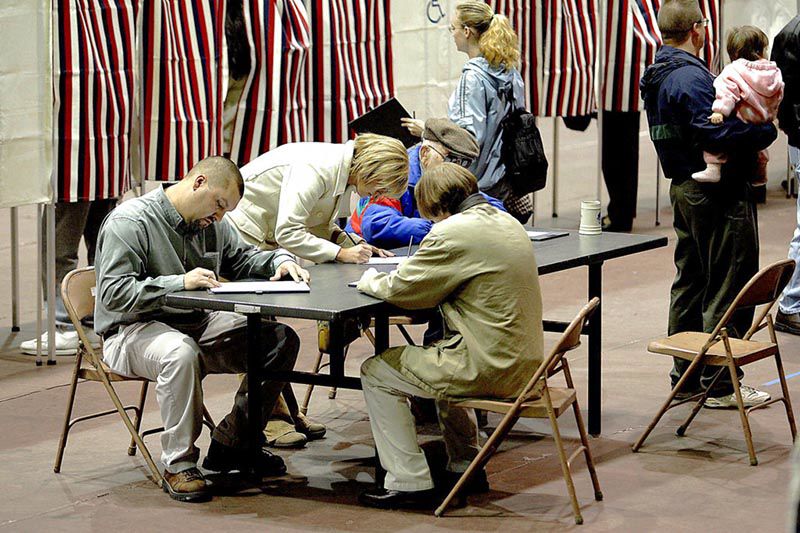
But the city has only one polling site for its 27,000 residents. Since 2002, the lone site was at the civic center just blocks from the local country club – in the wealthy, mostly white part of town. For this November’s election, local officials have moved it outside the city limits to a facility more than a mile from the nearest bus stop, citing road construction that blocked the previous site.
Hispanic voters tend to vote Democratic and could be a factor in Kansas’ tight governor’s race featuring a champion of immigration restrictions, Republican Kris Kobach, against Democratic state Sen. Laura Kelly.
Some local voters and the American Civil Liberties Union have long criticized the use of a lone Dodge City polling site even before its move just weeks before the midterm election.
That single polling site services more than 13,000 voters in the Dodge City area, compared to an average of 1,200 voters per polling site at other locations, said Micah Kubic, executive director of the ACLU in Kansas.
Dodge City voters sometimes have to wait more than an hour in line to vote, and freight trains frequently block intersections at railroad tracks that split the town, Dunlap said.
State’s message for tourists? ‘It’s not for everyone’
LINCOLN, Nebraska – Nebraska’s no longer nice, at least in its next tourism campaign. The new sales pitch has a decidedly self-deprecating bent: “Nebraska. Honestly, it’s not for everyone.”
The slogan, which the Nebraska Tourism Commission unveiled in mid-October, will replace the current “Through My Eyes” campaign this spring, the commission said.
State tourism director John Ricks told the Omaha World-Herald that because Nebraska consistently ranks as the least likely state tourists plan to visit, the marketing campaign needed to be different.
“To make people listen, you have to hook them somehow,” Ricks said. “We had to shake people up.”
Nebraska has used several slogans in its efforts to entice tourists, including, “America’s Frontier,” “My Choice, Nebraska” and “Nebraska … the good life.”
The slogan that debuted in 2014 was: “Visit Nebraska. Visit nice.”
One of the new video ads that will begin running next spring opens with a boy peering through oversized glasses into the camera. The background music is quirky.
Then comes a voice: “Nebraska is kind of like that odd kid. Didn’t say much in school. Slightly peculiar maybe. But when you took the time to get to know him, turned out he was pretty interesting.”
Ricks said that “the perception of a place to visit in people’s heads is more important than the things to see and do when you get there.”
Wildlife official resigns after killing baboon family
BOISE – A top Idaho wildlife official has resigned amid outrage over a photo of him posing with a baboon family he killed during a hunting trip to Africa, ending days of turmoil for a state where big game hunting is popular but critics said the photo was seen as unsportsmanlike by hunting enthusiasts.
Idaho Gov. C.L. “Butch” Otter said in a statement that he asked for and accepted Idaho Fish and Game Commissioner Blake Fischer’s resignation on Oct. 22, three days after the Idaho Statesman newspaper published the first report about a photo of Fischer smiling with four dead baboons propped in front of him.
The photo and others of Fischer and his wife shooting at least 14 animals in Namibia were accompanied by descriptions in an email that Fischer sent to more than 100 recipients.
Fischer has said he did nothing illegal, unethical or immoral. He didn’t apologize for killing the baboons but said in his resignation to Otter that he “recently made some poor judgments that resulted in sharing photos of a hunt in which I did not display an appropriate level of sportsmanship and respect for the animals I harvested.”
The photo drew condemnation from longtime Idaho hunters, including Otter, 76, who said it hurts Idaho’s reputation as a hunting and fishing paradise.
Fischer and his wife during their Africa trip also killed a giraffe, a leopard, an impala, a sable antelope, a waterbuck, a kudu, a warthog, a gemsbok and an eland.
The commission Fischer served on makes policy decisions about Idaho’s wildlife, and it often manages game populations through hunting and fishing regulations.
Grizzly attacks hunter in mountains north of Yellowstone
HELENA, Montana – A grizzly bear attacked an elk hunter who surprised the sow and her cub north of Yellowstone National Park, with the bear sinking her teeth into his arm and clawing his eye before another hunter drove her off, the victim recounted.
The mauling of Bob Legasa, 57, in the Gallatin National Forest on Oct. 13 was at least the seventh bear attack on a human since May in the Northern Rocky Mountains.
Legasa, awaiting his second surgery, said in a phone interview from his hospital room in Bozeman, Montana, that he and his hunting partner were moving toward some elk when he heard a growl.
It was a 2-year-old cub and its mother about 12 yards away from the tree that he had just stepped away from. After the cub growled and moved aside, its mother charged, Legasa said.
“I was hoping it was going to be a bluff charge, and halfway through I realized it was going to be the real deal,” he said.
The bow hunter from Hayden, Idaho, didn’t have time to reach for his bear spray; he barely had time to raise his arms in front of his face.
The grizzly bit his hand, leaving puncture wounds and breaking a bone in his forearm. The sow clawed at his eye, leaving a bloody gash across the bridge of his nose.
His partner and hunting guide, Greg Gibson, discharged bear spray and the grizzly let go. Legasa pulled out his own spray, but inadvertently sprayed himself with the Mace-like mist.
Less than three weeks earlier, the two men made a bear spray safety video for Gibson’s Montana Guide Service, Legasa said. Now, both were on the ground, blinded by bear spray.
The men were eventually able to get back to their truck and drove to a hospital.
Montana Fish, Wildlife and Parks officials said in a statement that the bear’s response was normal for a sow with a cub encountering a human at close range.
It was the most recent in a spate of bear encounters in Wyoming and Montana, several of which have happened during hunting season when hunters look for deer and elk in bear habitat.
University of New Mexico professor pay among nation’s lowest
ALBUQUERQUE – Salaries for professors at New Mexico’s largest university rank among the lowest in the nation and school officials have said that is hurting the college’s efforts to retain professors and attract new ones.
More than half of the engineering faculty at the University of New Mexico would need raises to reach the 25th percentile for pay nationally, the Albuquerque Journal reports.
And 80 percent of professors in the university’s College of Fine Arts earn less than 25 percent of the national average, according to data from the College and University Professional Association for Human Resources.
University of New Mexico President Garnett Stokes said the salary disparities leave the school vulnerable to professor poaching.
“Our faculty who are at the junior level are often picked off before we can even get them into the tenure process,” the president said.
Records show the school’s assistant professor ranks have fallen by 26 percent since fiscal year 2015.
Stokes attributed that to financial conservatism in lean budget years.

Appeals court upholds limits on warrantless ICE arrests at churches
Kaelan Deese
kaelan-deese@coloradopolitics.com
Updated 44 minutes ago
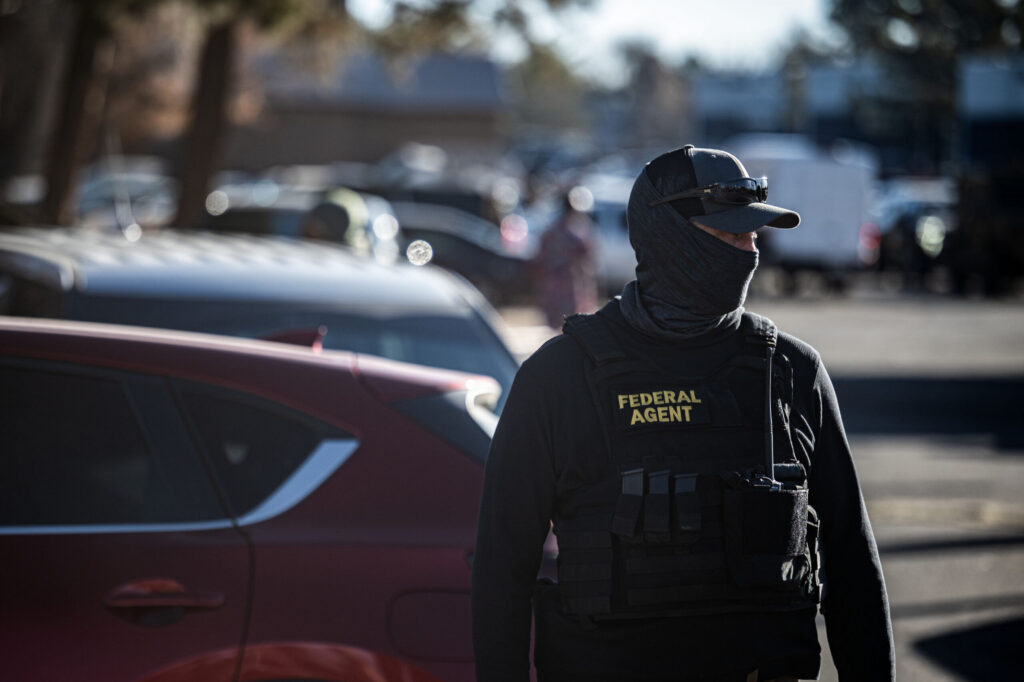
A federal appeals court on Tuesday upheld limits on warrantless U.S. Immigration and Customs Enforcement arrests at churches affiliated with a coalition of religious groups, ruling that the Trump administration’s policy likely violated a federal religious freedom law. The 4th...

Wheat Ridge considering e-bike, scooter ordinances as usage increases in city
Matt Kyle
matt.kyle@denvergazette.com
Updated 2 hours ago
Wheat Ridge may soon pass regulatory ordinances on e-bikes as city officials say usage of such devices has increased within the city. The measures are proactive as e-bike usage has increased across the Denver metro area, according to city officials,...
Denver revenues rise despite expectations for flat year
Nico Brambila
nico.brambila@denvergazette.com
Updated 2 hours ago
Five weeks after Denver said it expected revenues to remain flat heading into 2027, stronger-than-expected collections are prompting finance officials to signal they may raise this year’s revenue forecast. General Fund revenue was up 2.3% through June compared with the...

Judicial performance evaluations released, Montezuma County judge disciplined | COURT CRAWL
Michael Karlik
michael.karlik@coloradopolitics.com
Updated 20 hours ago
Welcome to Court Crawl, Colorado Politics’ roundup of news from the third branch of government. Colorado’s citizen-led judicial performance commissions released their voter narratives for the judges standing for retention in November, plus a disciplinary panel imposed consequences on a...
Colorado House Democrats’ caucus finances under scrutiny as ethics case against leader advances
Marianne Goodland
marianne.goodland@coloradopolitics.com
Updated 20 hours ago
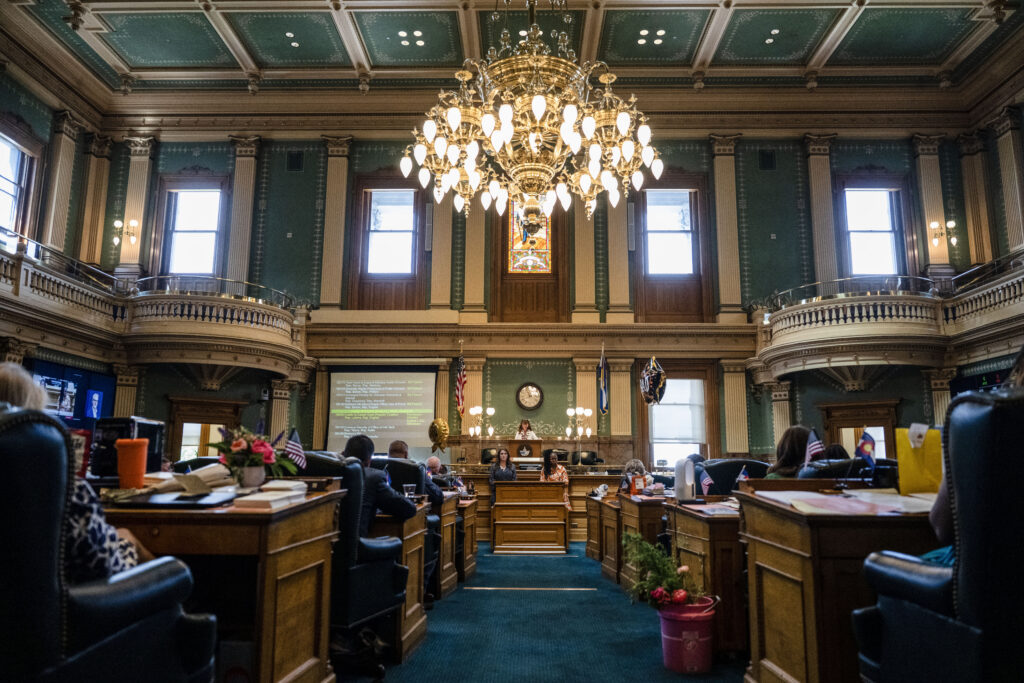
Democratic lawmakers told a legislative ethics panel that a leader’s management of caucus finances left them with unanswered questions, disputed reimbursements and a breakdown in communication that ultimately triggered a formal complaint. The House Ethics Committee is examining a complaint...
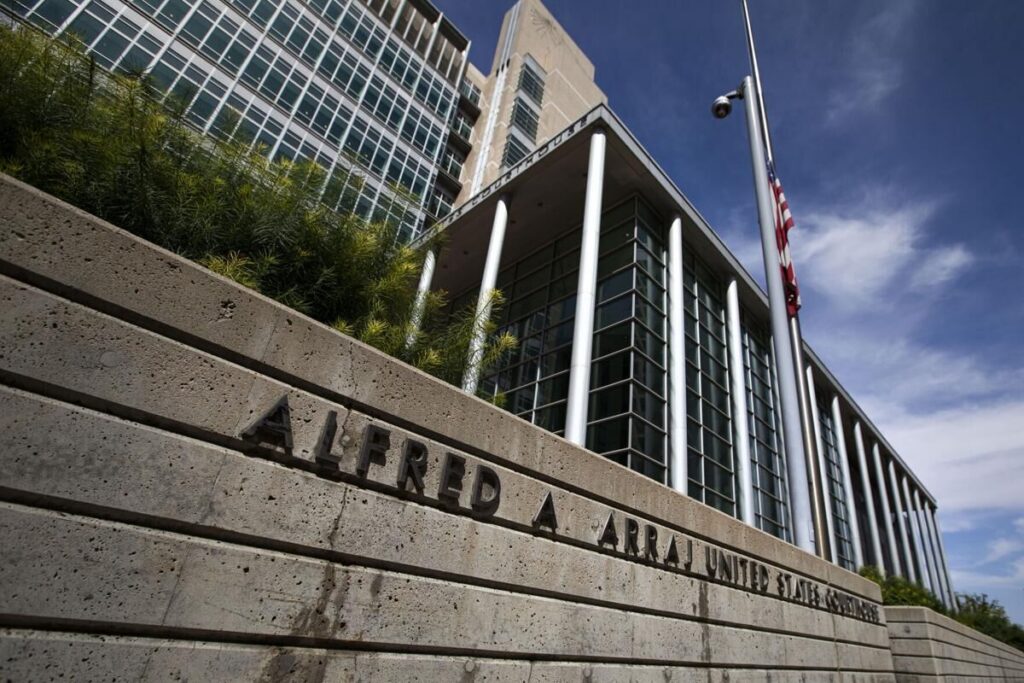
Federal judge holds off on dismissing formerly bankrupt medical contractor from Jeffco jail death lawsuit
Michael Karlik
michael.karlik@coloradopolitics.com
Updated 22 hours ago
A federal judge declined on Monday to dismiss the formerly bankrupt medical contractor from a lawsuit over a detainee’s death in Jefferson County jail, but indicated she would do so if the plaintiffs’ attorneys go through the process to ensure...
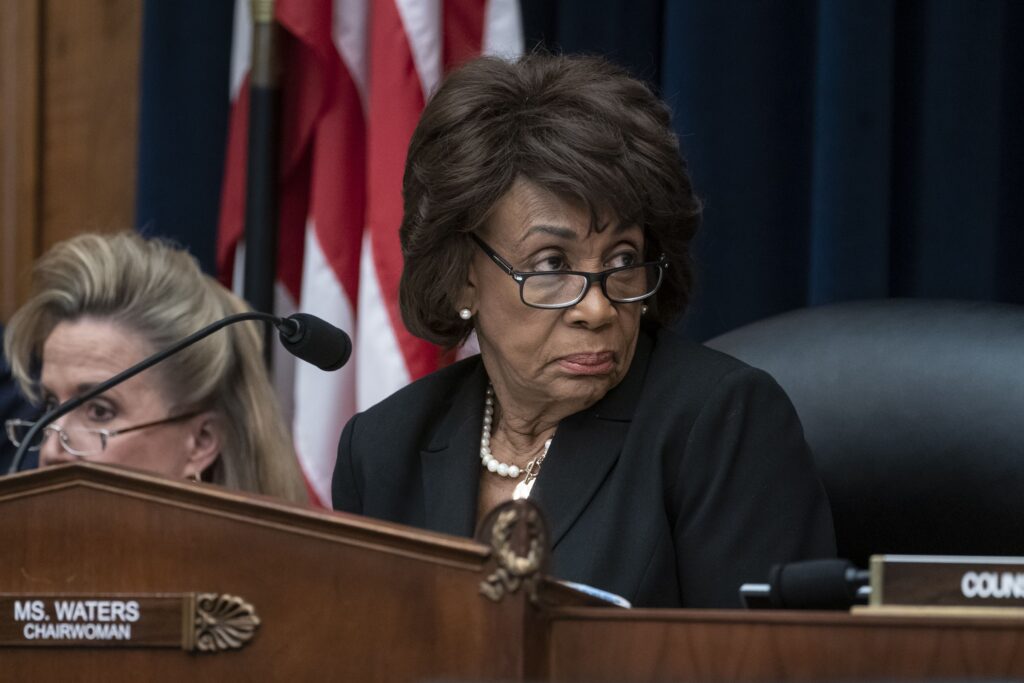
Here are the 10 oldest members of Congress running for reelection
Lauren Green
lauren-green@coloradopolitics.com
Updated 23 hours ago
Capitol Hill has long been called a “retirement home,” as well over 100 House members and half the Senate are over the age of 65. That reputation doesn’t look due to change anytime soon — there are currently more than...
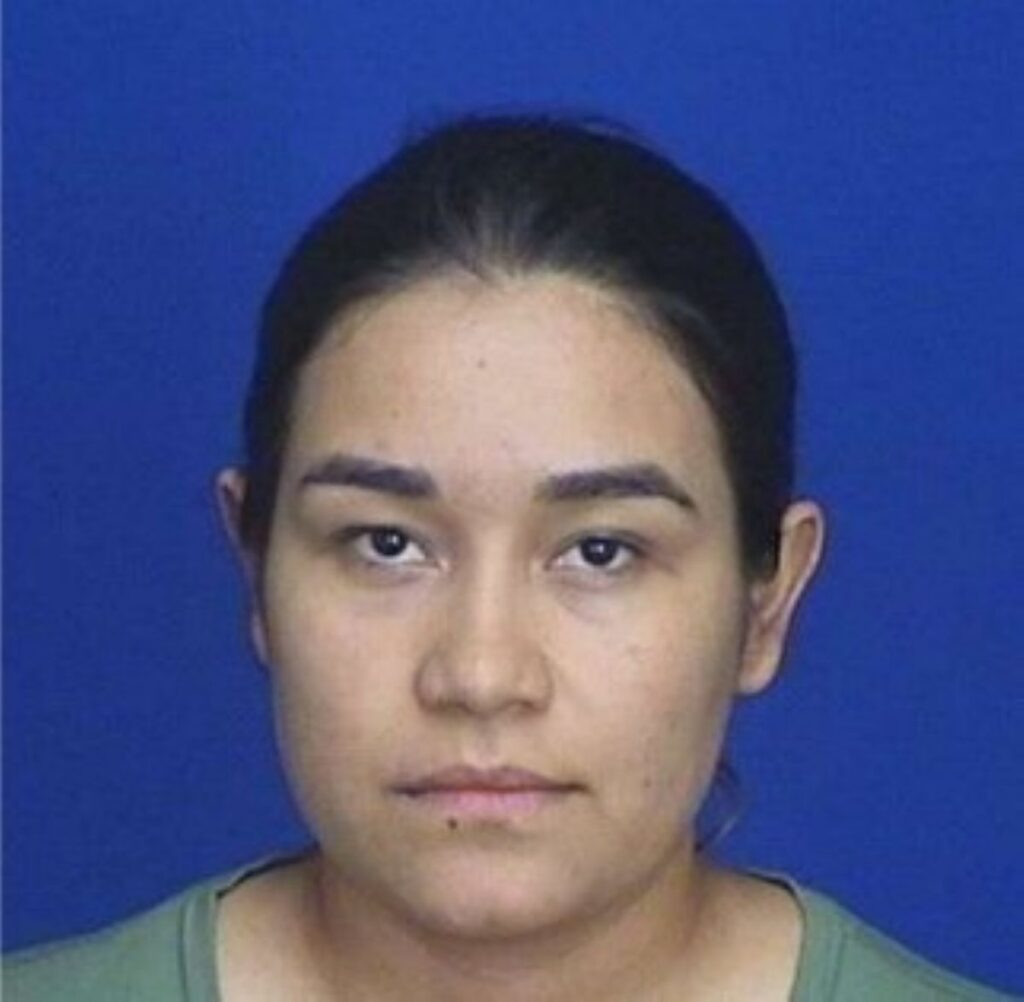
Castle Rock caregiver sentenced after stealing more than $110,000 in jewelry from family
Nicholas Fogleman
nicholas.fogleman@denvergazette.com
Updated 2 hours ago
A judge sentenced a Castle Rock caregiver to 90 days in jail after she pleaded guilty to stealing more than $110,000 worth of jewelry from the family of a disabled son under her care. Elsa Montejo-Fuentes, 32, had worked for...
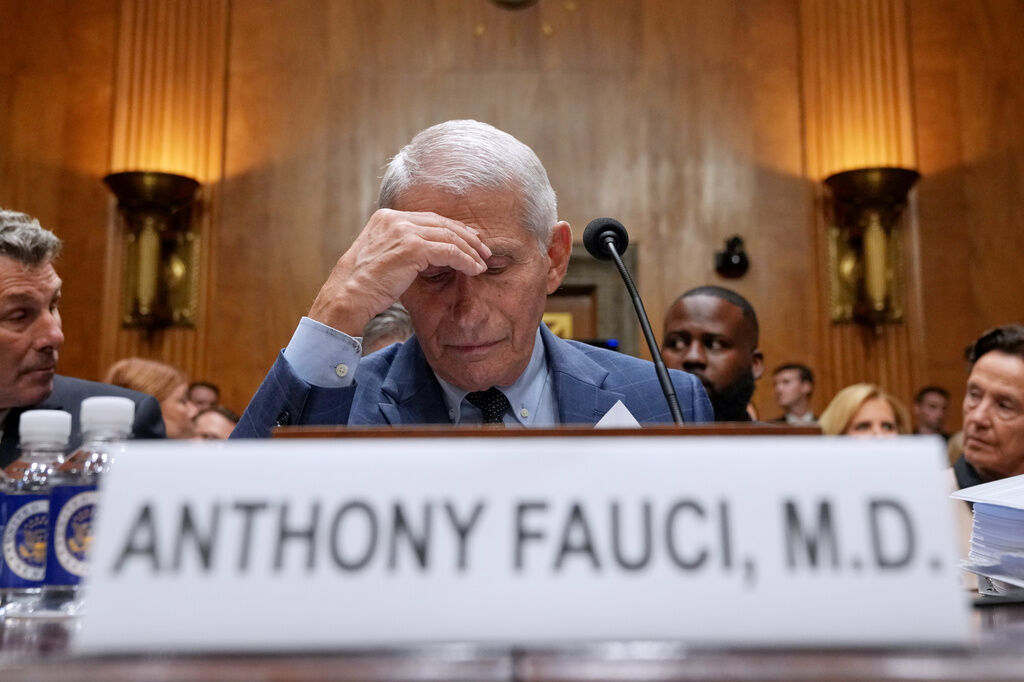
Fauci ignored reports of COVID vaccine side effects, new documents show
Gabrielle M. Etzel
gabrielle-m-etzel@coloradopolitics.com
Updated 1 day ago
Dr. Anthony Fauci was made aware of possible COVID-19 vaccine complications by other senior-level public health officials in early 2021, according to new emails and text messages released by Senate Republicans on Sunday. Documents released by Sens. Rand Paul (R-KY)...
Majority of Americans say they’re worse off financially since Trump took office again: Poll
Emily Hallas
emily-hallas@coloradopolitics.com
Updated 1 day ago
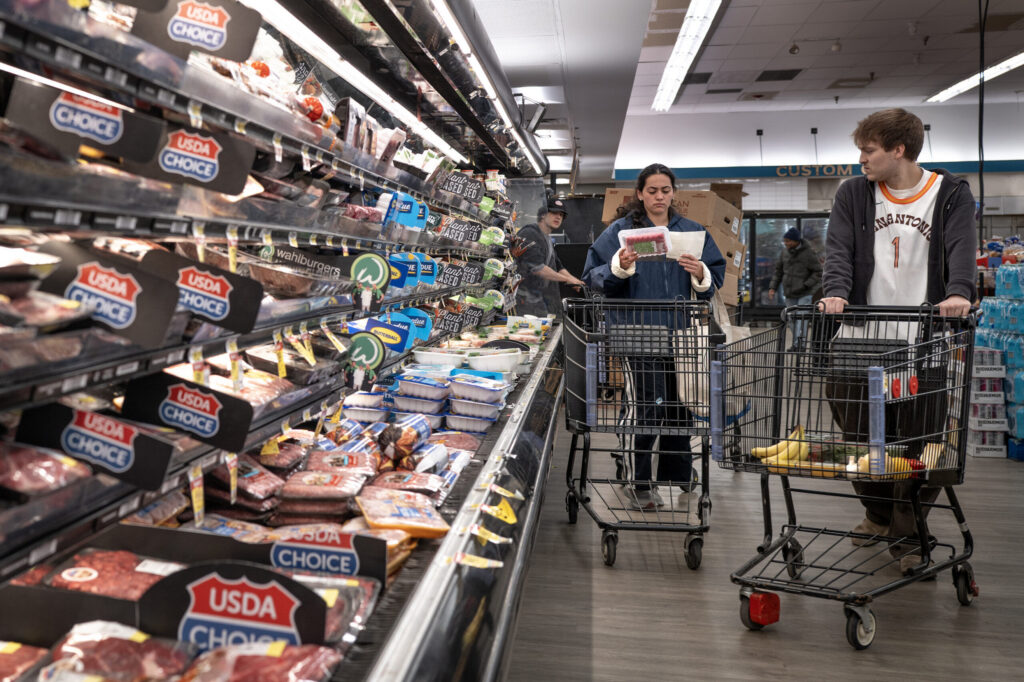
The majority of the public believes they are worse off financially than when President Donald Trump won a second term nearly two years ago, according to a new poll that painted an ominous picture of Republicans’ electability in the 2026...
PREV
PREVIOUS
In a legislative race where guns are key issue, police union endorses the Democrat
The Colorado Fraternal Order of Police, the state’s largest police union, Wednesday announced it has endorsed Democrat Tom Sullivan for the state House District 37 seat in Centennial over the Republican incumbent, Cole Wist. Both candidates have made a name for themselves on gun issues, with Sullivan losing a son in the 2012 Aurora theater […]

Ballot initiatives buck legislatures in GOP-leaning states
Marijuana legalization. An increase in the minimum wage. Expansion of Medicaid. Come Election Day, voters in a batch of Republican-dominated states will weigh in on these and other liberal or centrist proposals that reached the ballot after bypassing state legislatures. Pushed forward via signature-gathering campaigns, these measures offer a chance for voters to do things […]