

Insights: Sexual harassment victims and accusers deserve a better process
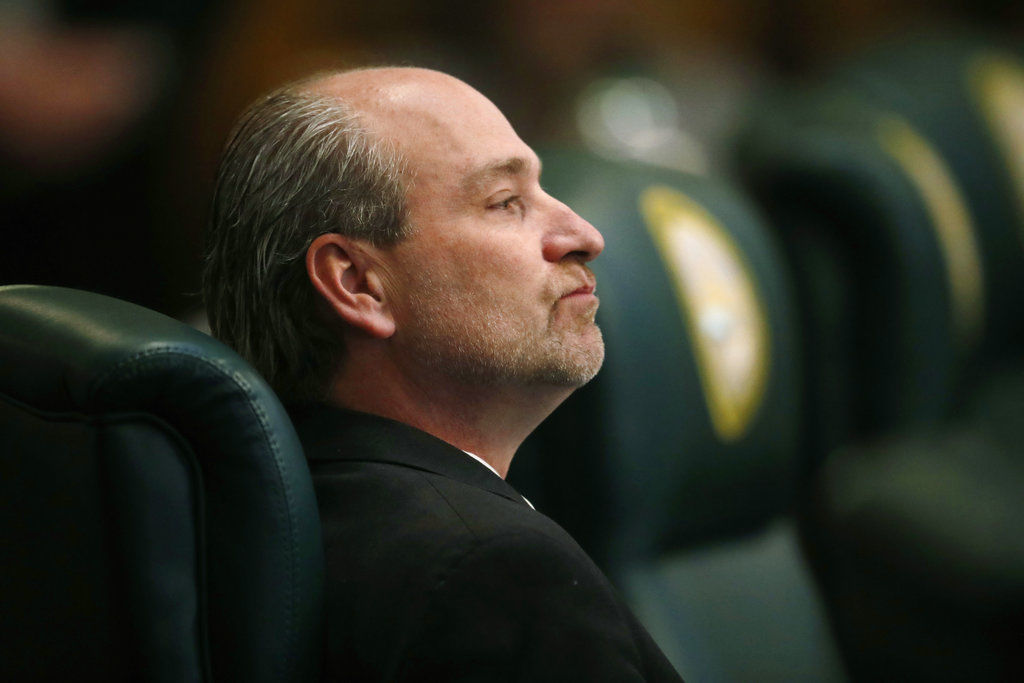
“There is a cultural shift happening,” Colorado House Speaker Crisanta Duran of Denver tweeted the day Rep. Steve Lebsock was expelled from the legislature, the second state lawmaker nationally to be swept away by the #MeToo tide.
Lebsock quickly left the building. Thanks, Steve, said no one. It was an agonizing seven hours of testimony about his behavior toward women, continuing after he was accused of sexual harassment. Several legislators urged him to quit, to spare himself and the chamber the ordeal of having to deal with it. The number of accusers, the number of allegations and the number of times Lebsock sought to retaliate ultimately delivered a landslide vote against him.
This shift Duran tweets of is more like an earthquake, one that’s unsteady in the political arena, a place where people abuse power but one where facts also get folded into origami and presented as something else.
When he said/she said accusations are made, a cloud of doubt hangs over everyone and that’s fair to no one.
Two blocks west of the Capitol at Denver’s City and County Building, the same week Lebsock was facing expulsion, Mayor Michael Hancock saw his political star overshadowed recently by his own 6-year-old text messages.
Unlike Lebsock, the mayor acknowledged his bad judgment in sending sexually suggestive texts to a Denver detective who worked then as his body guard. He had supported Detective Leslie Branch-Wise when she accused another member of his staff of sexual harassment the same year as he was telling her how hot she looked. Neither side says he touched her, but she called his sexually charged attention crushing.
For Hancock, time and voters will be his judge. His re-election day won’t happen until 2019, the only recourse for those such as the Denver police union who want him gone.
Beyond voters, sexual harassment at the Capitol lacks a process that’s fair in determining who is a predator, who has bad judgment, who flirts badly or who has determined enemies.
In politics, everyone has enemies. The way the legislature arrives at is decision on sexual harassment is a disservice to those who speak up, as well.
Here’s how it works now.
One outside investigator talks to everyone, looks at evidence, then makes the determination on credibility, a low standard of who is “less-likely” or “more-likely” to be telling the truth. That’s not guilty or innocent. The investigator isn’t determining if the allegations amount to sexual harassment.
That’s the “employer’s” job in such cases. In this case, the employer is us, the taxpayers, the citizens of the state. And we elected legislators to represent us as jurors in this court of opinion.
This was not a court of law. Reading emails from witnesses. as happened on the House floor, wouldn’t pass as testimony. Nearly the entire room would have been forced to recuse themselves for conflicts of interest.
During the run-up to the expulsion, Senate Republicans asked Denver District Attorney Beth McCann, a former Democratic House member, to step in and investigate whether sexual assault laws would apply. House Republicans wanted to hold legislative hearings to question witnesses and to weigh political conflicts of interest before rendering a decision on credibility and fairness.
Only in extremely cases do demeaning remarks and coercing someone for sex rise to the criminal level. Those offenses are tried in civil court and in the public arena. No one goes to jail for telling a dirty joke.
In either court – opinion or law – Steve Lebsock had a fool for a client. He made his case easy to decide, 52-9.
Rep. Cole Wist, the assistant House majority leader and a skilled lawyer, likely tipped the argument against Lebsock when he said it was Lebsock’s retaliatory statements against his accusers and his outright political threats were more than enough to compound any unproven allegations against him.
But without a process that rises above politics, we’re left with tyranny, Wist also maintained
House Majority KC Becker of Boulder said that before this case, Lebsock was one of her best friends in the statehouse.
“I know it’s been imperfect,” she said to the House about the flawed process to ensure justice for all in future sexual harassment cases. “I look forward to working with all of you to change that soon.”
Accusers and accused deserve not to be doubted under the shade of politics. Both deserve the best process possible, not the one they have.
“This has been anything but the highest standard,” Lebsock told the House before it voted him out. “In fact, it’s been the lowest standard.”
He should know.
Editor’s note: This story was corrected to say the Denver City and County Building is west of the Capitol, not south.

US Rep. Lauren Boebert calls for override vote after Trump vetoes bipartisan Colorado water bill
Marianne Goodland
marianne.goodland@coloradopolitics.com
Updated 21 minutes ago
President Donald Trump issued the first veto of his second term, blocking a long-awaited bipartisan effort to finish a southeastern Colorado water project that supporters say is critical to delivering clean drinking water to roughly 50,000 residents of the lower...

From Pope Francis to Charlie Kirk, many deaths in 2025 had a wide impact
Bernard Mcghee
bernard.mcghee@associatedpress.com
Updated 2 hours ago
The death of Pope Francis brought change to the Catholic Church, which counts 1.4 billion adherents and is now led — for the first time — by an American pope. The fatal shooting of conservative activist Charlie Kirk as he...
Ben Campbell, former US senator from Colorado and advocate for Native American rights, dies at age 92
Ernest Luning
ernest.luning@coloradopolitics.com
Updated 14 hours ago
Former U.S. Sen. Ben Nighthorse Campbell, who represented Colorado for two terms beginning in 1993 and was the first Native American elected to the chamber since the 1920s, died Tuesday, his family and close associates confirmed. He was 92. Campbell,...
A year of developments in the CBI forensic lab scandal
Jenny Deam
jenny-deam@coloradopolitics.com
Updated 2 hours ago
As the scandal at the Colorado Bureau of Investigation forensic lab moved through its second year, a series of startling developments and revelations emerged with no clear end in sight and the full toll still unknown. At the heart of a scandal unlike any before in state history,...
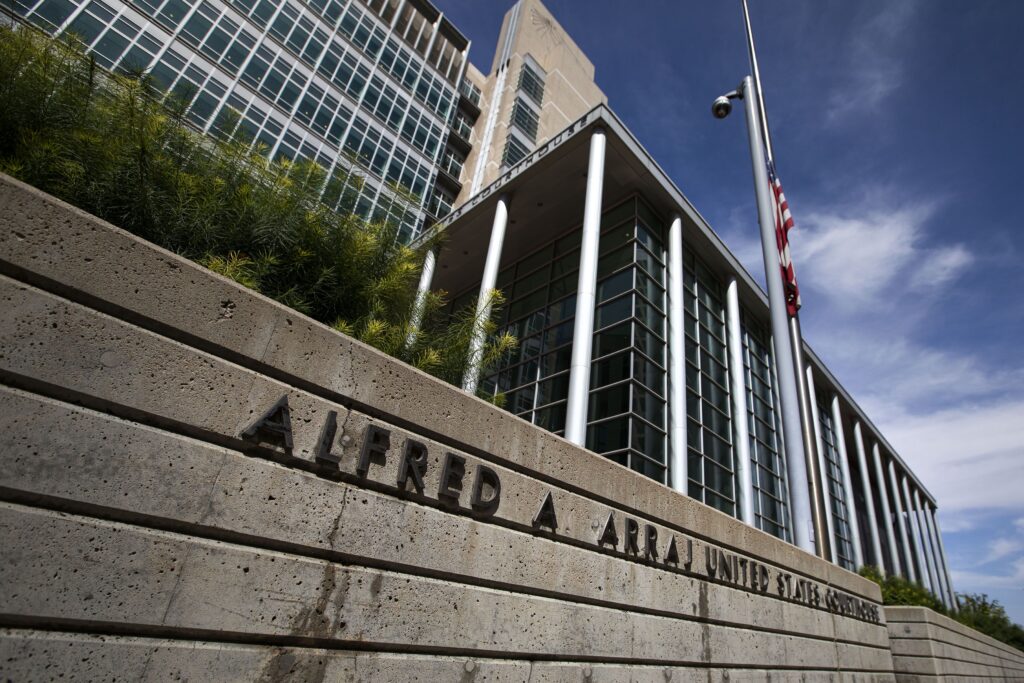
Federal judge sides with Douglas County School District in ex-admin’s discrimination lawsuit
Michael Karlik
michael.karlik@coloradopolitics.com
Updated 19 hours ago
A federal judge concluded last week that a former high school administrator had not proven his claims of religious discrimination against the Douglas County School District. Corey McNellis had worked at Ponderosa High School since 2002 and served as the athletic...
Appeals court orders new menacing trial after faulty self-defense instruction
Michael Karlik
michael.karlik@coloradopolitics.com
Updated 21 hours ago
Colorado’s second-highest court ordered a new trial last week for an El Paso County defendant convicted of felony menacing, concluding an erroneous self-defense instruction may have influenced the verdict. Under Colorado law, self-defense is an affirmative defense, meaning the prosecution...
Investment and innovation expected across the defense community in town
Mary Shinn
mary-shinn@coloradopolitics.com
Updated 22 hours ago
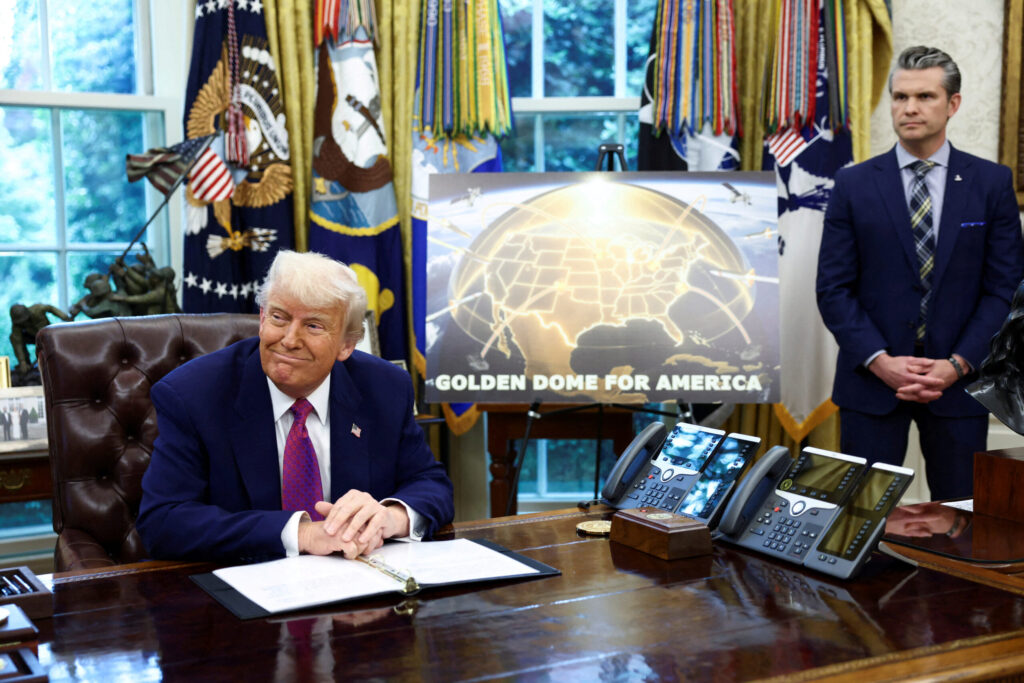
Investment and innovation are on the horizon for the defense community in Colorado Springs over the coming year. In December, the Missile Defense Agency selected 2,100 companies to compete for work on Golden Dome through a contract known as SHIELD...
Colorado eyes shift in particulate oversight amid EV push
Scott Weiser
scott.weiser@gazette.com
Updated 22 hours ago
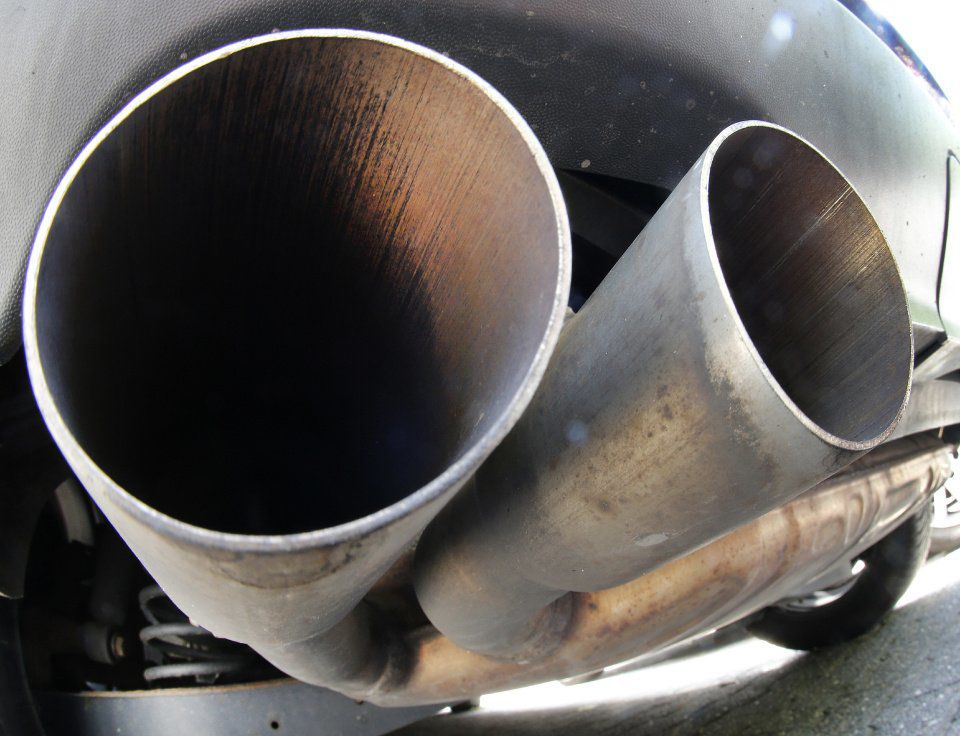
Colorado’s Air Pollution Control Division proposed shifting oversight of solid particulates as small as one-seventh the width of a human hair from federal to state-only authority on Dec. 19, citing more than 20 years of compliance with national standards. The...

Saudi Arabia strikes Mukalla port over ‘extremely dangerous’ actions by ally UAE
Brady Knox, Washington Examiner
brady.knox.washington.examiner@gazetteedit.wpenginepowered.com
Updated 23 hours ago
Saudi Arabia launched airstrikes targeting Emirati equipment unloading at the port of Mukalla in Yemen on Tuesday after accusing its ally of “extremely dangerous” actions, a major escalation in the war-torn nation. After weeks of high tensions following the Emirati-backed...
Trump’s latest funding cuts dampen bipartisan dealmaking in 2026
Ramsey Touchberry, Washington Examiner
ramsey.touchberry.washington.examiner@gazetteedit.wpenginepowered.com
Updated 22 hours ago
Senate Republicans are optimistic about bipartisanship beyond healthcare next year, despite the looming midterm elections, but some of President Donald Trump’s latest actions could thwart the appetite for deal-making. The administration is dismantling a federal climate center and halting construction...
PREV
PREVIOUS
Democratic congressional candidate Stephany Rose Spaulding turns in nominating petitions
Congressional candidate Stephany Rose Spaulding, one of five Democrats running for the seat held by Republican U.S. Rep. Doug Lamborn, on Monday turned in petitions bearing just over 1,500 signatures to the secretary of state’s office, her campaign said. Spaulding is the third candidate – and the first Democrat – in the 5th Congressional District […]

Colorado Senate Republicans: Still a 'NO' on banning bump stocks, but yes to RMGO money
The Trump administration is OK with a ban on bump stocks. The Florida Legislature, despite opposition from the National Rifle Association, last week approved a package of gun control measures, including a ban on bump stocks that increase the firing capacity of normal rifles. Colorado’s state Senate is a week away from hearing a bill that […]