

The Colorado Springs Gazette: Courts won’t stand for left-wing campus censors
A 2016 study published in Econ Journal Watch documented findings that surprised no one. Liberals outnumber conservatives on college faculties by a ratio of 12-to-1.
Organized students attempt balance by inviting high-profile conservatives to speak on campus. College administrators often shut down the talks for the sake of “public safety.”
The University of California, Berkeley, canceled a speech by Ann Coulter last year because left-wing activists threatened a violent protest. The university chose censorship instead of its responsibility to subdue violence and defend free speech – aka, uphold the law on campus.
More frequently, right-of-center students cancel conservative talks. They do so after university officials hit them with security fees associated with anticipated violence by organized mobs. Think about it this way: A perpetrator calls to threaten a crime, so police levy a fee against the targeted victim.
Berkeley administrators tried to stop a speech by Harvard Law School graduate Ben Shapiro last fall. They billed the university’s Young Americans for Freedom chapter $16,000 in extra security costs, ostensibly to hedge against threatened protests of their speaker. The students fought back and won.
“Every security fee and anti-speech policy contributes the often-mentioned ‘chilling effect’ on campus discourse,” wrote Colorado College student Ian O’Shaughnessy in a Dec. 31 article for the Washington Examiner. “If colleges and universities want to encourage the free exchange of ideas among their students, they must do away with these fees and allow student groups to act, undeterred by administrators.”
Throughout higher education, administrators should learn they cannot legally burden conservative groups financially for bringing minority views to campus. The U.S. Supreme Court made this perfectly clear in its 1992 ruling in Forsyth County v. Nationalist Movement, where the majority said “Speech cannot be financially burdened, any more than it can be punished or banned, simply because it might offend a hostile mob.”
A ruling last week provides hope courts will enforce the law against hostile schemes designed to silence free speech on campus.
College Republicans at the University of Washington invited Patriot Prayer to speak on campus Feb. 10. Founded by Japanese-American Joey Gibson, Patriot Prayer states a mission to support the First Amendment and “liberate conservatives on the West Coast.”
University of Washington administrators hit College Republicans with a bill of $17,000 for security expenses caused by an anticipated left-wing mob. UW President Ana Mari Cauce blogged Feb. 9 about “credible information that groups from outside the UW community are planning to join the event with the intent to instigate violence.”
Speech organizers said “no way” to the fee, and asked a federal judge for a temporary injunction against it. They won Feb. 9, a day before Saturday’s speech, because the law is on their side.
“The court finds that the Security Fee Policy is neither reasonable nor viewpoint neutral,” wrote U.S. District Court Judge Marsha Pechman. She explained the university’s fee would irreparably harm the Republican students by depriving them, even temporarily, their First Amendment rights. She cited case law and wrote “a reasonable restriction is one that does not suppress speech ‘merely because public officials oppose the speaker’s view.'”
The ruling stopped the fee but did not deter the administration from trying to mitigate the influence of Patriot Prayer’s message. Cauce encouraged students “to avoid” the event “to ensure your own personal safety.”
If a speech is too risky for students, the administration is at fault. It has an obligation to simultaneously defend free speech, academic freedom, and public safety for all. It is responsible for protecting peaceable assemblies from protesters threatening violence.
Institutions of higher education should advocate the peaceful, free flow of competing ideas. They should stand for a platform of content neutrality, expecting police departments to uphold and defend the First Amendment from violent attacks. They have failed to do so, to favor a predominant institutionalized ideology as a cause higher than the First Amendment. They can expect the courts to commandeer their public venues, as Judge Pechman did, and uphold free speech.

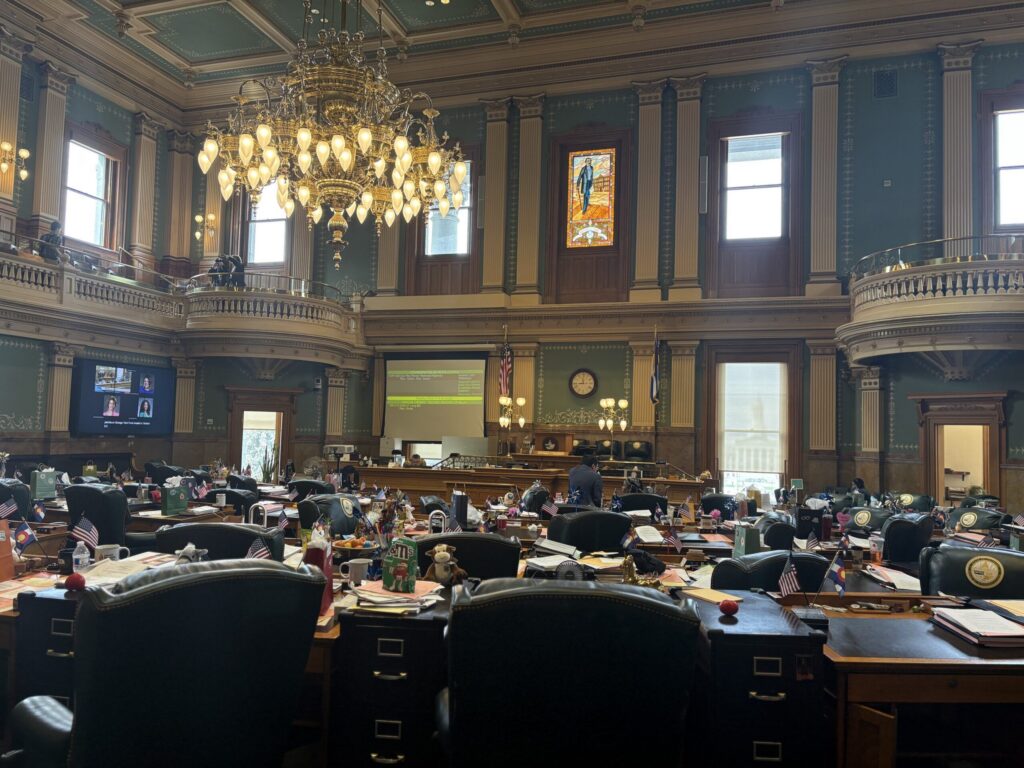
Colorado’s 661‑page budget read aloud after Rep. Bradley invokes procedural rule
Marianne Goodland
marianne.goodland@coloradopolitics.com
Updated 22 minutes ago
A rarely used procedural move by Rep. Brandi Bradley, R‑Roxborough Park, has thrown the Colorado House into an extended slowdown, after she invoked her right to have the 661‑page state budget bill read aloud in full. While unprecedented, once Bradley...
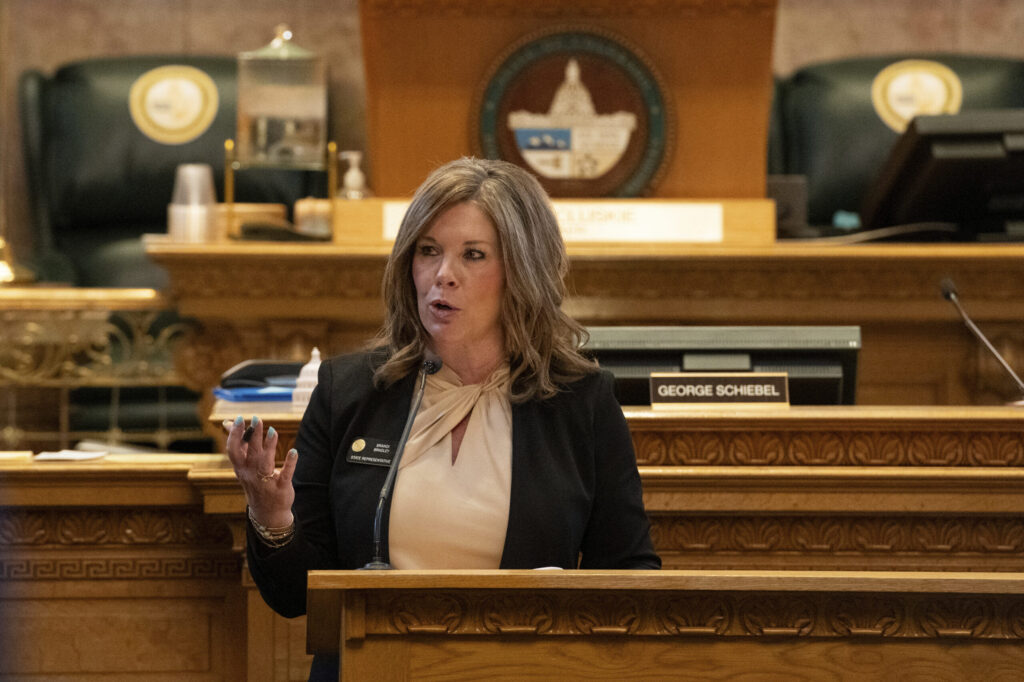
Colorado lawmaker’s demand for full budget reading upends GOP assembly plans, triggers bipartisan reaction
Marianne Goodland
marianne.goodland@coloradopolitics.com
Updated 37 minutes ago
Republican Rep. Brandi Bradley’s decision to force the full reading of the state budget — the lengthy “long bill” — has not only slowed House business to a crawl, it’s also disrupting her colleagues’ plans for the weekend. Since the...
10th Circuit provides guidance on police searches of cloud-based data
Michael Karlik
michael.karlik@coloradopolitics.com
Updated 1 hour ago
The Denver-based federal appeals court provided guidance to law enforcement agencies on Monday for ensuring that searches of cloud-based accounts comply with the Fourth Amendment’s requirements. A three-judge panel of the U.S. Court of Appeals for the 10th Circuit noted...

Inflation jumped to 3.3% in March as Iran war drove up oil prices
Zach Halaschak, Washington Examiner
zach.halaschak.washington.examiner@gazetteedit.wpenginepowered.com
Updated 4 hours ago
Inflation spiked in March, rising nine-tenths of a percentage point to 3.3% on the year, as towering energy prices drove up the headline number. The Bureau of Labor Statistics reported the update to the consumer price index on Friday. The...
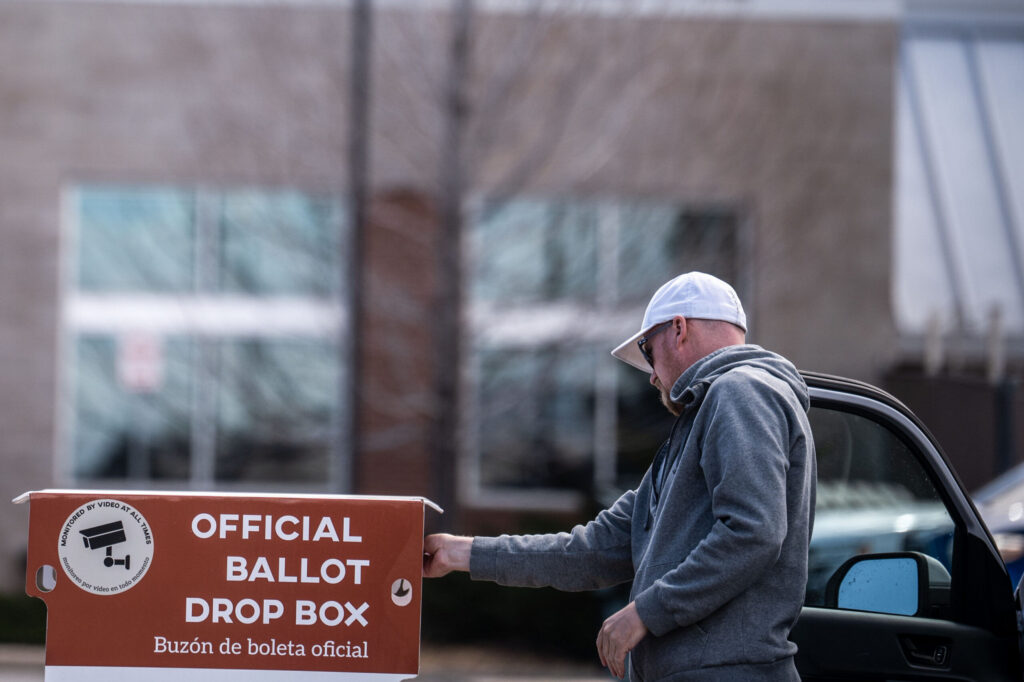
Colorado GOP votes down bid to ask court to prevent unaffiliated voters from voting in June primary
Ernest Luning
ernest.luning@coloradopolitics.com
Updated 26 minutes ago
Members of the Colorado Republican Party’s executive committee rejected a proposal Thursday night to seek an emergency injunction in federal court to prevent unaffiliated voters from participating in the state’s upcoming June primary election. The proposed motion, backed by Colorado...
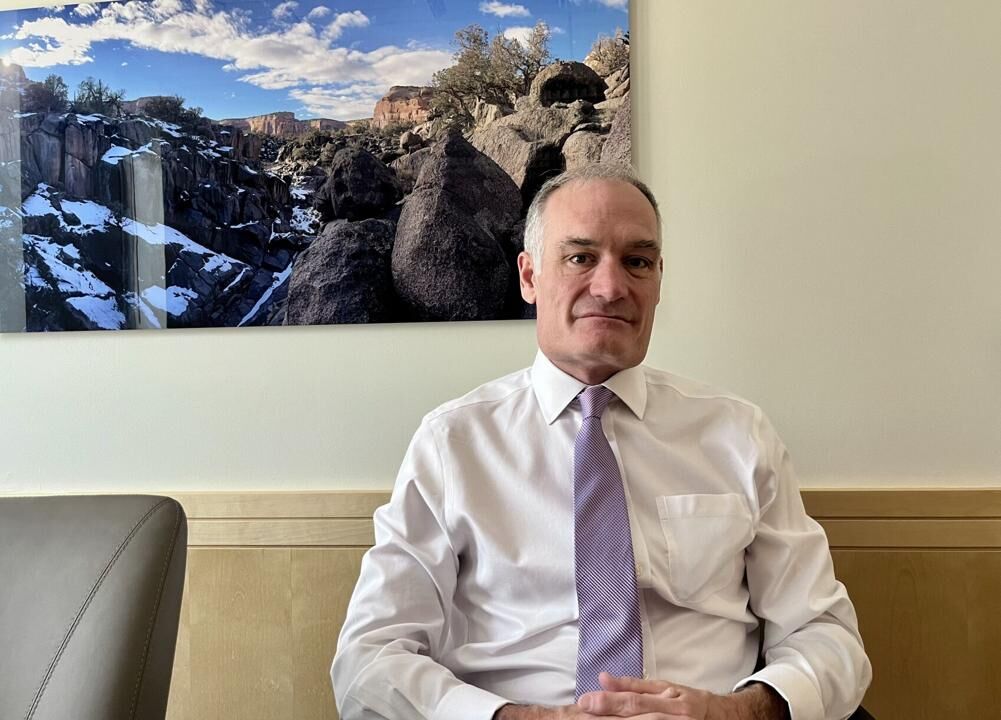
Federal judge releases man after 2 immigration judges disobey order
Michael Karlik
michael.karlik@coloradopolitics.com
Updated 6 hours ago
A federal judge released a man from immigration detention on Thursday after two different immigration judges disobeyed his order in the same case. “At this point, the Court has granted Respondents two bites at the apple to prove detention of...
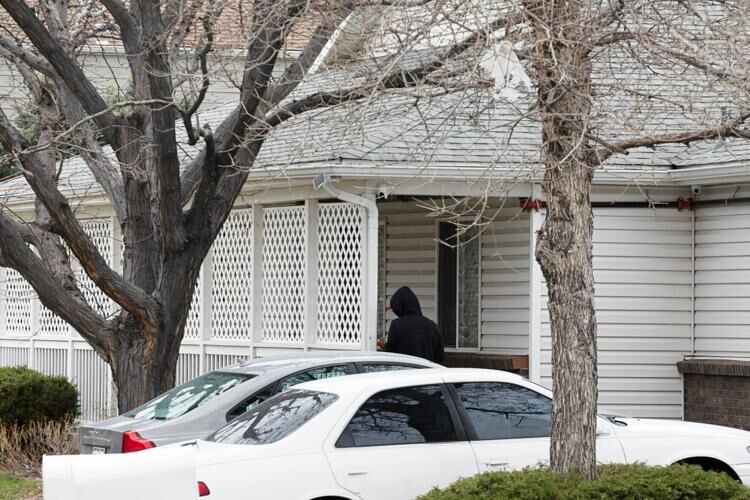
City of Northglenn, state fail to reach agreement on mental health facility amid safety concerns
Marissa Ventrelli
marissa.ventrelli@coloradopolitics.com
Updated 5 hours ago
The City of Northglenn says it was unable to reach an agreement with the state on a pair of controversial transitional living facilities for individuals with mental health conditions run by the Colorado Department of Human Services. The facilities, located...
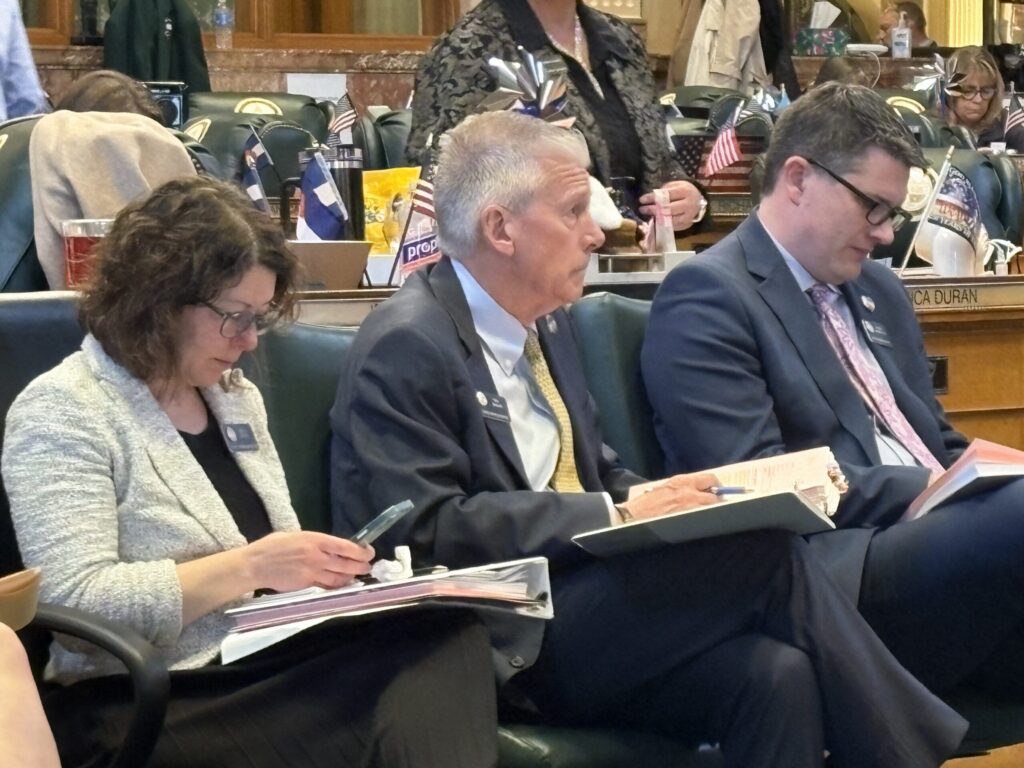
Colorado lawmakers grapple with spending cuts amid $1 billion-plus deficit
Marianne Goodland
marianne.goodland@coloradopolitics.com
Updated 21 hours ago
The battle over Colorado’s budget for next year — which stalled in the House over a procedural maneuver — entered a more difficult phase on Thursday, when legislators grappled with hundreds of millions of dollars in proposed reductions to balance...
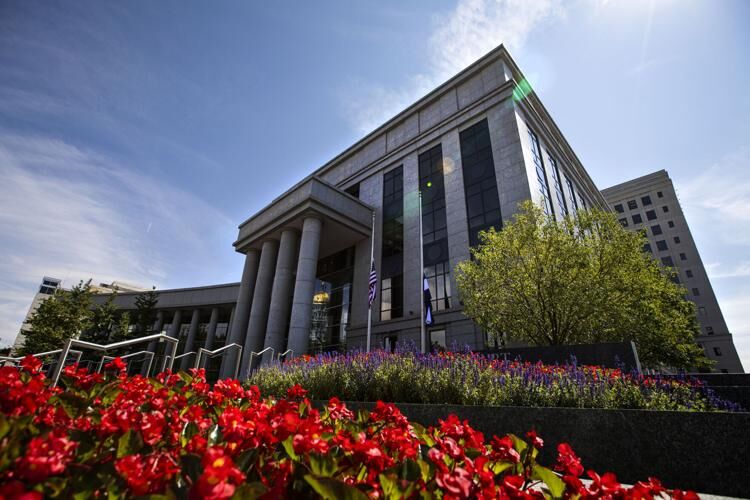
New rules for private judges in Colorado include discipline oversight, campaign contributions
David Migoya
david.migoya@gazette.com
Updated 23 hours ago
The Colorado Supreme Court recently determined the state’s private judges — retired jurists appointed to oversee civil cases that rarely get public scrutiny — can now make political contributions freely and without reserve, overruling a prohibition that had been in...
Colorado bill reshaping RTD board advances
Marissa Ventrelli
marissa.ventrelli@coloradopolitics.com
Updated 24 hours ago
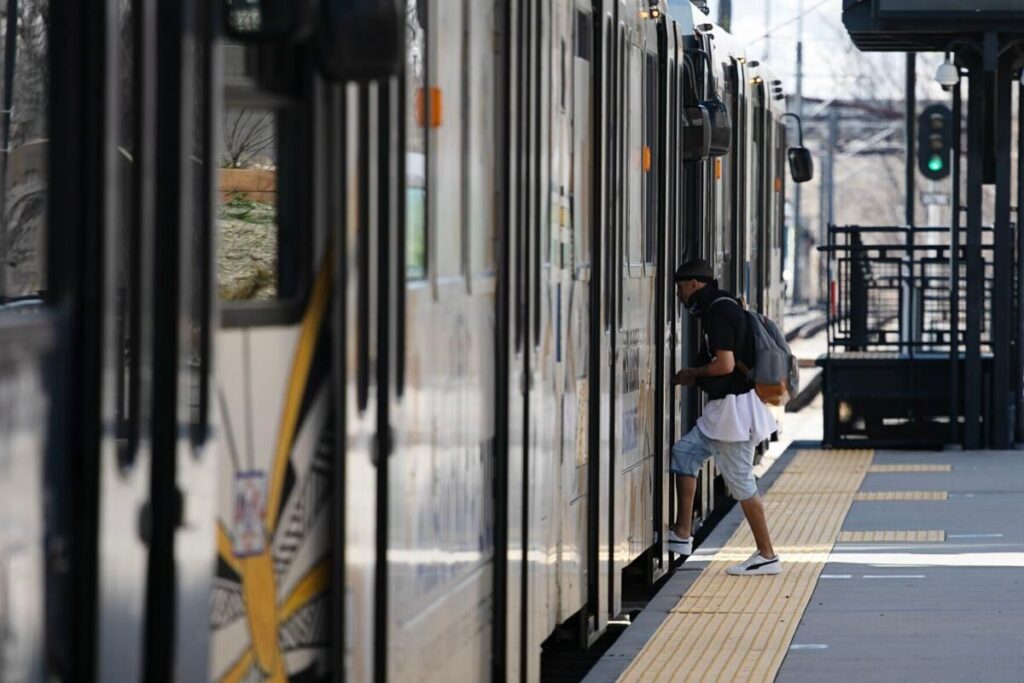
A proposal to reshape the Regional Transportation District’s leadership easily cleared a committee vote Wednesday, advancing the bill sponsors say is needed to revive a transit system still struggling to regain riders and public trust. Critics have countered that, while...
PREV
PREVIOUS
Granby ‘Killdozer’ author and Steve Bannon classmate blasts anti-government trend
EDWARDS – Longtime Granby newspaper editor and publisher turned author Patrick Brower argues former White House chief strategist Steve Bannon helped propel Donald Trump to the presidency by stoking the growing flames of anti-government anger in ways that are dangerous for democracy and potentially deadly for innocent citizens caught in the crossfire. Brower should know. […]
The Pueblo Chieftain: Cafasso a good choice for Corwin
Add another line to Mike Cafasso’s already distinguished resume. St. Mary-Corwin Medical Center recently named the longtime Pueblo resident as its new chief executive officer. Cafasso previously had served as the hospital’s vice president of operations before taking the interim CEO job following the resignation of Brian Moore last October. Before going to work for […]