

DC, 35 states including Colorado, back bid to collect online sales taxes
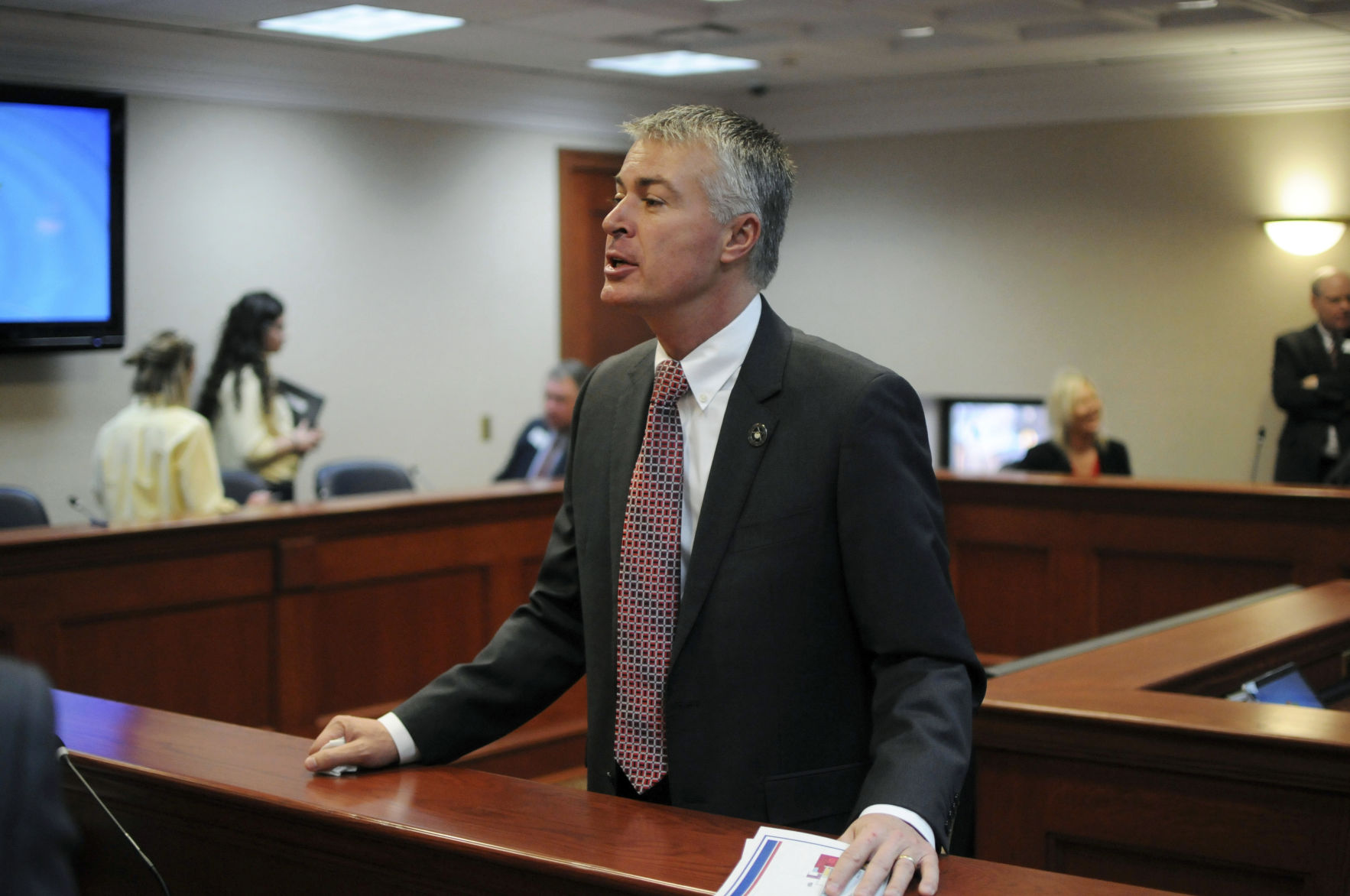
By James Nord
SIOUX FALLS, S.D.- Thirty-five state attorneys general and the District of Columbia this week signed on to support South Dakota’s legal bid to collect sales taxes from out-of-state internet retailers.
South Dakota is asking the U.S. Supreme Court to review whether retailers can be required to collect sales taxes in states where they lack a physical presence. The case could have national implications for e-commerce.
South Dakota Attorney General Marty Jackley said in a statement Thursday that Colorado filed a friend-of-the-court brief supporting South Dakota’s petition to the high court. The state is seeking to overturn legal rulings issued mostly before the online shopping boom that hamstring officials who want to collect sales taxes from out-of-state retailers.
“South Dakota is leading the national fight to bring tax fairness for our local retailers and to help support main street businesses,” Jackley said.
The support includes neighboring Iowa, Minnesota, Nebraska, North Dakota and Wyoming. The other states are: Alabama, Arkansas, California, Connecticut, Florida, Hawaii, Idaho, Illinois, Indiana, Kansas, Kentucky, Maine, Maryland, Massachusetts, Michigan, Mississippi, New Mexico, New York, North Carolina, Ohio, Oregon, Pennsylvania, Rhode Island, Tennessee, Texas, Utah, Vermont, Washington and Wisconsin.
The brief says the jurisdictions all rely on consumption taxes to fund essential government operations.
States have pushed Congress to address the issue without success, and one estimate put the loss to states at roughly $26 billion in 2015. South Dakota estimates it loses about $50 million annually to e-commerce.
“The problem with the physical-presence rule is that it was first conceived of in 1967, two years before the moon landing and decades before the first retail transaction occurred over the Internet,” according to the brief.
Some companies such as Amazon have decided to collect state sales taxes despite the precedent.
South Dakota legislators passed a law last year requiring collection of the tax. The law was struck down in September by the state Supreme Court due to precedent. The state had welcomed the defeat so it could try to get the U.S. Supreme Court to take up the case.
It takes four U.S. Supreme Court justices to vote to hear a case, or grant certiorari. Jackley said that he hopes the high court agrees to hear the case and issues a decision by June 2018.

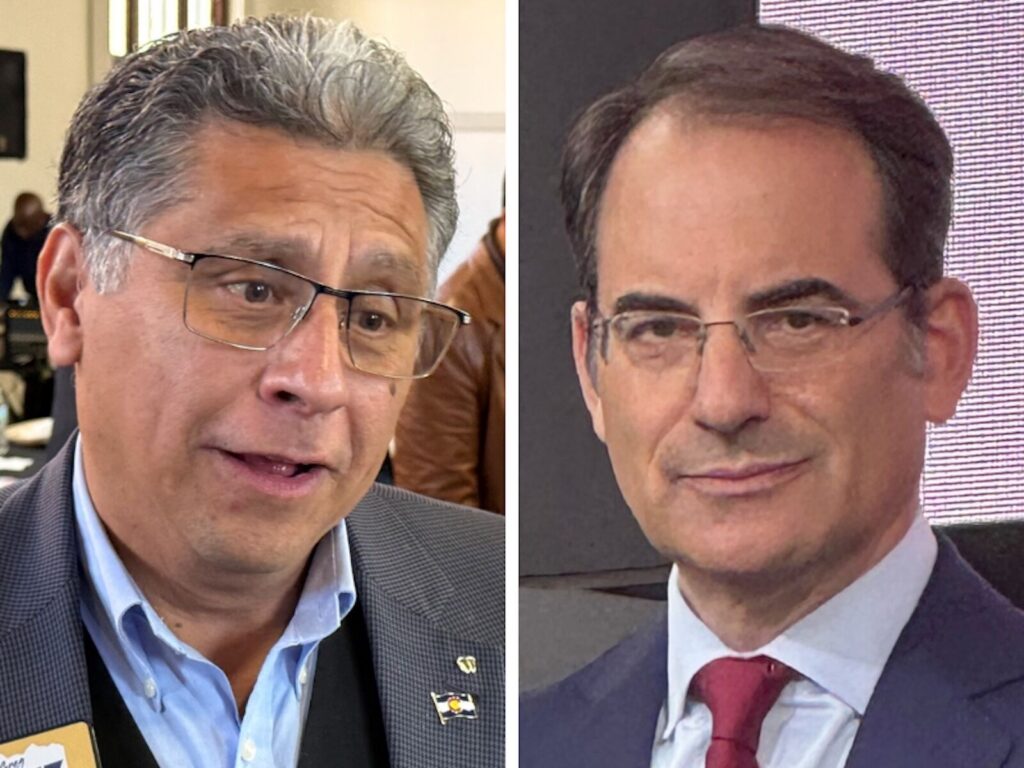
Colorado gubernatorial candidates Phil Weiser, Greg Lopez to face off Thursday in televised debate
Ernest Luning
ernest.luning@coloradopolitics.com
Updated 43 minutes ago
Two of the candidates for governor of Colorado are set to square off in a televised debate for the first time Thursday night, when Attorney General Phil Weiser, the Democratic nominee, and former U.S. Rep. Greg Lopez, an unaffiliated candidate,...
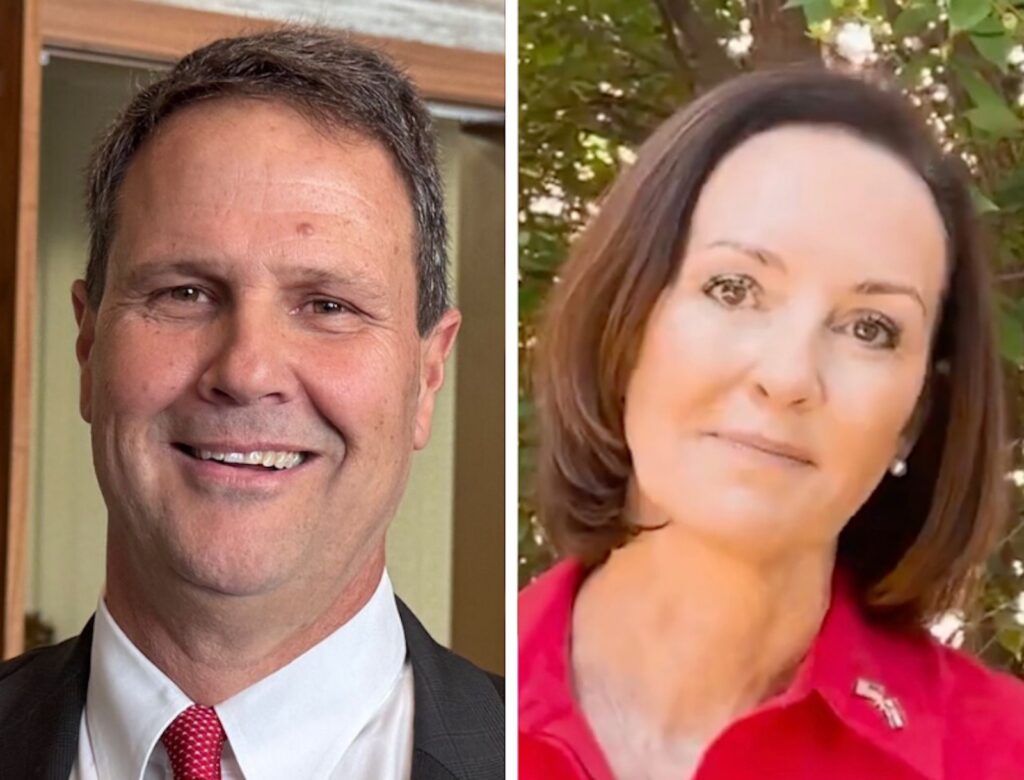
Republican US Rep. Jeff Crank, Democratic challenger Jessica Killin set to debate in Colorado’s 5th CD
Ernest Luning
ernest.luning@coloradopolitics.com
Updated 39 minutes ago
Republican U.S. Rep. Jeff Crank and Jessica Killin, his Democratic challenger, are scheduled to meet for a televised debate in the race to represent Colorado’s 5th Congressional District on Thursday night. The candidates are set to take the stage at...
Wrongfully deported man to be returned to U.S., Colorado federal judge orders
Michael Karlik
michael.karlik@coloradopolitics.com
Updated 1 hour ago
Colorado’s chief federal judge took the extraordinary step of directing the government on Tuesday to do everything it can to return a man it deported in violation of his order. At the same time, Colorado’s chief magistrate judge has set...

Colorado to get $615M from Meta child safety settlement
Thelma Grimes
thelma.grimes@coloradopolitics.com
Updated 3 minutes ago
The parent company of Facebook and Instagram will pay hundreds of millions of dollars to Colorado, part of an $18 billion multistate deal, in which the company also agreed to adopt extensive child-safety changes to its operations. The settlement ended...

Aurora police warn businesses of 5 shoplifters involved in 139 crimes
Kyla Pearce
kyla.pearce@gazette.com
Updated 1 hour ago
Aurora police are warning business owners to look out for five shoplifters involved in 139 crimes with some $60,000 in stolen merchandise. Four of the five shoplifters are wanted on active Aurora Police Department warrants, according to a news release...

Counties warn CPW that new comment limits sideline local governments
Marianne Goodland
marianne.goodland@coloradopolitics.com
Updated 16 hours ago
The September meeting of the Colorado Parks and Wildlife Commission will feature newly revised public‑comment rules — changes introduced by chair Jay Tutchton of Bent County, who announced them without first discussing the revisions publicly with the rest of the...

Controversial two-bag furbearer limit heads to CPW meeting under legal threat
Marianne Goodland
marianne.goodland@coloradopolitics.com
Updated 16 hours ago
Next week’s Colorado Parks and Wildlife Commission meeting in La Junta is likely to open under the cloud of threatened legal action. Safari Club International and the Sportsmen’s Alliance Foundation warned the commission this month that its July vote imposing...

Federal science agency gives CU Boulder $37.5M to supercharge its quantum studies
Bernadette Berdychowski
bernadette.berdychowski@denvergazette.com
Updated 1 hour ago
The University of Colorado Boulder was awarded $37.5 million from a federal research agency to propel its quantum research, the U.S. National Science Foundation announced Tuesday. The school was one of eight academic institutions to receive a total of $290...

Golden to pay $155,000 to fired city manager
Matt Kyle
matt.kyle@denvergazette.com
Updated 18 hours ago
The Golden City Council on Tuesday approved a roughly $155,000 severance payout to former city manager Scott Vargo, who was fired earlier this month following a “racist incident” at a city fire station. The payout is part of a separation...

Trump says the US doesn’t need Canada. America’s economy says otherwise.
The Associated Press
the-associated-press@coloradopolitics.com
Updated 19 hours ago
TORONTO (AP) — U.S. President Donald Trump says his country does not need Canada. But every day, roughly 4 million barrels of Canadian crude oil flow south, helping fuel American cars, trucks and airplanes and supply U.S. industry. And oil...
PREV
PREVIOUS

Panelists differ on tax plan's winners and losers at Colorado Springs forum
The day after House Republicans unveiled their plan for overhauling taxes, four panelists debated what it would do – and what it wouldn’t – at the Pikes Peak Center’s Studio Bee in Colorado Springs. The public forum, sponsored by The Gazette, Colorado Politics and AARP, featured Tatiana Bailey, the director of the University of Colorado […]
Campaign against Fort Collins internet plan spends $451,000
FORT COLLINS, Colo. – Campaign finance reports show opponents of a proposal to let the city of Fort Collins set up its own high-speed internet system have spent more than $451,000 to fight the plan. The Fort Collins Coloradoan reported Saturday the spending was paid for in part by a $175,000 donation from the Colorado […]