

Colorado AG Coffman defends sex-offender registry
Attorney General Cynthia Coffman said Friday that the Colorado Bureau of Investigation will keep operating the registry, which includes names, photos and other information about sex offenders.
A federal judge ruled that Colorado’s sex offender registry is unconstitutional, subjecting offenders to “cruel and unusual punishment” by the public and restrictions on their ability to find work or homes long after completing prison or probation and parole sentences, a federal judge has ruled.
U.S. District Court Judge Richard Matsch ruled in the case of three offenders who want to remove their information from the registry, the latest example of courts limiting states’ efforts to keep track of offenders.
Matsch wrote that the registry exposes “the registrants to punishments inflicted not by the state but by their fellow citizens.”
Coffman said she is “committed to having a robust sex offender registry in our state that protects the public.”
The ruling on Thursday applies only to the three offenders who filed the lawsuit. The men still have to petition a state judge to remove them. Their attorney says the ruling still could help other offenders.
The ruling has no immediate effect, even for the three offenders named in the case, said their attorney Alison Ruttenberg, but each can use the ruling to ask state judges to remove them from the registry. The decision still could have sweeping implications for Colorado and potentially other states, dependent on how state judges and other officials respond this fall.
Denver’s KCNC-TV reported that the attorney general’s office hasn’t decided whether it will file an appeal.
Ruttenberg said Colorado offenders can use Matsch’s decision to ask state judges to remove them from the registry or to defend themselves against charges of failing to register.
If the state appeals to the 10th Circuit Court but fails to get the order overturned, the case also could be cited in other states, she said.
“These people had done everything society asked them to do,” Ruttenberg said. “They served their sentence, stayed out of trouble and had done nothing else wrong but were being publicly vilified.”
In Colorado, offenders’ names, addresses, photos and other identifying features are posted on a state website, based on offenders’ registrations with local law enforcement. The offenders’ lawsuit argued that the information makes it difficult for offenders to find jobs and housing. Routine visits by police and flyers posted on doors clearly identify them as registered sex offenders, the suit says.
Matsch also blasted state judges who denied one offender’s requests to be removed from the registry for “Kafka-esque” proceedings that asked the offender to prove that he would not commit another offense and then ruling against him on their “subjective opinions.”
The system continues to punish offenders for years after completing a court-ordered sentence, he said.
“The fear that pervades the public reaction to sex offenses_particularly as to children_generates reactions that are cruel and in disregard of any objective assessment of the individual’s actual proclivity to commit new sex offenses,” Match wrote. “The failure to make any individual assessment is a fundamental flaw in the system.”


Colorado gubernatorial candidates Phil Weiser, Greg Lopez to face off Thursday in televised debate
Ernest Luning
ernest.luning@coloradopolitics.com
Updated 3 minutes ago
Two of the candidates for governor of Colorado are set to square off in a televised debate for the first time Thursday night, when Attorney General Phil Weiser, the Democratic nominee, and former U.S. Rep. Greg Lopez, an unaffiliated candidate,...
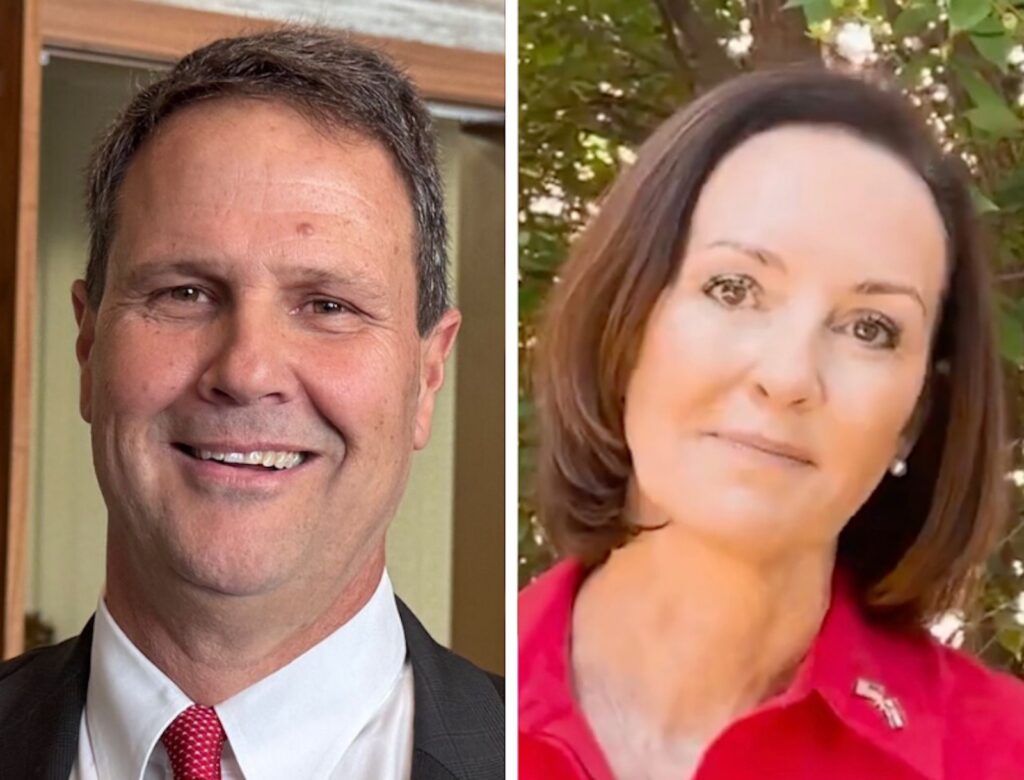
Republican US Rep. Jeff Crank, Democratic challenger Jessica Killin set to debate in Colorado’s 5th CD
Ernest Luning
ernest.luning@coloradopolitics.com
Updated 8 minutes ago
Republican U.S. Rep. Jeff Crank and Jessica Killin, his Democratic challenger, are scheduled to meet for a televised debate in the race to represent Colorado’s 5th Congressional District on Thursday night. The candidates are set to take the stage at...

Wrongfully deported man to be returned to U.S., Colorado federal judge orders
Michael Karlik
michael.karlik@coloradopolitics.com
Updated 38 minutes ago
Colorado’s chief federal judge took the extraordinary step of directing the government on Tuesday to do everything it can to return a man it deported in violation of his order. At the same time, Colorado’s chief magistrate judge has set...

Colorado to get $615M from Meta child safety settlement
Thelma Grimes
thelma.grimes@coloradopolitics.com
Updated 15 hours ago
The parent company of Facebook and Instagram will pay hundreds of millions of dollars to Colorado, part of an $18 billion multistate deal, in which the company also agreed to adopt extensive child-safety changes to its operations. The settlement ended...
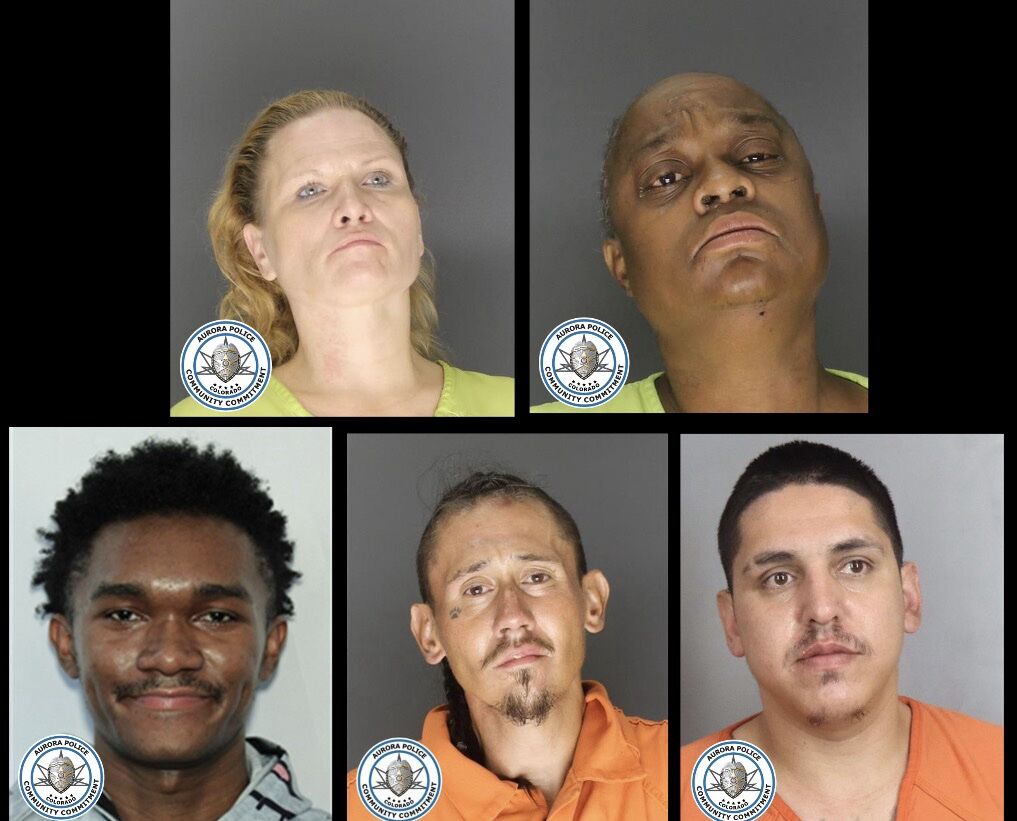
Aurora police warn businesses of 5 shoplifters involved in 139 crimes
Kyla Pearce
kyla.pearce@gazette.com
Updated 23 minutes ago
Aurora police are warning business owners to look out for five shoplifters involved in 139 crimes with some $60,000 in stolen merchandise. Four of the five shoplifters are wanted on active Aurora Police Department warrants, according to a news release...

Counties warn CPW that new comment limits sideline local governments
Marianne Goodland
marianne.goodland@coloradopolitics.com
Updated 15 hours ago
The September meeting of the Colorado Parks and Wildlife Commission will feature newly revised public‑comment rules — changes introduced by chair Jay Tutchton of Bent County, who announced them without first discussing the revisions publicly with the rest of the...

Controversial two-bag furbearer limit heads to CPW meeting under legal threat
Marianne Goodland
marianne.goodland@coloradopolitics.com
Updated 15 hours ago
Next week’s Colorado Parks and Wildlife Commission meeting in La Junta is likely to open under the cloud of threatened legal action. Safari Club International and the Sportsmen’s Alliance Foundation warned the commission this month that its July vote imposing...

Federal science agency gives CU Boulder $37.5M to supercharge its quantum studies
Bernadette Berdychowski
bernadette.berdychowski@denvergazette.com
Updated 21 minutes ago
The University of Colorado Boulder was awarded $37.5 million from a federal research agency to propel its quantum research, the U.S. National Science Foundation announced Tuesday. The school was one of eight academic institutions to receive a total of $290...

Golden to pay $155,000 to fired city manager
Matt Kyle
matt.kyle@denvergazette.com
Updated 17 hours ago
The Golden City Council on Tuesday approved a roughly $155,000 severance payout to former city manager Scott Vargo, who was fired earlier this month following a “racist incident” at a city fire station. The payout is part of a separation...

Trump says the US doesn’t need Canada. America’s economy says otherwise.
The Associated Press
the-associated-press@coloradopolitics.com
Updated 19 hours ago
TORONTO (AP) — U.S. President Donald Trump says his country does not need Canada. But every day, roughly 4 million barrels of Canadian crude oil flow south, helping fuel American cars, trucks and airplanes and supply U.S. industry. And oil...