

How Colorado’s congressional delegation voted (week ending July 1, 2017)
H.R. 3004: Kate’s Law
This was a vote to pass H.R. 3004 in the House.
H.R. 3004 is intended to protect public safety by enhancing penalties for deported felons who return to the United States. Specifically, the bill provides for: A sentence of not more than 10 years for an alien convicted of 3 or more misdemeanors or a felony; Imprisonment of not more than 15 years for an alien convicted of a felony and sentenced to a term of imprisonment of at least 30 months; Imprisonment of not more than 20 years for an alien convicted of a felony and sentenced to a term of imprisonment of at least 60 months; Imprisonment of not more than 25 years for an alien convicted of murder, rape, kidnapping, terrorism, or 3 or more felonies of any kind. Imprisonment of not more than 10 years for an alien who has been denied admission, deported, or removed 3 or more times, who then reenters the U.S. In addition, any alien who is removed prior to completion of a term of imprisonment who then reenters the U.S. can have the remainder of their sentence reapplied.
Passed.
H.R. 3003: No Sanctuary for Criminals Act
This was a vote to pass H.R. 3003 in the House.
H.R. 3003 strengthens current law to combat sanctuary policies that shield illegal immigrants from federal immigration enforcement. Specifically, the bill clarifies U.S. Immigration and Customs Enforcement (ICE) detainer authority, the legal means used by federal immigration enforcement officers to pick up immigrants detained in local jails. In addition, the bill withholds certain federal grants from jurisdictions that violate federal law by prohibiting their officers from cooperating with ICE. Jurisdictions that comply with detainers are protected from being sued and victims of certain crimes are allowed to sue jurisdictions that refuse to comply and subsequently release criminal immigrants onto the streets. Finally, the underlying bill includes Sarah and Grant’s Law, which ensures illegal immigrants convicted of drunk driving or who are arrested for other dangerous crimes are detained during their removal proceedings.
Passed.
H.R. 1215: Protecting Access to Care Act of 2017
This was a vote to pass H.R. 1215 in the House.
H.R. 1215 caps at $250,000 medical malpractice damages that do not have a direct economic impact, such as lost wages or medical bills. By capping damages, it costs less to practice medicine, which in turn lowers prices for patients.
Passed.
H.Amdt. 152 (Hudson) to H.R. 1215: To allow a physician to apologize to a patient for an unintended outcome without having the apology count against them in the court of law.
This was a vote to approve or reject amendment H.Amdt. 152 to H.R. 1215. It allows a physician to apologize to a patient for an unintended outcome without having the apology count against them in the court of law. It requires a plaintiff to provide a notice of intent to the physician 90 days before the lawsuit is filed. The amendment also defers to various state laws regarding lawsuits and outlines requirements witnesses must meet for testimony during trial.
Passed.
H.R. 2842: Accelerating Individuals into the Workforce Act
This was a vote to pass H.R. 2842 in the House.
H.R. 2842 connects low-income Americans looking for work with employers looking to fill job openings, including through apprenticeships and other forms of on-the-job training. Specifically, the legislation provides funding for states to subsidize employment for a limited time for Temporary Assistance for Needy Families (TANF) recipients to provide work experience in exchange for benefits. The bill reserves $100 million from the FY18 TANF Contingency Fund to test whether states subsidizing the wage of TANF recipients can be an effective means of helping them enter and remain in the workforce. States may subsidize up to 50 percent of the recipients wage, with the remainder covered by the employer. Each state must describe how wage subsidies will be provided and how they expect each individual to maintain employment when the subsidies end. A state shall ensure that no one is laid off from the same or a substantially similar job to create positions for such participants. Finally, a state has to submit a report that specifies the number of individuals whose employment is subsidized, the structure of state activities, the percentage of recipients who received a subsidy who are in unsubsidized employment during the second quarter after the subsidies ended, and the median earning of recipients after the subsidies end.
Passed.
Source: GovTrack


Pastors Scott Bottoms, Victor Marx win spots in Colorado GOP’s gubernatorial primary at party assembly
Ernest Luning
ernest.luning@coloradopolitics.com
Updated 7 hours ago
Two pastors from Colorado Springs qualified Saturday for the Republican gubernatorial primary ballot at the Colorado GOP’s state assembly in Pueblo in a party meeting that dragged late into the night. State Rep. Scott Bottoms, who is known as one...
Colorado House finishes work on 2026-27 state budget, finally
Marianne Goodland
marianne.goodland@coloradopolitics.com
Updated 13 hours ago
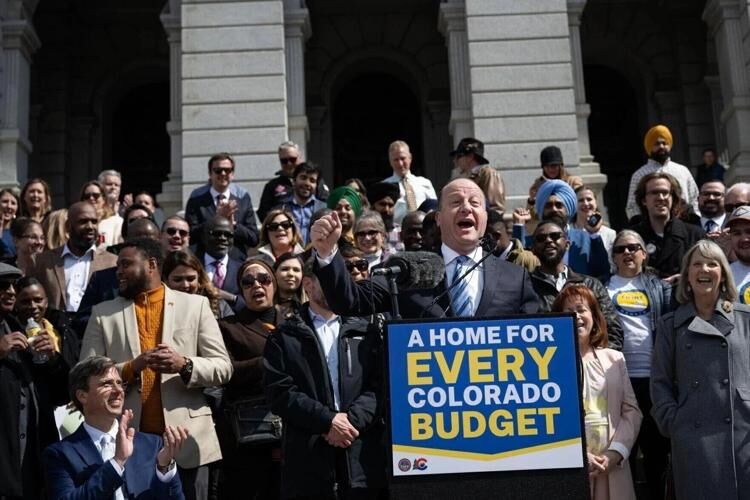
The House on Saturday, after four days of work – it usually takes two – finished up their work and voted on the $46.8 billion 2026-27 state budget, as contained in House Bill 1410 and 64 accompanying measures designed to...
Home rule has protected Colorado cities for over 125 years | Cronin and Loevy
Tom Cronin Bob Loevy
tom-cronin-bob-loevy@coloradopolitics.com
Updated 14 hours ago
Colorado is currently gripped by a political struggle between the governor plus the legislature in Denver and populous home-rule city governments, mainly on the Front Range, such as Colorado Springs. In the past few years, the legislature has been passing bills that applied to city government policies, which...
Colorado Politics calendar Apr. 13-19
Rachael Wright, Special to Colorado Politics
rachael.wright@coloradopolitics.com
Updated 4 days ago
CoPo’s weekly political calendar will help you find political and public-policy events throughout Colorado. It includes candidate and issue campaign events, public policy meetings, court hearings, state and local party conventions, assemblies, debates, rallies, parades, speaking engagements, traveling dignitary appearances,...
Minority Leader Peña argues against oil and gas bill | A LOOK BACK
Rachael Wright, Special to Colorado Politics
rachael.wright@coloradopolitics.com
Updated 4 days ago
Forty-Five Years Ago This Week: “The Colorado House of Representatives had just given its final approval to House Bill 81-1152, which created $9 million in tax relief to oil and gas companies. But this came “at the expense of local...

A longshot, upset bid and a few quick takes | SONDERMANN
By Eric Sondermann
by-eric-sondermann@coloradopolitics.com
Updated 3 days ago
It is hard to keep up these days. The flow of news often seems overwhelming. Let’s focus today on an unusual congressional race before moving on to a few quick, supplementary observations. Since its creation 54 years ago, Congressional District...
An “-“ends tribute in a week full of “odds” | Capitol M | Week of April 11, 2026
Marianne Goodland
marianne.goodland@coloradopolitics.com
Updated 3 days ago
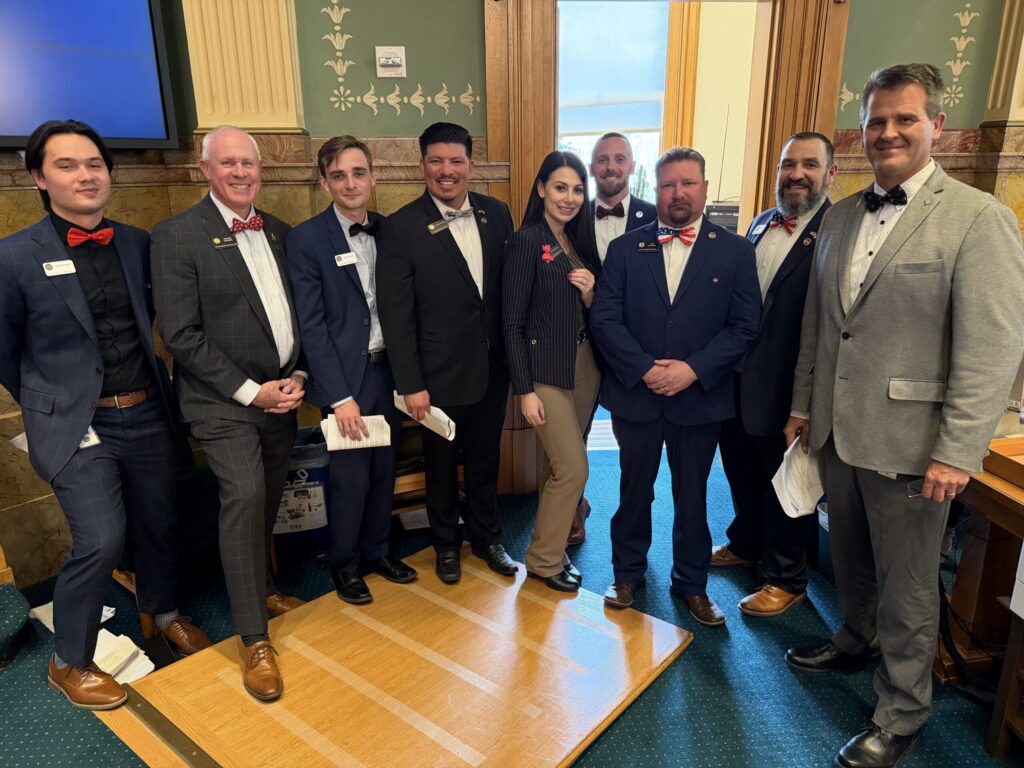
The lighter side of the Capitol, usually… The decision to read the budget bill — the long bill, which spans 661 pages this year — put a damper on the House’s already less‑than‑festive mood. So Capitol M decided to catch...
What you need to know about the Colorado legislature reading a 661-page bill aloud
Marianne Goodland
marianne.goodland@coloradopolitics.com
Updated 13 hours ago
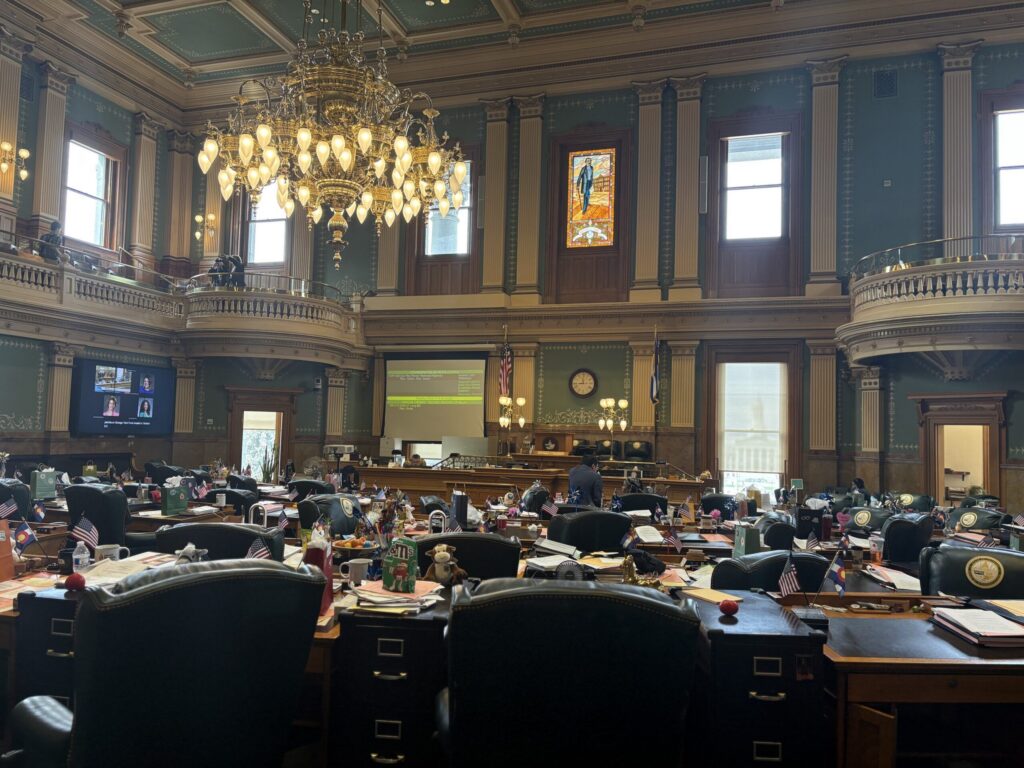
A rarely used procedural move by a Republican legislator threw the Colorado House into an extended slowdown, after she invoked her right to have a nearly 700-page state budget bill read aloud in full. Once Rep. Brandi Bradley, R‑Roxborough Park,...
Literal reading of budget bill complicates Colorado legislators’ plans for GOP assembly
Marianne Goodland
marianne.goodland@coloradopolitics.com
Updated 19 hours ago
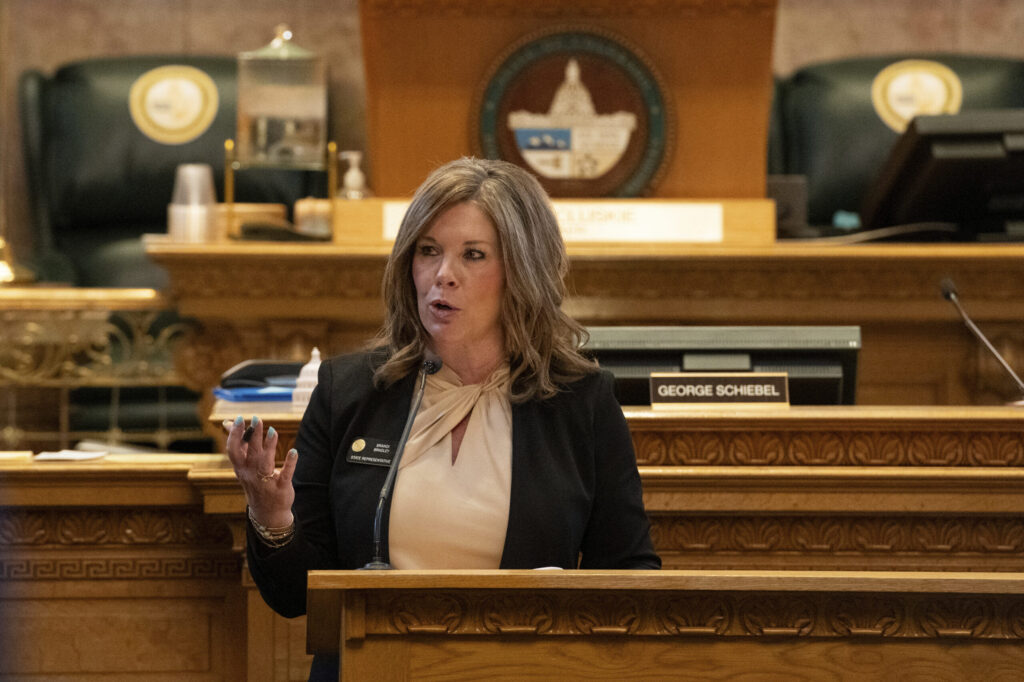
Republican Rep. Brandi Bradley’s decision to force the full reading of the state budget — called the “long bill” for its obvious length — has not only slowed House business to a crawl but also disrupted her colleagues’ plans for...
10th Circuit provides guidance on police searches of cloud-based data
Michael Karlik
michael.karlik@coloradopolitics.com
Updated 2 days ago
The Denver-based federal appeals court provided guidance to law enforcement agencies on Monday for ensuring that searches of cloud-based accounts comply with the Fourth Amendment’s requirements. A three-judge panel of the U.S. Court of Appeals for the 10th Circuit noted...