

Neville brings down hammer in floor speech defending state’s weed cash fund
In a night filled with passionate state Senate speeches delivered Wednesday over this year’s $26.8 billion Colorado budget, the most powerful perhaps were the ones given around an amendment that sought to take up to $4 million collected from marijuana sales – slated to pay for drug-related research and services, including addiction treatment – and use the money instead to fuel the Colorado film industry.
Support for and opposition to the proposal crossed party lines.
Amendment 10 was proposed by Republicans Kevin Priola from Henderson, President Kevin Grantham from Canon City and Democrat Nancy Todd from Aurora.
Democrat Todd argued strongly for the amendment in the well, only to be followed by Democrat Cheri Jahn from Wheat Ridge, who argued against it, growing emotional as she did.
“I will just tell you what I can’t do,” Jahn said. “I can’t go out there in the community and face people who have lost loved ones to overdoses from these horrible drugs – from the opioids, the heroin – and people dying from alcohol. I cannot go to them and say, ‘I’m truly sorry, but I took part of the money that was designated to go for treatment, to go to services, everything that had to do with substance abuse and substance use, and give it to the film industry.”
Priola argued in favor of the amendment, citing the great future development opportunities to be found in the immense popularity of video, especially given the way young audiences have been energized by rapidly multiplying video streaming offerings.
But Tim Neville, a Republican from Littleton, unleashed a righteous speech in opposition, drawing on a wellspring of frustration among lawmakers and citizens who argue that promises tied to taxes and fees often are only loosely kept by lawmakers when it comes time to pass the budget every year.
The video below starts with the end of Jahn’s speech and continues through Neville’s, and beyond. Neville begins speaking around the 3:27:27 mark.
“I have to say, I’m insulted by this,” Neville said. “When you take a look at this amendment – I want to go back to what the General Assembly said this (marijuana) money was for.
“They declared that the new retail marijuana tax revenue presents an opportunity to invest in services that support intervention and treatment related to marijuana and other drugs,” Neville said, reading from the statute. “‘The purpose of this section is to prioritize treatment, protecting the state’s youth, and ensuring the public peace and safety,'” he said. “Then it lists a number of things that this money is designed to do – that we’ve agreed it is designed to do.
“‘To educate people about marijuana, to prevent its illegal use, to provide services for adolescents and school-age children in school settings through community-based organizations, to treat, people with any type of substance abuse disorder'” – he said with emphasis – “‘for jail-based and other behavioral health services… for state regulatory enforcement to keep our people safe on the streets, policy coordination, litigation, for law enforcement and law enforcement training, for the promotion of public health, including poison control, prescription drug take-back programs, a marijuana lab testing reference library, other public health services, to study the use of marijuana and other drugs, to research and test industrial hemp or hemp seed’ – the list goes on and on,” Neville said. “And what are we talking about doing with these funds?
“Colleagues I want to be blunt: We’re talking about absconding with these funds, based upon the purposes that we’ve outlined, and using them for a totally different purpose that benefits only a few.
“I urge a no vote – and I urge you to take a look at this,” he said waving the marijuana statute in the air. “If we talk about this [budget] being a moral document, I believe this is an immoral amendment.”
The debate continued and the amendment eventually was voted down.
“Yeah, it got my goat,” said Neville on Thursday. “There we were talking about movies and tourism, but the marijuana cash fund is not an appropriable area of the budget.
“We’re not supposed to do stuff with the long [budget] bill that’s legislative. We already agreed on how to spend that marijuana money. We already had that discussion when we passed the statute. The decision was made.
“You know, I think a lot of people are wondering what happened to that (marijuana) money and whether it’s being appropriated for, let’s just say, creative uses,” he said.
“It’s a little frustrating.”


New jaguar spotted in Arizona points to progress in endangered species’ recovery | OUT WEST ROUNDUP
The Associated Press
the-associated-press@coloradopolitics.com
Updated 5 days ago
ARIZONA New jaguar spotted in wild The spots gave it away. Just like a human fingerprint, the rosette pattern on each jaguar is unique so researchers knew they had a new animal on their hands after reviewing images captured by...
8 exemplars to guide us into the new year | SONDERMANN
Eric Sondermann
eric-sondermann@coloradopolitics.com
Updated 4 days ago
It started as a one-off in my first year of writing this regular column. To ring in the new year back in the eventful year of 2020, I offered a shoutout to eight Coloradans who served as models of how...

Raids, pushback and TdA indictments defined Denver’s immigration story in 2025
Nico Brambila
nico.brambila@denvergazette.com
Updated 17 hours ago
The Trump administration’s push for a large-scale, deportation effort — built around campaign warnings about Tren de Aragua, the Venezuelan prison gang that established a foothold in Colorado — collided with the realities on the ground in Denver, where raids...
Denver’s budget deficit shaped 2025 news coverage
Deborah Grigsby
deborah.smith@denvergazette.com
Updated 16 hours ago
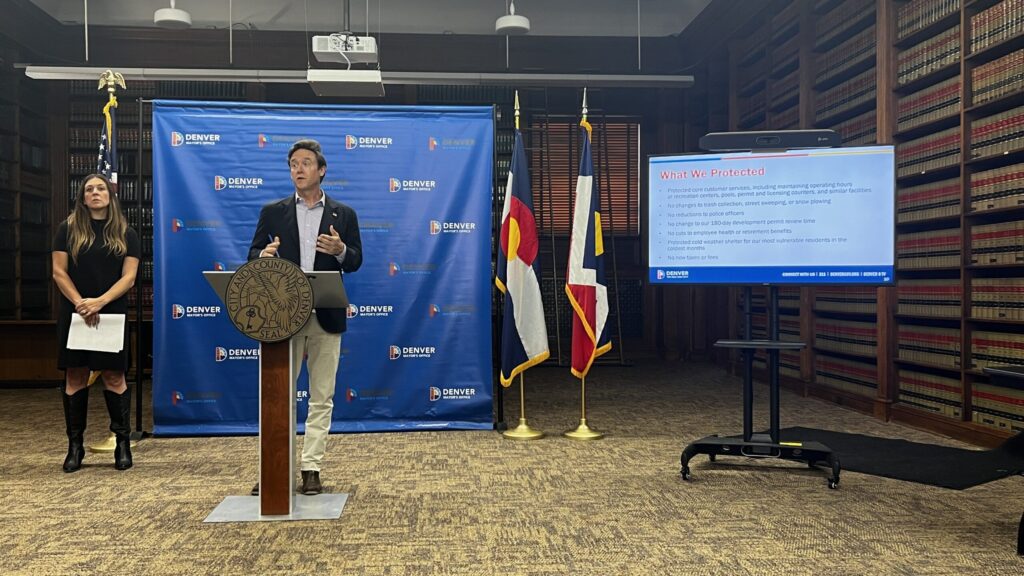
It was a year of big goals on a tight budget for the Mile High City, where Mayor Mike Johnston’s announcement of a $200 million city budget deficit dominated the news coverage. Facing a $50 million gap in its 2025...
Colorado podcaster who has called for political foes to be executed joins GOP primary for governor
Ernest Luning
ernest.luning@coloradopolitics.com
Updated 19 hours ago
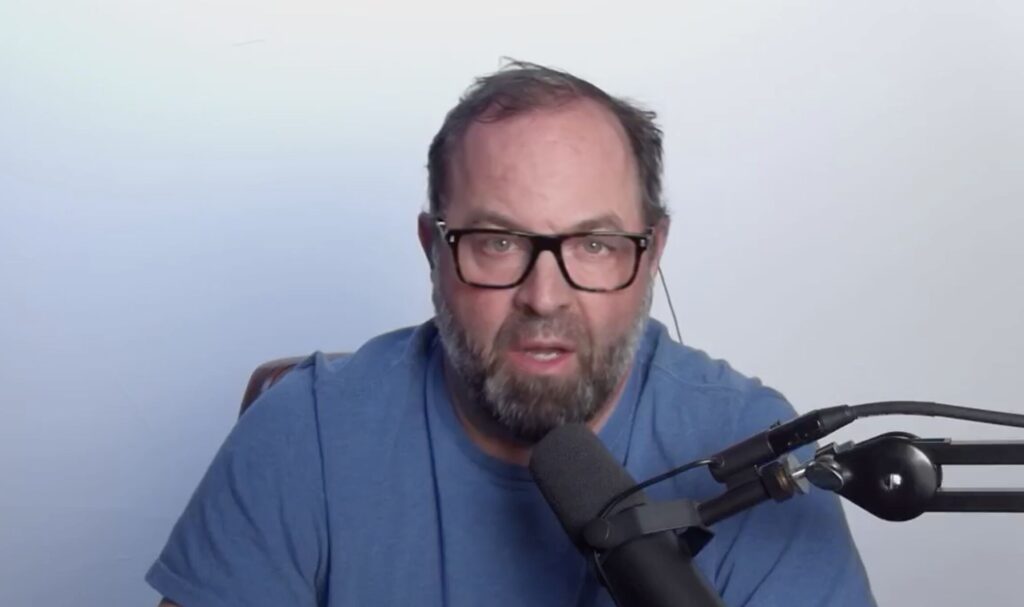
Joe Oltmann, the conservative Colorado podcaster who has repeatedly called for Colorado’s top elected officials to be executed and whose uncorroborated claims that the 2020 election was rigged spawned multiple defamation lawsuits, declared his candidacy for the Republican nomination for...

‘The canary in the democracy mine is local journalism’ | Vince Bzdek
Vince Bzdek
vince.bzdek@gazette.com
Updated 23 hours ago
Colorado could do a lot more to save newspapers – and democracy – in rural areas By Vince Bzdek As another new year and another legislative session dawn for Colorado, it’s a good time to ask what the absolute most...
Colorado’s national correspondent recounts violent KKK march in D.C. | A LOOK BACK
Rachael Wright
rachael.wright@coloradopolitics.com
Updated 5 days ago
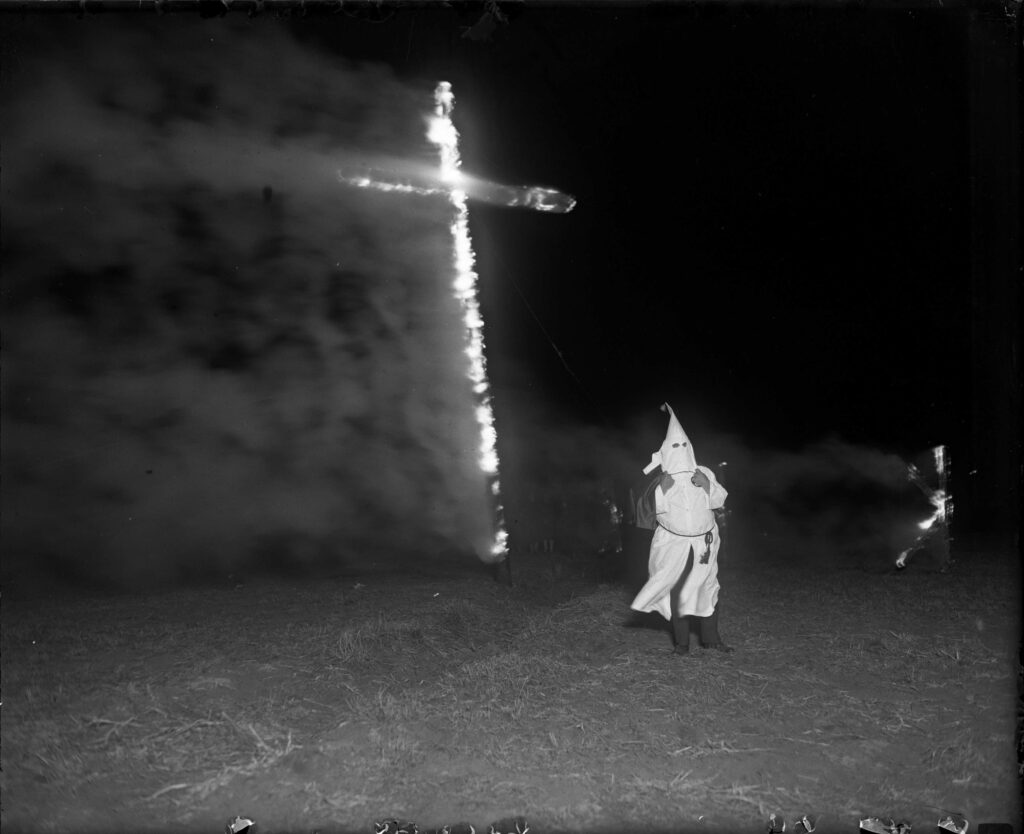
by Rachael Wright Thirty-Five Years Ago This Week: “I had forgotten about the Ku Klux Klan,” said Ann Downing Schmidt, The Colorado Statesman’s Washington, D.C., correspondent. In a commentary piece published in The Statesman, Schmidt described trying to make the ten-minute drive from...
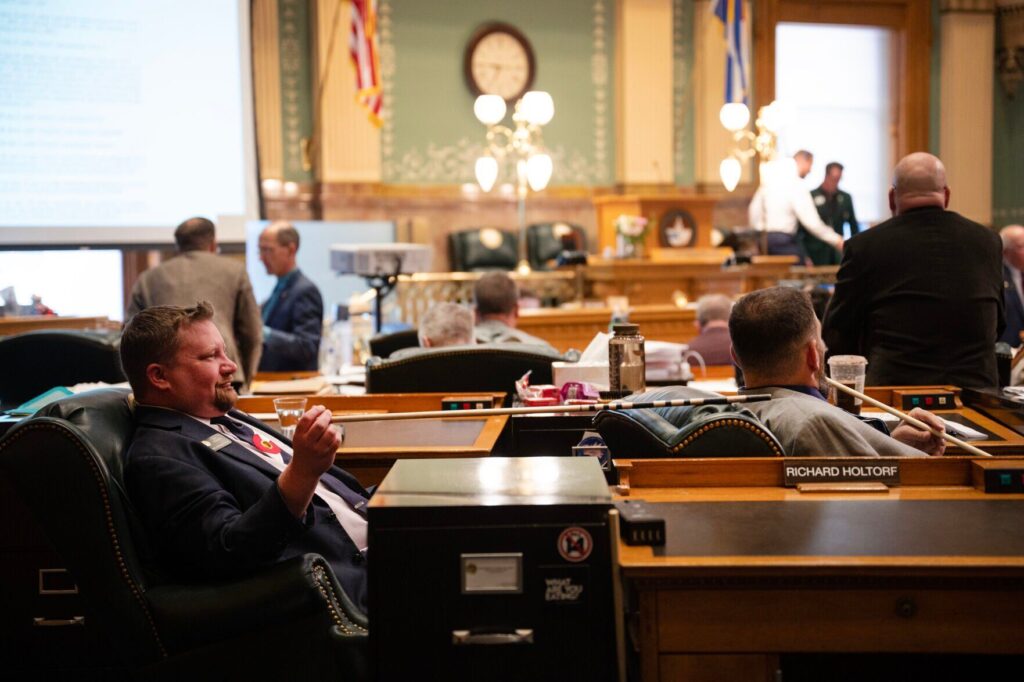
2025 Unfiltered: Ethics investigations, scandals plague Colorado Capitol
Marianne Goodland
marianne.goodland@coloradopolitics.com
Updated 22 hours ago
Over the course of the year, a series of investigations, allegations and controversies emerged at the state Capitol, drawing scrutiny to the behavior of elected officials and, in some cases, overshadowing policy debates. Here are some of the notable investigations,...
2025 Unfiltered: Top stories of the Colorado General Assembly
Marianne Goodland
marianne.goodland@coloradopolitics.com
Updated 22 hours ago
In 2025, the Colorado legislature faced a budget deficit, sought to tackle a lingering housing crisis and saw a wave of lawmakers leaving for other opportunities, prompting multiple vacancy committees to act. Here are a look at the year’s top...
2025 Unfiltered: Colorado Supreme Court vacancy, surge in federal filings and more
Michael Karlik
michael.karlik@coloradopolitics.com
Updated 21 hours ago
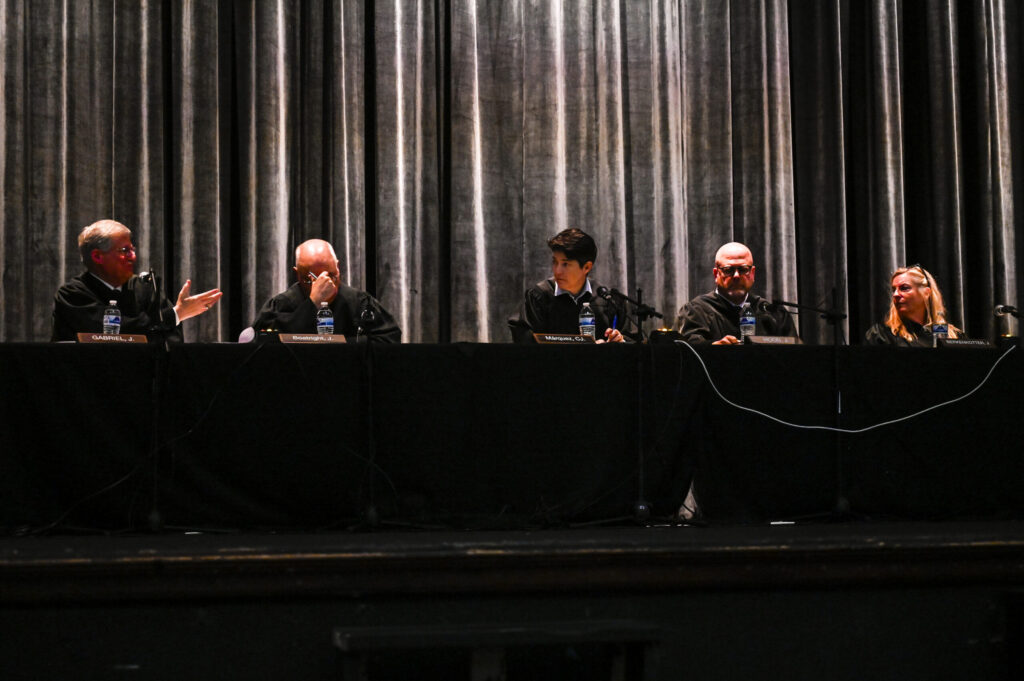
This year was awash in legal news nationally, with federal courts taking an outsize role in responding to executive branch actions. In Colorado, that effect was evident, but it was not the only factor at play. Here are the top...