

#Coleg Week 7: Concerning weed clubs, PERA, ballot selfies and more
Happy post-Presidents Day. Lawmakers today embark on their seventh week of the session. Ten weeks to go.
Tuesday
SB 63, the bipartisan marijuana club license bill, sponsored by Sen. Vicki Marble, R-Fort Collins, and Rep. Jovan Melton, D-Aurora, is back. Sponsors say they’ve been working to address opponent concerns. The basic question: What kind of rules and regulations should a pot club be subjected to? Colorado just can’t stop pathbreaking. In the era of the anti-weed Jeffrey Beauregard Sessions justice department, this is a bill to watch.
Senate Bill 158 is one of what you might call this year’s “Treasurer Walker Stapleton Let’s Rework PERA” bills. Sen. Jack Tate, R-Centennial, will present his addition to the category to the Senate Finance Committee. The bill would modify the make up of the PERA board, replacing state and school division members with members appointed by the governor who are not PERA members or retirees and who have experience in finance.
** Gun bill alert **: Senate Finance will also hear SB 116, which would lift the state requirement that residents need a license to carry a concealed handgun. The bill is sponsored by Second Amendment champion Sen. Tim Neville, R-Littleton.
Wednesday
The action is in State Affairs:
The committee will hear the much-anticipated bipartisan “ballot selfie bill,” HB 1014, which aims to modify the state prohibition on taking photos of a completed ballot. The prohibition was put in place to guard the secrecy of the ballot – and so protect against voter intimidation or vote buying schemes – where a photo would serve as evidence that the intimidated or the paid voted as they said they would. But we live in the selfie age. We take photos of ourselves committing crimes. We take photos of ourselves with wild animals in the minutes before they eat us. Ballot selfies are a thing.
The committee will also consider two election administration bills sponsored by Sen. Tate:
SB 71 looks to save county clerk offices time and money. The bill would limit the number of voter service and polling centers required in counties with at least 25,000 active voters. It would also trim back the number of days centers are required to be open during the state’s early voting period.
SB 138 concerns the rules governing citizen election watchers. Watchers play a critical oversight role on the mechanics of collecting and counting and verifying ballots. They watch election officials do their job on behalf of the political parties and the public. Their task and the challenges to doing it well have changed as technology has advanced in recent years.
These two bills to be heard in the Senate judiciary committee may well draw attention, too:
Sen. Irene Aguilar, a medical doctor and a Denver Democrat, will be presenting proposals that re-examine policies regarding sex offenders, not a constituency boasting a lot of champions at the Capitol.
SB 87 seeks to add more flexibility to sentencing.
The officials summary reads: “Currently, a court is required to sentence certain sex offenders to an indeterminate sentence that is a maximum of the sex offender’s life. The bill allows the court to choose either the indeterminate sentence or a determinate sentence in those cases. The bill addresses the factors related to punishment and treatment that a court must consider when deciding between an indeterminate or a determinate sentence. The court must specify its reasons on the record for choosing either a determinate or an indeterminate sentence.”
SB 141, would “require the department of corrections to allow a low-risk sex offender to complete his or her required treatment in a community-based program if the department does not have sufficient prison-based treatment for the offender. The bill prohibits the parole board from denying parole to a low-risk sex offender because the offender did not complete treatment if the offender is seeking release to complete treatment in a community-based program.”
Thursday
HB 1094, a bill that would stiffen consumer protections tied to telehealth services, will be heard in the Senate health committee. It is sponsored in the Senate by Vail Democrat Kerry Donovan and Alamosa Republican Larry Crowder. “Virtual” health services matter in the mountains and valleys of Donovan’s district as they do in the vast stretches of Colorado’s southeastern plains that Crowder serves.
Friday
There will be cocktails. But will there be snow?

More people are now leaving Colorado than moving here from other states | Vince Bzdek
Vince Bzdek
vince.bzdek@gazette.com
Updated 13 hours ago
By Vince Bzdek It’s finally happened. Buried in all the self-congratulatory reports about Colorado reaching the 6 million mark in population last year was news that should be keeping our political leaders up at night. For the first time in...

Colorado state legislator plans introduction of victim compensation bill | A LOOK BACK
Rachael Wright, Special to Colorado Politics
rachael.wright@coloradopolitics.com
Updated 4 days ago
Forty-Five Years Ago This Week: “People to whom I’ve talked to say, ‘Yes’,” said Sen. Barbara Holme, D-Denver, “victims of crime should be compensated.” Holme said she would introduce a victim compensation bill in the upcoming legislative session, but the...
The governor and the inmate: Trying to make sense of Polis and Peters | SONDERMANN
By Eric Sondermann
by-eric-sondermann@coloradopolitics.com
Updated 4 days ago
Amidst the excess of news and outrage competing for our attention, much time and oxygen have been expended in trying to make sense of Jared Polis’s angst-ridden consideration of a sentence reduction for Tina Peters, former county clerk and now...

Colorado Politics Calendar Feb. 2-8
Rachael Wright, Special to Colorado Politics
rachael.wright@coloradopolitics.com
Updated 3 days ago
CoPo’s weekly political calendar will help you find political and public-policy events throughout Colorado. It includes candidate and issue campaign events, public policy meetings, court hearings, state and local party conventions, assemblies, debates, rallies, parades, speaking engagements, traveling dignitary appearances,...
Federal judge green-lights excessive force trial against Fort Collins officers
Michael Karlik
michael.karlik@coloradopolitics.com
Updated 1 day ago
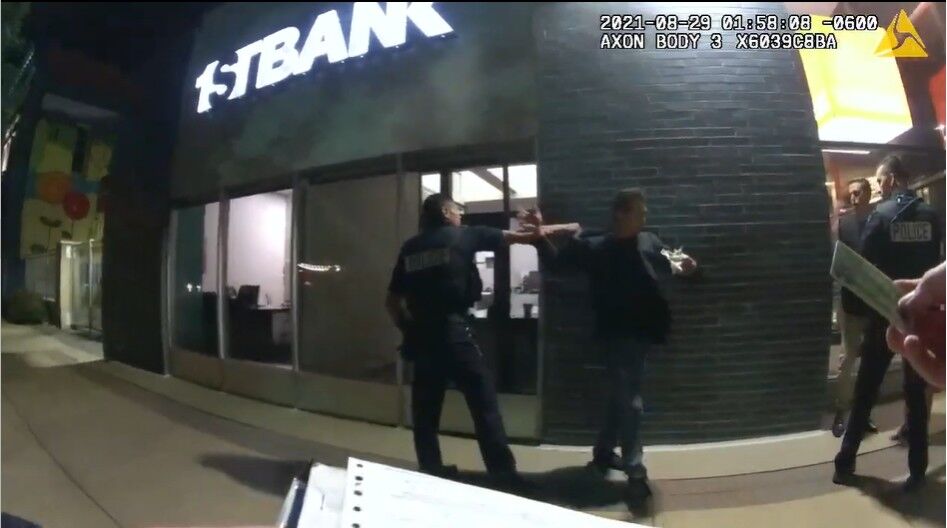
A federal judge concluded last week that a jury will need to resolve whether two Fort Collins police officers violated a man’s constitutional rights by using excessive force after he refused to accept a citation. In a Jan. 21 order,...
Colorado House launches ethics review of Rep. Ron Weinberg filed by fellow GOP legislator
Marianne Goodland
marianne.goodland@coloradopolitics.com
Updated 2 days ago
The Colorado House will convene an ethics committee to review a complaint filed by Rep. Brandi Bradley, R-Roxborough Park, against fellow Republican Rep. Ron Weinberg, R-Loveland. It will be the first time since 2012 that the House has formed an...
Colorado lawmakers reverse course, OKs $2.4M funding for additional prison beds
Marissa Ventrelli
marissa.ventrelli@coloradopolitics.com
Updated 1 day ago
The Colorado legislature’s budget panel changed course on Wednesday, reversing its previous decision to deny the Department of Corrections $2.4 million request to pay for additional prison beds. Last week, JBC members voted, 4-2, to deny the department’s request, with...
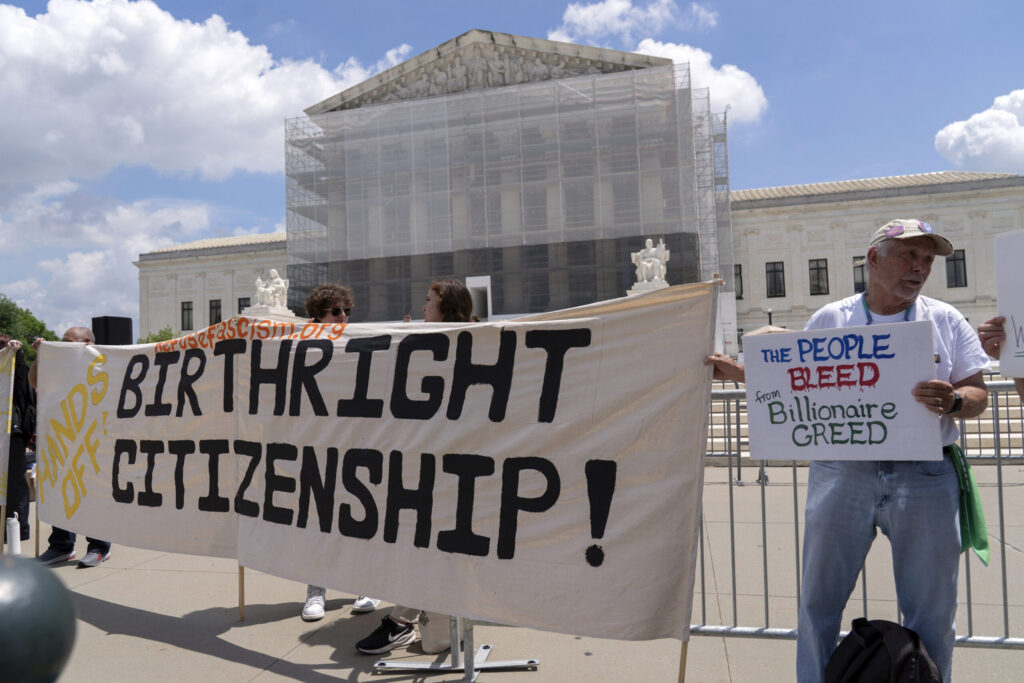
Trump allies urge Supreme Court to uphold his birthright citizenship order
Jack Birle, Washington Examiner
jack.birle.washington.examiner@gazetteedit.wpenginepowered.com
Updated 2 days ago
The Supreme Court will soon hear a landmark challenge over precisely who can enjoy the birthright citizenship granted under the 14th amendment, and the Trump administration and its allies are urging the high court to side with the president’s view....

Trump sues IRS and Treasury for $10 billion over tax return leak
David Zimmermann Washington Examiner
davidzimmermannwashingtonexaminer@wpstage.coloradopolitics.com
Updated 2 days ago
President Donald Trump filed a $10 billion lawsuit against the IRS and Treasury Department as one of the plaintiffs on Thursday, alleging a former IRS employee leaked his confidential tax records over six years ago. The federal lawsuit, filed in...

Party-line vote sends ‘red flag’ law expansion to Colorado Senate
Marissa Ventrelli
marissa.ventrelli@coloradopolitics.com
Updated 1 day ago
A panel of Colorado state senators voted along party lines Tuesday to advance a bill that would further expand who can ask a judge to temporarily restrict a person’s access to firearms under Colorado’s extreme risk protection order law. The...