

Survey: Coloradans want state to butt out of their e-transactions
If you buy online – and who doesn’t? – you may owe back taxes on your purchases and not even know it. What’s more, the state’s tax collectors may already have the information they need to track you down.
A long-standing U.S. Supreme Court ruling says a state may collect sales tax on online transactions only for vendors that have a physical presence in that state – a retail storefront, a warehouse or a call center, for example. Yet, like most states, Colorado requires e-retailers to collect tax on sales in the state even if they have no brick-and-mortar location or employees here.
The 2010 statute gets around the Supreme Court standard by allowing a theoretical option: Either collect sales taxes or share with the state’s taxing authorities basic information on Colorado shoppers’ purchases. That way the state can hold the shoppers themselves responsible for forking over the sales tax they owe.
A new state-by-state survey conducted by a trade association representing e-commerce businesses concludes that Coloradans overwhelmingly oppose the requirement. The survey by the group NetChoice found 78 percent of respondents say the state government should not force businesses to turn over the information on internet purchases. And 68 percent say the policy – NetChoice dubs it a “tattletale law” – is bad for consumers.
A NetChoice press release quotes Executive Director Steve DelBianco as saying, “In many cases, linking a particular retailer to a specific customer will give the state information on that individual’s health concerns, political leanings, sexual orientation, personal tastes, and financial circumstances.”
The press release also quotes Colorado Senate Majority Leader Chris Holbert, R-Parker:
“This polling shows the majority of the citizens in Colorado are deeply concerned about their online purchases and privacy…The online purchases from Colorado citizens should be protected information – which our current online purchase law does not protect.”
Some other findings of the survey:
Sixty-seven percent said the Colorado law violates their expectation of privacy from government intrusion into their online and catalog purchases. Eight-four (84) percent said that when making online purchases, their privacy is “very important” and another 14 percent said it is “somewhat important.” Only 2 percent of Coloradans indicated privacy was not an important factor.
Meanwhile, 60 percent said they consider the law’s intent equivalent to a statewide tax increase. Two of three Coloradans said the state should not attempt to regulate online businesses located in other states and force them to report on their Colorado customers.
A growing list of states use some semblance of Colorado’s approach to internet sales taxation, the Tax Policy Center’s Richard C. Auxier recently told CNBC. However, that doesn’t necessarily mean sales taxes actually are being collected in all or even most cases, he said. As CNBC notes:
In reality, states haven’t been particularly stringent about collecting these use taxes – and many shoppers don’t even know they owe.
“Very few taxpayers report it, even when systems are in place to make use tax payments easy,” said Auxier.


Note to Colorado lawmakers — parents protecting kids isn’t abuse, it’s their job | OPINION
Colorado Politics
colorado-politics@coloradopolitics.com
Updated 8 hours ago
By Matt Sharp and Sharon Supp During the last few years, the U.S. Supreme Court has made at least one thing clear: Colorado is consistently overreaching to apply its laws in unconstitutional ways. Colorado treated a cake artist with hostility...

H.R. 1 underscores unfairness in Colorado tax code | OPINION
Colorado Politics
colorado-politics@coloradopolitics.com
Updated 9 hours ago
By Caroline Nutter On July 4, 2025, Colorado’s budget was overturned with the stroke of a pen. When President Donald Trump signed into law H.R. 1, or the One Big Beautiful Bill Act, he didn’t only cut federal funding by...
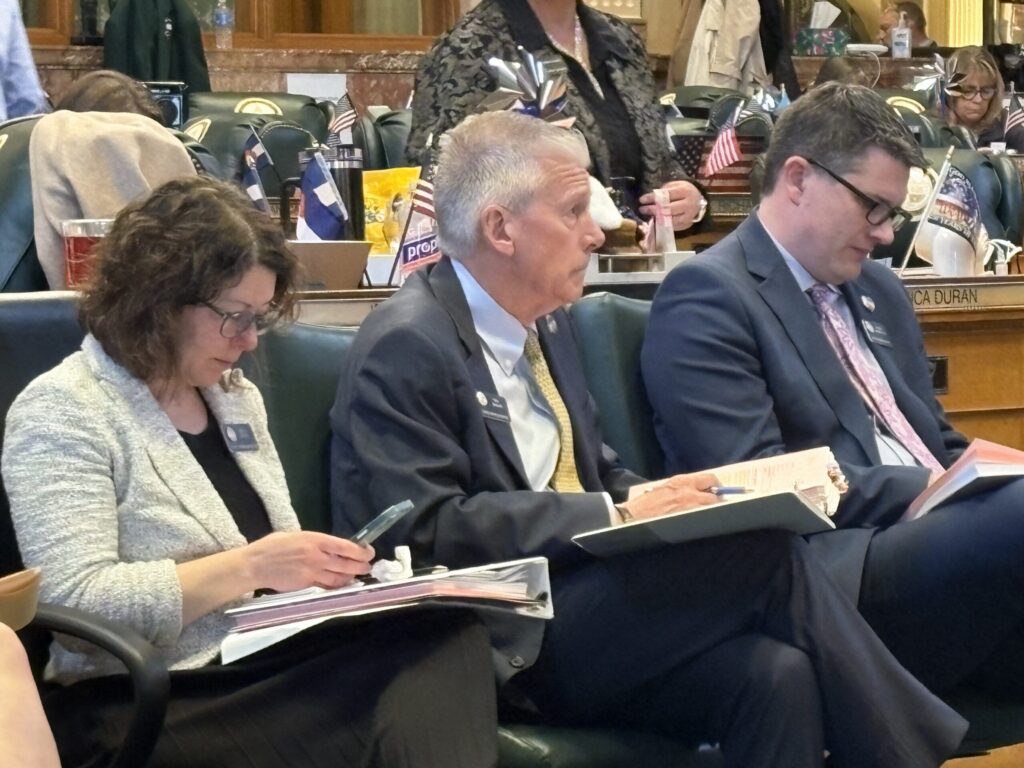
Colorado lawmakers grapple with spending cuts amid $1 billion-plus deficit
Marianne Goodland
marianne.goodland@coloradopolitics.com
Updated 11 hours ago
The battle over Colorado’s budget for next year — which stalled in the House over a procedural maneuver — entered a more difficult phase on Thursday, when legislators grappled with hundreds of millions of dollars in proposed reductions to balance...
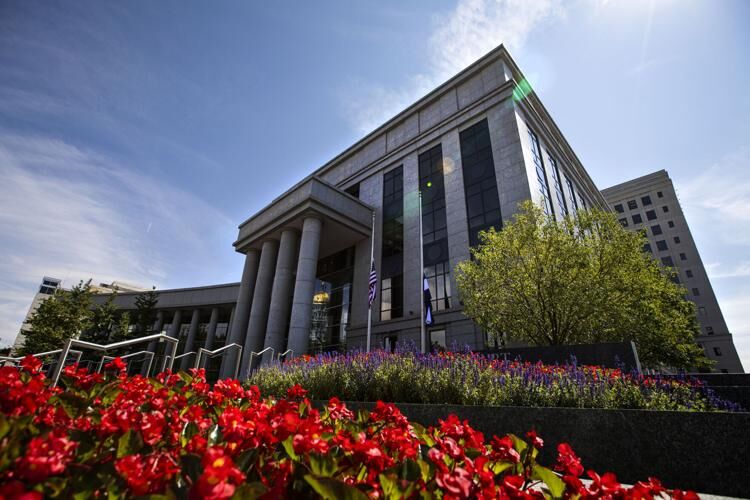
New rules for private judges in Colorado include discipline oversight, campaign contributions
David Migoya
david.migoya@gazette.com
Updated 13 hours ago
The Colorado Supreme Court recently determined the state’s private judges — retired jurists appointed to oversee civil cases that rarely get public scrutiny — can now make political contributions freely and without reserve, overruling a prohibition that had been in...

Colorado bill reshaping RTD board advances
Marissa Ventrelli
marissa.ventrelli@coloradopolitics.com
Updated 14 hours ago
A proposal to reshape the Regional Transportation District’s leadership easily cleared a committee vote Wednesday, advancing the bill sponsors say is needed to revive a transit system still struggling to regain riders and public trust. Critics have countered that, while...

Colorado Democrat John Hickenlooper pulls in nearly $1.4M in 1st quarter, heads into primary with $4M
Ernest Luning
ernest.luning@coloradopolitics.com
Updated 11 hours ago
U.S. Sen. John Hickenlooper’s campaign raised nearly $1.4 million in the first quarter of 2026 and plans to report more than $4 million on hand heading into Colorado’s June primary, the first-term Democrat’s campaign said Thursday. That brings Hickenlooper’s total...
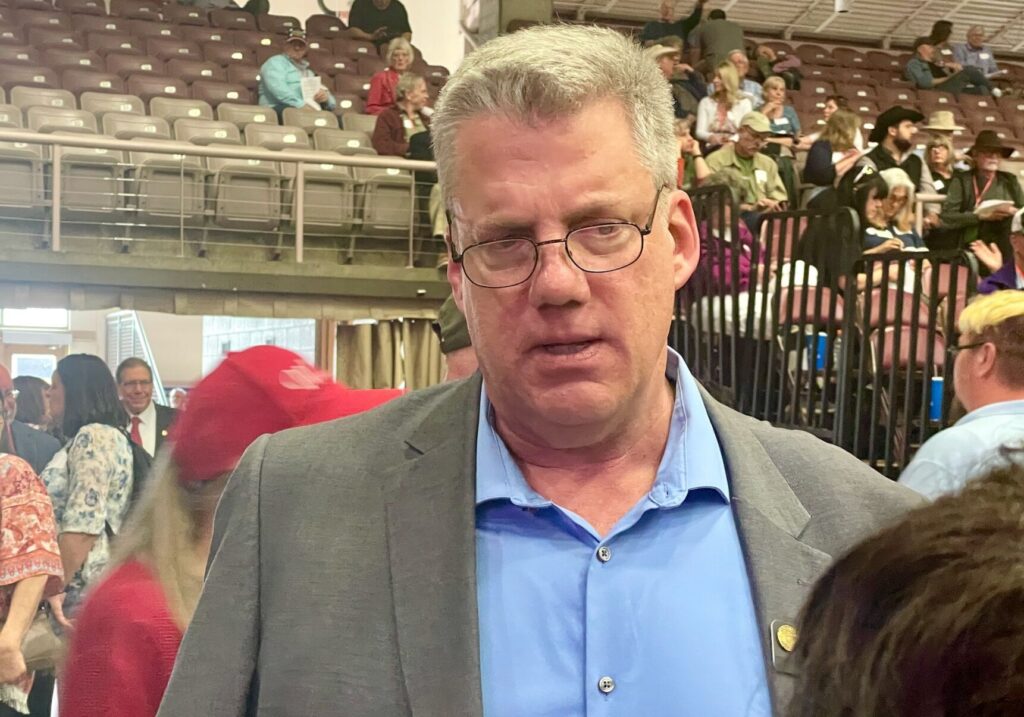
Republican Ron Hanks plans ‘grassroots’ primary challenge to US Rep. Jeff Hurd in Colorado’s 3rd CD
Ernest Luning
ernest.luning@coloradopolitics.com
Updated 14 hours ago
Colorado Republican Ron Hanks, a former state lawmaker, plans to challenge first-term U.S. Rep. Jeff Hurd in the 3rd Congressional District primary by seeking a spot on the June ballot at the GOP’s district assembly in Pueblo on Friday, Colorado...
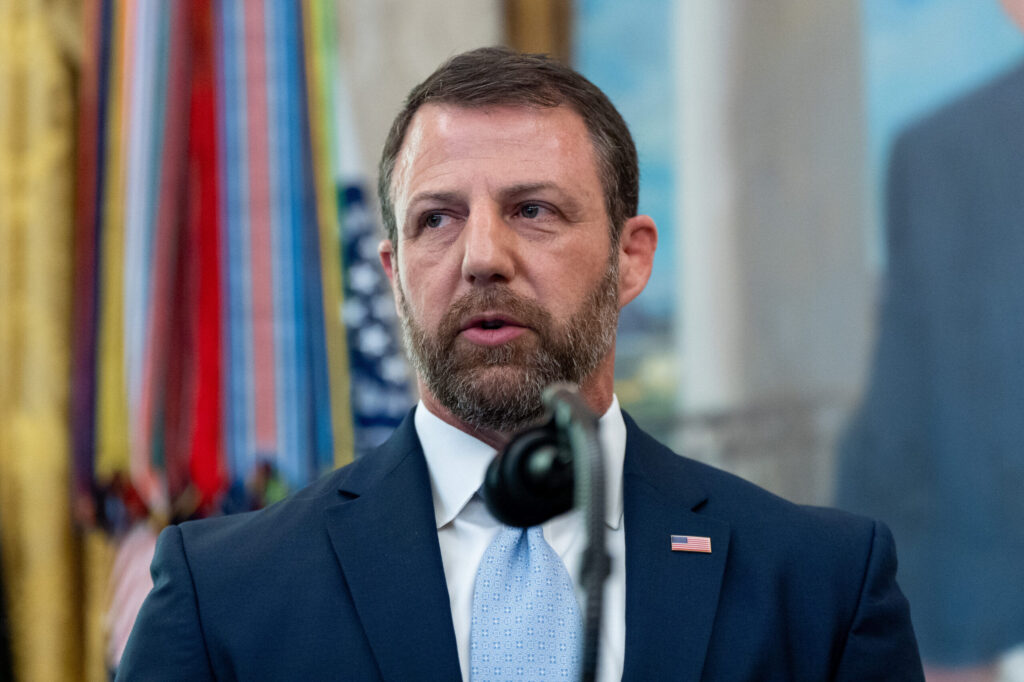
Five ways Mullin is already pushing DHS in a new direction
Anna Giaritelli Washington Examiner
anna-giaritelli-washington-examiner@coloradopolitics.com
Updated 17 hours ago
The Trump administration’s newest Cabinet secretary, Markwayne Mullin, has already begun to implement major changes across the Department of Homeland Security Mullin replaced President Donald Trump’s first DHS secretary, Kristi Noem, and was an unexpected pick to lead the department...
Appeals court finds Prowers County judge incorrectly analyzed firetruck collision lawsuit
Michael Karlik
michael.karlik@coloradopolitics.com
Updated 18 hours ago
Colorado’s second-highest court directed a Prowers County judge last month to take a second look at whether a firetruck operator and the county itself can be held liable for a collision with a motorist. Donald Williamson was driving through a...
Appeals court reverses assault convictions after jury received no definition of ‘harm’
Michael Karlik
michael.karlik@coloradopolitics.com
Updated 19 hours ago
Colorado’s second-highest court reversed an Arapahoe County defendant’s assault convictions last week, concluding the trial judge neglected to define a key, ambiguous term for jurors. Police officers arrested David Cristobal Aragon at a house party for allegedly violating a restraining...