

Help could be on the way to address EPA’s Gold King mess
People who got stuck with the Environmental Protection Agency’s mess downstream of the Gold King Mine spill in southwest Colorado in 2015 are going to be getting some federal money if the president signs the Water Infrastructure Improvements Act for the Nation. It was passed last Thursday by the U.S. House.
The $10.3 billion bill invests in harbor dredging, cleaning up water pollution in Flint, Mich., lock-and-dam work on the Ohio River and restoration of the Everglades, among 30 projects sought by the U.S. Army Corps of Engineers
Colorado Sens. Cory Gardner of Yuma and Michael Bennet of Denver worked with Senate counterparts in Utah, Arizona and New Mexico to include $20 million to reimburse local governments along the Animas River and the state of Colorado, as well as the Navajo Nation and state of New Mexico. The bill appropriates $4 million a year for five years starting in 2017.
The 3-million gallon spill was an embarrassment to the federal government. Contractors hired by the EPA accidentally breached heavily polluted water held inside a gold mine abandoned in 1923, sending a stew of heavy metals and toxins into a tributary to the Las Animas River, which turned yellow from the oxidized iron released from the mine.
“I have worked with my colleagues in the Senate to ensure this language is a part of the final legislation and I’m proud we were able to secure its inclusion in the final bill,” Gardner said in a statement. “I look forward to the president signing this legislation into law and finally bringing relief to the states, tribes, and local governments that have been at a financial loss because of the EPA’s lack of accountability.”
The bill passed the House 235-180 Thursday. All four of Colorado’s Republican representatives voted for it, while all three Democrats opposed it. It now goes to the Senate for deliberations.
U.S. Rep Scott Tipton of Cortez said he had been working since the spill to “make sure wronged parties are made whole and affected communities are compensated appropriately.”
U.S. Rep. Ken Buck of Windsor called the bill a frugal investment in American maritime transit.
“Growing a bushel of Colorado corn doesn’t do anyone much good if you can’t get that corn to the right market,” he said.
Gardner and Tipton said they expect the legislation to each the president’s desk by the end of the year.

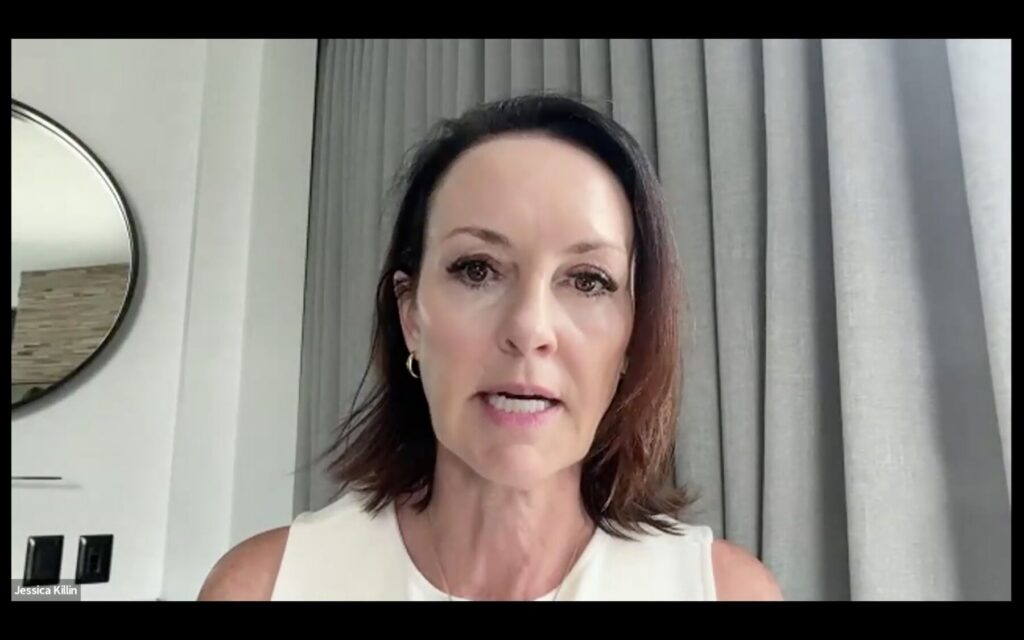
Crank challenger Jessica Killin signs on to new centrist Democratic group’s ‘Promise to America’
Ernest Luning
ernest.luning@coloradopolitics.com
Updated 1 hour ago
Jessica Killin, one of the Democrats running in Tuesday’s primary for the chance to challenge U.S. Rep. Jeff Crank in Colorado’s 5th Congressional District, joined with more than a dozen incumbent Democratic lawmakers and candidates this week signing on to...

Colorado Politics Calendar June 29-July 5
Rachael Wright, Special to Colorado Politics
rachael.wright@coloradopolitics.com
Updated 3 days ago
CoPo’s weekly political calendar will help you find political and public-policy events throughout Colorado. It includes candidate and issue campaign events, public policy meetings, court hearings, state and local party conventions, assemblies, debates, rallies, parades, speaking engagements, traveling dignitary appearances,...
Gov. Lamm’s GOP challenger gives insights into his campaign | A LOOK BACK
Rachael Wright, Special to Colorado Politics
rachael.wright@coloradopolitics.com
Updated 3 days ago
Forty-five years ago this week: “I see Gov. (Richard) Lamm is fairly popular in general,” said gubernatorial candidate and state Sen. Bill Hughes, R-Colorado Springs. “ … And he’ll be hard to beat.” Hughes was on a whirlwind campaign trail...
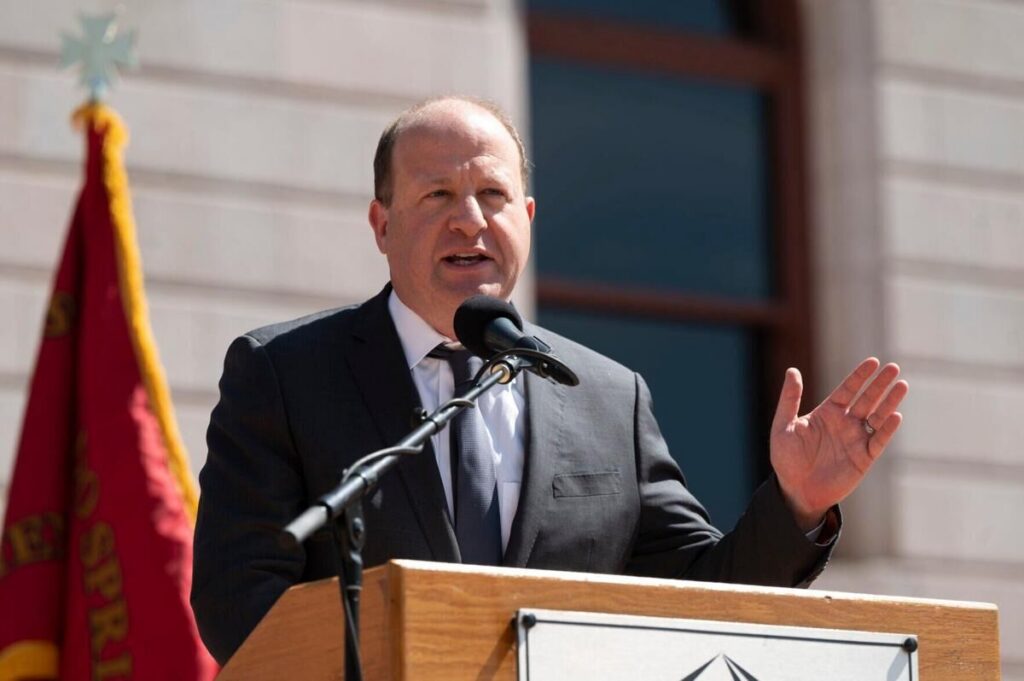
Giving credit to Polis where credit is due | SONDERMANN
Eric Sondermann
eric-sondermann@coloradopolitics.com
Updated 3 days ago
It is an understatement to suggest that Gov. Jared Polis has had a tough couple of months. The bloom was already off the rose and Coloradans were paying far more attention to the choice of his replacement than they were...

Bennet, Hickenlooper to vote against Trump’s 10th Circuit nominee from Colorado
Michael Karlik
michael.karlik@coloradopolitics.com
Updated 13 hours ago
Colorado’s two Democratic senators will not vote to confirm President Donald Trump’s nominee to a vacancy on the Denver-based federal appeals court. Trump has selected U.S. District Court Chief Judge Daniel D. Domenico, who he appointed as a federal trial...
Who’s spending in Colorado to get your vote?
Marianne Goodland
marianne.goodland@coloradopolitics.com
Updated 13 hours ago
Groups that raise unlimited amounts of money have spent about $20 million in May and June to try and influence Colorado voters’ choices in the upcoming June 30 primaries. By law, these groups cannot coordinate with the candidates they support....
U.S. government declines to oppose multiple challenges to immigration detention in Colorado
Michael Karlik
michael.karlik@coloradopolitics.com
Updated 1 day ago
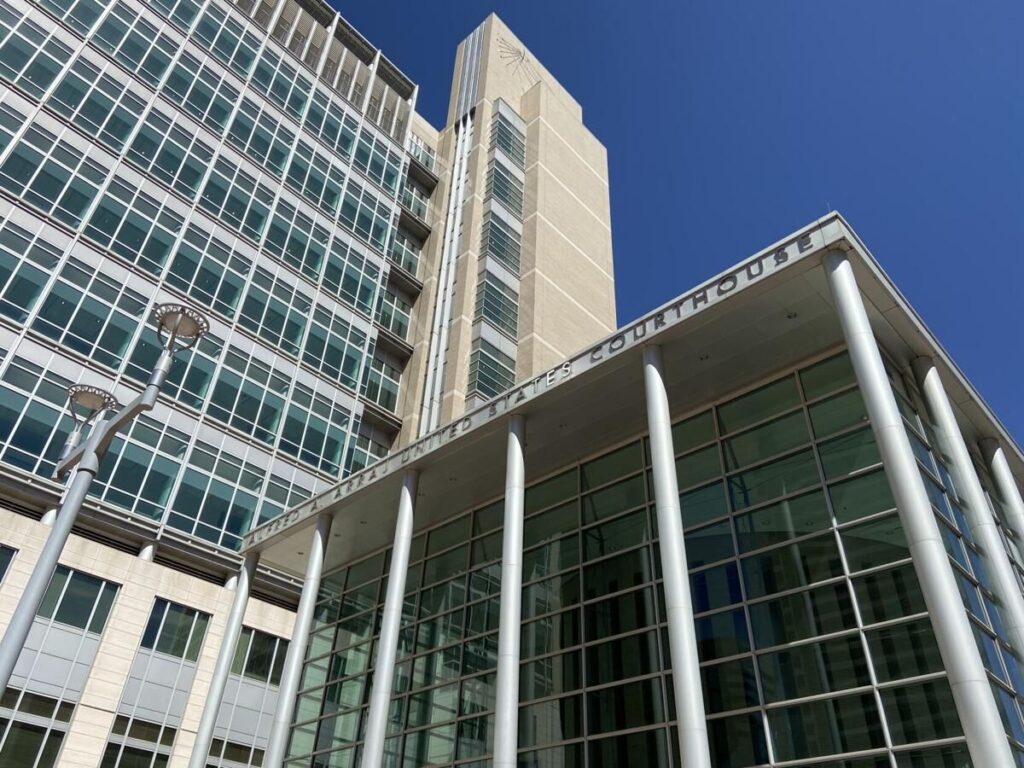
Multiple federal judges in Colorado granted petitions from people challenging the lawfulness of their immigration detention this week after the government took the unusual step of declining to submit arguments in opposition. Colorado’s federal trial court is facing a flood of...
Tina Peters tells supporters to ‘stand up and fight back’ at Castle Rock event
Marissa Ventrelli
marissa.ventrelli@coloradopolitics.com
Updated 1 day ago
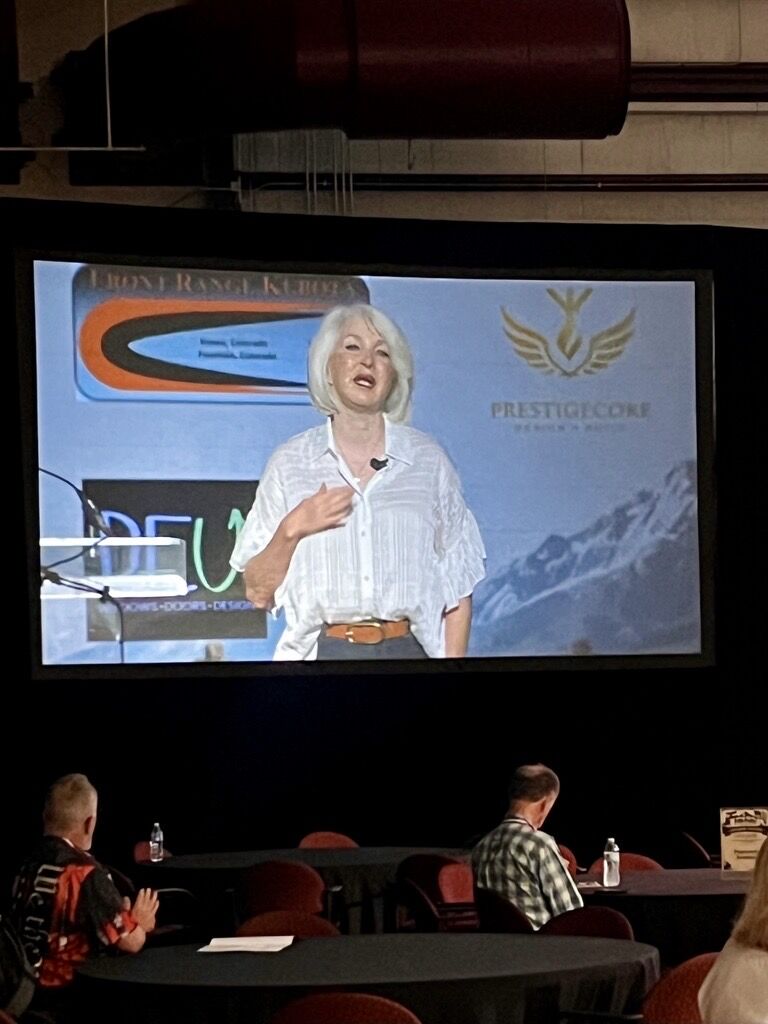
Tina Peters, the former Mesa County clerk recently released from prison, warned supporters that what happened to her could happen to them, too, if they did not “stand up and fight back” at an event at the Douglas County Fairgrounds....
Iran strikes cargo ship in Strait of Hormuz, endangering Trump’s peace
Christian Datoc
christian-datoc@coloradopolitics.com
Updated 1 day ago
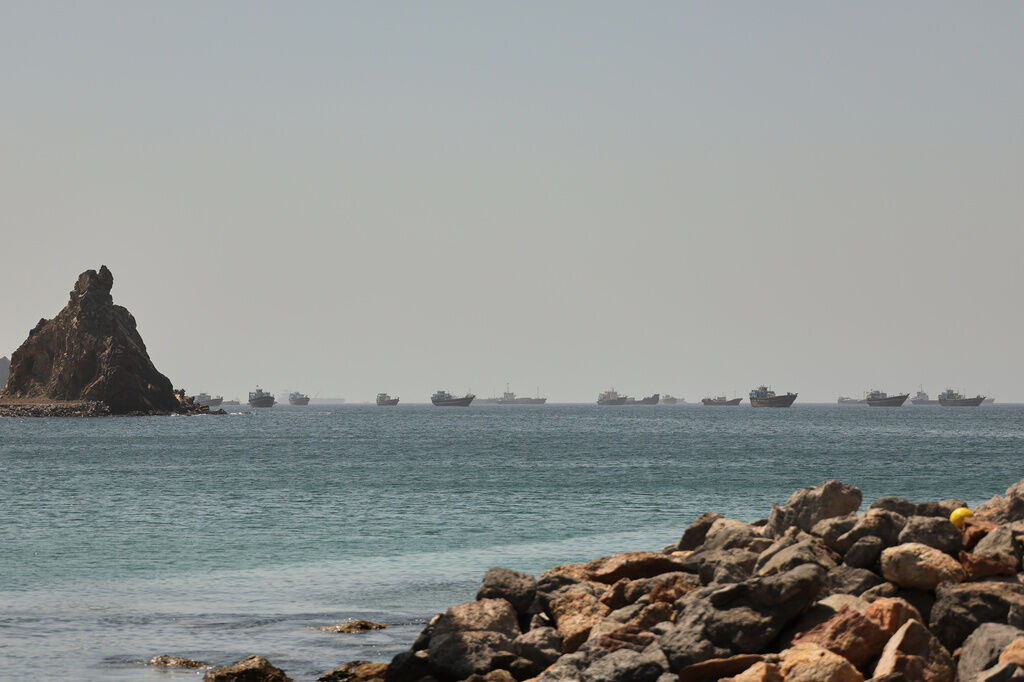
Iran attacked a cargo ship traveling through the Strait of Hormuz on Thursday, possibly upending President Donald Trump‘s diplomatic end to the war with Iran. A U.S. official confirmed to the Washington Examiner that the Islamic Revolutionary Guard Corps “struck...
Senate GOP tries to mend fences with Trump after heated lunch
David Sivak
david-sivak@coloradopolitics.com
Updated 1 day ago
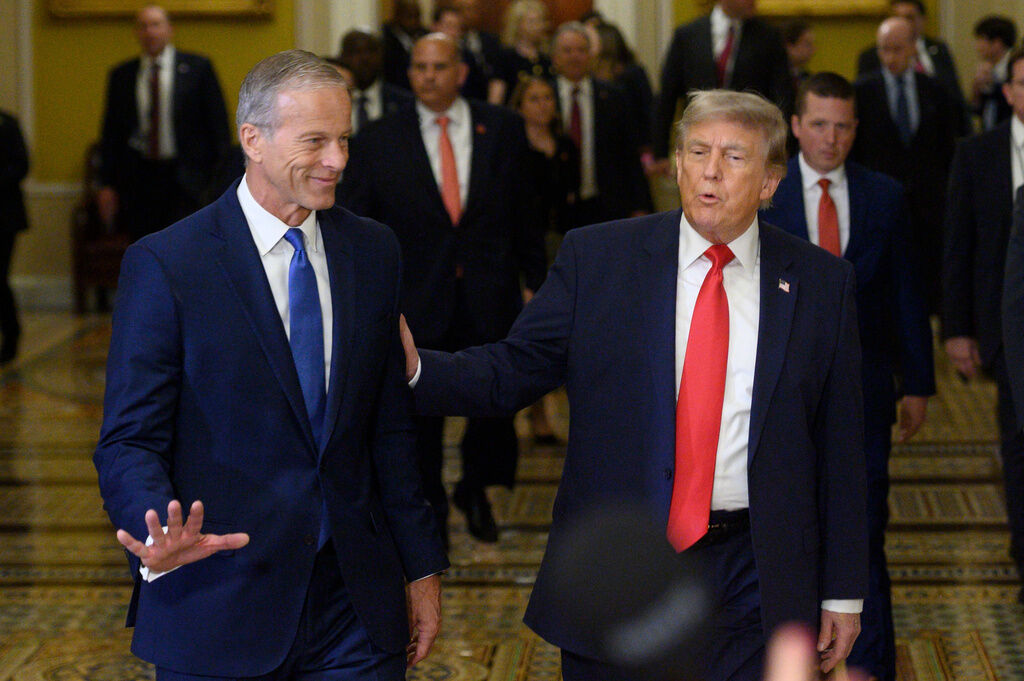
Senate Republicans are trying to turn the page on a heated lunch with President Donald Trump that brought weeks of tensions to a new high-water mark. In a symbolic gesture, Senate Republicans took another vote on the Iran war Wednesday...