

State GOP chief: ‘Colorado is still very red at heart’
Like most people, Steve House used to think of Colorado as a “purple” state-not red, not blue, but somewhere in the middle when it comes to elected Republicans and Democrats. But now the state GOP leader is thinking differently based on the party’s surprising strength on Election Day.
Presidential years are usually good for Democrats in Colorado, but despite the loss of Donald Trump in the presidential election, and Darryl Glenn lost his bid for U.S. Senate, Republicans beat the polls and exceeded even most GOP expectations in down-ballot races.
“I kind went into this election still believing, based on the evidence, that this was a purple state,” House said. “We wished it was redder, but it’s a purple state, yet we have four of the seven seats for Congress, we have one of the two seats in the Senate, we split the houses in the statehouse, the state Senate, (and) we have 60 percent of the counties that were Republican.”
As a bellwether, he cited Republican newcomer Heidi Ganahl’s win over well-known for Democratic legislator Alice Madden in the race for the statewide at-large seat on the University of Colorado Board of Regents.
While some worried people might hesitate to vote in the race because most people don’t know what a regent does, Ganahl got close to as many votes statewide as did Hillary Clinton, the state party chairman noted.
“For her to get over 1,285,000 voters tin a CU regent’s race told us two things,” House said. “One, people are starting to be more aware and care about all those races, and the other is Heidi is probably a really, really strong candidate now in this role, but also in the future.”
Clinton got about 1.33 million votes.
“I think Colorado is still very red at heart, still very fiscally conservative, and we just need to leverage what we learned this year and take it farther in ’18, when we have the opportunity to elect a Republican governor, take back the House and continue our ways in the Senate,” House said.
“I think this was a great year for learning and I think 2018 will be one of the most uniquely innovative elections in American history.”


Colorado justices agree to review insurance question that has divided federal judges
Michael Karlik
michael.karlik@coloradopolitics.com
Updated 5 hours ago
The Colorado Supreme Court granted a federal judge’s request on Friday to address an issue that has produced conflicting answers in policyholders’ lawsuits against insurance companies over unpaid benefits. “Parties (and judges) regularly spend undue time and money fighting in...
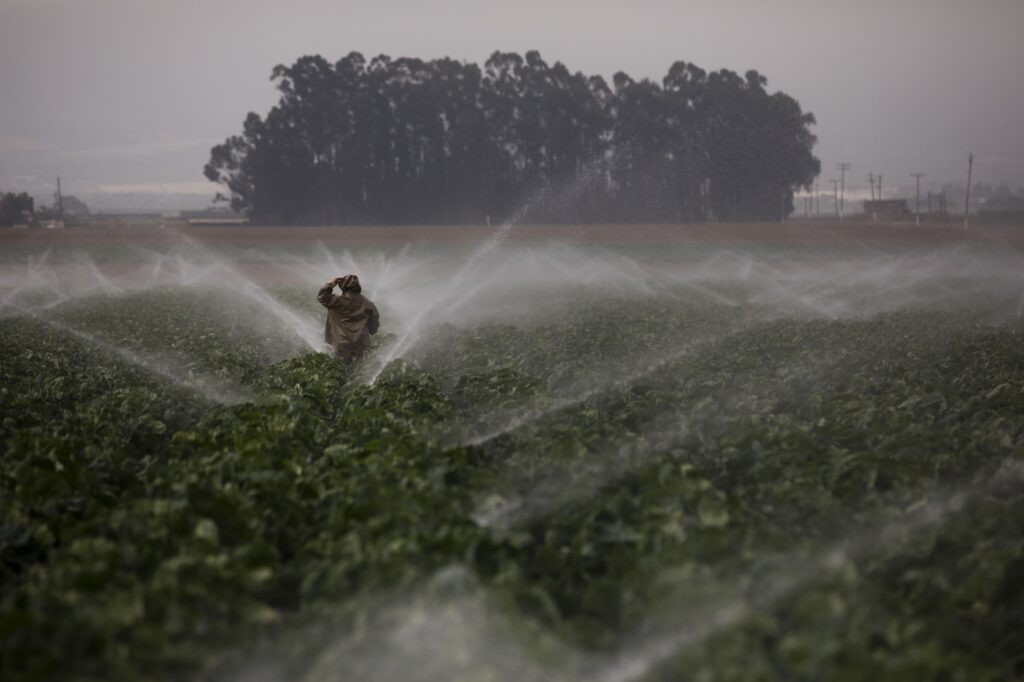
Farmworker overtime bill advances after lengthy debate in Colorado Senate
Marianne Goodland
marianne.goodland@coloradopolitics.com
Updated 6 hours ago
The Colorado Senate on Tuesday narrowly advanced a bill to raise the overtime threshold for agricultural workers, defeating more than a dozen amendments from its leading opponent aimed at rewriting the measure. As introduced, Senate Bill 121 would raise the threshold for...

Colorado Agriculture Day: A feast for the ears, eyes and stomachs
Marianne Goodland
marianne.goodland@coloradopolitics.com
Updated 5 hours ago
Gov. Jared Polis, legislators and friends of agriculture gathered at the state Capitol on Tuesday to celebrate Colorado Agriculture Day. The annual recognition of the contributions of Colorado farmers, ranchers and agribusiness drew hundreds to the Capitol’s west foyer, where...

Pueblo man held in Afghanistan for more than a year released, Taliban says
The Associated Press
the-associated-press@coloradopolitics.com
Updated 4 hours ago
KABUL, Afghanistan — Afghanistan’s Taliban authorities on Tuesday released American academic Dennis Coyle after holding him for over a year, with the foreign ministry saying the release came on the occasion of Eid al-Fitr, the Muslim holiday that marks the end of the...

Mortgage rates rise in defiance of Trump’s $200 billion push, hurting GOP on affordability
Zach Halaschak, Washington Examiner
zach.halaschak.washington.examiner@gazetteedit.wpenginepowered.com
Updated 8 hours ago
After months of a gradual decline, mortgage rates are trending back up because of the war with Iran, defying President Donald Trump’s efforts to lower them and undercutting Republicans on the key issue of affordability. As of Monday, the average rate on a 30-year...

Federal judge dismisses background screeners’ challenge to Colorado law
Michael Karlik
michael.karlik@coloradopolitics.com
Updated 9 hours ago
A federal judge dismissed a challenge on Friday to a portion of Colorado law that prohibits certain information from being included in consumer reports, in what seemed to be a conflict with federal law. Congress originally enacted the Fair Credit...
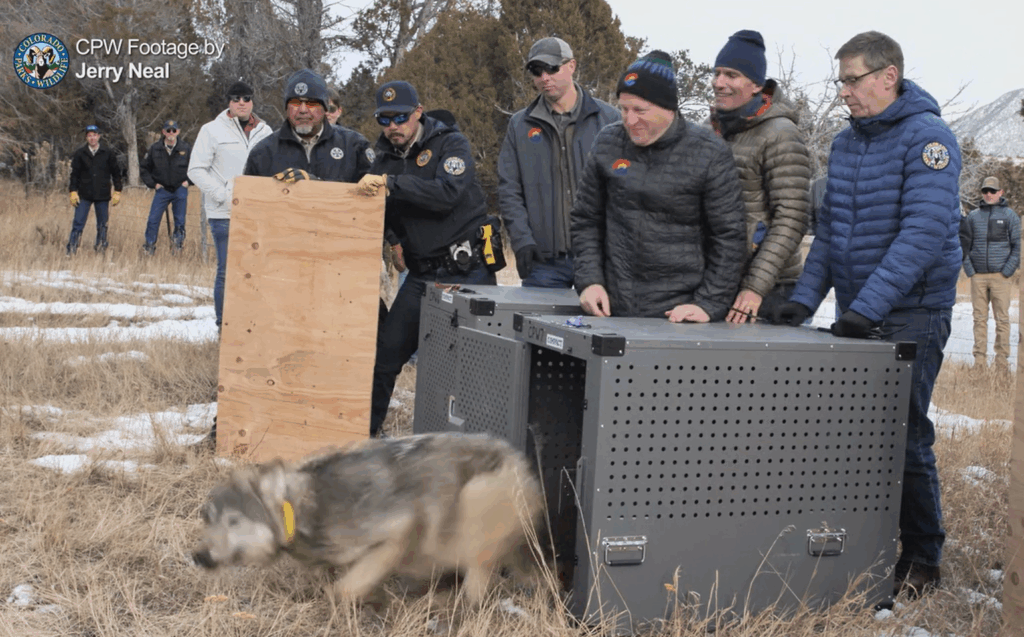
Wildlife agency asks for $450,000 to bring more wolves to Colorado
Marianne Goodland
marianne.goodland@coloradopolitics.com
Updated 2 hours ago
The panel of legislators charged with crafting the budget on Monday rejected a proposal that proponents said would increase transparency around how much Colorado Parks and Wildlife spends to bring additional wolves into the state. At the same time, the...
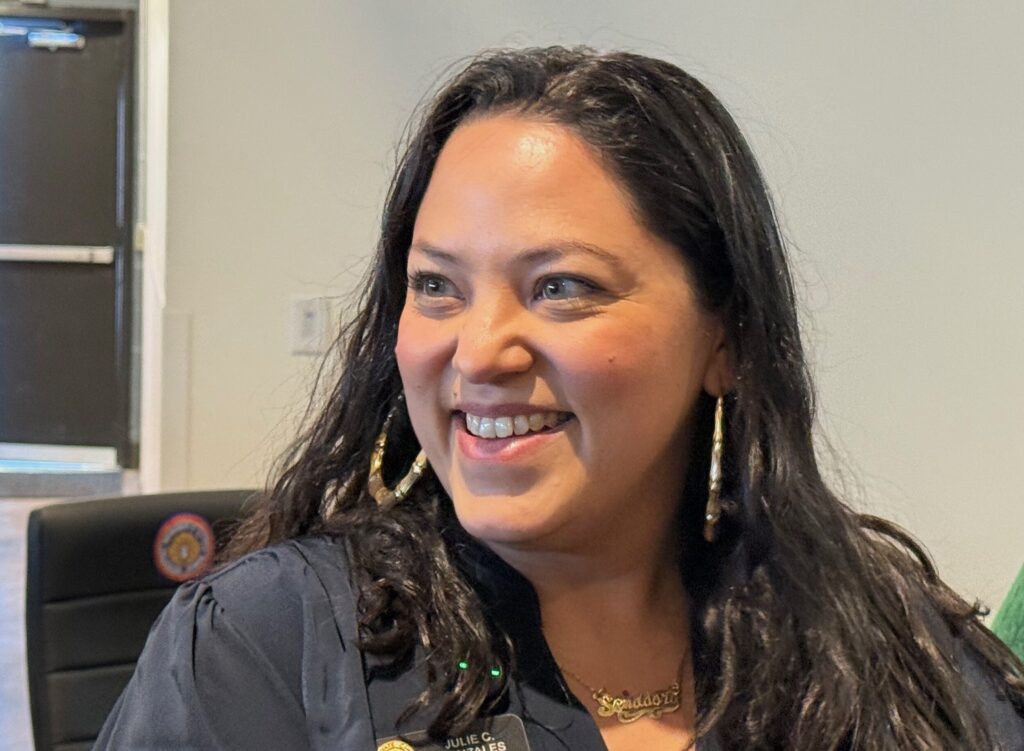
Hickenlooper primary challenger Julie Gonzales endorsed by national progressive group Indivisible
Ernest Luning
ernest.luning@coloradopolitics.com
Updated 3 hours ago
State Sen. Julie Gonzales’ bid to challenge U.S. Sen. John Hickenlooper in Colorado’s Democratic primary got a boost Tuesday from Indivisible when the national arm of the progressive grassroots group endorsed the Denver lawmaker. The national group’s endorsement comes less...

10th Circuit rejects ‘penalty’ for children of naturalized citizens seeking visas
Michael Karlik
michael.karlik@coloradopolitics.com
Updated 3 hours ago
The Denver-based federal appeals court joined three of its peers earlier this month and determined the child of a newly naturalized U.S. citizen is not moved to a longer visa line as a result of his parent gaining citizenship, and...
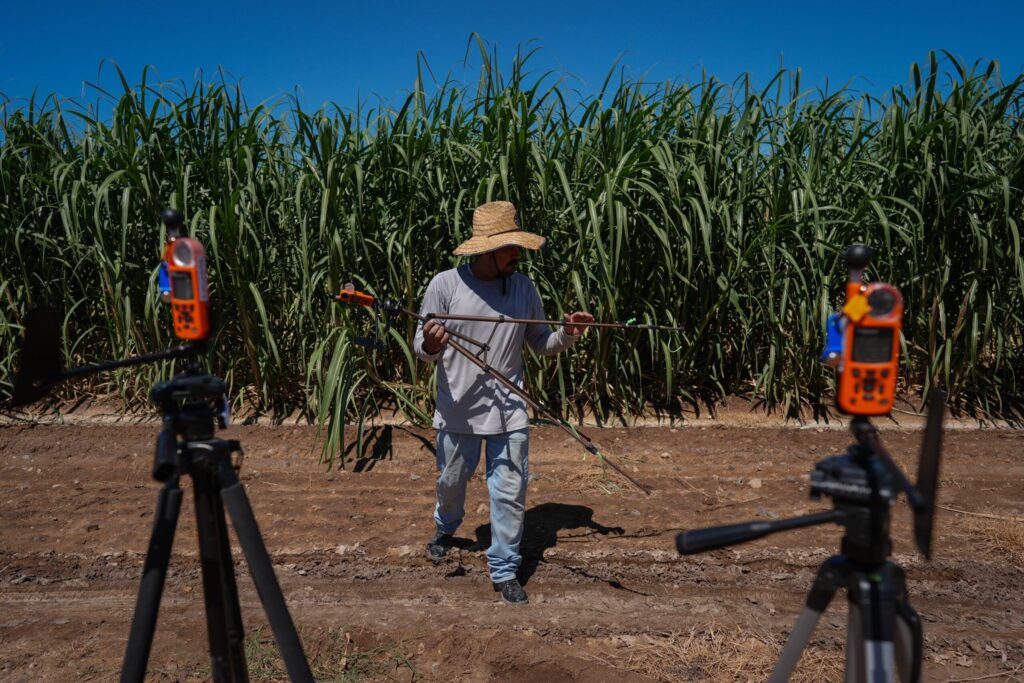
Colorado lawmakers mull renaming César Chávez Day to Farm Workers Day
Marianne Goodland
marianne.goodland@coloradopolitics.com
Updated 12 hours ago
A Colorado House committee has voted to rename the March 31 state holiday from César Chávez Day to Farm Workers Day, following a national shift prompted by sexual abuse allegations against the labor leader. The State, Civic, Veterans, and Military...