

Tipton: Honoring and serving those who have served us
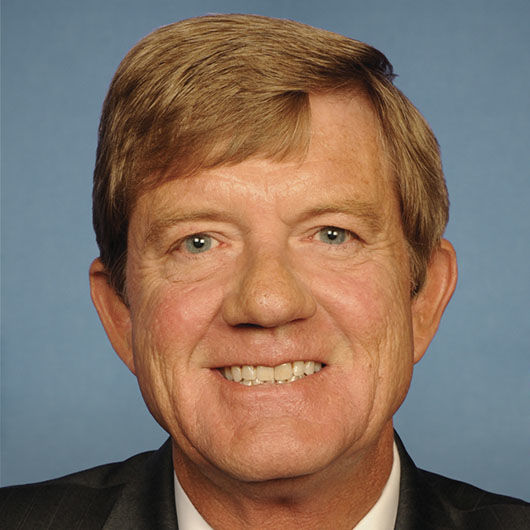
Colorado is home to over 400,000 of our nation’s veterans – men and women who have fought to protect our freedom in conflicts around the world. These men and women are often some of the most respected individuals in our communities, which makes it easy to overlook that they may be struggling to transition back into civilian life at the end of their service.
A 2012 study from the Department of Veterans Affairs (VA) found that 22 veterans tragically end their lives by suicide each day. This is a shocking and heartbreaking statistic, and it is one that greatly impacts the Third Congressional District, because a large number of our nation’s veterans make this beautiful district home when their service is complete.
September is National Suicide Prevention Awareness Month and a time when everyone can learn more about helping to prevent veteran suicide. In our communities, we can all work to make sure that no veteran ever feels like suicide is their only option.
In 2011, Clay Hunt, a decorated Marine veteran who had served in Iraq and Afghanistan, took his own life. Clay was 28, and he had struggled for four years with depression and post-traumatic stress disorder (PTSD) after returning home from his service. This past December, the Clay Hunt SAV Act (H.R. 203) was signed into law in memory of Clay and to make sure our veterans have access to the best mental health care services possible. The bill created incentives for graduating psychiatrists to serve in the VA and a pilot program to assist veterans in their transition from active duty.
In conversations with veterans groups across the Third Congressional District, and especially in the San Luis Valley, I have learned about some of the unique challenges that women veterans in our communities face. Recognizing that mental health programs must be tailored to meet the needs of different groups, in the House we passed the Female Veteran Suicide Prevention Act (H.R. 2915), which directs the VA to examine its current mental health care programming and identify the programs that are most effective and have the highest satisfaction rates among women.
In Congress, I’m working to advance policies that will lead to systematic changes that are needed to ensure our veterans receive effective mental health care services. My team in Colorado is always available to help veterans who need assistance with the VA, from arranging a medical appointment to checking on the status of a benefit claim. We can be reached in Grand Junction at 970-241-2499 and Pueblo at 719-542-1073.
The VA also has resources that may be helpful if you or a loved one is suffering from depression or PTSD. The VA’s Veterans Crisis Line can be reached at 1-800-273-8255, or veterans can chat online at VeteransCrisisLine.net/Chat and by text at 838255.
I am honored to represent a district that works so hard to make sure our veterans are taken care of when they return home, and I’m committed to advancing federal policies that will ensure we honor and serve the men and women who have so honorably served our country. The next time you run into a veteran in the community, take a minute to let them know you appreciate their service. You never know how big of a difference a small “thank you” could make.

What exactly makes you a public figure? | Hal Bidlack
Hal Bidlack
hal-bidlack@coloradopolitics.com
Updated 20 hours ago
Well, once again, this non-lawyer columnist is going to jump in the deep end of legal scholarship and will explore a recent Colorado Court of Appeals decision. Buckle up. In yet another terrific Colorado Politics Court Crawl article, we learned...

Modernizing Pinnacol is about its members, not politics | IN RESPONSE
Colorado Politics
colorado-politics@coloradopolitics.com
Updated 10 hours ago
By Akasha Absher While we share the passion for protecting Colorado’s workers expressed in a recent op-ed from the perspective of trial attorneys and union representatives, the piece paints a picture of Pinnacol Assurance that is more rooted in 1915...

Mum on his own replacement, Bennet disrespects voters | Dick Wadhams
Dick Wadhams
dick-wadhams@coloradopolitics.com
Updated 3 days ago
U.S. Sen. Michael Bennet is playing an arrogant game of hide-and-seek with Colorado voters as he seeks to abandon his Senate seat to become governor. Bennet insists that if he is elected governor in November, he will wait until he...

What kind of energy independence did we pay for? | Miller Hudson
Miller Hudson
miller-hudson@coloradopolitics.com
Updated 3 days ago
It was during the summer of 1972 AT&T published an internal solicitation for installation and repair supervisors with “inner-city” experience to transfer to Mountain Bell. The catch was an applicant’s readiness to work 10 hours a day, six days a...

Those who cannot live without wild things | Rachel Gabel
Rachel Gabel
rachel-gabel@coloradopolitics.com
Updated 3 days ago
Aldo Leopold wrote in his Sand County Almanac, “There are some who can live without wild things and some who cannot.” The collection of essays first published in 1949 was accepted by a publishing house after a steady stream of...

Thank God for Wyoming — the un-Colorado | Jon Caldara
Jon Caldara
jon-caldara@coloradopolitics.com
Updated 3 days ago
Years ago, I interviewed a Canadian health-care broker whose job was helping his countrymen escape their own failing system. When their “free” health care turned into “free to wait until you die,” he’d save his clients by routing them to...
It’s time to let unaffiliated voters caucus | Vince Bzdek
Vince Bzdek
vince.bzdek@gazette.com
Updated 1 day ago
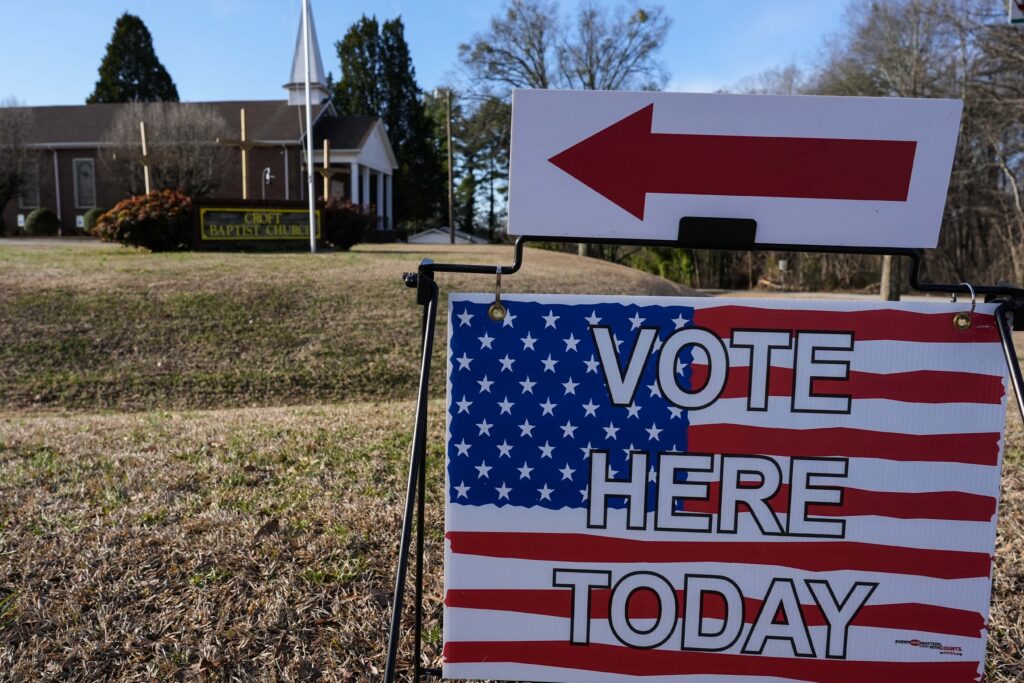
There’s no getting around it: Colorado’s 3,000 county caucuses, which just wrapped up recently, left half the electorate out in the cold. Since unaffiliated voters now make up 51% of all Colorado voters, a majority of Colorado electors are barred...
A Mile High, again: Capitol M | Week of March 21, 2026
Marianne Goodland
marianne.goodland@coloradopolitics.com
Updated 6 days ago
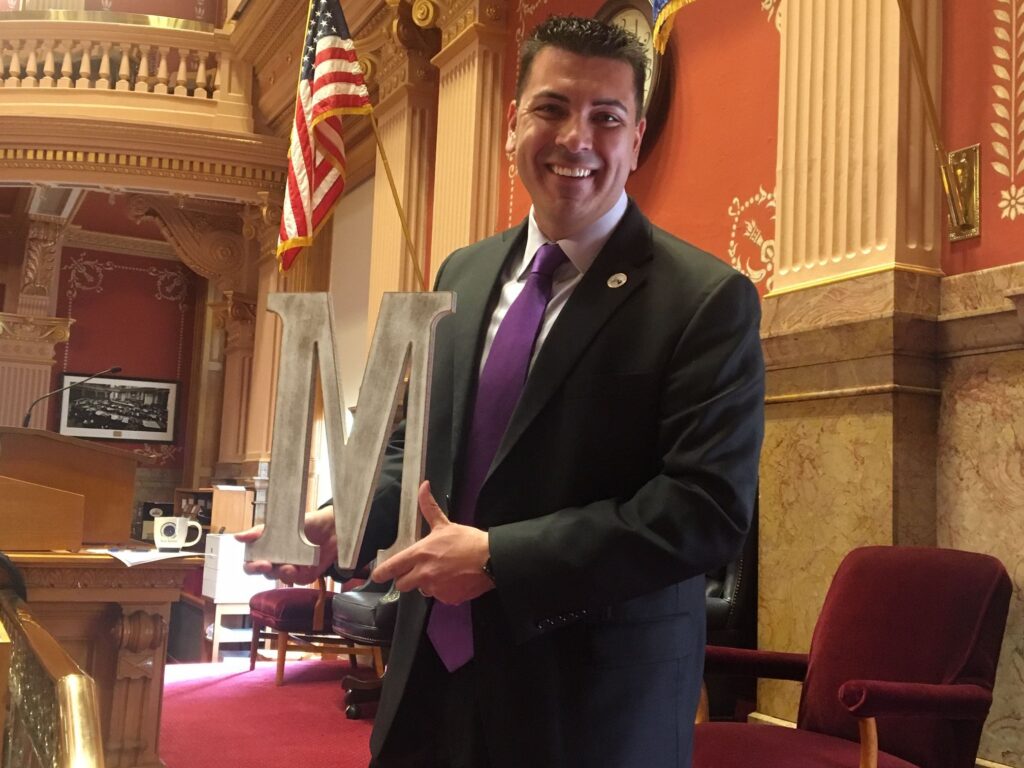
The lighter side of the Capitol, usually…. Local Journalism Day, except they forgot their very own local journalists. The state Senate on Thursday, March 19, passed a resolution recognizing Local Journalism Day. Everyone voted for it, which is good, because...

The insular bubble of caucuses and assemblies | SONDERMANN
Eric Sondermann
eric-sondermann@coloradopolitics.com
Updated 5 days ago
Nearly 30 years ago, then-Federal Reserve Chairman Alan Greenspan coined the term “irrational exuberance” to describe the overheated stock market. That descriptive phrase could also apply to much of the political realm. The hype in politics often grossly exceeds the...
Set appropriate state guidelines for critical surveillance technology | OPINION
Colorado Politics
colorado-politics@coloradopolitics.com
Updated 5 days ago
I admit it: I’m worried. I’m hearing a lot about surveillance in the public arena. I hear cameras are capturing my car’s license plate wherever I drive, my face as I go in and out of stores and health facilities,...
PREV
PREVIOUS

May: ‘Political correctness’ finds a new target
Fiction writing is now in the crosshairs, warns novelist Lionel Shriver In “Nineteen Eighty-Four,” George Orwell’s classic novel about a totalitarian and dystopian future, the ruling Party develops “Newspeak” as way to limit freedom of expression and thought. So, for example, “goodthink” refers to thoughts approved by the Party. That which is not “goodthink” is […]
Noonan: School district mill, bond resolutions cannot resolve state underfunding
Colorado’s public schools have experienced the short end of the money stick since the 2008 recession. From 2010, annual funding has run about $950 per year per student less than obligated. The state Legislature labels the gap as the “school finance negative factor.” That’s the crisis that many school districts want to mitigate through bond […]