

Hullinghorst: Without fanfare, divided chambers achieved a great deal

Some have argued this was a do-nothing legislative session. While some of the bigger, flashier items did not get through both chambers, with less fanfare, we did in fact achieve a great deal.
Our bipartisan workforce development package included a paradigm-shifting program to get industries more involved in classroom education, a program to incentivize school districts to produce high school grads with workplace-specific certifications or training, and an extension of the ReHire Colorado training program for the chronically unemployed or underemployed. And we passed two important bills addressing the shortage of affordable housing in Colorado.
The Colorado Water Plan took 10 years to put together. This year, we began to implement it with four bills to promote water conservation and protect water rights. After this session, Coloradans are now finally allowed to collect and use rainwater.
In addition to increasing the annual per-pupil funding in this year’s budget when we were expecting major cuts, we passed one of the first and most ambitious bills in the nation to protect student privacy and ensured that homeless Colorado youth can attend our universities with in-state tuition. We invested in the Safe2Tell school violence hotline program by passing a law to provide educational materials and training to schools across the state and expanded the ability of school officials and law enforcement to take action if a patient makes a specific and significant threat against a school.
To keep hard-working Coloradans healthy, we secured $2.5 million in the state budget for family planning services, passed a bill that ensured that employers make reasonable accommodations for pregnant workers so women don’t have to choose between a paycheck and a healthy pregnancy, and established a program for rural Coloradans to prevent youth substance abuse.
Criminal justice is always an important legislative priority. Several important bills were passed including legislation to expand prohibitions on police profiling, to make sure that a police officer with a poor record doesn’t get hired in other communities, and to ensure that only licensed attorneys or persons authorized under federal law are allowed to provide legal services in an immigration issue – cracking down on those who take advantage of immigrants, claiming to have legal expertise.
But it’s our state budget that is the cornerstone of every legislative session. The heaviest lift of the session was the budget we produced for the 2016-17 fiscal year, which begins July 1. Difficult tradeoffs had to be made to keep state spending under the revenue limit written into our state constitution, but we did balance the budget.
We reduced the so-called “negative factor” by 2.8 percent – a small victory for our schools – but it still stands at a daunting $830.7 million. And other priorities had to take a reduction: We lowered general fund transfers to the state’s highway fund by 25 percent, to $150 million. We had to reduce support for hospitals by $73 million, with the impact doubled by the loss of federal matching funds, which has a major negative impact on rural hospitals. And we had to freeze investment in higher education, payment rates for medical providers and state employee salaries.
Colorado’s revenues are up because our economy is surging, and our 3.1 percent unemployment rate is the fourth best in the nation. This is a time when we should be making big investments in our long-term prosperity. Instead, our 2016-17 state budget looked as if we’re headed toward recession.
And unless we act to make some room under the general fund revenue limit in the future, the vise will tighten further in the 2017-18 budget and beyond. There will be no new money for transportation; toll lanes will be the only new road construction we can afford. We’ll have to reduce our support for higher education, putting a college degree out of reach for more and more Coloradans. We’ll even have to cut K-12 education, pushing the “negative factor” beyond the billion-dollar level.
We have to begin preparing for the future now. From planning to completion, road projects take several years. Investments in education often take more than a decade to produce results. These are long-term investments, and we have not been making them. We’re falling farther and farther behind.
The cuts and freezes in this year’s budget, and those that will most assuredly have to happen in future budgets, were avoidable. The hospital provider fee legislation I introduced this session was a workable, constitutional, bipartisan, multi-year solution to the state’s structural budget problem that would have allowed us to invest in priority services such as transportation and education at a level that will support Colorado’s growth and economic vitality. By 2020, my bipartisan legislative package would have invested $2 billion in our state’s highest priorities without raising the tax rate of a single Coloradan.
I am very disappointed we did not get there on the provider fee in this legislative session. I am hopeful that citizens recognize the importance of making these critical investments, and will continue to push lawmakers to solve our long-range budget conundrum, or tackle the issue themselves at the ballot.
I do believe, however, that we did accomplish a great deal for the citizens of Colorado. And while the work certainly isn’t done, I am fundamentally hopeful for our state.

An “-“ends tribute in a week full of “odds” | Capitol M | Week of April 11, 2026
Marianne Goodland
marianne.goodland@coloradopolitics.com
Updated 2 days ago
The lighter side of the Capitol, usually… The decision to read the budget bill — the long bill, which spans 661 pages this year — put a damper on the House’s already less‑than‑festive mood. So Capitol M decided to catch...
A longshot, upset bid and a few quick takes | SONDERMANN
By Eric Sondermann
by-eric-sondermann@coloradopolitics.com
Updated 2 days ago
It is hard to keep up these days. The flow of news often seems overwhelming. Let’s focus today on an unusual congressional race before moving on to a few quick, supplementary observations. Since its creation 54 years ago, Congressional District...

Colorado Medicaid director’s resignation long-overdue inflection point for our families, kids | OPINION
Colorado Politics
colorado-politics@coloradopolitics.com
Updated 21 hours ago
By Heidi Baskfield For years, the consequences of a strained and fragmented Medicaid system have fallen on those least able to navigate it — the children with complex needs and the families fighting to care for them. Though policy debates...
Note to Colorado lawmakers — parents protecting kids isn’t abuse, it’s their job | OPINION
Colorado Politics
colorado-politics@coloradopolitics.com
Updated 1 day ago
By Matt Sharp and Sharon Supp During the last few years, the U.S. Supreme Court has made at least one thing clear: Colorado is consistently overreaching to apply its laws in unconstitutional ways. Colorado treated a cake artist with hostility...

H.R. 1 underscores unfairness in Colorado tax code | OPINION
Colorado Politics
colorado-politics@coloradopolitics.com
Updated 1 day ago
By Caroline Nutter On July 4, 2025, Colorado’s budget was overturned with the stroke of a pen. When President Donald Trump signed into law H.R. 1, or the One Big Beautiful Bill Act, he didn’t only cut federal funding by...
The danger of when government goes rogue | Paula Noonan
Paula Noonan
paula-noonan@coloradopolitics.com
Updated 21 hours ago
It’s dangerous, even fatal, when government goes rogue whether in a democracy or autocracy. Government officials who ignore or taunt laws that constrain bad acts should be given the heave ho. We’re witnessing these egregious scenarios now at the federal...

The future of Colorado condo development | OPINION
Colorado Politics
colorado-politics@coloradopolitics.com
Updated 2 days ago
By Peter LiFari For nearly two decades, the story of condominium construction in Colorado has been mistold, misunderstood and misrepresented. This outcome reflects the cumulative effect of more than two decades of Colorado policy, beginning with the Construction Defect Action Reform...
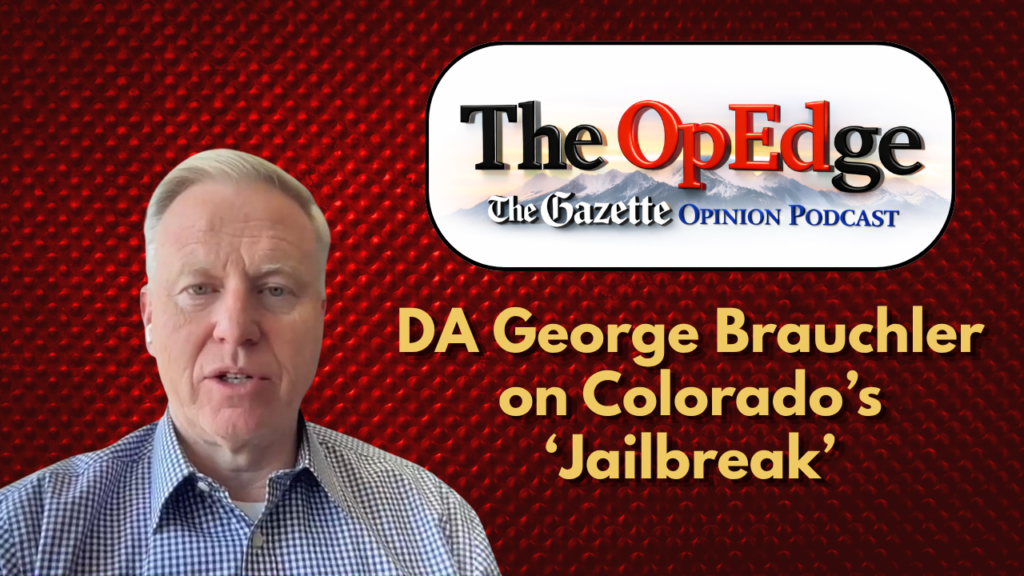
George Brauchler on Colorado’s ‘Jailbreak’ | The OpEdge Podcast
Tony Olivero
tony.olivero@gazette.com
Updated 3 days ago
We are pleased to introduce the inaugural episode of The OpEdge — The Gazette’s new opinion podcast. District Attorney and law enforcement hawk George Brauchler tells host and investigative columnist Jimmy Sengenberger what lawbreakers can expect in the 23rd Judicial District. Brauchler recaps...
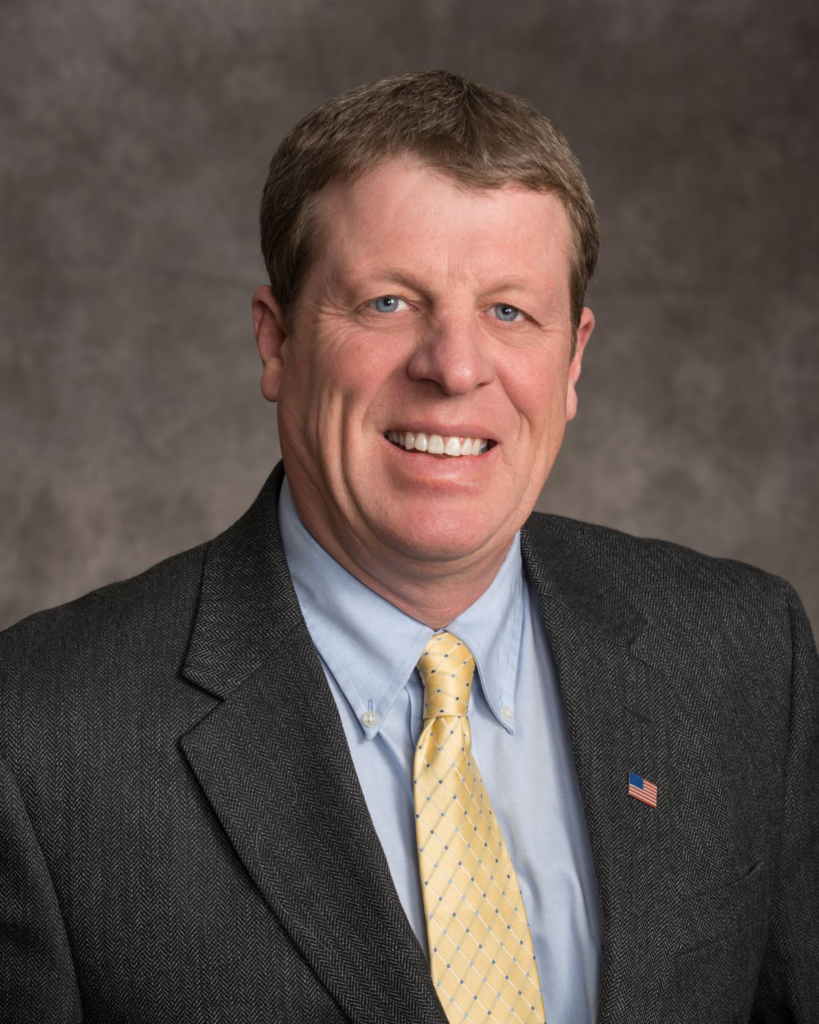
Update, safeguard Colorado’s mail ballot with voter ID | PODIUM
Colorado Politics
colorado-politics@coloradopolitics.com
Updated 2 days ago
By Chuck Broerman and Suzanne Taheri Coloradans often refer to our state as a leader for accessible and secure elections. We have led on all-mail ballots, automatic voter registration and same-day registration, turning Colorado into a model for modern elections...
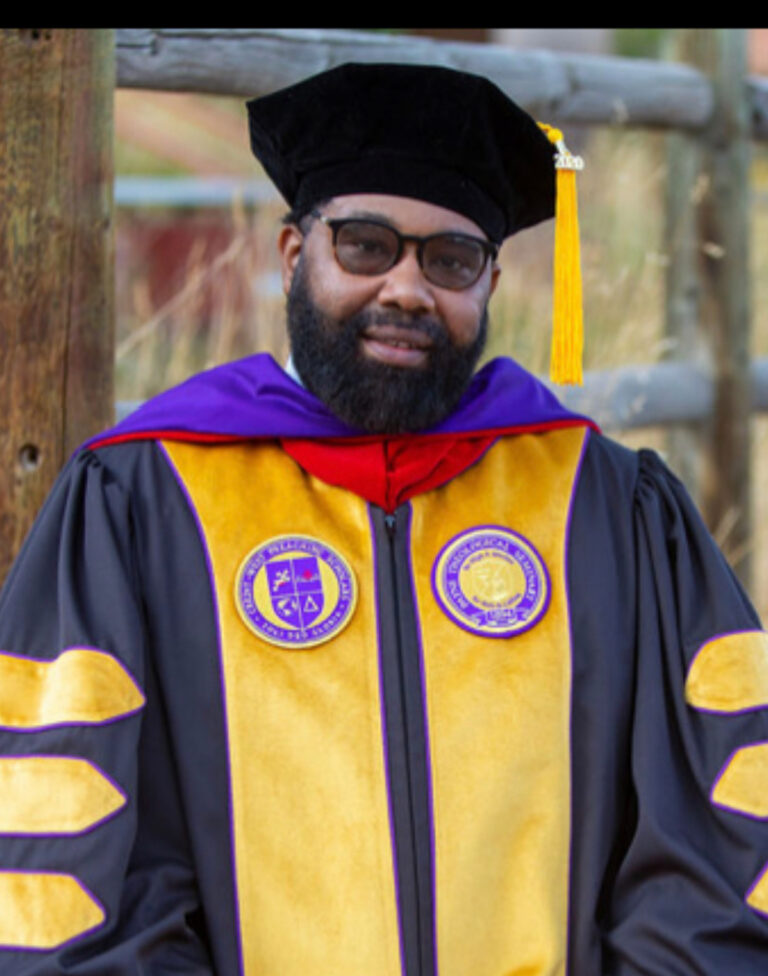
Preserving access for vulnerable communities should be a top priority in Congress | OPINION
Colorado Politics
colorado-politics@coloradopolitics.com
Updated 3 days ago
By Tony Henderson As both a minister and as president of the NAACP Denver, I believe access to high-quality, accessible health care is a right that should be afforded to each and every one of us. To that end, Medicare...
PREV
PREVIOUS

DelGrosso: Theme of session is ‘missed opportunities’
From the start of the session, House Republicans identified increasing funding for education and transportation and addressing Colorado’s affordable housing shortage as our top priorities. Unfortunately, our Democrat colleagues did not share our same priorities and instead focused on passing a partisan agenda that penalized, over-regulated, even publicly shamed Colorado’s job creators. Democrats rejected our […]
Scheffel: Session showcased clear divide on economic issues
It is often overlooked that much of what the General Assembly can do in any given session, from the annual budget on down, directly depends on the strength and vitality of Colorado’s private sector economy. The state’s economy is the team of horses that pulls everything else along, including government. Virtually every dollar spent at […]