

Hudson: Free-marketeers gather in Steamboat to celebrate Founding Fathers
The Steamboat Institute, consciously conceived as a conservative counterbalance to the Aspen Institute’s annual conferences, met last weekend to examine the health of the conservative project. After travel, lodging and registration, the 350-plus delegates probably dropped a thousand dollars apiece for the privilege. If you harbor any doubts that Americans are well on their way to self-segregating along political, rather than racial or ethnic divides, this audience would disabuse you of the alternative theories.
A rock-and-roll band populated by Middle East combat veterans, called Madison Rising, provided the entertainment. Who knew there was such a thing as conservative rock? Lead vocalist Dave Bray displayed the ripped jeans and tattoo ink we’ve come to expect, but his lyrics spoke to American exceptionalism. While 80 percent of the audience appeared Medicare-eligible, the remainder was largely made up of a smattering of millennials.
You don’t blow a grand, even in Steamboat, for a weekend of workshops if you don’t care deeply about the future of your country. But this was not a Trump crowd. It was more an Adam Smith, John Locke faithful, confident the best solution for virtually every public challenge is either market-based or reliant on privatized delivery. Nonetheless, there was a mood of glum resignation that seemed to pervade many discussions. The turmoil in the Republican primaries has failed to produce a suitable Galahad to rally conservative hordes, while Republican majorities in Congress have failed to remain faithful to the conservative creed – often squandering tens of billions of dollars, only on a different set of supplicants than Democrats. There was a lot of chatter about a nation in decline, decaying values and failing schools.
The only presidential candidate to make a personal appearance in Steamboat was Dr. Ben Carson. The good doctor, a retired pediatric neurosurgeon, seems to be the anti-Trump. Calm, measured and reasoned, he can command a room with common sense. No need to be excitable, no propensity to exaggerate or alarm. After spending a lifetime holding the lives and wellbeing of your patients in your hands, it appears to have endowed Carson with a sense of calm perspective. When asked whether voters should be concerned about the fact he had no political experience, Carson quipped, “This job isn’t brain surgery.” As the laughter subsided, he added, “Being president is about making good decisions. It’s about arming yourself with the best information, talking to the best people and then having the courage to make a decision. That’s what I’ve been doing – talking to our generals, our ambassadors and other experts. Maybe at the next debate I can get a question about foreign policy.” He promised that a book he is writing with his wife, Candy, will explain the Constitution for a lay audience.
The delegates liked him. As his popularity grows, Carson may well find a place on the Republican ticket. His selection would put the lie to the charge that opposition to Obama is all about his color. Carly Fiorina taped a rousing version of her stump speech from a hotel room somewhere in the Southeast but didn’t seem to electrify the crowd.
An afternoon panel with corporate CEOs, moderated by Bob Beauprez, wandered into the fever swamps of income inequality, “death taxes” and envy of the rich. Jim Neiman, president of a forest products manufacturer, even lamented discrimination against the wealthy, apparently unaware the American Revolution was, in large part, an assault on the privileges of hereditary aristocracy. Another speaker lauded a rededication to the “conservative principles of our Founding Fathers.” This appraisal might come as a surprise to King George and the Tory Parliaments that lost the American war.
Robert Woodson, founder and president of the Center for Neighborhood Enterprise, woke up his audience on Saturday morning with inspiring tales of success turning around inner-city neighborhoods and public housing projects by affording residents the opportunity for self-government and community-sponsored enterprises. Woodson, a one time civil rights organizer, has been working this beat since he persuaded Jack Kemp to turn the governance of federally funded housing projects over to resident councils, a policy that both liberals and conservatives now support.
– Miller Hudson is a public affairs consultant and a former state legislator. He can be reached at mnhwriter@msn.com

Bipartisan opposition sinks eviction reform bill in Colorado House committee
Marissa Ventrelli
marissa.ventrelli@coloradopolitics.com
Updated 47 minutes ago
Two Democrats sided with Republicans on the House Judiciary Committee to kill a bill that would have made several changes to eviction filings and proceedings, including requiring judges to suppress court records. Sponsored by Rep. Junie Joseph, D-Boulder, House Bill...
Appeals judges tell Boulder students about workload, ‘attack mode’ during school visit
Michael Karlik
michael.karlik@coloradopolitics.com
Updated 1 hour ago
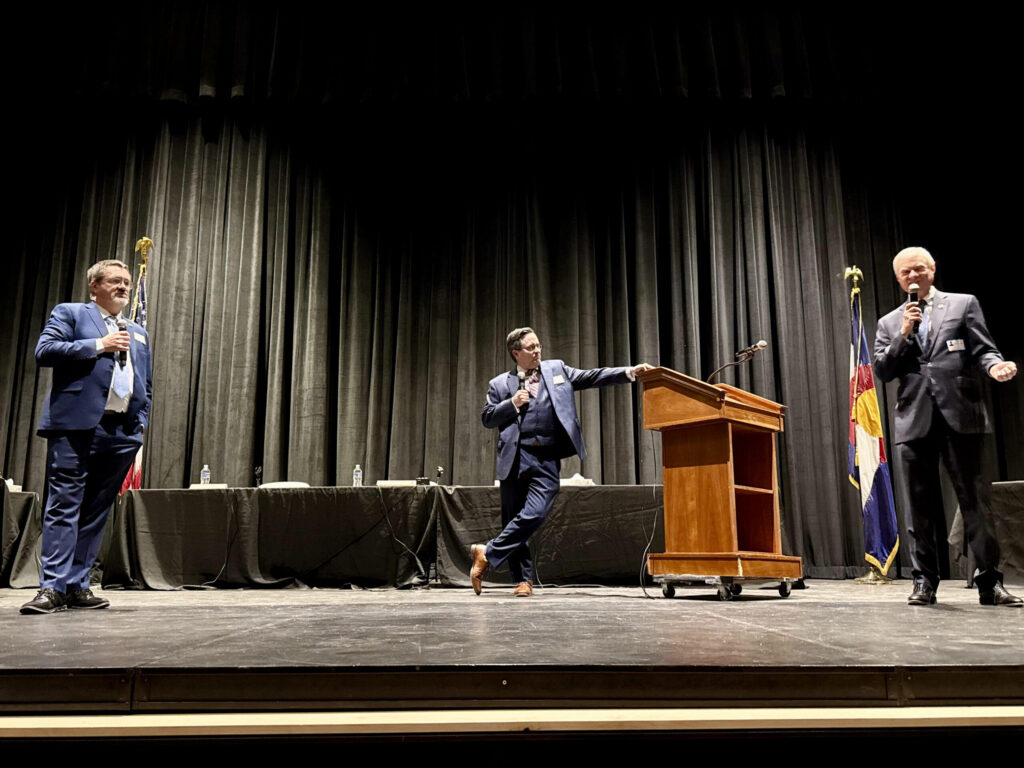
Three judges on Colorado’s second-highest court traveled to Boulder on Tuesday to hear oral arguments in real cases and field questions from students about their professional paths, their workload on the Court of Appeals, and their approach to interacting with...

State of the Union: Here’s what Trump didn’t say
W. James Antle III Washington Examiner
wjamesantleiiiwashingtonexaminer@wpstage.coloradopolitics.com
Updated 43 minutes ago
President Donald Trump made the case that happy days are here again in the first State of the Union of his second term, but there was little talk of transition or pain. “The state of our union is strong,” he...

Greeley voters halt landmark development project
Hap Fry, Special to The Gazette
hap-fry@gazette.com
Updated 2 hours ago
GREELEY – The landscape-altering Cascadia development project has been put on ice, according to unofficial results of a city referendum on the project Tuesday. The proposed Cascadia amenities included an 8,600-seat multiuse arena and ice center that would be the...
Colorado lawmakers react along partisan lines to Donald Trump’s State of the Union address
Ernest Luning
ernest.luning@coloradopolitics.com
Updated 8 hours ago
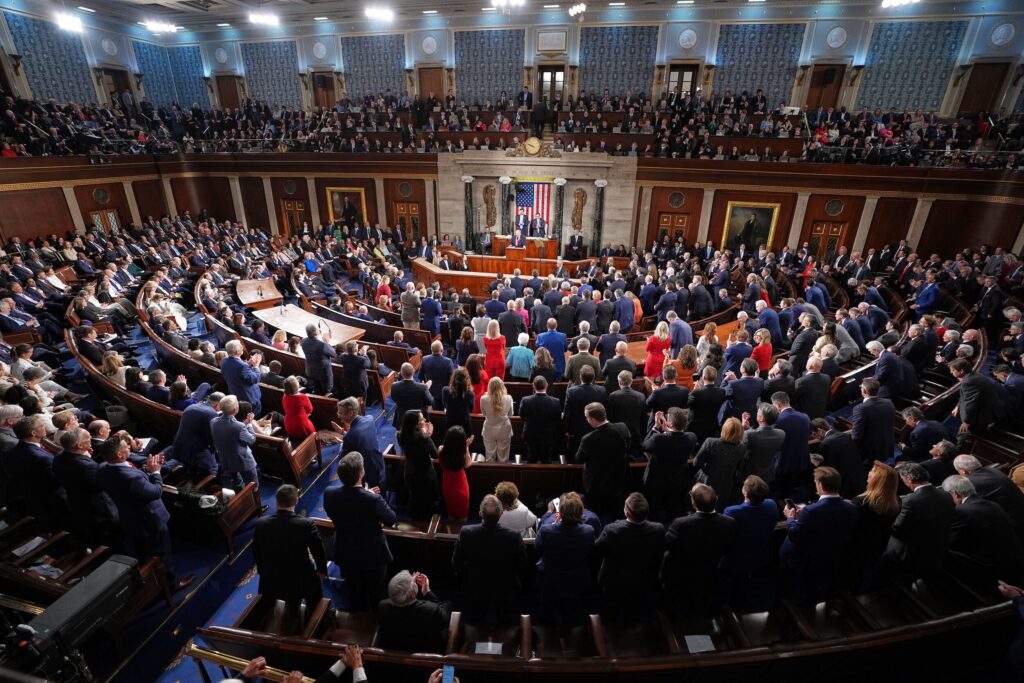
President Donald Trump could have been describing two different countries in Tuesday’s State of the Union address — one entering a “Golden Age” and the other enduring daily stress under a “lawless” regime — at least as far as the...

‘We’re winning so much.’ Trump delivers State of the Union address
Michelle L. Price
michelle.l..price@associatedpress.com
Updated 16 hours ago
WASHINGTON • President Donald Trump said America has been “winning so much” during Tuesday’s State of the Union, touting a jobs and manufacturing boom at home and promising a “Golden Age” as the U.S. prepares to celebrate the 250th anniversary of its...
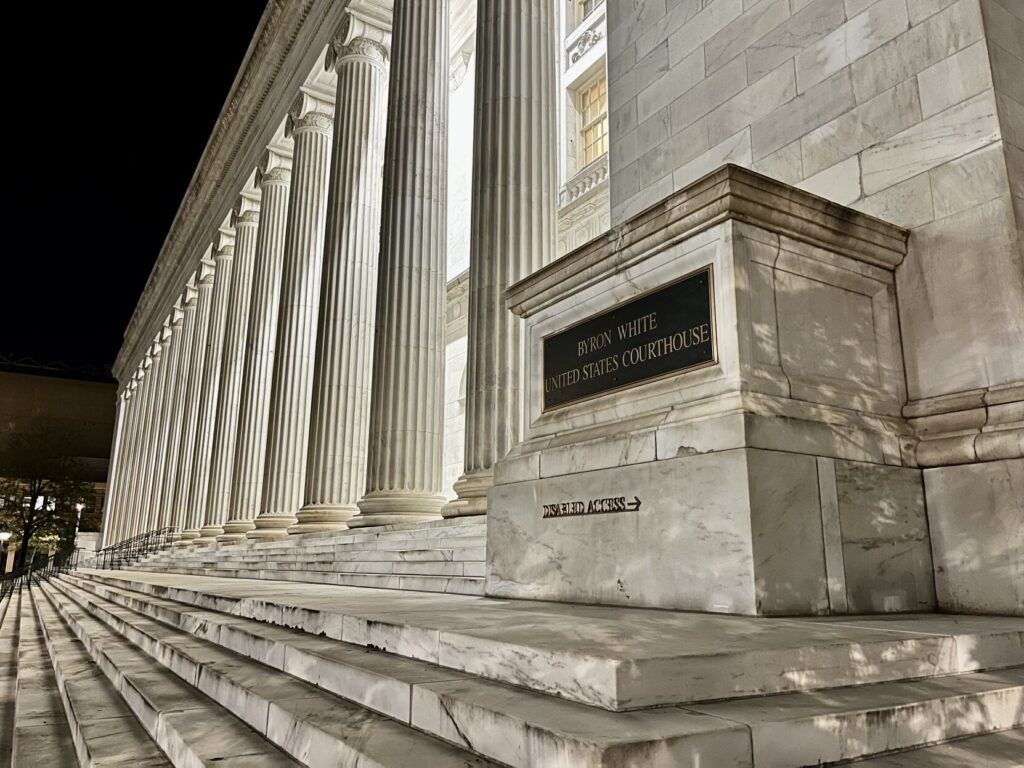
10th Circuit upholds violations, sanctions against Colorado Springs psych hospital
Michael Karlik
michael.karlik@coloradopolitics.com
Updated 19 hours ago
The Denver-based federal appeals court agreed earlier this month that the government properly cited and penalized a Colorado Springs psychiatric hospital for failing to protect its staff from known risks posed by patients. The Occupational Safety and Health Administration inspected...
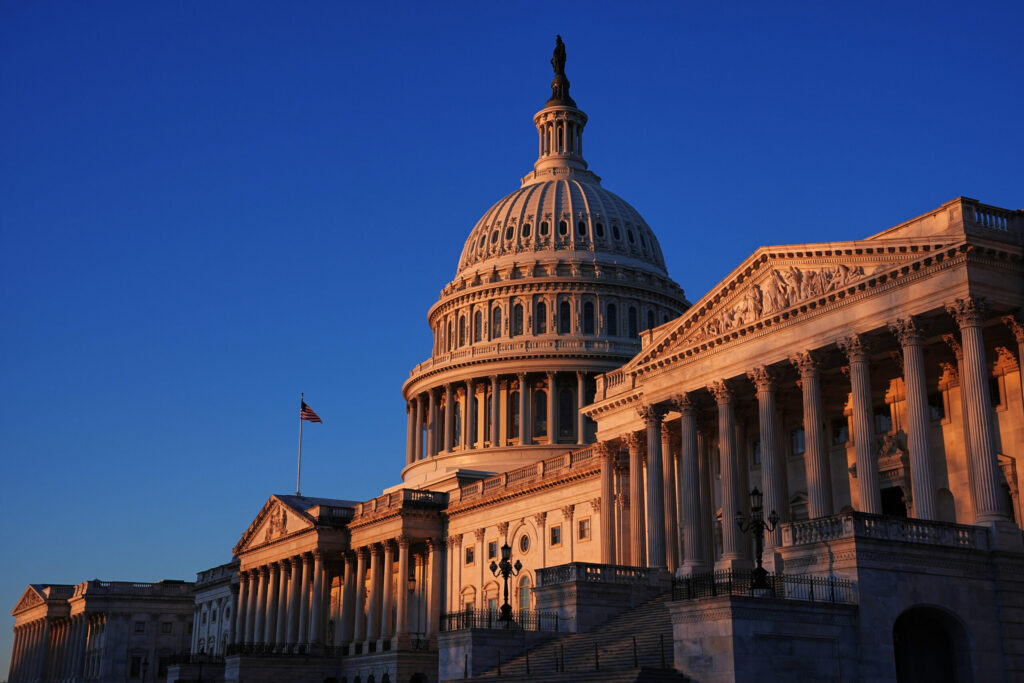
Watch Live: 2026 State of the Union Address
Will Weissert
will.weissert@associatedpress.com
Updated 19 hours ago
WASHINGTON (AP) — President Donald Trump will use Tuesday’s State of the Union address to champion his immigration crackdowns, his slashing of the federal government, his push to preserve widespread tariffs that the Supreme Court just struck down and his...
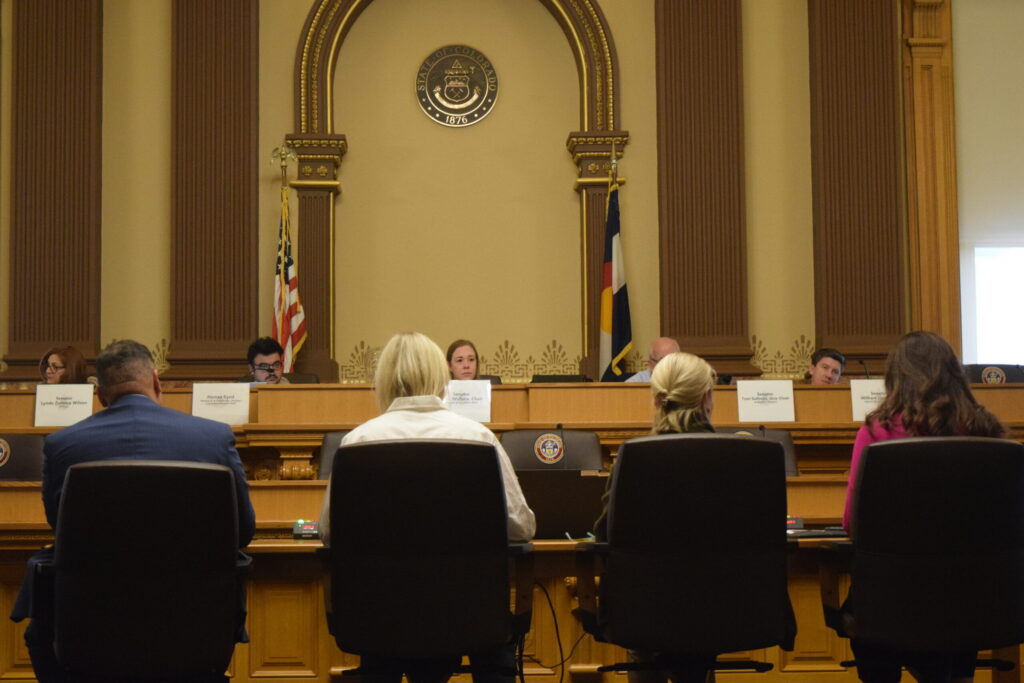
Senate committee kills bill to track education violations
Sage Kelley
sage.kelley@denvergazette.com
Updated 3 hours ago
A proposed bill following in the wake of multiple Jeffco Public Schools sexual misconduct cases won’t make it to the Senate floor. The Colorado Senate State, Veterans and Military Affairs committee denied proposed Senate Bill 26-055 on Tuesday afternoon with...

Trial delayed for former Fountain city councilwoman accused of public assistance theft
Nick Smith
nick-smith@coloradopolitics.com
Updated 2 hours ago
The trial for a former Fountain City Councilmember accused of stealing over $37,000 in public assistance funds has been pushed to July. Detra Duncan, 55, resigned in mid-September 2025 after El Paso County investigators say they found forged documents that...
PREV
PREVIOUS

Bennett: It’s Women’s Equality Day, let’s support family caregivers
August 26th marked Women’s Equality Day, celebrating the 95th anniversary of women gaining the right to vote. Every year on Women’s Equality Day, 9to5 holds a National Day of Action to fight for family-friendly workplace practices from coast to coast. On Women’s Equality Day, we honor those who have fought for progress, but we must […]

State Fair finances, future up for grabs
For 11 days of the year, the Colorado State Fairgrounds is filled with music, livestock, thrill rides and fried things on a stick. But most other days, there’s little fun happening at the fair site in Pueblo, the city that has served as host to the event since 1872. And it’s the off-fair time that […]