

Let Colorado’s communities govern their own neighborhoods | OPINION
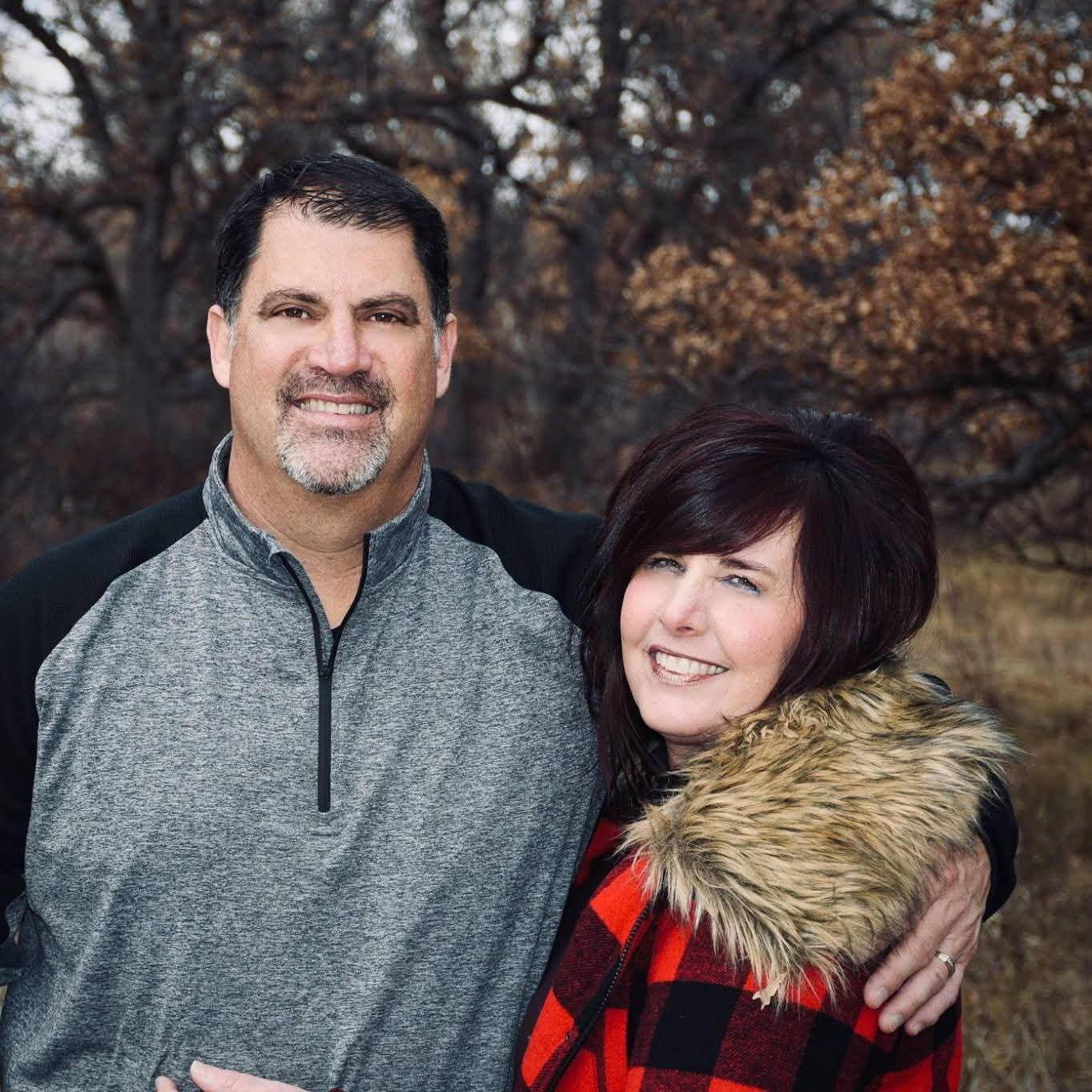
By Jeff Bailey and Cindy Bailey
Coloradans have always done things their own way. From how we manage our land to how we build our economies, the instinct to govern locally — to trust mayors, councils and commissioners over distant bureaucracies — is not a partisan position. It is a point of pride. When a court ruling quietly stripped that authority from our local governments last year, most Coloradans did not notice. The businesses and officials left scrambling certainly did.
We run a hotel and event space in Pueblo. What we built was never just a business. It is a place where something happened — where a local band found its first real audience, where a neighborhood gathered around a shared set, where the sounds coming through the doors in summertime told everyone passing something worth stopping by for was happening inside. Live music is connective tissue. It is how communities remember, on an ordinary Tuesday, they belong to something worth showing up for.
For years, that was possible because our local government worked with us business owners. City officials who knew our block, our neighbors, and our zoning issued the permits that gave us legal clarity to book artists, invest in our space, and plan community events for the season. The arrangement was not complicated or unfair. It was local governance making judgment calls that no statewide rule could anticipate.
Then a court ruling changed everything.
Last year, the Colorado Supreme Court’s ruling in Hobbs v. City of Salida identified a gap in state statute, and that gap effectively voided a permitting practice Colorado businesses relied on for decades. No community had abused its authority. No business had broken any rules. The legal ground simply shifted beneath us, and the clarity we had built our calendars around ceased to exist overnight.
For a small venue built on live programming, uncertainty compounds fast. I have had to defer bookings, turn away artists, and cut hours for staff who depend on a predictable season. The window for summer programming is closing, and I still cannot tell you with confidence what is legal and what is not.
The loss, when it comes, will not announce itself loudly. A venue that goes dark for one season rarely comes back unchanged. A neighborhood that loses its anchor music spot loses something harder to name than a business. Community spots provide a reason to gather, a place where strangers become friends, and a piece of the local identity that cannot be rebuilt from scratch. These are quiet losses, and they are already beginning.
Senate Bill 26-098 can stop this community erosion. Once passed, it will restore local governments’ authority to issue noise permits and set standards that reflect their own communities — their zoning, their needs, their priorities. It does not strip residents of any rights. Neighbors retain every avenue to petition local officials and demand accountability. What the bill restores is simply the balance that existed for decades before Hobbs made it untenable — the balance that let a music venue and a residential street coexist, because the people who knew both were empowered to work it out.
That is what a noise permit actually is, at its best. Not a bureaucratic formality, but a negotiated agreement between a venue and its community, overseen by an official who is answerable to both. A blunt statewide standard applied without local context does not protect neighbors better. It simply removes the people who know them from the conversation.
Nine in 10 say local governments, not the state, should set and enforce noise standards, and that consensus holds across party lines. Most Coloradans are united in the belief the person best equipped to decide what is right for a given block is not a legislator in Denver. It is the official who has walked that block, heard from the people on it, and worked with the businesses that give it life.
The bill passed the Colorado Senate with broad bipartisan support. It now sits before the House. I am not asking the General Assembly for anything new. I am requesting the same legal footing my business stood on for years — the footing that let us open our doors, fill a room and give this community something to show up for.
Jeff and Cindy Bailey are owners of the Abriendo Inn in Pueblo.


When a species is managed atop a pedestal, it isn’t management — it’s emotion | Rachel Gabel
Rachel Gabel
rachel-gabel@coloradopolitics.com
Updated 3 days ago
With petitions being tossed around like glitter at prom, it’s time for reasonable voters to sharpen their pencils and speak up. The first, of course, is in response to the Colorado Parks and Wildlife Commission’s blatant disregard for their director,...

Let the state’s narrative-laundering season begin | Jon Caldara
Jon Caldara
jon-caldara@coloradopolitics.com
Updated 4 days ago
Politics is a game of narrative. Whoever controls the narrative wins. Sure, the truth is interesting. But truth doesn’t sell. It takes time to uncover, assuming people care enough to go digging for it. Narratives are easier. They’re simple, comforting...

Home rule has protected Colorado cities for more than 125 years | Cronin & Loevy
Tom Cronin Bob Loevy
tom-cronin-bob-loevy@coloradopolitics.com
Updated 3 days ago
Colorado is currently gripped by a political struggle. It’s one between the governor and state legislature in Denver on one side and populous “home rule” city governments, mainly on the Front Range — such as Colorado Springs. The state legislature...

Pastors Scott Bottoms, Victor Marx win spots in Colorado GOP’s gubernatorial primary at party assembly
Ernest Luning
ernest.luning@coloradopolitics.com
Updated 20 hours ago
Two pastors from Colorado Springs qualified Saturday for the Republican gubernatorial primary ballot at the Colorado GOP’s state assembly in Pueblo in a party meeting that dragged late into the night. State Rep. Scott Bottoms, who is known as one...
Colorado House finishes work on 2026-27 state budget, finally
Marianne Goodland
marianne.goodland@coloradopolitics.com
Updated 2 days ago
The House on Saturday, after four days of work – it usually takes two – finished up their work and voted on the $46.8 billion 2026-27 state budget, as contained in House Bill 1410 and 64 accompanying measures designed to...
An “-“ends tribute in a week full of “odds” | Capitol M | Week of April 11, 2026
Marianne Goodland
marianne.goodland@coloradopolitics.com
Updated 4 days ago
The lighter side of the Capitol, usually… The decision to read the budget bill — the long bill, which spans 661 pages this year — put a damper on the House’s already less‑than‑festive mood. So Capitol M decided to catch...
What you need to know about the Colorado legislature reading a 661-page bill aloud
Marianne Goodland
marianne.goodland@coloradopolitics.com
Updated 2 days ago
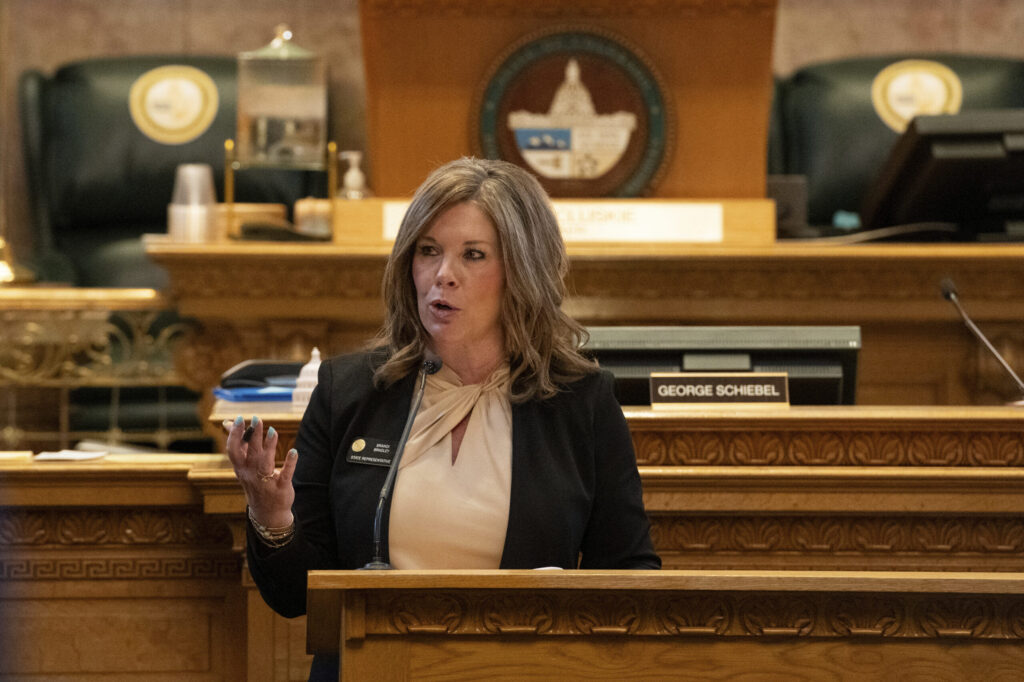
A rarely used procedural move by a Republican legislator threw the Colorado House into an extended slowdown, after she invoked her right to have a nearly 700-page state budget bill read aloud in full. Once Rep. Brandi Bradley, R‑Roxborough Park,...
Literal reading of budget bill complicates Colorado legislators’ plans for GOP assembly
Marianne Goodland
marianne.goodland@coloradopolitics.com
Updated 2 days ago
Republican Rep. Brandi Bradley’s decision to force the full reading of the state budget — called the “long bill” for its obvious length — has not only slowed House business to a crawl but also disrupted her colleagues’ plans for...
Colorado GOP votes down bid to ask court to prevent unaffiliated voters from voting in June primary
Ernest Luning
ernest.luning@coloradopolitics.com
Updated 3 days ago
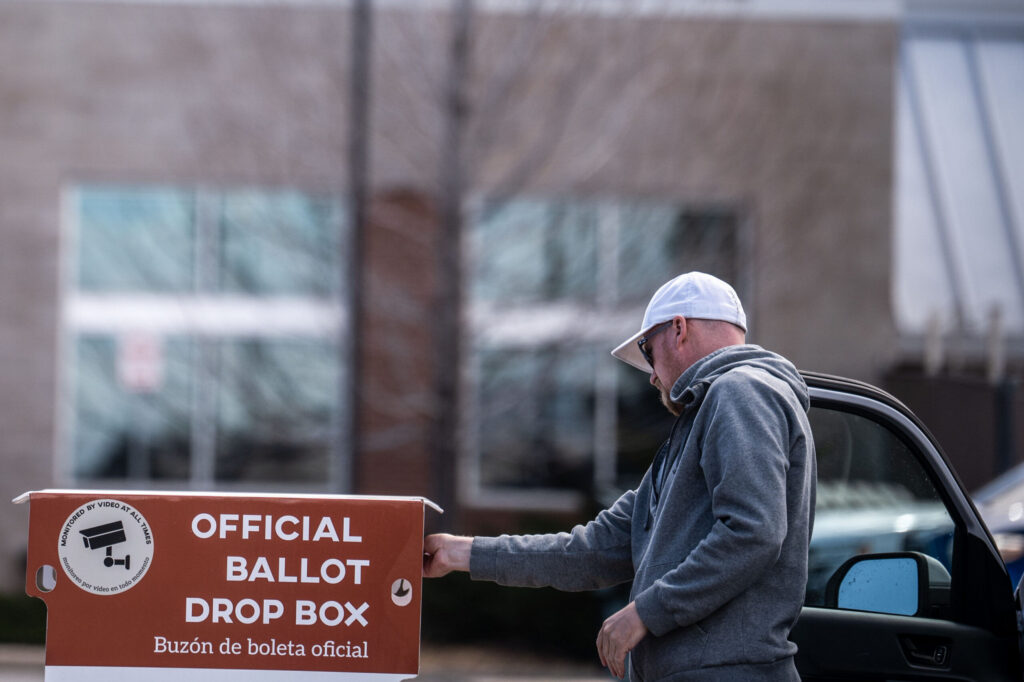
Members of the Colorado Republican Party’s executive committee rejected a proposal Thursday night to seek an emergency injunction in federal court to prevent unaffiliated voters from participating in the state’s upcoming June primary election. The proposed motion, backed by Colorado...
City of Northglenn, state fail to reach agreement on mental health facility amid safety concerns
Marissa Ventrelli
marissa.ventrelli@coloradopolitics.com
Updated 3 days ago
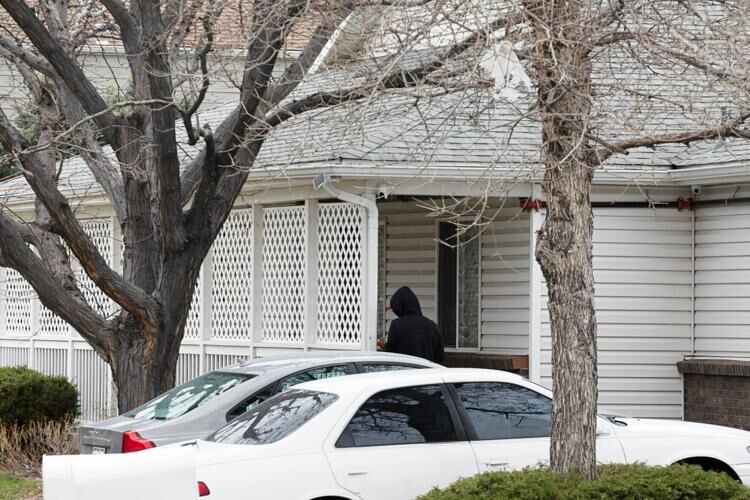
The City of Northglenn said it was unable to reach an agreement with the state on a pair of transitional living facilities for individuals with mental health conditions run by the Colorado Department of Human Services. The facilities, located across...
PREV
PREVIOUS
Colorado legislators propose $46.8 billion budget, driven by Medicaid costs
The six-member panel of legislators in charge of crafting the state budget has now turned over its plan to the Colorado legislature, proposing to spend $1.5 billion more for the Medicaid program. The increase is driven by Medicaid costs, which forced the Joint Budget Committee to make cuts elsewhere. All told, House Bill 26-1410 proposes […]

Turn blueprint into action with the Outdoors Opportunities Act | OPINION
Nearly a year has passed since Gov. Jared Polis, Colorado Parks and Wildlife, the Colorado Department of Natural Resources, Colorado’s Outdoor Recreation Industry Office and other key partners finalized the visionary Colorado Outdoor Strategy, establishing the framework to ensure Colorado’s outdoor recreation and conservation legacy for generations to come. Now it’s time for action. Action […]