

SB26-140 will protect access to rare disease treatments | OPINION
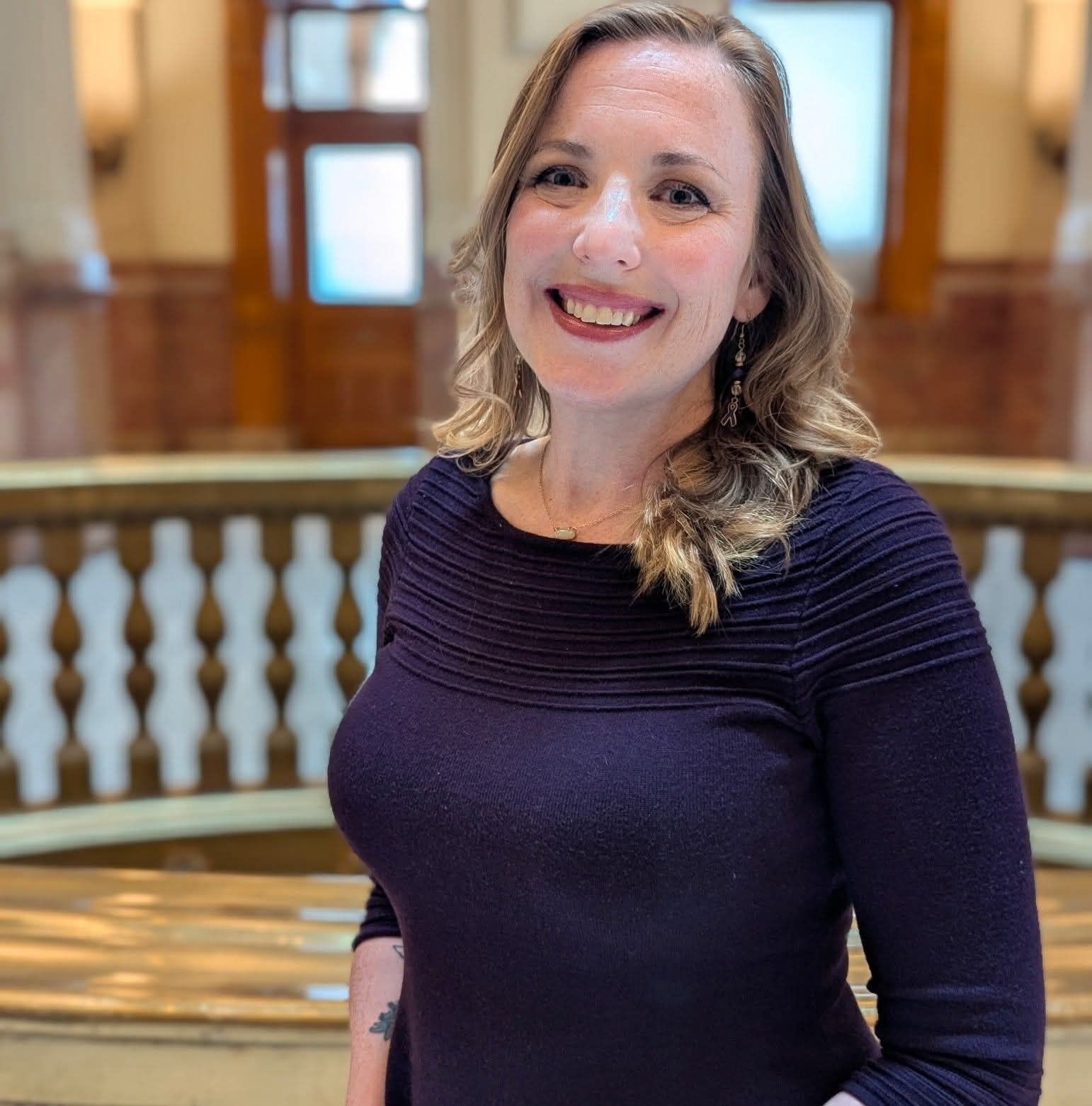
By Amanda Boone
There are moments in life that leave an indelible mark on your soul. For me, one came in the middle of the night when I took a full breath for the first time in over a decade. At first, I was confused — then I realized what it was. I woke my husband, who sprang to action, fearing the worst after years of living in survival mode. But this time, it was good news. Everything was about to change.
Living with cystic fibrosis (CF) has always been a rollercoaster. In my younger years, I managed relatively well despite frequent hospitalizations and treatments. I built a career, moving from leasing agent to property manager, while quietly fighting to stay healthy.
Over time, that fight intensified. I was diagnosed with CF-related diabetes and began experiencing frequent lung bleeds. After a severe flu in 2014, my health declined rapidly. I entered a cycle of infections, hospitalizations, and surgeries, eventually forcing me to step away from work.
Seeking better care, I moved from Texas to Colorado for treatment at National Jewish Health. There, I was diagnosed with mycobacterium abscessus, a serious infection requiring long-term IV antibiotics. My health continued to deteriorate, and I began preparing for a double lung transplant.
Then, in October 2019, everything changed.
A breakthrough therapy, Trikafta, had just been approved. I wasn’t sure it would work for me, but within four days of starting it, I woke up, took a deep breath, and saw my lung function jump by ten percent. I immediately started crying — I knew my life was changing.
Soon after, I was told I no longer needed a transplant. For the first time in years, I felt hope. While I’m not cured, the progression of my disease has been halted. This therapy is my lifeline.
In the summer of 2023, just as I was beginning to rebuild my life, that lifeline was threatened. My medication came under review by Colorado’s Prescription Drug Affordability Board (PDAB), which was considering a price cap, called an Upper Payment Limit (UPL). This arbitrary cap would not reduce what I paid — insurance companies are not required to pass on any rebate to the patient — but because of the way drug pricing is structured nationally, it would make it infeasible for manufacturers to offer this revolutionary therapy in the state. If no agreement was reached with the manufacturer of my drug, patients like me could lose access altogether.
I stepped into advocacy, joining others in the CF community to form a grassroots non-profit called CF United. We shared our stories, met with lawmakers, and fought to protect access to our treatment. It was a grueling and traumatizing process. In December 2023, we won: the board determined the drug was “not unaffordable,” and a price cap was not imposed.
But the victory came with uncertainty. The board can bring these drugs back for review at any time. For patients like me, that means living with the constant fear that the medication keeping us alive could be taken away. Would I have to uproot my family and leave the state?
Rare disease patients should not have to spend their limited time fighting to keep access to the treatments that sustain them. Other states with PDABs (Oregon and Washington) have recognized this and created protections for rare disease therapies. Colorado can — and should — do the same.
That’s why SB26-140 has been introduced this legislative session, to exempt rare disease drugs from the PDAB’s purview.
This bill would create safeguards to ensure patients with rare, life-threatening conditions are not harmed further by cost-control policies. It offers a path forward where affordability and access can coexist — without putting lives at risk. The PDAB was originally designed to lower drug costs but has not been able to achieve that in the past five years. At a time when our state is facing budget deficits and cuts to Medicaid, healthcare is already bearing the brunt — and along with it, the most vulnerable among us. We cannot afford to compound that harm by putting access to lifesaving treatments at risk.
I am one of the lucky ones. Many people with rare diseases are still waiting for their breakthrough. For cystic fibrosis alone, about 10% of patients don’t yet benefit from therapies like Trikafta. They desperately need fewer restrictions on the development and production of these medicines, not more.
We can’t stop fighting until every person with a rare disease has access to a lifesaving therapy — and the protection to keep it. Because without those protections, we risk discouraging the very innovation that makes these breakthroughs possible in the first place.
Amanda Boone is an individual with cystic fibrosis and the co-founder of CF United, a grassroots organization ensuring affordable access to therapies for CF and rare disease patients.

Legislature busy sending lots of minor bills for governor’s signature | Hal Bidlack
Hal Bidlack
hal-bidlack@coloradopolitics.com
Updated 2 hours ago
One of the benefits of being, well, I guess technically, some type of journalist writing here on Colorado Politics, isI get on interesting mailing lists. A while back, some kind soul in the governor’s office added me to the daily...
Lawmakers hold the key to solving Colorado’s mental health crisis | OPINION
Colorado Politics
colorado-politics@coloradopolitics.com
Updated 2 hours ago
By Ryan M. Burkhart The U.S. is currently in the midst of a mental health crisis, and here in Colorado, more than 28% of residents live with a mental health condition. Unfortunately, a majority of Colorado residents are currently locked...
‘Change the terrain’ for deliberative democracy | FEEDBACK
Colorado Politics
colorado-politics@coloradopolitics.com
Updated 2 hours ago
Vince Bzdek’s Gazette piece on James Fishkin’s experiments in deliberative democracy is an interesting read, though the very factors that produced its results — balanced information, expert moderation, and structured discussion — are what everyday politics lacks, and precisely what...

Colorado Gov. Polis signs social media warrant bill after last year’s veto
Marissa Ventrelli
marissa.ventrelli@coloradopolitics.com
Updated 5 hours ago
Colorado law enforcement will soon have faster access to digital evidence after Gov. Jared Polis signed a pared‑down bill requiring social media companies to acknowledge and respond to search warrants on a tight timeline, a shift from a broader proposal...
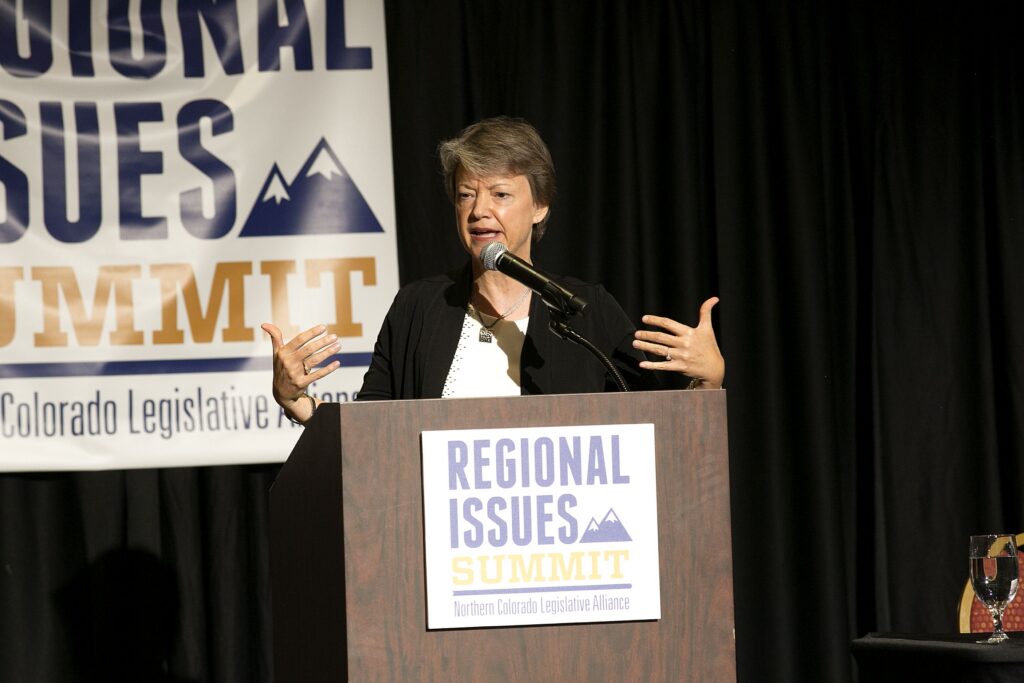
Under fire from legislators and critics, Colorado’s top Medicaid official resigns
Marianne Goodland
marianne.goodland@coloradopolitics.com
Updated 8 hours ago
Colorado’s top Medicaid official stepped down on Monday, just as a bipartisan bloc of state senators prepared to formally urge Gov. Jared Polis to remove her over what they called years of mismanagement, waste and costly errors inside the state’s...

Killing off the Regional Transportation District | Miller Hudson
Miller Hudson
miller-hudson@coloradopolitics.com
Updated 1 day ago
This column is appearing the same day state Sen. Matt Ball (D) of Denver and his legislative co-sponsors unveil legislation implementing many of the recommendations advanced by last summer’s Regional Transportation District Accountability Committee. Although it isn’t readily apparent, they...

Green energy shouldn’t come at expense of Colorado farmers, ranchers feeding us | Rachel Gabel
Rachel Gabel
rachel-gabel@coloradopolitics.com
Updated 24 hours ago
In 2023, the Department of Energy released the National Interest Electric Transmission Corridors (NIETC) study identifying areas they speculate would experience transmission capacity constraints of congestion. The map identified more than 2 million acres or 24% of the state of...
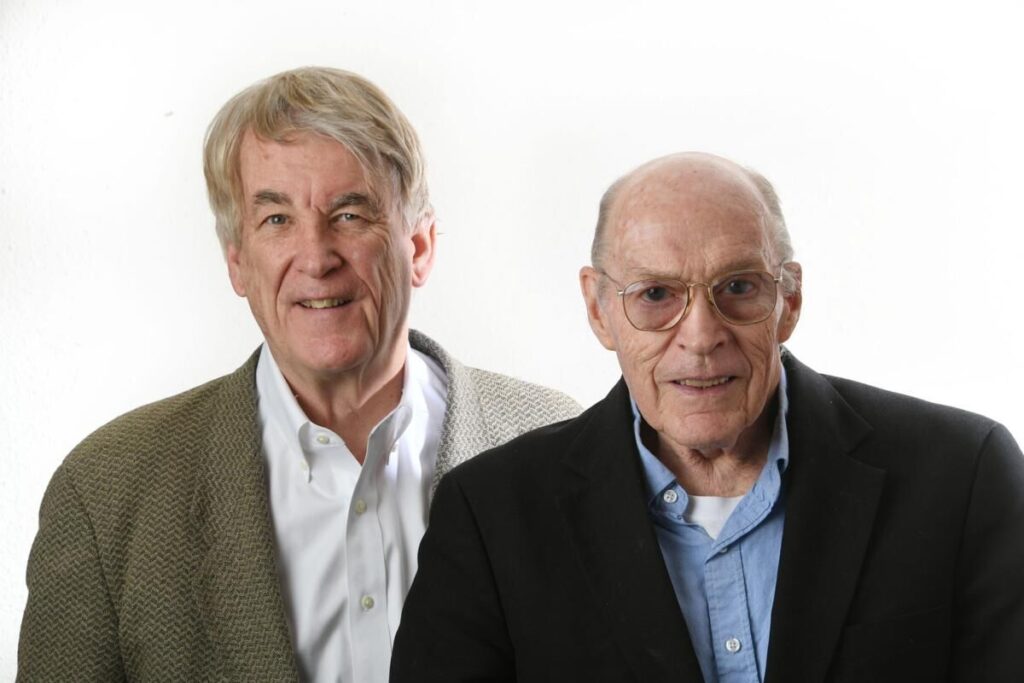
Bill in state legislature would put large apartment projects in single-family neighborhoods | Cronin & Loevy
Tom Cronin Bob Loevy
tom-cronin-bob-loevy@coloradopolitics.com
Updated 24 hours ago
There is an old joke that goes something like this: “When the state legislature is in session, no person and their property are safe.” That is not a joke in the older, more traditional neighborhoods that surround the downtown regions...

Colorado hates its disabled citizens | Jon Caldara
Jon Caldara
jon-caldara@coloradopolitics.com
Updated 4 days ago
This is a selfish column. The legislature is about to hurt my disabled son. My son, Chance, has Down syndrome and a few years ago would have been labeled “retarded.” Then “developmentally delayed.” Now the hypersensitive prefer “intellectually disabled.” Whatever...
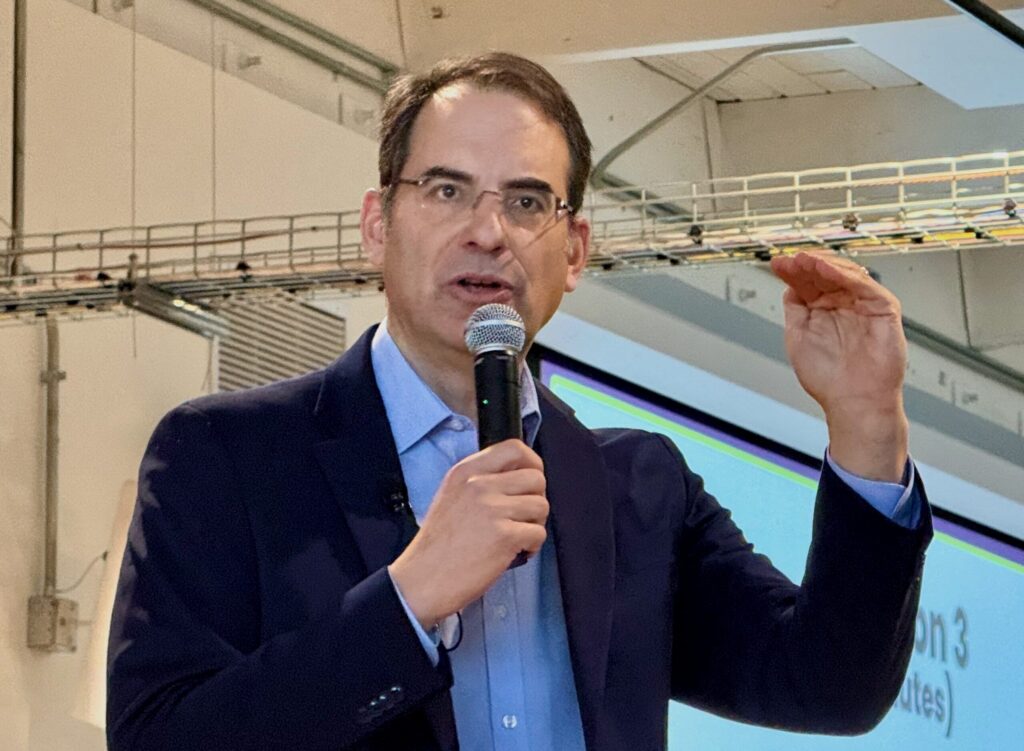
Phil Weiser wins top spot in Colorado’s Democratic gubernatorial primary at party’s state assembly
Ernest Luning
ernest.luning@coloradopolitics.com
Updated 2 days ago
Attorney General Phil Weiser’s name will appear first on Colorado’s Democratic gubernatorial primary ballot after his overwhelming win Saturday at the party’s state assembly in Pueblo. Weiser joins U.S. Sen. Michael Bennet in the June 30 primary for the office...
PREV
PREVIOUS

Lawmakers hold the key to solving Colorado’s mental health crisis | OPINION
By Ryan M. Burkhart The U.S. is currently in the midst of a mental health crisis, and here in Colorado, more than 28% of residents live with a mental health condition. Unfortunately, a majority of Colorado residents are currently locked out of the state’s mental health care system due to a critical workforce shortage, in […]
Legislature busy sending lots of minor bills for governor’s signature | Hal Bidlack
One of the benefits of being, well, I guess technically, some type of journalist writing here on Colorado Politics, isI get on interesting mailing lists. A while back, some kind soul in the governor’s office added me to the daily press briefing list, so each day I get the press releases related to what Gov. […]