

Federal judge finds DOJ adequately searched for, disclosed records related to Bidens
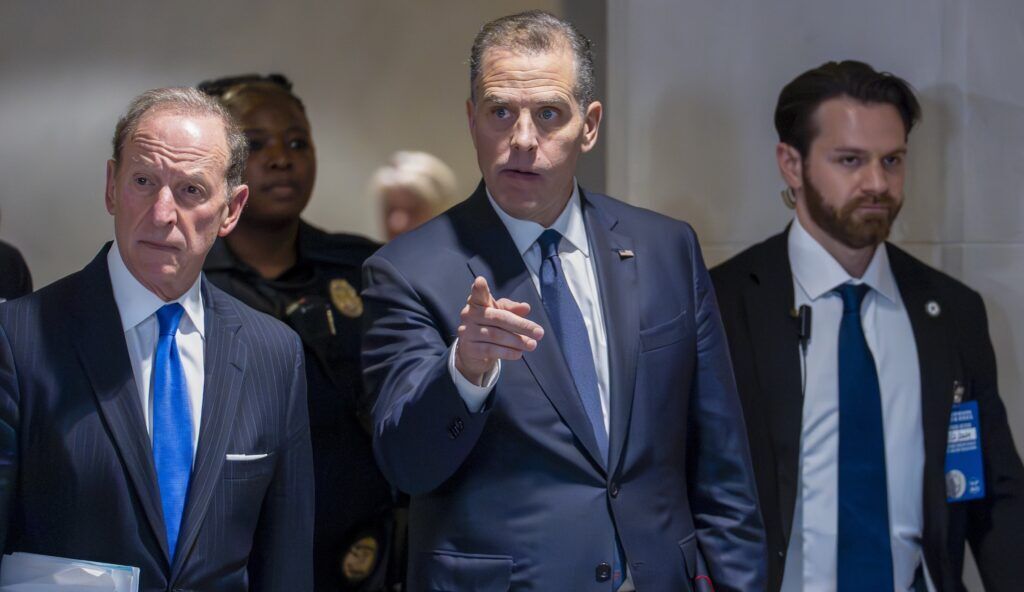
A federal judge determined on Friday that the U.S. Department of Justice adequately searched for and disclosed records to a Colorado attorney in response to his request for documents related to former President Joe Biden’s son and brother.
In November 2020, Kevin D. Evans and his Greenwood Village law firm submitted a Freedom of Information Act request to the Justice Department. Evans sought documents about Hunter Biden and James “Jim” Biden, the president’s son and brother, respectively, that addressed any foreign relationships, communications, or payments.
Evans then filed suit in March 2022, alleging the department had largely failed to produce relevant records, with the exception of 106 pages he received in March 2021.
While the challenge was pending, a Delaware jury convicted Hunter Biden of firearm-related felonies, and he pleaded guilty in Los Angeles to federal tax evasion charges. Hunter and Jim Biden also testified to the Republican-controlled U.S. House of Representatives, where members alleged the men had unjustly enriched themselves off their family name.
Before leaving office, President Biden pardoned Hunter and James Biden for actual or potential federal offenses.
Last June, the Justice Department moved to end Evans’ lawsuit in its favor. Now run by President Donald Trump’s appointees, the department asserted that it produced everything that was relevant and disclosable. In addition to the 106 initial pages, the department provided 16 pages of partially redacted communications and chart entries. For all other materials, the department cited established justifications for withholding the information.
Specifically, the department denied an obligation to search for records in the office of Special Counsel David Weiss, who prosecuted Hunter Biden in Delaware, because the office did not exist until well after Evans filed his open records request.
“FOIA does not require an agency to continually update its searches after a reasonable cut-off date, which many courts have agreed is the date of first search,” wrote the Justice Department.
“To that, Plaintiffs say ‘so what’,” responded Evans. “These documents are undeniably within DOJ, and they are DOJ records. DOJ knows they exist.”
But in a March 27 order, U.S. District Court Judge Nina Y. Wang sided with the department, finding it had no obligation to search for records that were created after the process was set in motion.
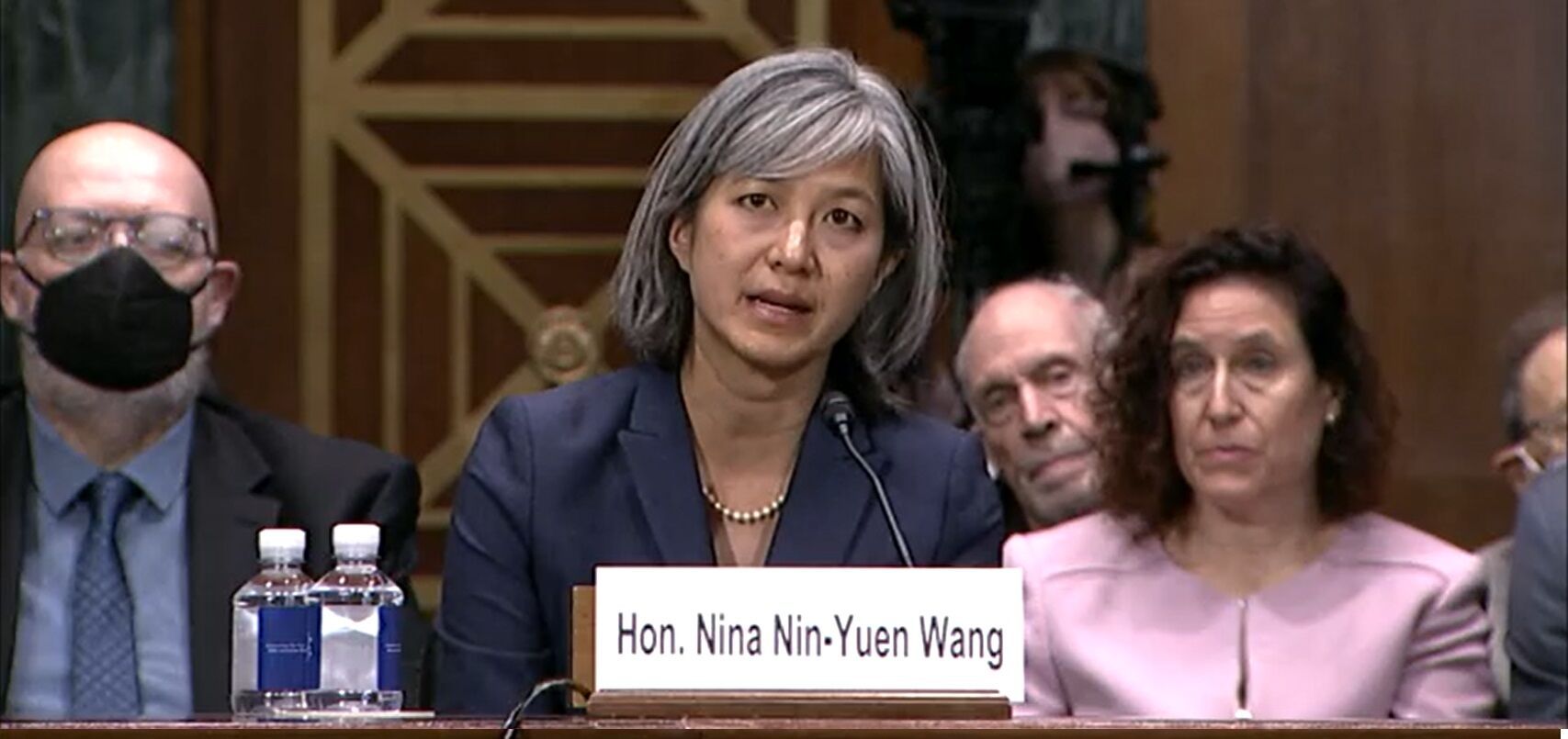
“Nor does the Court perceive this case as especially unique, despite the notoriety of the subjects,” she wrote. “A contrary rule would create the ‘endless cycle of judicially mandated reprocessing’ that courts have sought to avoid.”
Wang, a Biden appointee, added that Evans could “easily file” a new open records request to cover any subsequent documents.
She also concluded that the Justice Department properly relied on exemptions in the law to withhold all other files, including those covered by laws governing bank records and national security, as well as provisions protecting confidential investigative details.
“Plaintiffs argue that because DOJ engaged in ‘wrongdoing … in connection with the Biden investigation,’ work product produced during the investigation cannot be privileged,” Wang wrote. “But the emails and memorandum were all generated in 2019 — during the first Trump Administration and before the special counsel investigation. More importantly, the relevant records all relate to the early stages of the investigation and do not reflect any charging decisions or ‘coordination’ between DOJ lawyers and Hunter Biden’s representatives.”
Finally, in response to Evans’ argument that some of the information about Hunter Biden was already in the public domain, Wang wrote that the “basic facts” of the criminal investigation were public knowledge, but not the specifics Evans was seeking from the government.
Evans told Colorado Politics he found it “disturbing” that the Justice Department would not search the special counsel’s records while his lawsuit was pending.
“Thus, according to the court, the DOJ and other government agencies under FOIA get to play by a separate set of rules even when the DOJ knows that responsive documents were created and exist after the date of the FOIA request,” he said. “Given the way the courts have eviscerated FOIA through overly broad application of exemptions, I am considering whether to appeal or to serve a new request.”
The case is Evans Law PLLC et al. v. U.S. Department of Justice.

Denver judge denies Gov. Polis request to dismiss ICE-related records case
Marianne Goodland
marianne.goodland@coloradopolitics.com
Updated 2 hours ago
A year after blocking the release of state records to federal immigration agents, a Denver judge has now denied Gov. Jared Polis’ effort to end the lawsuit at the center of the dispute. The lawsuit filed against the governor in...

10th Circuit grants rare all-judges’ review of Colorado banking regulation
Michael Karlik
michael.karlik@coloradopolitics.com
Updated 3 hours ago
The Denver-based federal appeals court announced on Thursday that it will hold a rare all-judges review of a recent decision that permits Colorado to require out-of-state banks to abide by the state’s maximum interest rates when they lend to in-state...
Colorado appeals court orders new sentencing for Tina Peters, upholds convictions
Michael Karlik
michael.karlik@coloradopolitics.com
Updated 5 hours ago
Colorado’s second-highest court determined on Thursday that a trial judge improperly sentenced former Mesa County clerk Tina Peters based upon her exercise of protected speech, while at the same time upholding her convictions. The three-judge Court of Appeals panel also...
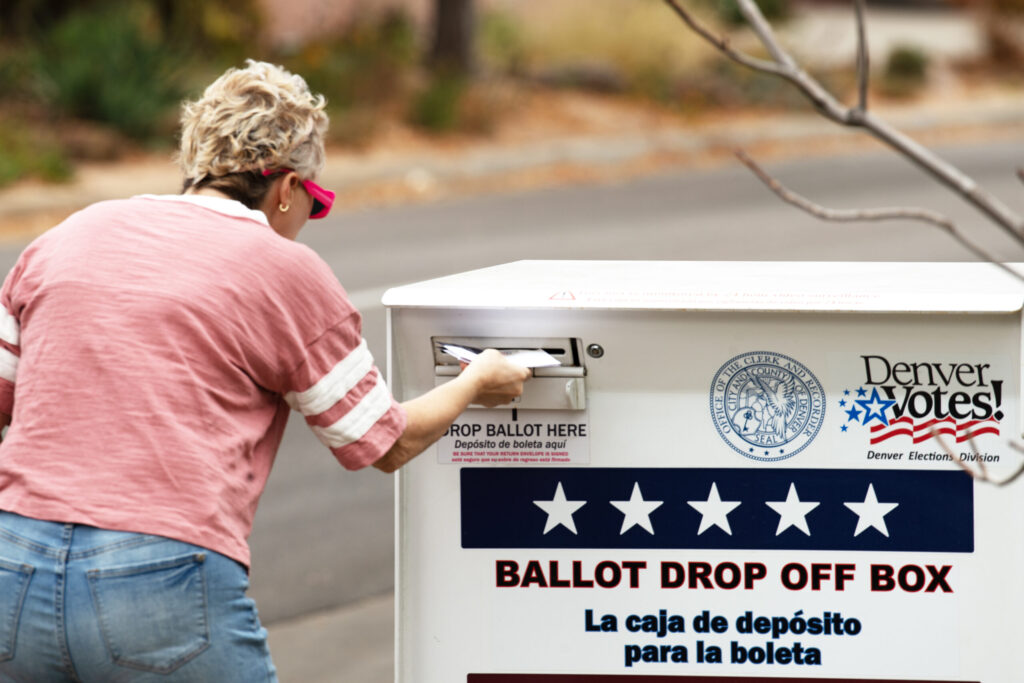
Judge rules that Colorado law makes it too hard for parties to bar unaffiliated voters from primaries
Ernest Luning
ernest.luning@coloradopolitics.com
Updated 5 hours ago
A federal judge ruled in favor of the Colorado Republican Party late Tuesday, saying that a portion of the state law that allows unaffiliated voters to cast ballots in party primaries is unconstitutional because it imposes an unrealistic burden on...
10th Circuit upholds regulator’s methodology for Tri-State exit fees
Michael Karlik
michael.karlik@coloradopolitics.com
Updated 5 hours ago
The Denver-based federal appeals court upheld a regulatory agency’s methodology for calculating the fee owed by entities seeking to withdraw from Tri-State Generation and Transmission Association last week. Tri-State is a Westminster-based cooperative that provides and transmits electricity to member...
Federal judge proposes sanctions against Mike Lindell’s lawyers for continued fake citations
Michael Karlik
michael.karlik@coloradopolitics.com
Updated 1 day ago
A federal judge is once again pursuing sanctions against lawyers for MyPillow CEO Mike Lindell for continuing to cite to court cases that do not exist, likely based on the faulty output of artificial intelligence tools. Last year, a jury...
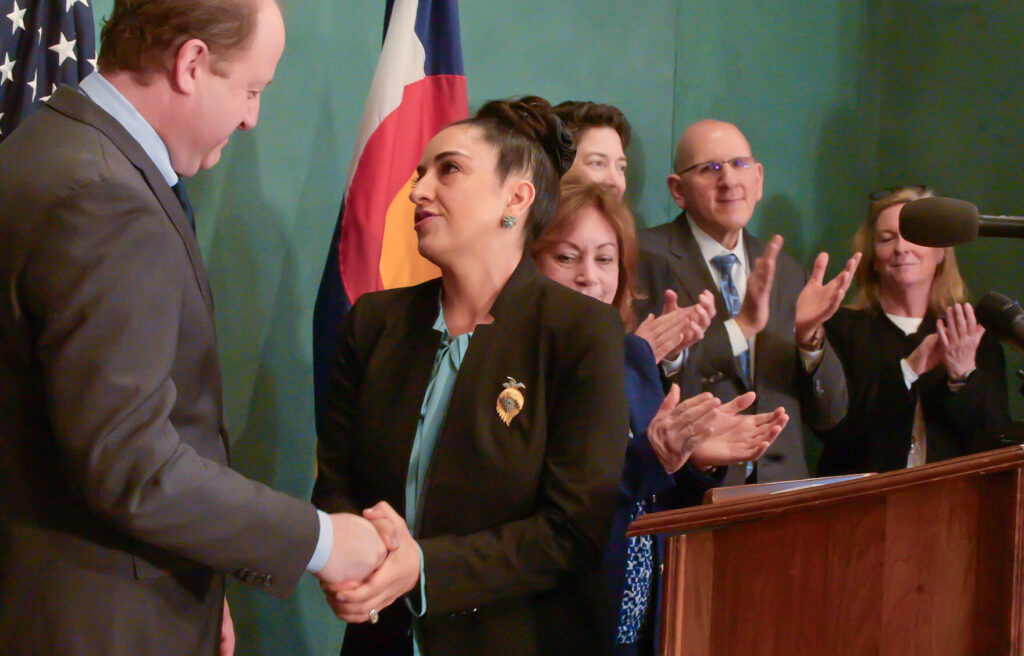
Susan Blanco signals views on role of appellate courts in first opinion as Colorado justice
Michael Karlik
michael.karlik@coloradopolitics.com
Updated 1 day ago
Justice Susan Blanco’s first solo opinion as a new member of the Colorado Supreme Court made clear her view of the guardrails that keep the state’s highest court tethered to the issues it is asked to decide. On Monday, the...
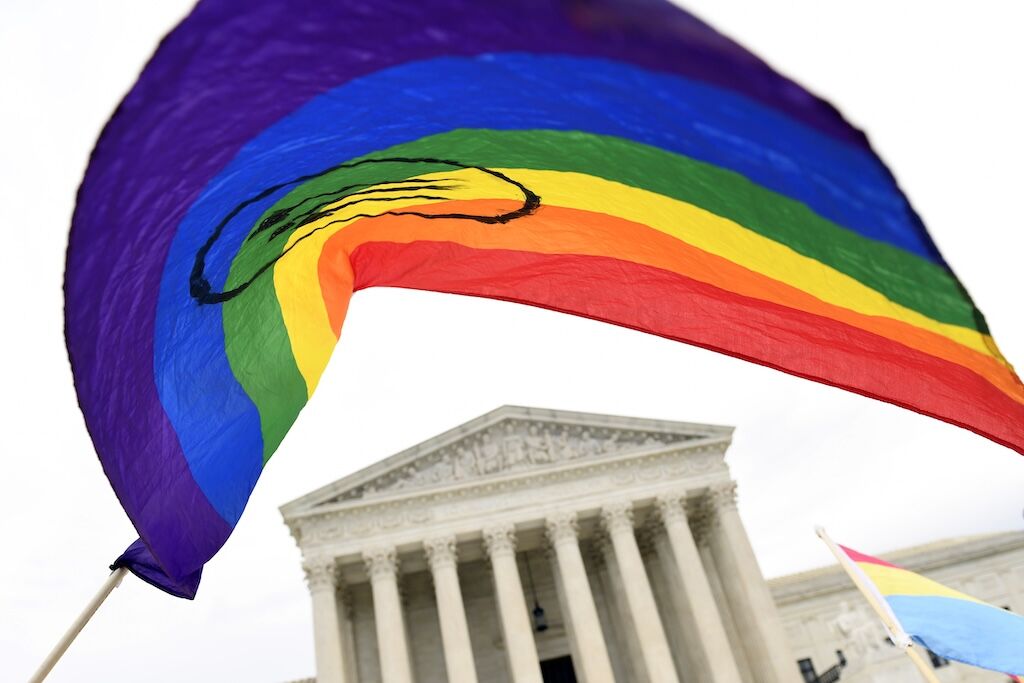
Colorado leaders weigh next steps after Supreme Court rejects state ban on ‘conversion therapy’
Marissa Ventrelli
marissa.ventrelli@coloradopolitics.com
Updated 2 days ago
Colorado leaders said they are weighing next steps after the U.S. Supreme Court on Tuesday rejected the state’s ban on “conversion therapy” for children, as critics and supporters cheered or lambasted the ruling. The court’s near-unanimous decision called the Colorado...
Federal judge dismisses U.S. government lawsuit against Colorado, Denver’s ‘sanctuary’ laws
Michael Karlik
michael.karlik@coloradopolitics.com
Updated 2 days ago
A federal judge dismissed the U.S. government’s lawsuit against Colorado and Denver on Tuesday, which alleged that various local policies impermissibly infringed on federal immigration enforcement. U.S. District Court Judge Gordon P. Gallagher followed the lead of judges in Illinois...
10th Circuit warns lawyers after finding fake case in filing
Michael Karlik
michael.karlik@coloradopolitics.com
Updated 2 days ago
The Denver-based federal appeals court warned attorneys to be more careful last month after discovering one lawyer cited a fake case in his arguments. In recent months, federal and state judges in Colorado have begun cautioning lawyers explicitly about the...
PREV
PREVIOUS

Colorado lawmakers push legislation to shrink RTD board, increase pay as ridership struggles persist
Colorado lawmakers are advancing a new push to overhaul the Regional Transportation District, proposing to shrink the board, raise member pay and boost ridership back to pre-pandemic levels. While some stakeholders see the effort as a step forward, others warn that the changes could reduce representation and make it harder for candidates to qualify for […]

Lakewood zoning canvasser accused of stealing opposition material
Controversies surrounding the Lakewood special election continue, with the latest including allegations of sign-stealing. The city’s special election regarding already approved zoning changes is occurring on April 7 and — along with more than a year of contention between opponents and proponents — situations regarding campaign materials are arising. A resident recently shared security camera […]