

Fix the process before reauthorizing state PUC | OPINION

What needs to be fixed before reauthorizing the Public Utilities Commission? The answer is simple: the process.
The last time the commission was reauthorized in 2021, lawmakers expanded its role in meaningful ways — particularly as Colorado accelerated its clean energy transition. The PUC was asked to do more, to carry more and to implement increasingly complex policy goals.
But the process governing how those decisions are made was not meaningfully modernized. That matters now more than ever.
Since the commission’s last comprehensive performance audit in 2014, it has been reauthorized twice — first in 2015, and again in 2021. Each time, the commission’s responsibilities were extended or expanded. But the underlying process — the transparency, accountability and structural guardrails that should guide those decisions — was not fundamentally updated.
As Colorado once again considers reauthorization, the central question should not just be what policies the commission will carry out — but whether the structure guiding those decisions has been updated to handle the weight being placed on it.
Because if the process wasn’t fixed in 2015, and it wasn’t fixed in 2021, what reason do we have to believe it will be fixed now?
What makes this moment even more consequential is the timeline proposed. The current reauthorization would extend the life of this structure until 2037 — locking in today’s regulatory framework across the terms of at least two future governors. That is not a routine extension; it is a long-term commitment to a system actively evolving, without first resolving the concerns already raised about transparency, accountability and real-world effects.
Reauthorization should not be used to cement a process that stakeholders across Colorado have said is not working.
Today, the commission is no longer operating solely as a regulator of utility service. In practice, it is increasingly positioned as the central implementer of the state’s energy policy framework. The legislature sets broad targets, but the commission is given growing authority to determine how those targets are achieved — through resource planning, infrastructure decisions and cost allocation that affect communities across the state.
At the same time, many of the guardrails that would traditionally accompany that level of authority remain limited or dependent on modeling assumptions rather than real-world outcomes. Cost protections are often evaluated through long-term projections, while households and businesses experience the effects in real time.
The result is a structure where the commission is not just regulating the system — it is, in many ways, designing it.
Throughout months of stakeholder discussions, participants from across the state — including energy providers, local governments, labor representatives and community leaders — raised consistent concerns about affordability, reliability, workforce effects and implementation timelines. Yet when draft policies emerged, many of those structural concerns remained largely unchanged.
That raises a fundamental question: if input from across Colorado did not materially shape the outcome, what role did the process actually serve? And more importantly — has that process changed at all? Because if it hasn’t, extending it to 2037 doesn’t solve the problem — it embeds it.
This trajectory concentrates decision-making authority in a way that blurs the line between policymaking and regulation — without adding the transparency that level of authority demands. It relies on modeling assumptions to define affordability, while households experience real costs in real time. And it moves forward without enforceable guardrails for workforce stability or host communities.
It also builds on recent policy decisions that have already begun to shift costs and system pressures onto households — particularly through the combined effects of electrification policy and changes to the gas system.
In Pueblo, where the early closure of a major generating station came with assurances of replacement investment, recent decisions have left that promise in question — while the economic effects are already being felt.
Before reauthorizing the Public Utilities Commission, lawmakers should pause and make targeted structural corrections. That includes reestablishing clear boundaries between policymaking and regulatory authority, requiring real-world affordability analysis that reflects cumulative rate effects, and embedding enforceable reliability standards before major system changes are approved. It also means incorporating workforce and community protections — including labor displacement analysis — and increasing transparency in the assumptions used to justify major decisions.
Because the issue in front of us is not whether Colorado will move forward with its energy transition — it will. The issue is whether the process guiding that transition has been modernized to meet the moment.
It has not. And until it is, we should not lock it in for another decade.
Sara Blackhurst is president of Action Colorado, a statewide organization focused on public policy, economic development, and leadership engagement across Colorado’s southern and rural communities.

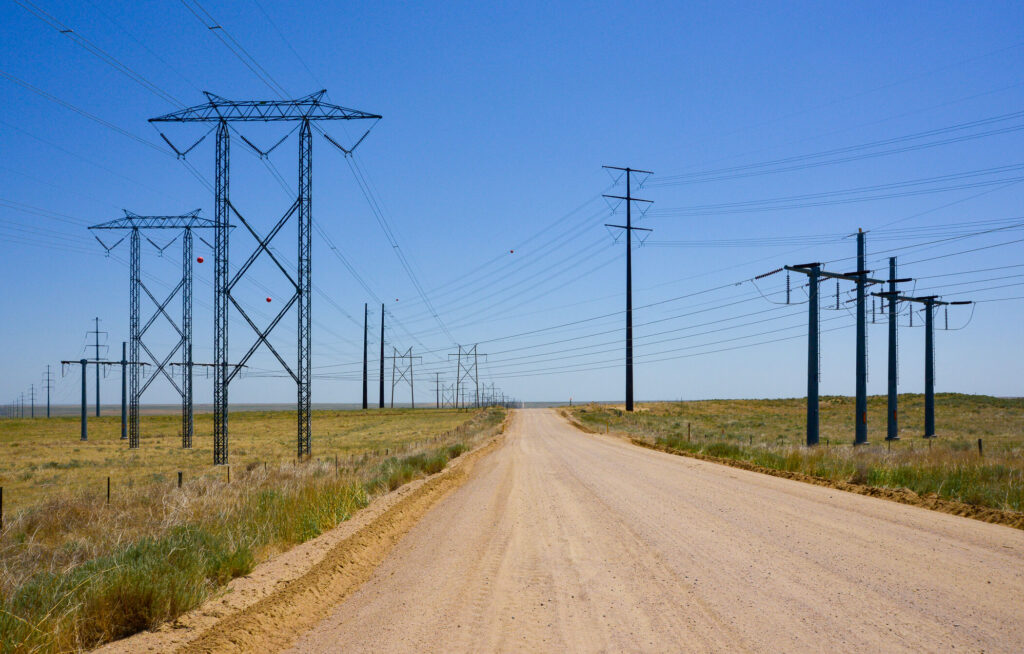
Caldara overlooked facts in slamming utilities | FEEDBACK
Colorado Politics
colorado-politics@coloradopolitics.com
Updated 4 hours ago
Normally, I appreciate the variety of perspectives published on Colorado Politics. But regarding Jon Caldara’s recent column on Xcel, he irresponsibly neglects key facts to the point of annihilating credibility (“Are our overlords normalizing power outages?” March 15). He neglects...

Farmworker overtime bill advances after lengthy debate in Colorado Senate
Marianne Goodland
marianne.goodland@coloradopolitics.com
Updated 10 hours ago
The Colorado Senate on Tuesday narrowly advanced a bill to raise the overtime threshold for agricultural workers, defeating more than a dozen amendments from its leading opponent aimed at rewriting the measure. As introduced, Senate Bill 121 would raise the threshold for...

Colorado Agriculture Day: A feast for the ears, eyes and stomachs
Marianne Goodland
marianne.goodland@coloradopolitics.com
Updated 9 hours ago
Gov. Jared Polis, legislators and friends of agriculture gathered at the state Capitol on Tuesday to celebrate Colorado Agriculture Day. The annual recognition of the contributions of Colorado farmers, ranchers and agribusiness drew hundreds to the Capitol’s west foyer, where...
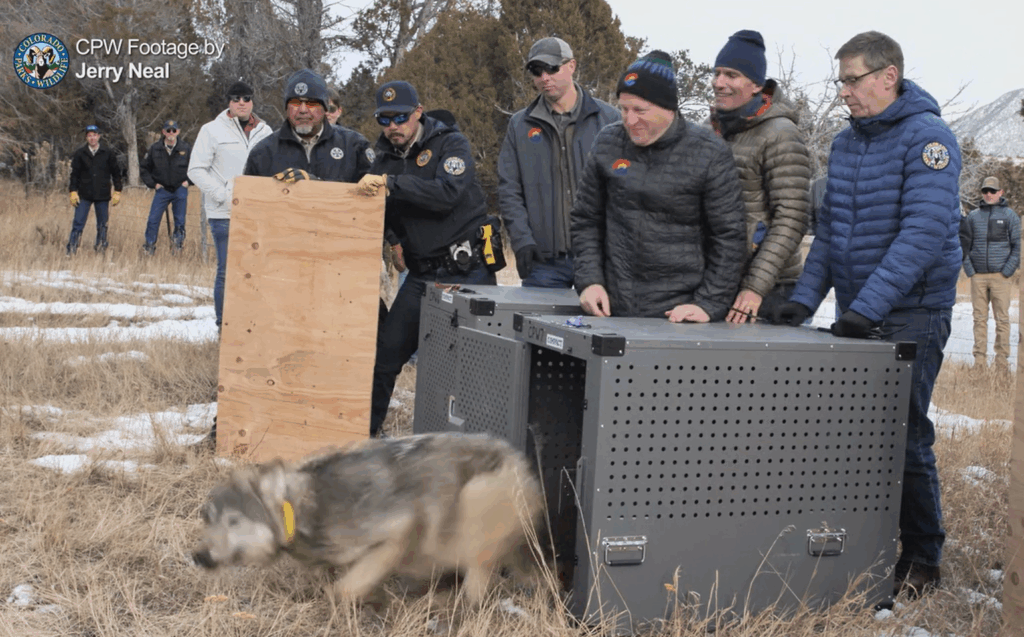
Wildlife agency asks for $450,000 to bring more wolves to Colorado
Marianne Goodland
marianne.goodland@coloradopolitics.com
Updated 6 hours ago
The panel of legislators charged with crafting the budget on Monday rejected a proposal that proponents said would increase transparency around how much Colorado Parks and Wildlife spends to bring additional wolves into the state. At the same time, the...
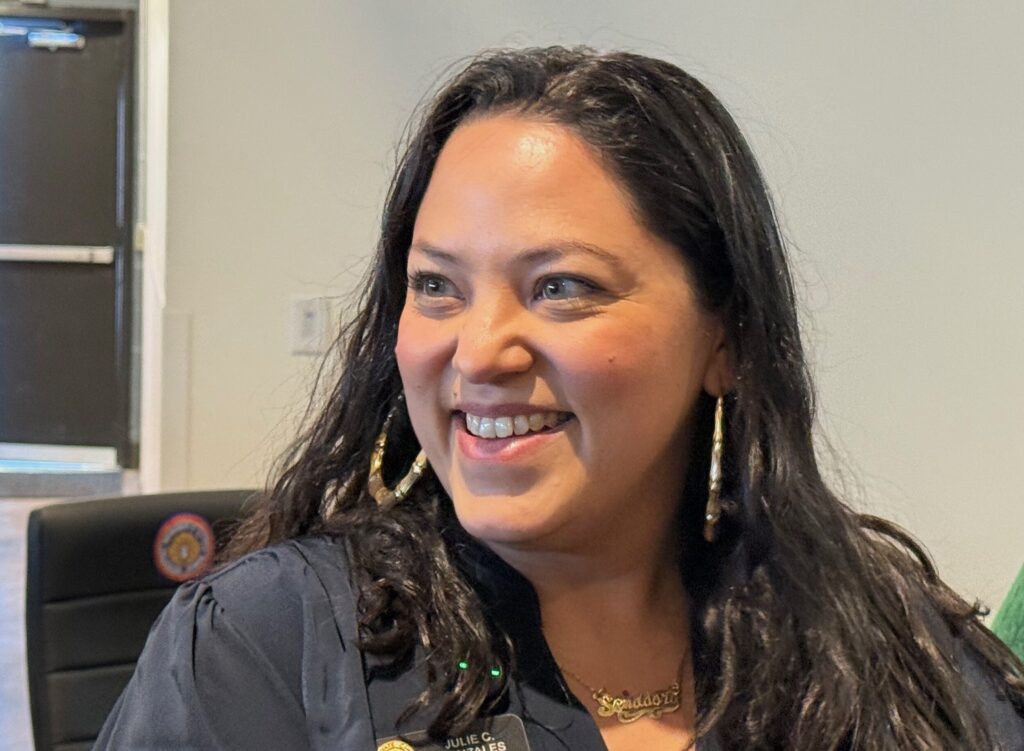
Hickenlooper primary challenger Julie Gonzales endorsed by national progressive group Indivisible
Ernest Luning
ernest.luning@coloradopolitics.com
Updated 7 hours ago
State Sen. Julie Gonzales’ bid to challenge U.S. Sen. John Hickenlooper in Colorado’s Democratic primary got a boost Tuesday from Indivisible when the national arm of the progressive grassroots group endorsed the Denver lawmaker. The national group’s endorsement comes less...
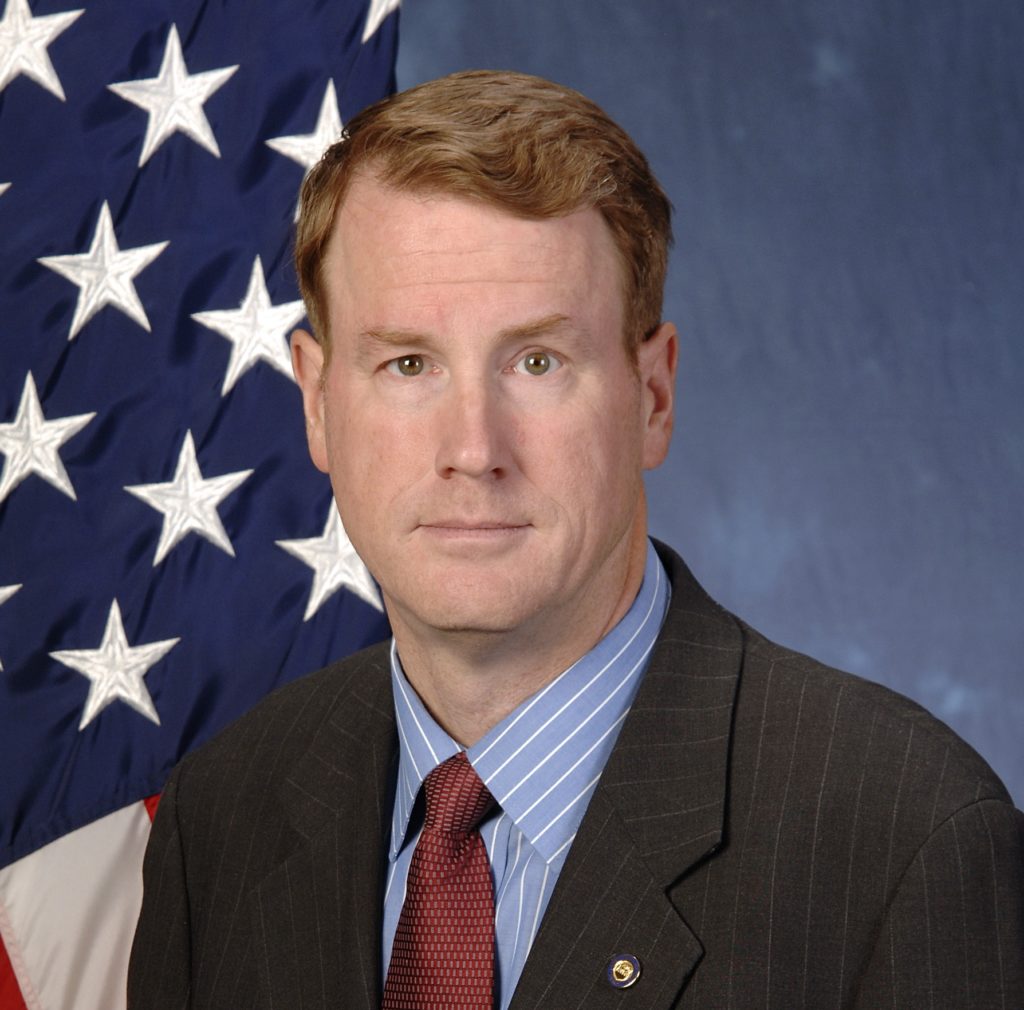
What exactly makes you a public figure? | Hal Bidlack
Hal Bidlack
hal-bidlack@coloradopolitics.com
Updated 1 day ago
Well, once again, this non-lawyer columnist is going to jump in the deep end of legal scholarship and will explore a recent Colorado Court of Appeals decision. Buckle up. In yet another terrific Colorado Politics Court Crawl article, we learned...
Congress needs to protect 340B for rural Colorado | PODIUM
Colorado Politics
colorado-politics@coloradopolitics.com
Updated 3 hours ago
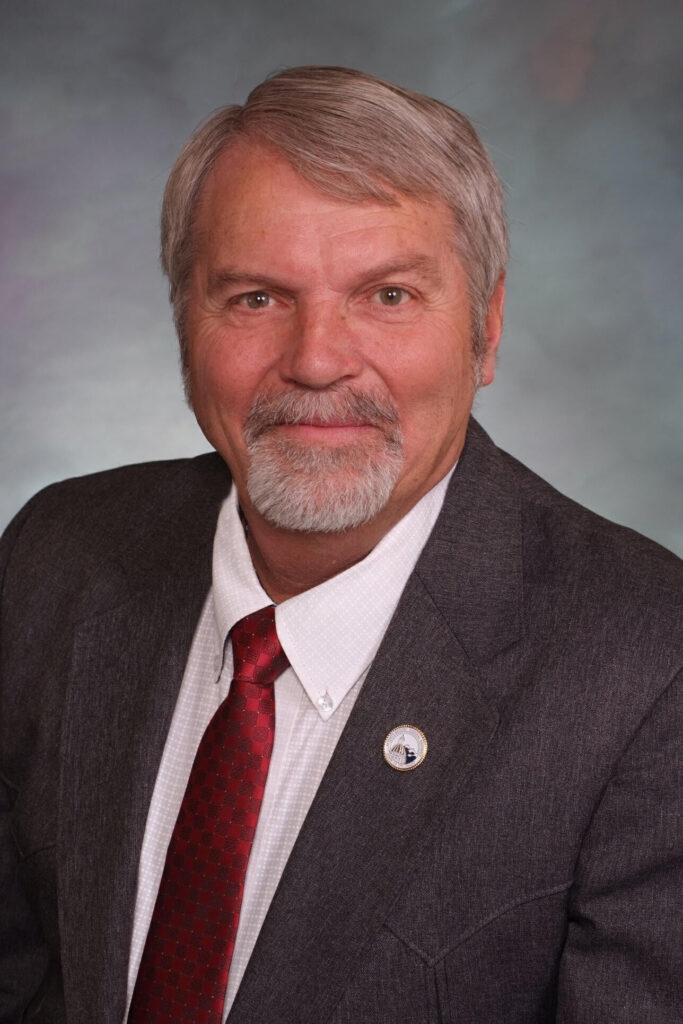
By Rod Pelton A lot of politicians talk about understanding what life is like for our rural communities, but not many really do. I’m a third-generation Cheyenne County farmer and rancher; I grew up on the eastern plains of Colorado, raised...

Modernizing Pinnacol is about its members, not politics | IN RESPONSE
Colorado Politics
colorado-politics@coloradopolitics.com
Updated 16 hours ago
By Akasha Absher While we share the passion for protecting Colorado’s workers expressed in a recent op-ed from the perspective of trial attorneys and union representatives, the piece paints a picture of Pinnacol Assurance that is more rooted in 1915...
Colorado lawmakers mull renaming César Chávez Day to Farm Workers Day
Marianne Goodland
marianne.goodland@coloradopolitics.com
Updated 16 hours ago
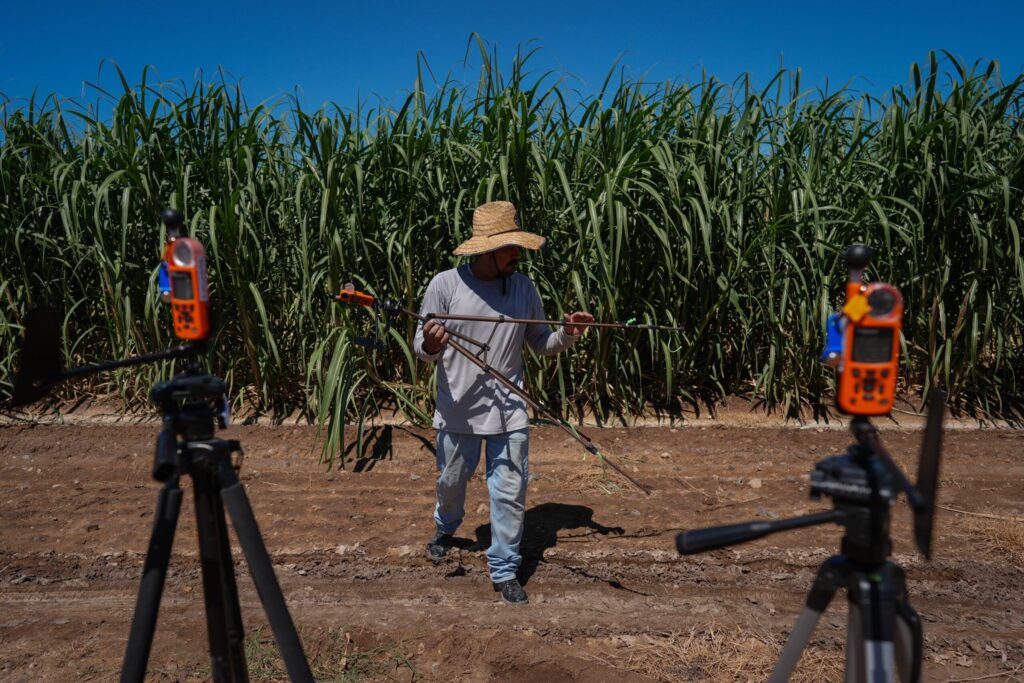
A Colorado House committee has voted to rename the March 31 state holiday from César Chávez Day to Farm Workers Day, following a national shift prompted by sexual abuse allegations against the labor leader. The State, Civic, Veterans, and Military...
Colorado Sen. Mike Weissman calls for cold water on heated hate speech
Marianne Goodland
marianne.goodland@coloradopolitics.com
Updated 9 hours ago
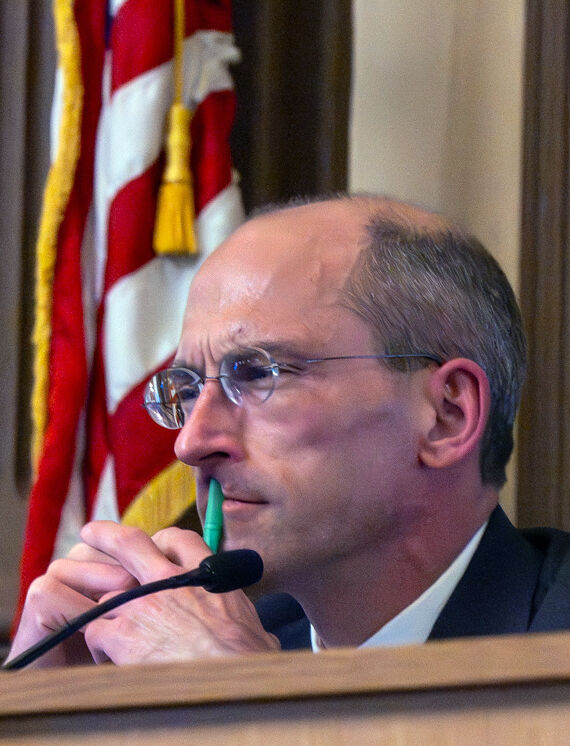
Likening the recent record-setting warm temperatures to hot political rhetoric, Colorado Sen. Mike Weissman, D-Aurora, pleaded for an end to death threats and other hate speech directed at lawmakers of both parties. “The increasingly tragic reality of our politics, however, like...
PREV
PREVIOUS

Farmworker overtime bill advances after lengthy debate in Colorado Senate
The Colorado Senate on Tuesday narrowly advanced a bill to raise the overtime threshold for agricultural workers, defeating more than a dozen amendments from its leading opponent aimed at rewriting the measure. As introduced, Senate Bill 121 would raise the threshold for overtime pay from its current 48 to 56 hours during production season to 60 hours. […]

Caldara overlooked facts in slamming utilities | FEEDBACK
Normally, I appreciate the variety of perspectives published on Colorado Politics. But regarding Jon Caldara’s recent column on Xcel, he irresponsibly neglects key facts to the point of annihilating credibility (“Are our overlords normalizing power outages?” March 15). He neglects any discussion regarding the nuance of safety (or fiduciary responsibility) versus inconvenience, for example: Is […]