

The Turnberry tension: Adams County lawsuit highlights questions around metro districts

Homeowners of a small neighborhood in Commerce City remain confused and irate about the future of their property taxes in the aftermath of a lawsuit between the metropolitan district where they live and a bank.
The conflict stems from a 2023 lawsuit in which UMB Bank in its capacity as trustee, alleged the BNC2 Metropolitan District No. 2 was improperly diverting property tax revenue for “administration and operations,” rather than paying back the bonds on which the property taxes were assessed.
BNC2, a metro district of about 330 homes, oversees one-third of the Turnberry development.
Other lawsuits between three metro districts alleged the administrator overseeing BNC2 at the time — and many other metro districts — took control of its day-to-day operations, enriched himself with property tax revenue that was supposed to pay down the more than $21 million in bonds that helped build the district.
The administrator rejected the allegations, stating that the money was being used for administrative fees necessary to move through the bond-repayment process.
In 2024, a jury decided the administrator was wrong and the metro district must pay back the diverted funds and legal fees. The only way to do that is to increase homeowner’s property taxes within the district — some say to amounts that are already too steep to afford.

“I’m really bothered and frustrated by the constant increase in property taxes, which obviously increases our mortgage every year,” resident Bree Lyons told The Denver Gazette, saying the property taxes on her single-family home reached around $8,000 this year.
BNC2 has already seen an increase in property taxes following the UMB Bank lawsuit over withholding pledged tax revenues.
The lawsuit centered around whether the district improperly deducted expenses from property tax revenues that were to repay bonds issued in 2019 to finance public infrastructure in the metro district, such as roads, sewers and sidewalks.
In December 2024, Adams County District Court Judge Arturo Hernandez agreed with the jury’s decision that the property owners in the BNC2 Metro District must pay $356,292.35 in jury awards and court costs to UMB Bank.
The judge also determined BNC2 property owners would have to repay about $800,000 in bond surplus funds that had been used to cover UMB’s legal fees fighting the case.
But how much property taxes will increase remains unclear.
In a news release, the Metro District Education Coalition (MDEC) — an industry trade group that represents a number of metro districts across Colorado — said property owners will have to repay approximately $3.5 million, or around $10,606 per property. That includes a 10-mill increase in 2026 to help recoup legal costs, leading to a property tax increase of about $1,000 per house this year.
Meanwhile, the district’s board claimed that the legal fees were already baked into the 2026 budget and homeowners will only see a 10-mil increase yearly until the debts are paid — adding up to only around a 5% increase in property taxes.
Several BNC2 homeowners said they saw an increase on their property tax bills, but nothing as large as the $1,000. They also said they received an anonymous letter that laid out MDEC’s assertion that each homeowner will have to pay much more.
“I’m too caught up with trying to pay my bills to keep up with the metro district, but I would have noticed a big raise,” six-year resident Aaron Bega said, adding that he only saw around a $100 increase in his property taxes.
Kristi Pollard, executive director of the Metro District Education Coalition organization, cautioned homeowners to be better informed about who is running their metro district.
“Now (metro district managers) are increasing (homeowners) taxes unknowingly because of advice and decisions made by their metro district board. I think residents should demand accountability of (the board) and the people they are hiring to manage the district,” Pollard told The Denver Gazette.
“Metro districts are government, and as a result, they should be transparent,” she said.
The case

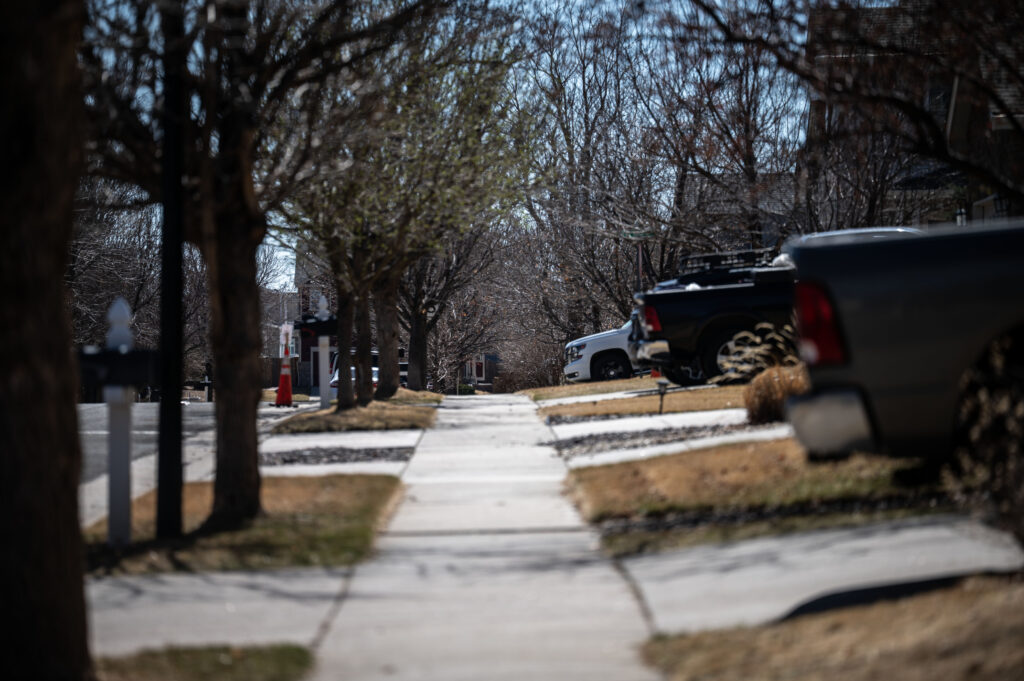
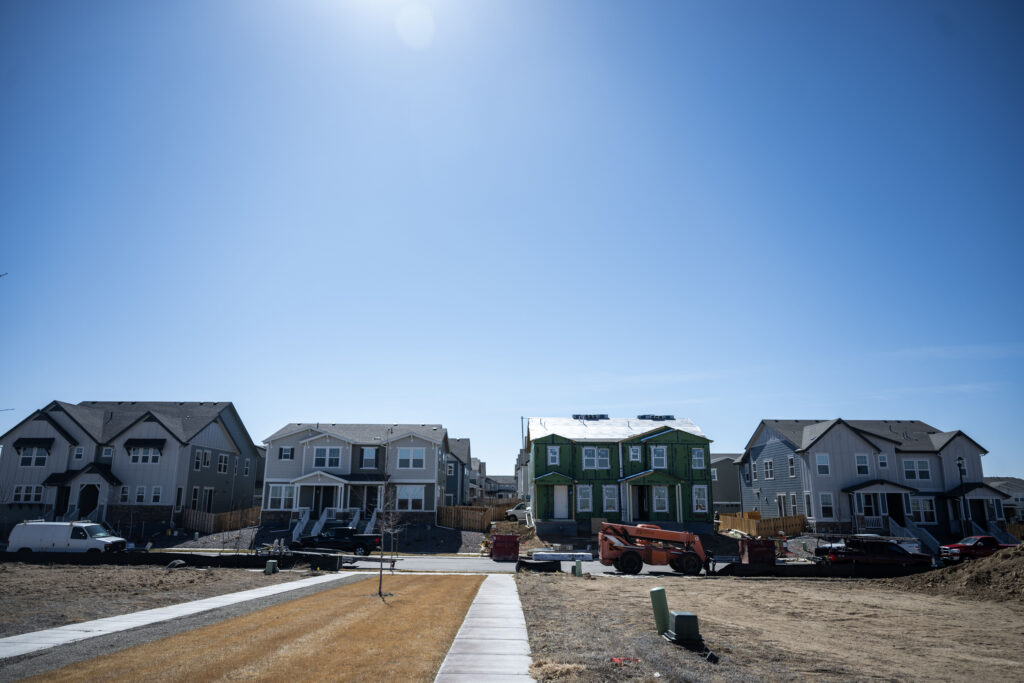
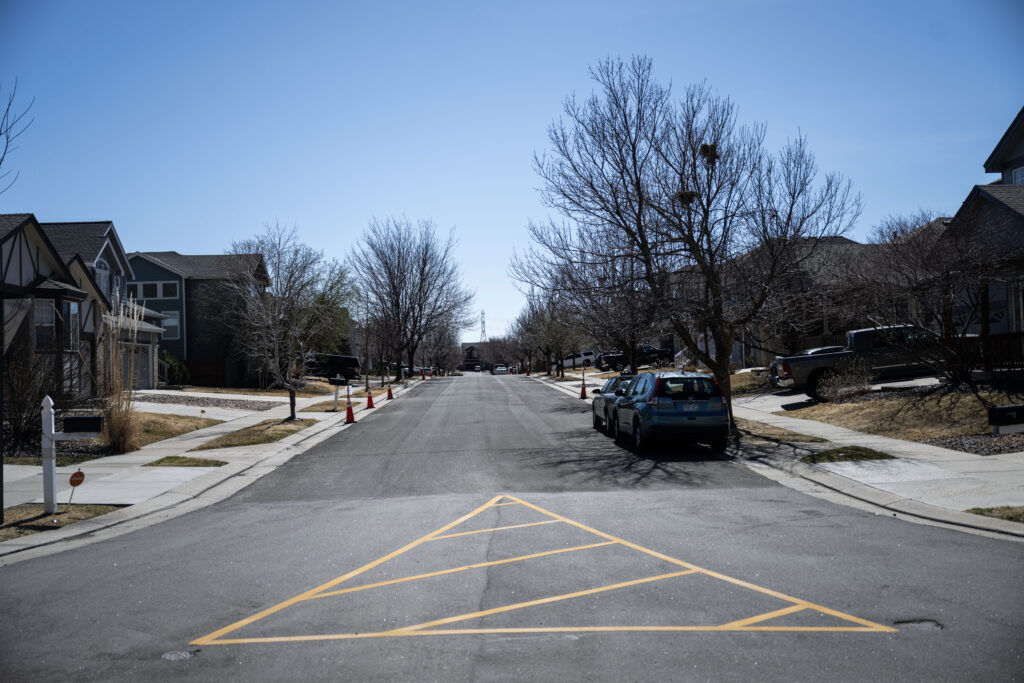
Turnberry sits just north of the Rocky Mountain Arsenal National Wildlife Refuge, made up of more than 800 homes whose center is an elementary school, an expansive park and winding roads.
The metro district was created in 2000, and the first homes weren’t built until around 2017.
In 2019, the BNC metro district board of directors approved the issuance of two series of municipal bonds to Catellus, one for around $15 million and another for $6 million, according to the complaint filed on Oct. 13, 2023. UMB Bank would then act as the trustee that would move repayment from the district to Catellus.
At the time, the district’s board was made up of the developers — including Ted Antenucci, president and CEO at Catellus Development Corp. — between 2011 and 2020, along with other members the development company.
In the lawsuit, UMB Bank claimed that beginning in 2020, the district, under the management of Charles Wolfersberger, diverted a portion of the property taxes that were supposed to repay the bonds to pay his company’s expenses, violating an agreement from the original bond documents.
The metro district argued that it was entitled to pay Wolfersberger’s management costs first before paying the bonds.
In 2020, the metro district had $216,178 in pledged property tax revenues to repay its bonds. Instead, it paid just $112,800. The same thing happened in 2021 and 2023, when it shorted the bank $201,432 in bond payments, according to the complaint.
UMB claimed the metro district wrongly used the missing money for “administrative or operational expenses.”

The metro district argued that the wording in the bond agreement was ambiguous, noting the phrase “net of any costs of collection” was confusing, maintaining it meant the metro district could cover its expenses first before paying the bank.
Wolfersberger told The Denver Gazette that under bond repayment agreement, there are several requirements like financial statements needing to be audited, insurance related to bonds and financial reporting — things his CPA company, Wolfersberger, LLC, had done and was paid with property tax revenues earmarked for bond repayment.
“When you add everything up, the cost of borrowing money isn’t just the interest cost,” he said.
Wolfersberger added that if a district doesn’t file its audits with the state auditor’s office, the county treasurer will withhold the property tax payment to the district, which, in turn, delays the district’s payment to the bank.
“If you start violating the terms of the (bond agreement), the tax revenue that your collecting gets tripped up,” he said. “That’s part of the cost of collections.”
UMB successfully argued that the money for those requirements should come out of the operating fund, not the debt fund.
In an exhibit used during the trial given to The Denver Gazette by Wolfersberger, the defense highlighted 19 other districts that have operations and management carveouts — like the accountant and auditing fees — from the revenues pledged to debt repayment, the same process BNC2 was doing under Wolfersberger.
Two of the 19 districts are Wolfersberger, LLC’s clients.
While Hernandez, the judge, agreed that the wording in the bond documents were ambiguous, he said the outcome harmed the property owners. The jury sided with UMB.
“It is highly technical,” Pollard said of the case. “But these actions are touching people’s lives at the very closest they possibly can.”
“At a time when men and women are just trying to make ends meet and making choices over a new pair of shoes for their kids or groceries, is this a time that we can really afford to be doing things that are just going to add to that expense?” she asked.
“This issue doesn’t exist anywhere else. It doesn’t exist under any other metro district manager,” Antenucci of Catellus said.
Wolfersberger, LLC, still manages the BNC2 district and works with around 40 other metro districts in Colorado, with Wolfersberger and his staff acting as managers.
Wolfersberger has also testified at the Colorado General Assembly several times in the last decade in support of bills that would change how metro districts operate in Colorado, including legislation that would have prevented developers from purchasing the bonds they approved as a metro district’s board of directors. Many of the bills failed.
The other legal case
The BNC2 case isn’t the only Turnberry lawsuit where Wolfersberger appears. It’s also not the only one tied to Catellus.
In 2023, BNC1 and BNC2 sued BNC3 — all sections of Turnberry — regarding a cost-sharing agreement between the districts. The two districts claimed that BNC3 broke its cost-sharing agreement by not providing updates and improvement costs after transferring over $3 million from BNC1 and BNC2 to BNC3.
Furthermore, the plaintiffs claimed that Catellus set a budget in 2016 of around $5.5 million to build a main road in the neighborhood and then gave Commerce City a proposed budget of $1.5 million.
Then the developers built the road for $3.5 million and are attempting to get BNC1 and BNC2 to finance the entirety of the project, the plaintiffs claimed.
Antenucci and other members of Catellus were on the board of directors for all three of the districts at the time, according to the complaint filed by BNC1 and BNC2. The $3 million was also transferred two weeks before the BNC1 board of directors was going to be made up of actual homeowners.
In a motion to dismiss, the defense claimed the plaintiffs did not prove actual breaches of the agreement.
The defense also laid out what they thought was Wolfersberger’s alleged method of operation: The districts agreed on paying for the shared infrastructure improvements, with “BNC3 as the constructing district, and BNC1 and BNC2 transferring funds to BNC3 for their respective shares.”
“Then Charles Wolfersberger entered the picture,” stated the motion to dismiss. “He is a vocal critic of Colorado’s metropolitan district system, particularly the Special District Act’s provisions authorizing developer representatives to serve on district boards. His playbook is, at this point, well known. He assists homeowners in getting elected to district boards occupied by developer representatives, often through deceptive means. Once homeowners are elected, he persuades them to oust the district’s existing manager and retain (and pay) him instead. Then, he convinces the board to flout the district’s existing financial and contractual obligations with developers and other districts, in the hopes of leveraging litigation to the district’s financial advantage.”
Wolfersberger theorized that the UMB Bank lawsuit was in direct retaliation of the lawsuit between the metro districts and that it was an attempt to cash-strap BNC2 in the ongoing case.
“When Districts 1 and 2 sued Catellus, in the chess match, Catellus decides as bond holders in District 2 to direct UMB Bank to sue District 2 over this accounting practice,” he said.
Two of the three claims were dismissed with prejudice in April 2024, but BNC2 plans to refile without BNC1 regarding the breach of contract, according to both Wolfersberger and Antenucci.
What’s next?
Finger-pointing between developers and Wolfersberger, LLC continues, with the ongoing lawsuit between the Turnberry districts and more lawsuits regarding Wolfersberger, LLC districts coming down the pipeline, according to Pollard of the Metro District Education Coalition.
Developers and the Metro District Education Coalition claimed Wolfersberger is pushing district homeowners into lengthy and expensive lawsuits.
“It’s neighbors suing neighbors,” Antennuci said. “It’s sad, really.”
Wolfersberger countered that the developers are just pushing back due to someone standing up to their operations, citing multiple court case wins by metro districts against districts developers in the past.
Under Wolfersberger, the Amber Creek Metropolitan District sued Lennar Homes in 2021 over a nearly 40% interest loan approved by the mostly Lennar-backed board right before homeowners took over.
A settlement was eventually agreed upon, eliminating approximately $24 million in accrued interest that homeowners would have had to pay, according to the district’s website.
“It’s one thing they can hang their hat on,” Wolfersberger said of the developers citing the Turnberry decision, adding that no one brings up the wins Wolfersberger LLC-managed districts have.
Wolfersberger said his company often charges a flat fee for its services, which is just to provide the information about the contracts and ongoing matters behind the districts.
“What bothers me is when people say we’re getting people into lawsuits. We present the information to the homeowners on the board and they decide what actions they want to take,” he said.
He also said the $3.5 million increase in taxes and debt repayment following the BNC2 and UMB Bank lawsuit doesn’t seem quite right — he maintained that about $2 million is incorrectly figured as interest and other expenses.
Regardless of the amount, the homeowners will have to pay.
“How is this even legal?” resident Josh Nance asked of the tax raises. “Why does it fall on us?”

US Sen. Michael Bennet qualifies by petition for Colorado’s Democratic gubernatorial primary
Ernest Luning
ernest.luning@coloradopolitics.com
Updated 2 hours ago
U.S. Sen. Michael Bennet on Tuesday became the first gubernatorial candidate to qualify for Colorado’s June primary ballot after state election officials determined the three-term Democrat’s campaign submitted enough valid petition signatures. Bennet is facing Attorney General Phil Weiser in...

Colorado legislators consider $500 million in general fund cuts amid $1.5 billion deficit
Marianne Goodland
marianne.goodland@coloradopolitics.com
Updated 18 hours ago
The legislature’s Joint Budget Committee is working through a list Wednesday of about 150 suggestions to cut as much as $1.5 billion in general fund dollars out of next year’s budget. The largest on the list prepared by JBC staff...
Colorado’s push for affordable housing continues as Gov. Polis signs HOME Act, workforce housing bill
Marissa Ventrelli
marissa.ventrelli@coloradopolitics.com
Updated 18 hours ago
Gov. Jared Polis held the first public bill signing of the 2026 legislative session on Wednesday, signing a pair of housing measures into law. The bills — House Bill 1001 and Senate Bill 001 — are part of Democrats’ affordable...

Colorado farmers begin spring planting season with soaring fertilizer costs and price-gouging fears
Marianne Goodland
marianne.goodland@coloradopolitics.com
Updated 43 minutes ago
As Colorado farmers prepare their fields for spring planting, many are sounding the alarm over fertilizer prices that have surged far beyond what they say global supply disruptions can explain. With nitrogen costs up 30% in a matter of days,...

Colorado Democrats want large corporations to pay fee if employees are on Medicaid
Marianne Goodland
marianne.goodland@coloradopolitics.com
Updated 18 hours ago
Democrats are seeking to require Colorado’s largest corporations to pay thousands of dollars for each employee that relies on the Medicaid program for health insurance. They don’t have to pay the fee if they can demonstrate offering an “affordable health...

Farmworker overtime bill advances after lengthy debate in Colorado Senate
Marianne Goodland
marianne.goodland@coloradopolitics.com
Updated 2 days ago
The Colorado Senate on Tuesday narrowly advanced a bill to raise the overtime threshold for agricultural workers, defeating more than a dozen amendments from its leading opponent aimed at rewriting the measure. As introduced, Senate Bill 121 would raise the threshold for...

Colorado Agriculture Day: A feast for the ears, eyes and stomachs
Marianne Goodland
marianne.goodland@coloradopolitics.com
Updated 2 days ago
Gov. Jared Polis, legislators and friends of agriculture gathered at the state Capitol on Tuesday to celebrate Colorado Agriculture Day. The annual recognition of the contributions of Colorado farmers, ranchers and agribusiness drew hundreds to the Capitol’s west foyer, where...

Pueblo man held in Afghanistan for more than a year released, Taliban says
The Associated Press
the-associated-press@coloradopolitics.com
Updated 2 days ago
KABUL, Afghanistan — Afghanistan’s Taliban authorities on Tuesday released American academic Dennis Coyle after holding him for over a year, with the foreign ministry saying the release came on the occasion of Eid al-Fitr, the Muslim holiday that marks the end of the...

Guilt by association: Former Jeffco teacher claims district wrongfully terminated her
Sage Kelley
sage.kelley@denvergazette.com
Updated 24 hours ago
Courtney Capek claims her career was completely altered by the actions of another. The Lakewood native returned to the school she graduated from, Green Mountain High School, in 2023 to begin her career teaching and establishing a new era for...

Wildlife agency asks for $450,000 to bring more wolves to Colorado
Marianne Goodland
marianne.goodland@coloradopolitics.com
Updated 2 days ago
The panel of legislators charged with crafting the budget on Monday rejected a proposal that proponents said would increase transparency around how much Colorado Parks and Wildlife spends to bring additional wolves into the state. At the same time, the...
PREV
PREVIOUS

What are metro districts?
Created by the Special District Act of 1981 by the Colorado General Assembly, metro districts are quasi-governmental entities that didn’t really start showing up until the 2000s. Today, there are more than 2,400 across Colorado. A metro district is created by a developer with the consent of the local government — in Turnberry’s case, Commerce […]

The influencers? Some Colorado appeals judges outpace colleagues in setting legal precedent
A handful of judges on Colorado’s second-highest court are producing substantially more precedent-setting opinions than their colleagues, which create binding interpretations of the law that reach beyond individual cases. The Court of Appeals issues approximately 1,700 opinions each year. A small number receives state Supreme Court review, but the appellate court is otherwise the final […]