Senate Bill 22 critical to keeping energy costs affordable, power reliable | PODIUM
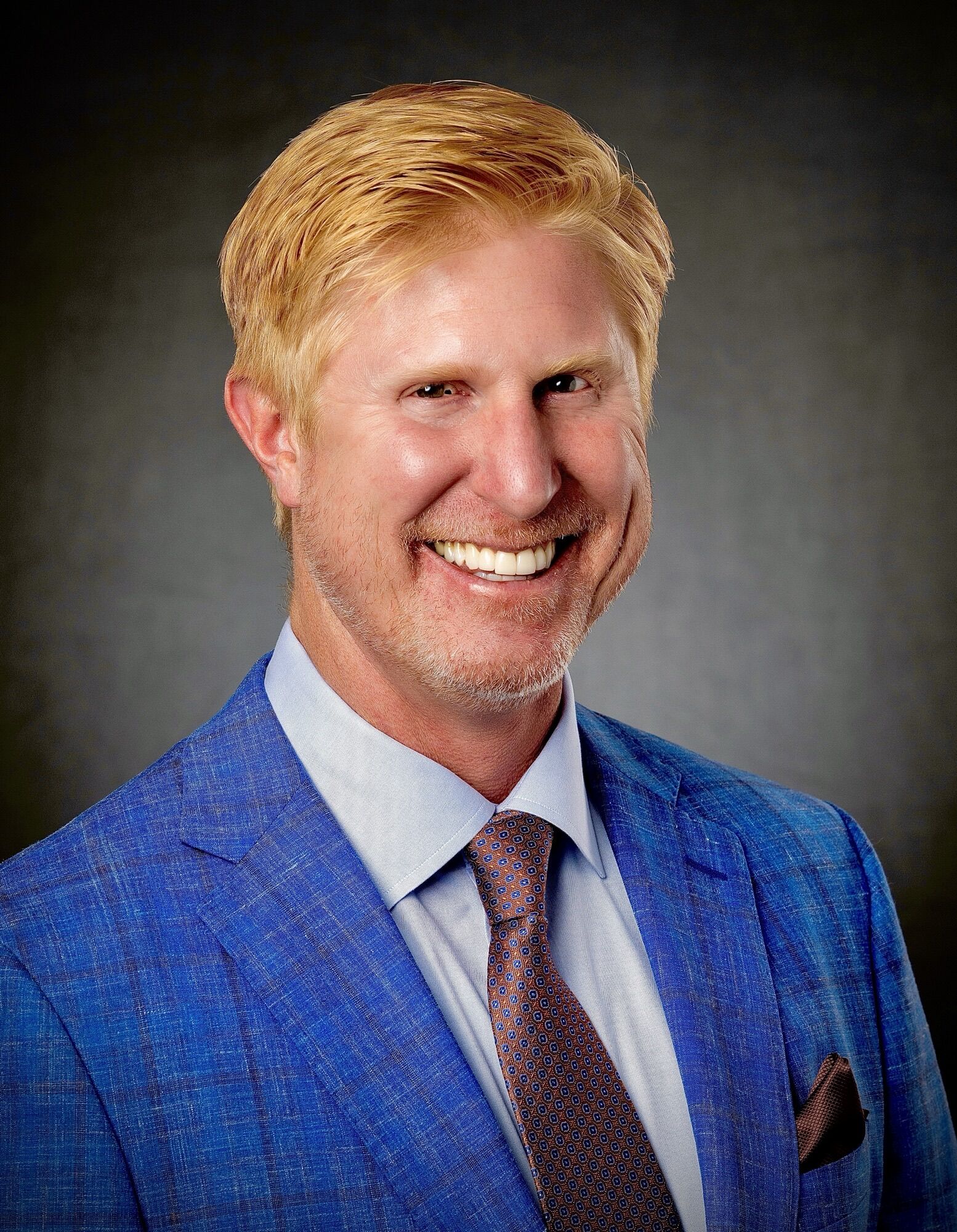
By Brian Wortinger
I love Colorado’s outdoors. I’m an avid skier and hiker and my happiest days are spent deep in the mountains with no one around for miles. I want to protect that environment as much as anyone along the Front Range. But ambitious climate policy works best when it is sequenced to protect the people with the least margin — especially lower-income families and the communities that support our military missions.
Colorado’s climate policy has driven real progress across the Front Range and moved us closer to our climate goals. However, we must acknowledge replacing our existing power plants with new resources carries a significant financial burden — one ultimately reflected in higher electric bills.
That burden can be managed effectively if our policies are flexible and recognize the different capabilities of utilities across the state. Unfortunately, our current law provides no such flexibility. Every utility is required to meet the same targets on the same timeline, regardless of the price or practical implications.
And the financial effect is substantial. In my home community of Colorado Springs, ratepayers could see their electricity bills rise by 35% to 50% during the next five years if we are required to meet the state’s 2030 targets without additional time or tools.
This means that within the next five years an average family in my community will pay between $650 to $1,000 more per year for the electricity they use. That is an extreme burden to put on any home.
Across Colorado, many households have little financial cushion. Nationally, only 63% of adults say they could cover a $400 emergency expense — everyone else would have to borrow, sell something, or go without. In Colorado, 37% of households are already below the basic-needs threshold, which means cost spikes land hardest on the very people we should prioritize for protection.
Ironically, these challenges also have a major effect on our protectors. The Front Range hosts multiple major military missions whose continuity depends on reliable, affordable power. My experience in uniform, coupled with my post-graduate research on the 2005 BRAC process, showed me clearly variable cost is often the deciding factor in whether a community keeps a mission or an installation.
For Colorado, that means risking the loss of billions of dollars in annual defense spending — and the significant state and local tax revenue that spending generates. Communities that demonstrate stable, affordable, dependable energy are simply more competitive when missions are evaluated. That’s not an argument against ambition; it’s an argument for thoughtful pacing to make sure our grid becomes stronger and more affordable rather than more brittle and expensive as we decarbonize.
This is why I support Senate Bill 26-022, a bipartisan proposal that offers narrow, time-bound flexibility for my community while keeping Colorado’s emissions targets intact. The bill simply lets utilities that document real reliability or affordability challenges file an updated Clean Energy Plan by Dec. 31 and seeks to include explicit guardrails that protect utility customers. This is a modest, responsible adjustment that effectively puts back nearly $1,000 into the pockets of every family every year.
We can — and should — keep our climate credibility while timing the transition so it doesn’t regressively raise bills for the Front Range’s military and working families, students, seniors and small businesses.
If we want durable public support across Colorado, we must pair ambition with protection for the households who can least absorb shocks.
In short: this is how Colorado leads — together. We can keep our clean-energy goals on track, strengthen reliability for critical missions, and protect Front Range families from avoidable cost spikes. Supporting SB26-022 is the bipartisan, equity-minded step that gets us there.
Brian Wortinger is a retired U.S. Army Colonel (former Garrison Commander, Fort Carson), a retired public-power employee, and a financial advisor in the Pikes Peak region. He authored post-graduate research examining community-cost considerations during the 2005 Base Realignment and Closure (BRAC).

Swipe-fee ban a giveaway to big boxes, mega-chains | IN RESPONSE
Colorado Politics
colorado-politics@coloradopolitics.com
Updated 10 hours ago
By Jenifer Waller Four Colorado lawmakers recently published an op-ed in Colorado Politics calling for legislation to prohibit interchange fees on the sales tax portion of credit and debit card transactions (“Why Colorado should stop charging swipe fees on sales...

Leveling the playing field —why Colorado must fight fire with fire on redistricting | OPINION
Colorado Politics
colorado-politics@coloradopolitics.com
Updated 52 seconds ago
By Curtis Hubbard So Dick Wadhams suddenly cares about mid-decade redistricting — hyperventilating about efforts to “hijack Colorado’s congressional map” and calling those of us involved with the effort “amazingly naive.” Where was his outrage last year when President Donald...
Split vote by Colorado Title Board stops ballot push to privatize Pinnacol Assurance
Marianne Goodland
marianne.goodland@coloradopolitics.com
Updated 20 hours ago
The Colorado Title Board, a three-member panel that sets the language for ballot measures, recently reversed a prior decision and blocked a proposal to privatize Pinnacol Assurance from moving forward. The main issue decided by the title board is whether...
You get what you pay for in your state reps | Hal Bidlack
Hal Bidlack
hal-bidlack@coloradopolitics.com
Updated 1 day ago
My regular readers will know of my affection for the Out West Roundup, a Colorado Politics feature that lets us keep up to date with the goings on out here in the western U.S., and draws attention to stories that...
A warrant should mean something — expedite carrying them out | OPINION
Colorado Politics
colorado-politics@coloradopolitics.com
Updated 1 day ago
By Aaron Ping My name is Aaron Ping. I am a father from Washington state, and I am writing because my 16-year-old son, Avery, cannot. Avery died on Dec. 19, 2024. The drugs that killed him were ordered through Snapchat....

Lower Basin must adapt to Colorado River hydrology | OPINION
Colorado Politics
colorado-politics@coloradopolitics.com
Updated 1 day ago
By Nick Peters A February deadline for determining future operating guidelines for the West’s two largest reservoirs came and went with no agreement on the table and clear lines drawn in the sand. A seven-state resolution to how Lake Mead and Lake Powell will...
Keep kids safe without overregulating childcare | OPINION
Colorado Politics
colorado-politics@coloradopolitics.com
Updated 1 day ago
By Tamra Ryan As the Coors Economic Mobility Fellow for Common Sense Institute, I have written several reports in the past two years about the challenges related to affordability and availability of child care in our state. Though there are many factors affecting the dearth of...
Colorado open records bill dies in Senate committee
Marianne Goodland
marianne.goodland@coloradopolitics.com
Updated 22 hours ago
Efforts to overhaul Colorado’s open records law stalled anew. A proposal that would have extended response times for public records requests and added accountability measures for late responses failed to advance out of its first committee and will not move...

Colorado prostitution decriminalization bill shelved after sponsor says it lacks votes
Marianne Goodland
marianne.goodland@coloradopolitics.com
Updated 1 day ago
A bill that would have decriminalized prostitution in Colorado will not move forward this year after its sponsor said it lacks the votes to pass its first committee. Sen. Nick Hinrichsen, a Pueblo Democrat, said he will ask to postpone...

Colorado Democrats pass union fee bill, even after Polis signals another veto
Marissa Ventrelli
marissa.ventrelli@coloradopolitics.com
Updated 17 hours ago
The Colorado House on Monday advanced along party lines legislation repealing a longstanding labor law governing a requirement before a unionized workplace can collect fees on all workers, regardless of whether they are union members. The House voted, 42-22, to...