

First reapportionment commission meeting held after passage of Amendment 9 | A LOOK BACK

Forty-Five Years Ago This Week: 1981 marked the first year, following the passage of Amendment 9 years earlier, that the newly formed reapportionment commission would meet. According to the amendment, the commission had to hold its first meeting no later than Aug. 1 and would have 90 days to publish its preliminary plan for reapportionment to redraw the state’s legislative boundaries.
Colorado voters had passed Amendment 9 in 1974, an initiative designed to take away legislative reapportionment authority from legislators, who themselves benefited — or suffered — from the redrawn boundaries. The legislative process of reapportionment was replaced with the commission and the final approval of the redrawn boundaries was granted to the Colorado Supreme Court.
The Colorado Reapportionment Commission was comprised of 11 members with four appointed by the legislature, three by the governor, and four by the Chief Justice of the Colorado Supreme Court.
Senate Majority Leader Ralph Cole, R-Littleton, was vocal in his opposition to the plan and said repeatedly that he believed the proper place for reapportionment was with the legislature.
Both supporters and detractors of the commission commented that there was no plan for staffing the new entity. One proposal suggested that the General Assembly’s own Legislative Council staff the commission, but others argued staff should be completely separate from the legislative process.
While Amendment 9 stipulated that the Legislature was required to ‘adequately’ fund the commission, it did not define ‘adequate.’ Supporters of the commission said they were worried that those who would like to see the commission fail would have a different definition of adequate funding than those who wanted to see it succeed.
In other news, Colorado Republican Party Chair Phil Winn finally received official word that he had been appointed assistant secretary and federal housing commissioner for the Department of Housing and Urban Development.
The position involved supervising a multi-million dollar portfolio of federally assisted housing programs, public housing and mortgage insurance programs. Winn had a long history in the housing industry and was the CEO of Philip D. Winn Associates, a real estate development and property acquisition firm.
Winn said he was happy and looked forward to being confirmed by the Senate in late February and moving to Washington D.C. in March.
Winn’s term as state chairman didn’t end until March 6, but he had already asked Bo Callaway to step in right away and make sure he was familiar with the situation.
“But Bo is real hesitant about doing that so it’s still pretty much the same around the ol’ chicken restaurant.”
The multi-millionaire Callaway told the Colorado Statesman that the $53,000-per-year salary was a shock.
“Of course, we can’t live on that, I’ll have to borrow money from the mother-in-law,” Callaway joked.
Twenty-Five Years Ago: Rep. Bryan Jameson’s, D-Fort Collins, House Bill 01-1059, which would have provided tax incentives to qualified teachers to pursue continuing education, was killed 6-5 in the House Finance Committee.
The state would have provided tax credits to teachers with non-reimbursed tuition expenses for continuing education in years when the state had excess revenues. Jameson said that to qualify, a teacher would have to teach full-time in a Colorado public school for at least three years prior to receiving the credit and would also be required to complete a qualified continuing education course.
“This would have been more than a financial incentive for our teachers,” Jameson said. “It would have been a statement that our teachers are valuable resources in Colorado and that we are committing to supporting them.”
The bill failed on a party-line vote, with all six Republicans voting no.
Rachael Wright is the author of several novels, including The Twins of Strathnaver, with degrees in Political Science and History from Colorado Mesa University, and is a contributing columnist to Colorado Politics, the Colorado Springs Gazette, and the Denver Gazette.


Colorado Politics Calendar Mar. 2-9
Rachael Wright, Special to Colorado Politics
rachael.wright@coloradopolitics.com
Updated 3 days ago
CoPo’s weekly political calendar will help you find political and public-policy events throughout Colorado. It includes candidate and issue campaign events, public policy meetings, court hearings, state and local party conventions, assemblies, debates, rallies, parades, speaking engagements, traveling dignitary appearances,...
A cynical import Colorado doesn’t need | SONDERMANN
Thelma Grimes
thelma.grimes@coloradopolitics.com
Updated 3 days ago
“But mommy, he started it.” Every parent, definitely those with more than one kid, has heard this instinctively defensive reaction to the point of exhaustion. It is the ultimate deflection or shifting of the blame. A similar rationale, often about...
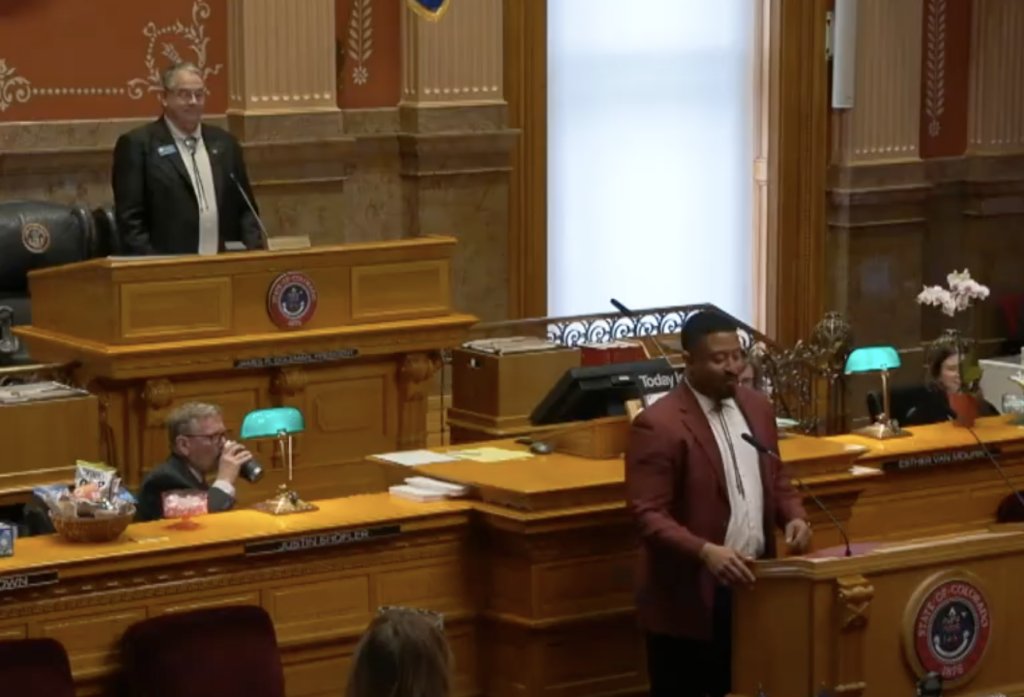
Cute puppy overload and an audition of a different kind: Capitol M | Week of Feb. 28, 2026
Marianne Goodland
marianne.goodland@coloradopolitics.com
Updated 2 days ago
The lighter side of the Capitol, and most days, you ought to be really grateful for it. There’s a rumor (jk) floating around that an amendment is coming for the bill to legalize prostitution. The amendment would ban condoms made...

Competing overtime bills for agriculture workers split Colorado Democrats
Marianne Goodland
marianne.goodland@coloradopolitics.com
Updated 21 hours ago
Competing bills setting the overtime threshold for farmworkers have split legislators at the Colorado state Capitol, with one group saying a law passed in 2021 has harmed, rather than helped, farming operations and workers alike, while the other side insists...

Israel launches attack on Iran’s capital with US help as tensions high over nuclear talks
The Associated
the-associated@gazette.com
Updated 6 hours ago
Israel launched a daylight attack Saturday on Iran’s capital, with a cloud of smoke rising from the city’s downtown. The first apparent strike happened near the offices of Supreme Leader Ayatollah Ali Khamenei. The United States is participating, though it was...

Garfield County sheriff illegally collaborated with ICE, cease and desist letter claims
Michael Braithwaite
michael.braithwaite@gazette.com
Updated 12 hours ago
A cease and desist letter filed Wednesday alleged that the Garfield County sheriff intentionally violated state law by collaborating with the U.S. Immigration and Customs Enforcement (ICE). The letter, filed by the law firm Towards Justice, claimed that Garfield County...
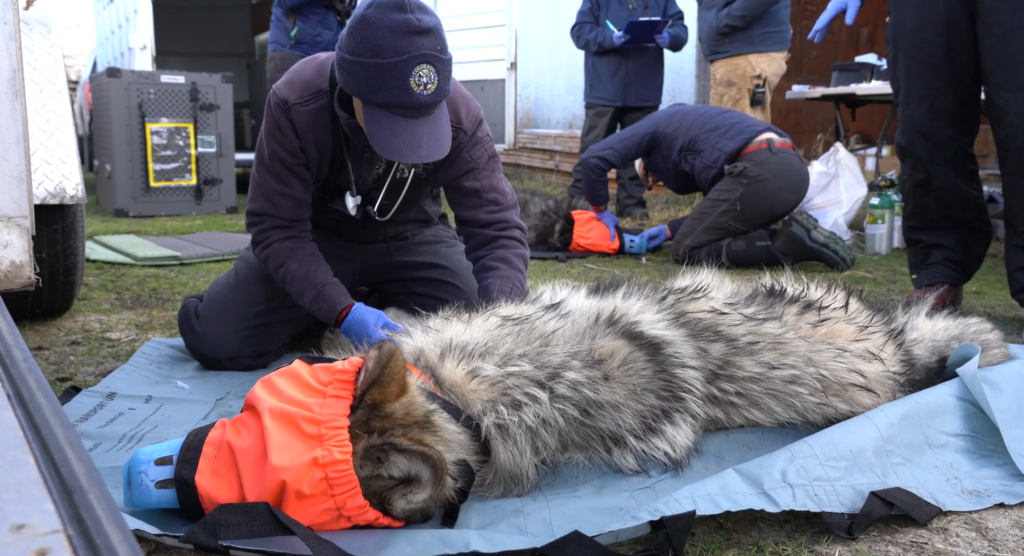
Male wolf dies after capture attempt, Colorado Parks and Wildlife officials confirm
Marianne Goodland
marianne.goodland@coloradopolitics.com
Updated 16 hours ago
The Colorado Parks and Wildlife said the wolf, identified as #2305 — meaning it was one of the original 10 animals that came from Oregon — died on Jan. 28 in Routt County. The wolf was the male of the...
Gov. Jared Polis moves to end ICE subpoena fight over Colorado workers’ personal data
Marianne Goodland
marianne.goodland@coloradopolitics.com
Updated 12 hours ago
The effort by Gov. Jared Polis to comply with an administrative subpoena from U.S. Immigration and Customs Enforcement for information held by several state agencies is over. Polis, in a motion filed Feb. 20, asked for a permanent injunction and...
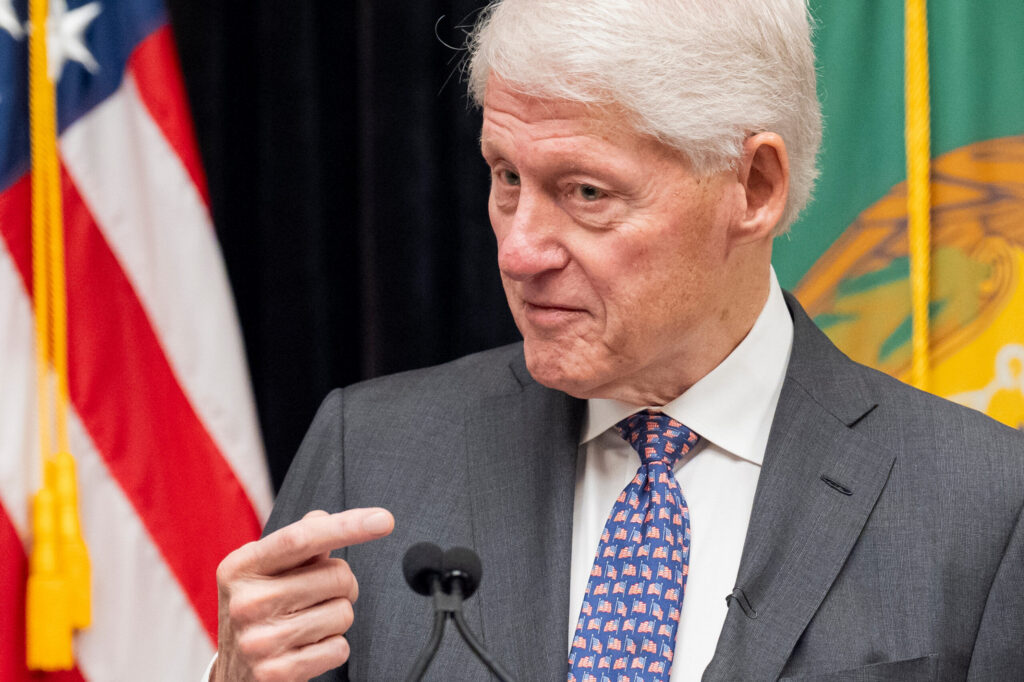
House oversight to grill Bill Clinton about Epstein visiting White House 17 times
Kaelan Deese, Washington Examiner
kaelan.deese.washington.examiner@gazetteedit.wpenginepowered.com
Updated 18 hours ago
Former President Bill Clinton is set to testify Friday before the House oversight committee, where Republicans say they plan to press him about Jeffrey Epstein’s visits to the White House and his past travel aboard the late disgraced financier’s private...
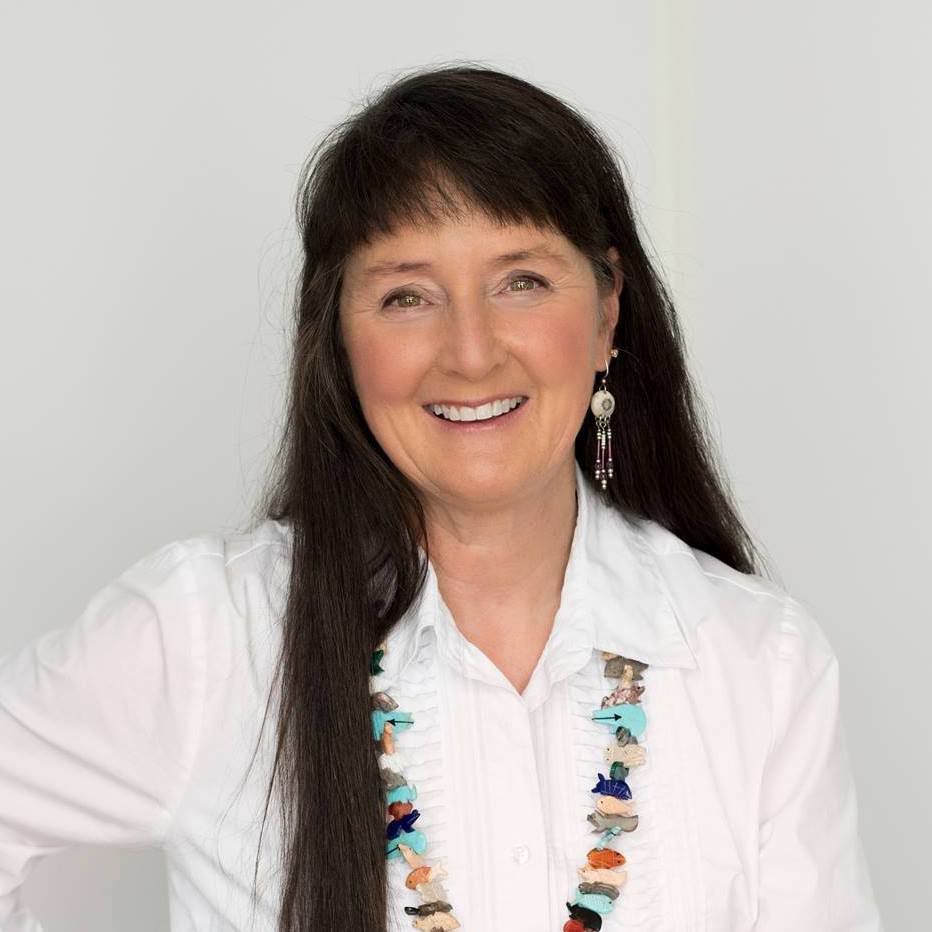
Ex-Colorado Sen. Sonya Jaquez Lewis avoids prison, gets probation for forged ethics letters
Marianne Goodland
marianne.goodland@coloradopolitics.com
Updated 12 hours ago
Former state Sen. Sonya Jaquez Lewis, D-Longmont, was sentenced Friday to two years of supervised probation and 150 hours of community service, and a $3,000 fine, to be waived if she completes an additional 100 hours of community service. The...
PREV
PREVIOUS

Colorado Politics Calendar Mar. 2-9
CoPo’s weekly political calendar will help you find political and public-policy events throughout Colorado. It includes candidate and issue campaign events, public policy meetings, court hearings, state and local party conventions, assemblies, debates, rallies, parades, speaking engagements, traveling dignitary appearances, water meetings, book signings, county commission hearings, city council meetings and more. As a subscriber, […]
A cynical import Colorado doesn’t need | SONDERMANN
“But mommy, he started it.” Every parent, definitely those with more than one kid, has heard this instinctively defensive reaction to the point of exhaustion. It is the ultimate deflection or shifting of the blame. A similar rationale, often about as juvenile, has overtaken our divisive, dysfunctional politics. All manner of bad behavior is excused […]