

Former House member picked to fill Senate vacancy in Colorado
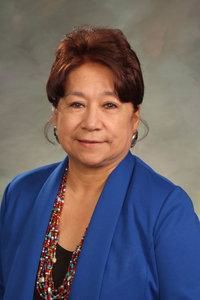
A vacancy committee on Thursday night chose a former House legislator to replace former Sen. Dafna Michaelson Jenet, who resigned on Feb. 13 to become the director of the David and Laura Merage Foundation for Combating Antisemitism.
Adrienne Benavidez — picked by a Senate District 21 vacancy panel — had served three terms in the House, rising to the position of Speaker pro tem. After she lost the race for House Speaker following the 2022 general election, she stepped down from the legislature before the beginning of the 2023 session.
A vacancy committee chose Rep. Lorena Garcia to replace her.
There were seven candidates who vied for Michaelson Jenet’s Senate seat. The vacancy committee had 38 members; Benavidez won the vacancy with 52% of the vote.
News reports said Benavidez was nominated by Garcia.
“The hardworking people of Senate District 21 deserve representation that will advocate for their needs and concerns. I hope to make them proud,” Benavidez said in a statement.
With her election, vacancy committees have now selected 26 members, including one lawmaker who has won two vacancy elections, to fill 27 seats in the legislature.
There are no more vacancies, at least for now, in the Colorado General Assembly.
Lawmakers passed a bill in the 2025 session to change the vacancy process following concerns raised about the high number of lawmakers who gain seats through it.
House Bill 1315 established new processes for filling vacancies and they were applied for the first time to the Senate District 21 vacancy.
The new outlined the following changes:
• If a lawmaker resigns during the session or by July 31 in an even-numbered year, the new vacancy committee process will be initiated, and the selected candidate will then run in the customarily scheduled general election in November.
• If a lawmaker resigns after July 31 in an even-numbered year, the vacancy would be filled first by the vacancy committee. Then, a vacancy election would be held in the following odd-year November election.
• If a lawmaker resigns during the session or by July 31 in an odd-numbered year, the new vacancy committee process would fill the seat until a vacancy election can occur in November of that year.
• If a lawmaker resigns after July 31 in an odd-numbered year, a new vacancy committee would be formed to fill the seat until the next general election in the following even-numbered year.
In the odd-numbered year election, only voters from the same political party as the resigned lawmaker, or unaffiliated voters, would be allowed to vote.
The process of becoming a candidate would also change, requiring candidates to obtain signatures from either 30% of the vacancy committee or 200 voters from the same party.
Regarding campaign finance, the new law established contribution limits for candidates running in special elections or vacancies. It requires that contributions disclosures be filed on Mondays each week while the vacancy process is underway.
Rep. Bob Marshall, D-Highlands Ranch, who sponsored a competing bill in the 2025 session, told Colorado Politics in 2024 that a constituent wanted to be in the legislature but didn’t want to run for election.
“’I want a vacancy appointment!’” the constituent said, according to Marshall.
“People are starting to think it’s the norm,” Marshall said. “It’s not.”


Iranians in Colorado weigh in on Khamenei’s death
Mark Samuelson Special to The Denver Gazette
mark.samuelson@denvergazette.com
Updated 2 hours ago
As the joint U.S.-Israeli attack on Iranian targets continued into a second day following the death of leader Ayatollah Khomeini, Iranians living in Denver weighed in, saying they welcome the opportunity for a regime change in the Islamic Republic. “The...
Male wolf dies after capture attempt in Colorado
Marianne Goodland
marianne.goodland@coloradopolitics.com
Updated 11 minutes ago
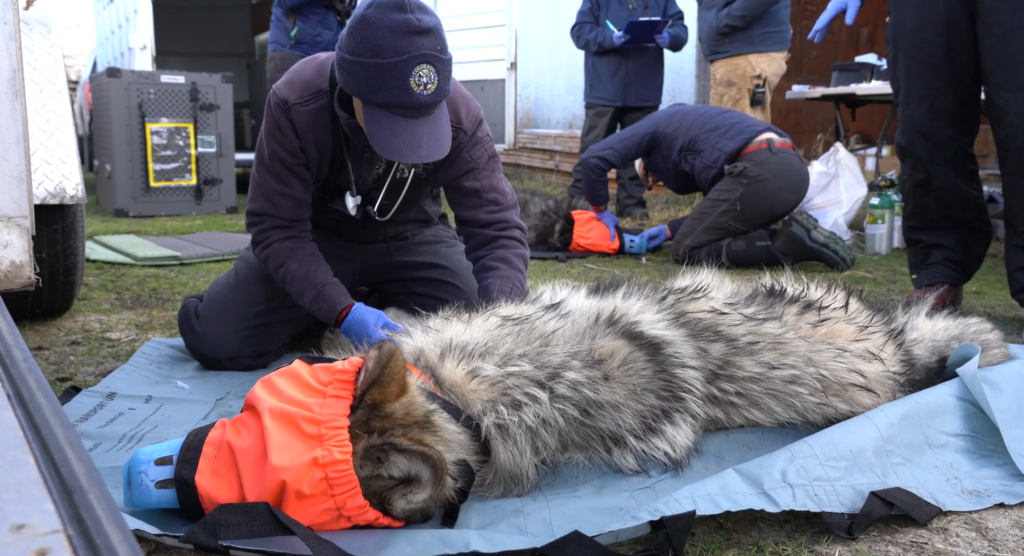
One of the original wolves brought to Colorado from Colorado has died after an attempt to capture it, the’s state wildlife agency said. The Colorado Parks and Wildlife identified the wolf as No. 2305 — meaning it was one of...

Democrat Michael Bennet turns in petitions for Colorado’s gubernatorial primary, plans to skip caucuses
Ernest Luning
ernest.luning@coloradopolitics.com
Updated 4 hours ago
U.S. Sen. Michael Bennet, a Democratic candidate for governor, submitted nominating petitions for Colorado’s June primary ballot on Friday, his campaign and the Colorado Secretary of State’s Office said. Bennet plans to rely on his petitions to get on the...

Colorado Republicans, Democrats clash over Iran military operation
Thelma Grimes
thelma.grimes@coloradopolitics.com
Updated 20 hours ago
Colorado’s congressional delegation split sharply along party lines Saturday after the U.S. and Israel attacked Iran, triggering a fresh debate in America over presidential war powers. Trump announced early Saturday morning that U.S and Israeli forces had begun “Operation Epic...
Cute puppy overload and an audition of a different kind: Capitol M | Week of Feb. 28, 2026
Marianne Goodland
marianne.goodland@coloradopolitics.com
Updated 3 days ago
The lighter side of the Capitol, and most days, you ought to be really grateful for it. There’s a rumor (jk) floating around that an amendment is coming for the bill to legalize prostitution. The amendment would ban condoms made...

Competing overtime bills for agriculture workers split Colorado Democrats
Marianne Goodland
marianne.goodland@coloradopolitics.com
Updated 2 days ago
Competing bills setting the overtime threshold for farmworkers have split legislators at the Colorado state Capitol, with one group saying a law passed in 2021 has harmed, rather than helped, farming operations and workers alike, while the other side insists...

Garfield County sheriff illegally collaborated with ICE, cease and desist letter claims
Michael Braithwaite
michael.braithwaite@gazette.com
Updated 2 days ago
A cease and desist letter filed Wednesday alleged that the Garfield County sheriff intentionally violated state law by collaborating with the U.S. Immigration and Customs Enforcement (ICE). The letter, filed by the law firm Towards Justice, claimed that Garfield County...
Gov. Jared Polis moves to end ICE subpoena fight over Colorado workers’ personal data
Marianne Goodland
marianne.goodland@coloradopolitics.com
Updated 2 days ago
The effort by Gov. Jared Polis to comply with an administrative subpoena from U.S. Immigration and Customs Enforcement for information held by several state agencies is over. Polis, in a motion filed Feb. 20, asked for a permanent injunction and...

Ex-Colorado Sen. Sonya Jaquez Lewis avoids prison, gets probation for forged ethics letters
Marianne Goodland
marianne.goodland@coloradopolitics.com
Updated 2 days ago
Former state Sen. Sonya Jaquez Lewis, D-Longmont, was sentenced Friday to two years of supervised probation and 150 hours of community service, and a $3,000 fine, to be waived if she completes an additional 100 hours of community service. The...

Colorado delegation’s plus-one picks convey messages at Donald Trump’s State of the Union | TRAIL MIX
Ernest Luning
ernest.luning@coloradopolitics.com
Updated 2 days ago
It’s become a tradition for members of Congress to deliver messages of their own at the State of the Union address, though this year none of the Colorado lawmakers shouted at the president during the speech, nor did the delegation...
PREV
PREVIOUS

Colorado delegation’s plus-one picks convey messages at Donald Trump’s State of the Union | TRAIL MIX
It’s become a tradition for members of Congress to deliver messages of their own at the State of the Union address, though this year none of the Colorado lawmakers shouted at the president during the speech, nor did the delegation join on the House floor for a kumbaya moment. While some of the state’s DC […]

Bipartisan bill aims to launch Colorado ‘Cradle to Career’ anti-poverty grant program
The bill’s sponsors say it will help Colorado families living in poverty, and the organizations that support them have cleared their first hurdle, but they will need to raise just over $1 million before things get off the ground. Senate Bill 080, sponsored by Senate President James Coleman, D-Denver, Minority Leader Cleave Simpson, R-Alamosa, and […]