

Sound science should drive Colorado’s pesticide policy | OPINION

By Paul Schlagel
As a Coloradan and fourth-generation sugar beet farmer, my relationship with the land and my livelihood depend on balancing healthy soil, vibrant crops, and clean water. Achieving this balance — and providing food to my neighbors here in Longmont — requires essential tools such as scientifically researched and tested pesticides. That’s why I’m concerned about Colorado Senate Bill 26-065, which would sharply restrict the sale and use of neonicotinoid-treated seeds across our state.
When I see calls at the Capitol to restrict these tools I don’t just see a policy debate; I see a sweeping proposal that risks ignoring the complexities of Colorado’s environmental and agricultural landscape.
While we ought to do everything we can to protect Colorado’s beautiful rivers and lakes, our state’s environmental policies must be rooted in sound science. The facts show that modern seed treatments are a targeted, low-impact tool for farmers, not a driver of water contamination.
In fact, monitoring data from across Colorado show neonic detections are more often tied to urban hotspots like Denver’s Cherry Creek than rural fields. Samplings in the heart of Colorado’s farming communities such as the Republican Basin and the San Luis Valley show nearly a 0% detection rate. If agriculture were the culprit, these basins would be the first to show it.
Part of the confusion around these tools stems from how they’re described. We aren’t spraying chemicals across the landscape. Seed treatments are applied in small, precise amounts directly to seeds before they ever touch the dirt. This allows farmers to use significantly lower amounts of pesticides than traditional spraying, keeping the pest protection where it’s needed and saving us both time and money.
Because Colorado is a semi-arid state, farmers also manage water carefully. Many of us use pivot irrigation systems matched to plant needs, resulting in zero irrigation runoff. We aren’t just farmers; we are water and tech managers who have every incentive to keep our water in the field and out of local waterways.
The risks of restricting these tools under SB 65 are significant. If farmers lose access to treated seeds, we are forced toward more costly and less effective alternatives. These outdated methods often require more intensive management, increasing the environmental footprint critics claim they want to reduce.
For specialty crops like lettuce and sugarbeets, the stakes are even higher. Restricting access to modern crop protection tools can increase the risk of significant drops in crop revenue by 58% to 72% thanks to steep yield losses. Such a blow would decimate Colorado agriculture.
It’s important to remember that we aren’t operating in a “Wild West” where farmers can use untested pesticides at will. The EPA’s pesticide review process is among the most transparent and rigorous in the world, requiring a decade-plus of scientific vetting before a product is registered for use by farmers. State-level restrictions without a complete picture risk doing more harm than good.
Furthermore, today’s pollutant monitoring tools are so sensitive they can identify substances at parts per trillion, far below levels that cause biological harm. This level of detection is equivalent to finding one drop of water in 20 Olympic-sized swimming pools, not an indicator of a crisis in our rural communities.
As lawmakers debate Senate Bill 65, we must resist the urge to react to non-peer-reviewed reports that prioritize headlines over actual science and Colorado’s communities. We can protect our waterways without undermining the farmers who help feed this state, but only if policy is grounded in the dirt and the data.
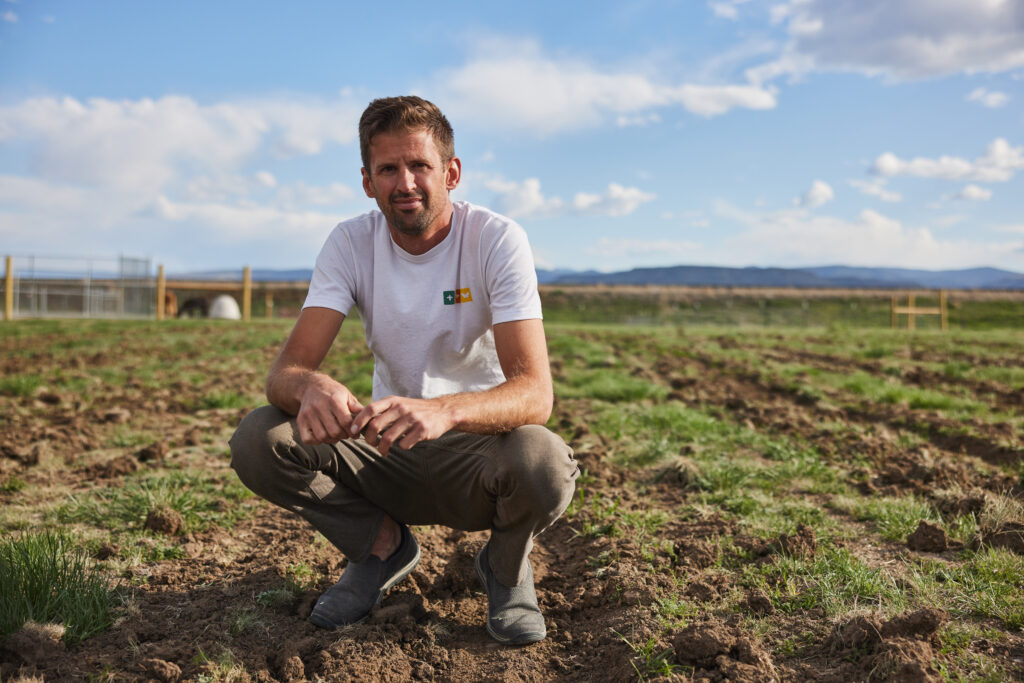
Paul Schlagel is a fourth-generation farmer whose family has farmed the same land for 100 years. He lives in Longmont.


How much liberty do you really believe in? | Hal Bidlack
Hal Bidlack
hal-bidlack@coloradopolitics.com
Updated 4 hours ago
I’m guessing my regular readers, if asked which Colorado Politics story I would choose to write about this week, would guess the Out West Roundup, which I admit is a personal favorite. The notion New Mexico would launch a “Truth...

When the snow doesn’t fall — securing Colorado’s water future through storage | OPINION
Colorado Politics
colorado-politics@coloradopolitics.com
Updated 4 hours ago
By Ron Redd This winter has delivered sobering news for Colorado. Snowpack levels across much of the state are at record lows in 2026, and this is a stark reminder that, in Colorado, water security begins in the mountains. At...
Support Colorado’s SEED Act to rein in pesticides | OPINION
Colorado Politics
colorado-politics@coloradopolitics.com
Updated 4 hours ago
By Brad Kuhn Colorado has an opportunity to take a smart, science-based step forward by passing the SEED Act, SB26-065. This legislation does not ban tools farmers rely on. It simply ensures that highly mobile, systemic pesticides are used when...

Colorado senators hold heated debate on latest immigration bill
Marianne Goodland
marianne.goodland@coloradopolitics.com
Updated 9 hours ago
A bill that would allow individuals who get injured during an immigration action to sue federal agents in state court won preliminary approval from the Colorado Senate on Monday. The bill would permit a “cause of action” by such individuals...

Trump pulls endorsement from Jeff Hurd over tariffs, backs Colorado Republican’s primary challenger
Ernest Luning
ernest.luning@coloradopolitics.com
Updated 8 hours ago
President Donald Trump on Saturday rescinded his endorsement of U.S. Rep. Jeff Hurd and threw his support behind the Colorado Republican’s primary challenger, Hope Scheppelman, citing the first-term incumbent’s “lack of support” for the administration’s tariff policy. The move comes...

Colorado Senate Democrats choose Sen. Cathy Kipp as president pro tempore
Marianne Goodland
marianne.goodland@coloradopolitics.com
Updated 11 hours ago
Senate Democrats on Monday elected Sen. Cathy Kipp, D-Fort Collins, as the next president pro tempore. Kipp replaced former Sen. Dafna Michaelson Jenet, D-Commerce City, who resigned her seat earlier this month. Kipp faced off against Sen. Tony Exum, D-Colorado...

With deadline looming, Colorado House Ethics Committee narrows case against Rep. Ron Weinberg
Marianne Goodland
marianne.goodland@coloradopolitics.com
Updated 12 hours ago
With a Wednesday deadline to vote on seven ethics allegations against Rep. Ron Weinberg, R-Loveland, the Colorado House Ethics Committee signaled that it is poised to dismiss most of the claims, including campaign finance, conduct and firearm-related accusations, while focusing...

Democratic lawmakers propose changes to landlord-tenant laws in Colorado | Bills in Brief
Marissa Ventrelli
marissa.ventrelli@coloradopolitics.com
Updated 13 hours ago
Colorado lawmakers introduce hundreds of bills each year. Bills in brief cuts through the noise by explaining which proposals matter, what’s at stake, and how decisions at the Capitol could affect everyday life across the state. House Bill 1013, sponsored by Reps....

Colorado colleges must conduct wellness check if a student is reported missing under proposal
Marissa Ventrelli
marissa.ventrelli@coloradopolitics.com
Updated 10 hours ago
Spurred by the deaths of two young adults last year, a group of Colorado lawmakers is pushing legislation to require colleges to conduct wellness checks within six hours of a missing student report. The measure would also mandate statewide law...

At least 6 candidates vying to replace former Sen. Dafna Michaelson Jenet
Marianne Goodland
marianne.goodland@coloradopolitics.com
Updated 11 hours ago
Sometime in the next 24 days, a vacancy committee for Senate District 21 will hold an election to choose a successor to former Sen. Dafna Michaelson Jenet, D-Commerce City. Michaelson Jenet resigned on Feb. 13 to take a job as...
PREV
PREVIOUS

Colorado senators hold heated debate on latest immigration bill
A bill that would allow individuals who get injured during an immigration action to sue federal agents in state court won preliminary approval from the Colorado Senate on Monday. The bill would permit a “cause of action” by such individuals to sue. It would also permit “legal or equitable relief or any other appropriate relief” […]

Support Colorado’s SEED Act to rein in pesticides | OPINION
By Brad Kuhn Colorado has an opportunity to take a smart, science-based step forward by passing the SEED Act, SB26-065. This legislation does not ban tools farmers rely on. It simply ensures that highly mobile, systemic pesticides are used when they are truly needed rather than applied automatically. In a state defined by water, agriculture, […]