

Michael Bennet and ‘the question’ | SONDERMANN
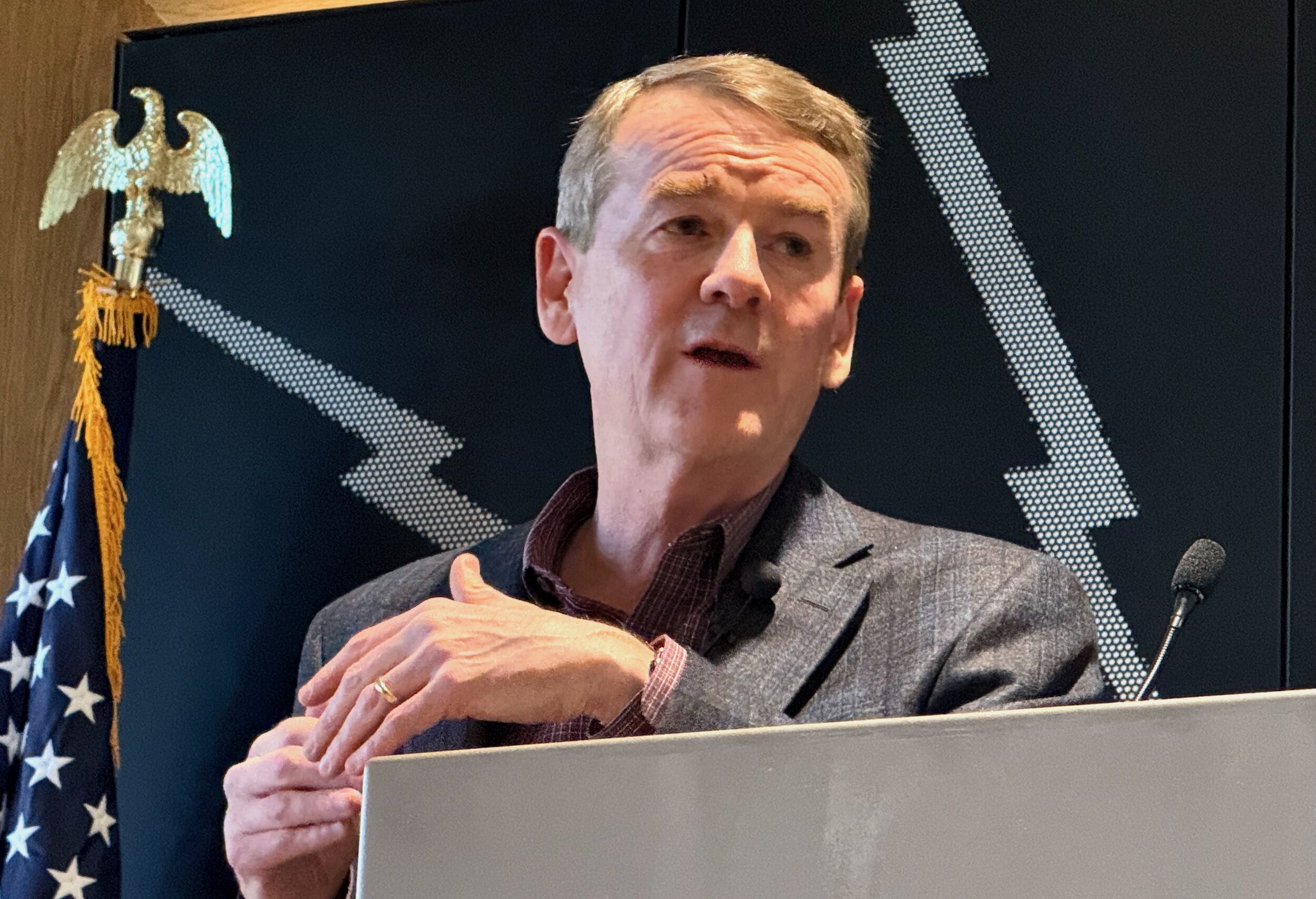
The train usually runs only one way. The route goes from the state Capitol to Washington, D.C. State legislators become members of Congress; governors become senators. See Hickenlooper, John.
Including our junior senator, no matter his years, a total of 12 current U.S. senators arrived there after first serving stints as governors of their respective states. That count includes both such lawmakers from New Hampshire and Virginia.
The reverse trip is infrequently taken. Senators rarely come back to seek state-level office. An academic study shows that, since 1900, 153 sitting or former governors have become senators, while a mere 21 senators have taken the ride home to be elected governor.
This year represents either an aberration or the start of a different trend. Four incumbent senators, two from each party, are seeking the governorships of Alabama, Tennessee, Minnesota, and, yes, Colorado. Though Alabama’s Tommy Tuberville, a legislator with all the qualifications of a football coach, is at the end of his Senate term.
Michael Bennet was appointed to the Senate in January 2009. He was subsequently elected to the body three times, most recently in 2022 by a walkover of 14.5 points. His current term extends to January 2029.
A thoughtful, diligent guy and a senator, unlike some, involved deeply with the country’s most important issues, Bennet has a well-formed rationale in his own mind for the question of why he is seeking to make this shift.
He finds the Senate to be a dysfunctional institution (self-evidently true), thinks his party’s leadership is failing the moment (also hard to argue), and believes he can make a bigger difference in the state’s executive chambers. I do not doubt the sincerity of Bennet’s conviction. Even if it comes mixed with both frustration and ambition befitting any politician.
At the center of this nomination contest between Bennet and Attorney General Phil Weiser is the question of, “Why is Michael doing this?”
The answer might be clear in Bennet’s head, but that does not mean it is registering with Democratic primary election voters or is satisfying their skepticism.
As I read it, the Democratic mood these days is one of dismay and depression at their powerlessness in the face of daily violations of core values, together with a slowly growing hope for a reversal this November.
Sometimes openly, sometimes just beneath the surface, Democrats are questioning Bennet’s timing. It comes in various forms, but at its core is a doubt about his desire to leave the Senate mid-term and absent himself from what is perceived as the essential role of Democratic senators to resist all things Trump.
Bennet has an explanation, but it is simply not getting through.
Complicating his predicament is his own calculated coyness about the selection of a senate successor should he win the governorship. Bennet has never been an elbows-out sort of politician. It is not in his persona. His power play rings as discordant and out of character.
Whether the nod would go to Joe Neguse, Brittany Pettersen, Jason Crow, Jared Polis, or Mike Johnston (color me dubious about the prospects of the latter two), many Democrats who matter feel they are being played and resent being kept in the dark. Bennet’s assertion that he has not really thought about a possible replacement fails the credibility test, especially given that he first came to the office via Gov. Bill Ritter’s surprise appointment.
Compounding Bennet’s struggles is his identity as an establishment kind of Democrat in what is shaping up to be an anti-establishment year. That tag is not necessarily fair. Bennet was among the first prominent Democrats to suggest that President Joe Biden step aside well over half a year before the disastrous debate performance.
Still, perceptions are what they are. Having been on the scene for a couple of decades, having made his share of necessary compromises and having voted for a handful of Trump nominees, Bennet can hardly don the hat of outsider.
That garb really does not fit Weiser either, with his years in Obama’s Justice Department, as a law school dean, and then as the state’s chief lawyer. But Weiser has been better able to capture that rebel, insurgent energy for which Democrats are searching. Having sued the Trump administration a half-zillion times doesn’t hurt.
All said, this is a campaign of small differences. It is hard to imagine the policies and governing style of Bennet and Weiser being all that far apart. Nonetheless, they give off a different vibe in an era when such an aura has supplanted most other criteria.
Forget November. Colorado’s next governor will be chosen in the June 30 primary election. Such is the afterthought status these days of the state’s Republican Party.
Michael Bennet has proven himself a political winner. He clearly wants a vote on parole from the Senate. But unless he can more convincingly answer the question of “why” and “why now,” Democrats are likely to send him back to Washington to complete the remainder of his sentence.
Eric Sondermann is a Colorado-based independent political commentator. He writes regularly for Colorado Politics and The Gazette. Reach him at EWS@EricSondermann.com; follow him at @EricSondermann

A day in the life of the Capitol: Capitol M | Week of Feb. 14, 2026
Marianne Goodland
marianne.goodland@coloradopolitics.com
Updated 2 days ago
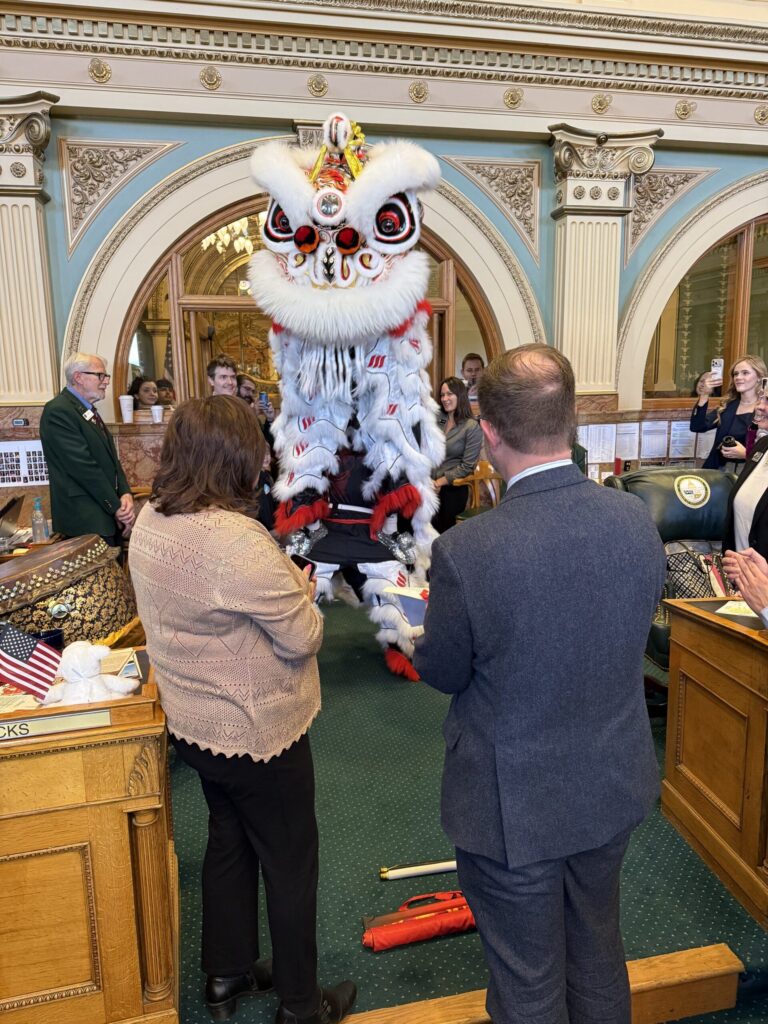
The lighter side of the Capitol, usually. If you were walking around the Capitol on Feb. 12, there was plenty to see and to be amused (or delighted) by. Let’s start with the high school kids from Greeley’s District 6....
Colorado judges lean left — just look at the numbers | George Brauchler
George Brauchler
george-brauchler@gazette.com
Updated 22 hours ago
Colorado’s judicial selection system is heavily skewed toward Democrats and defendants. It is time to drop the pretense that our system adequately minimizes the impact of partisan political influences on the selection of the judicial branch. In less than two...
‘There will be costs,’ warns Jason Crow after failed indictments for ‘illegal orders’ video | TRAIL MIX
Ernest Luning
ernest.luning@coloradopolitics.com
Updated 10 hours ago
U.S. Rep. Jason Crow, the Aurora Democrat who represents Colorado’s 6th Congressional District, signaled this week that he’s considering pursuing legal action against members of the Trump administration after a federal grand jury in Washington declined to indict Crow and...
Will Colorado’s Trump-and-Polis-approved education grift-gift continue? | Paula Noonan
Paula Noonan
paula-noonan@coloradopolitics.com
Updated 2 days ago
If President Donald Trump says it’s free money and Gov. Jared Polis says it’s free money, is it really free money? Both the president and governor claim the Great Big Beautiful Bill’s voucher for education scholarships is “free money.” The...
Pondering Colorado’s population pivot | Miller Hudson
Miller Hudson
miller-hudson@coloradopolitics.com
Updated 6 days ago
A year ago, I ran across one of those business page statistics which confirmed current reports more families are moving out of Colorado than arriving. Rental companies were noticing for the first time in their memory, certainly since the 1960s,...

Hick, much like Trump, harmed rural Colorado | Dick Wadhams
Dick Wadhams
dick-wadhams@coloradopolitics.com
Updated 6 days ago
Colorado’s congressional delegation unanimously opposed President Donald Trump’s recent veto of the Arkansas Valley Conduit water project which had been passed by Congress without opposition. But Trump is not the first chief executive to unilaterally harm communities in rural southeastern...

How to handle the national cattle herd at its lowest level in 75 years? | Rachel Gabel
Rachel Gabel
rachel-gabel@coloradopolitics.com
Updated 6 days ago
This time of year, the salebarns are full of bidders, buyers and cream pie connoisseurs. The adrenaline and anxiety in the building and around the ring is as thick as the gravy served in the café. In the back of...

Why U.S. Sen. Michael Bennet won’t be governor of Colorado | Jon Caldara
Jon Caldara
jon-caldara@coloradopolitics.com
Updated 1 week ago
I suggest we get used to saying the words, “Governor Weiser.” The election for Colorado’s next governor does not take place in November. It’s in fewer than five months, on June 30. That’s the state’s primary election. Whoever wins the...
Capitol M: Olympic version | Week of Feb. 7, 2026
Marianne Goodland
marianne.goodland@coloradopolitics.com
Updated 1 week ago
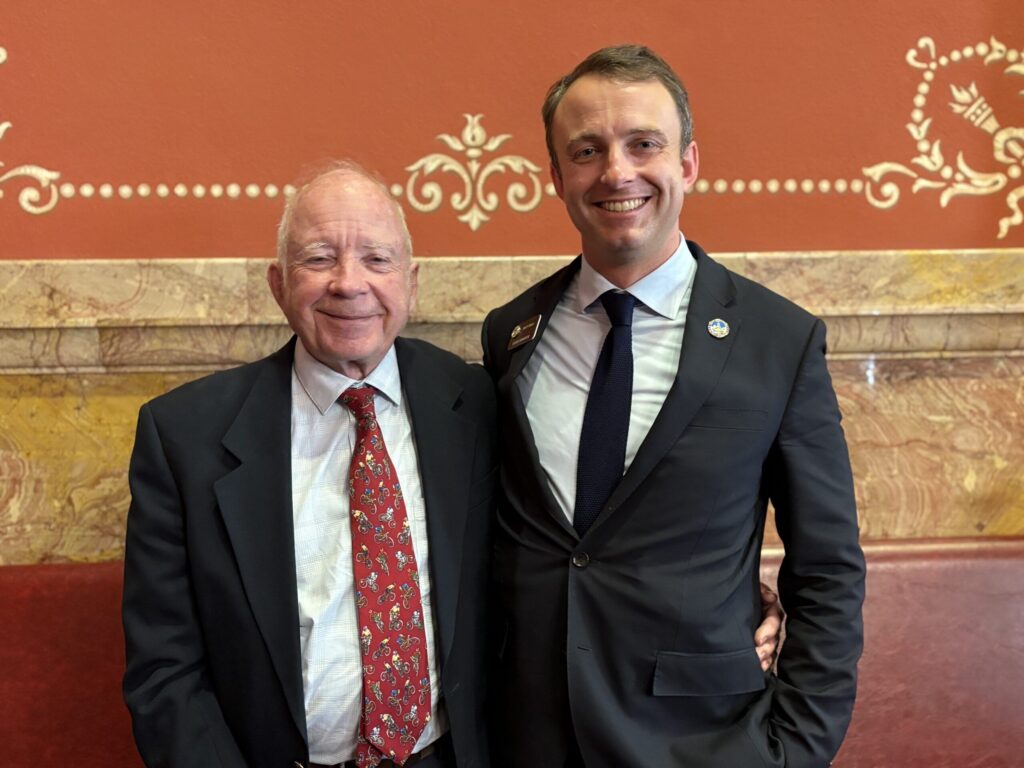
The lighter side of the state Capitol, usually. Sen. Byron Pelton, R-Sterling, who turns 50 this year, is sporting eyeglasses for the first time. He blames the lege. “With 700 bills to read a year, my eyes are failing me,”...
Trump’s critics are not the ones suffering from “derangement” | SONDERMANN
By Eric Sondermann
by-eric-sondermann@coloradopolitics.com
Updated 1 week ago
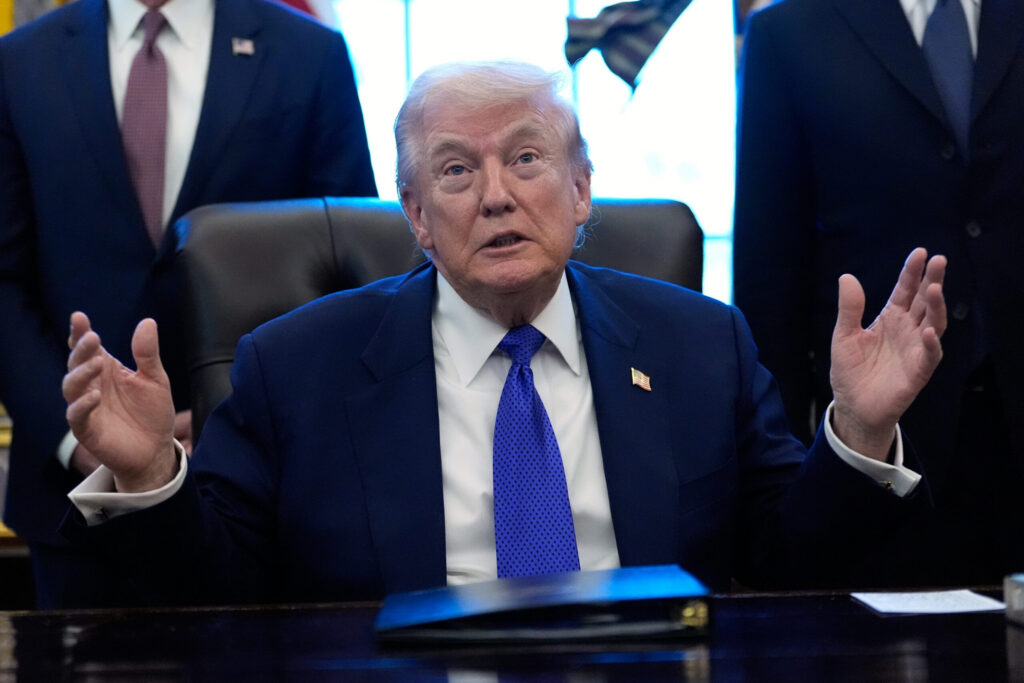
It appears that 63% of Americans, plus or minus, are deranged. Per recent surveys, that is the percentage of fellow citizens who do not approve of President Trump’s performance a year into his second term. In Trump’s world, almost any...
PREV
PREVIOUS

Appeals court clarifies what materials judges may rely on for postconviction decisions
Colorado’s second-highest court clarified on Thursday that trial judges who are deciding whether to grant relief to convicted defendants may rely on the materials attached to, or referenced in, the parties’ arguments. In contrast to direct appeals of criminal convictions, which usually allege errors before trial, at trial or at sentencing, defendants also have the […]

Colorado Supreme Court accepts cases about reliability of gun-to-bullet matching
The Colorado Supreme Court announced on Monday that it will hear two cases questioning the reliability of expert testimony that purports to identify whether a specific bullet was fired from a specific gun. At least three of the court’s seven members must agree to take up a case on appeal. There is currently one vacancy, […]