

El Paso County considers program for roadside memorials
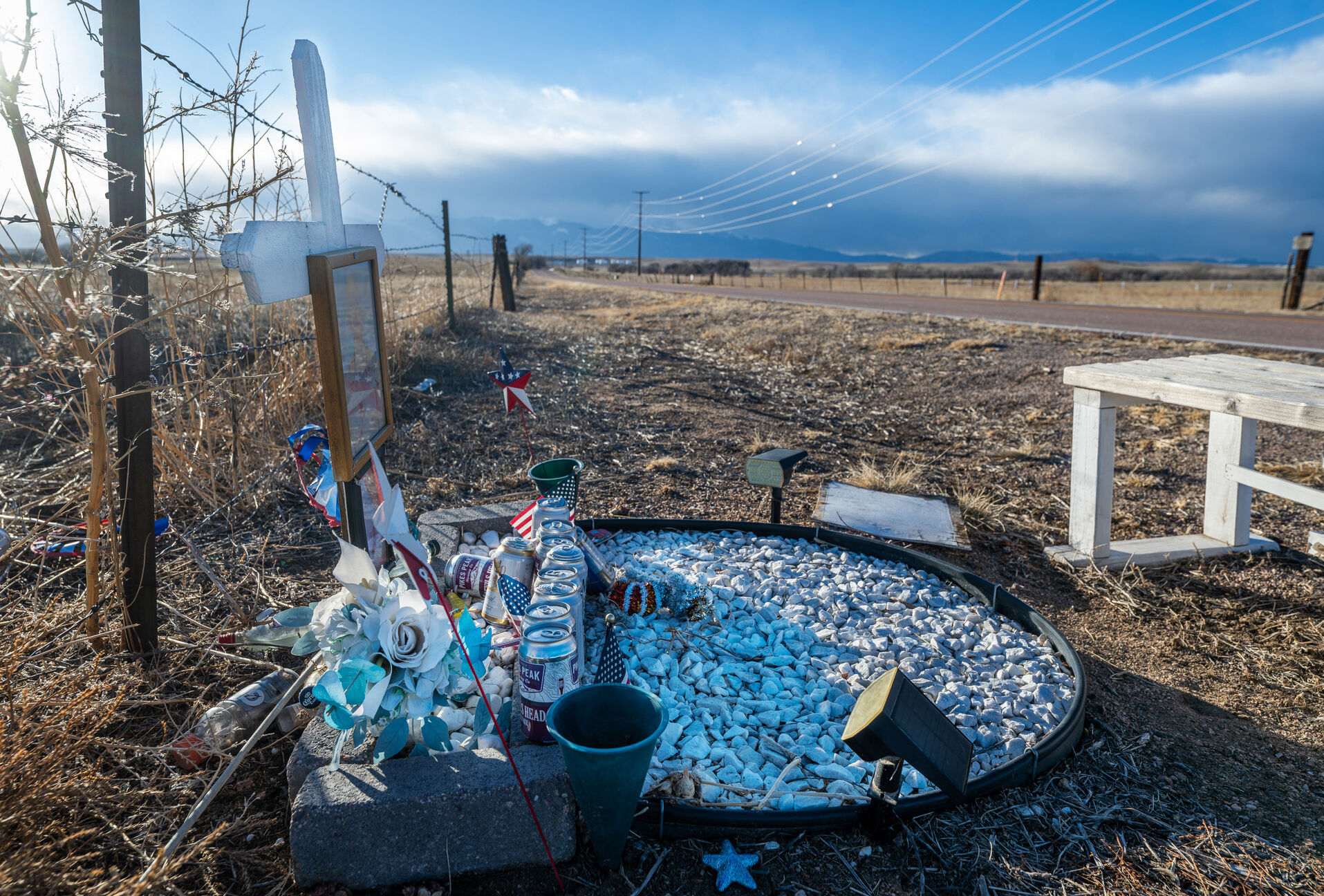
Roadside memorials can be a poignant reminder on a daily commute: Be cautious because someone died here.
This year, El Paso County is considering creating an official way to commemorate lives lost on the roadway. The program, if approved, would be recommended to people contacting the county interested in a memorial.
The proposed program would encourage safe signage on the roadway, but El Paso County is not planning to prohibit or remove the many unofficial memorials along county roadways.
“We don’t touch them, generally, unless we absolutely have to,” said El Paso County Engineer Joshua Palmer.
They come in many different iterations, from simple white crosses to elaborate displays. Colorado law generally allows them on county roads, unless the county itself creates a permitting process or the memorial causes a safety issue.
Policies are not uniform across all Colorado roads. In Adams County, only official roadside memorials are allowed, and all others can be removed with an attempt made to return the memorial to family. In Jefferson County, all requests to the county for a sign must also be made through an official application process.
State highways also have an official sign program through the Colorado Department of Transportation, while makeshift signs can be taken down.
Across the Southwest, roadside memorials are a traditional way to recognize crash victims. Called descansos, or “places of rest,” memorials can be elaborate and follow certain styles, like a “ghost bike” painted white for a person killed on a bicycle. In New Mexico, it is illegal to deface a descanso unless a state official must remove one due to road obstruction.
Since signs put up by El Paso County need to follow certain transportation signage rules, the memorials won’t be very personalized. The signs under consideration would be 36 inches by 18 inches, with a contrasting blue-and-white color scheme.
The draft rules include five text options, which would depend on the nature of the fatal crash.
Wrecks where the memorialized decedent was convicted of driving impaired or was later shown to be intoxicated through toxicology would have the option of “Don’t Drive Impaired” and “Don’t Ride Impaired.” Those memorials would not include the person’s name, instead saying “sponsored by” a person, family or group.
Crashes where a person died without wearing a seat belt can bear the phrase “Please Buckle Up.”
All other fatalities would have the option of “Please Drive Safely” or “Please Ride Safely.”
The county’s first memorial, a pilot case, memorializes Onesimo “Oney” Vigil, who died in a motorcycle crash in 2017.
The program would charge a fee of $100, an amount that Palmer said is much less than the full cost of erecting a sign. Once the county approves an application, it would have 60 days to put up the memorial.
The signs would stay in place for five years, with an optional two-year extension. After that period, the county would give the signs to the family member or sponsor.
While the sign program is meant to be an alternative to makeshift memorials, El Paso County Administrator Bret Waters said the program wasn’t meant to be prohibitive.
“We’re going to be flexible with family members and exercise good judgment,” he said.
The program would also allow law enforcement agencies to create memorials for officers who die on county roads while in the line of duty.
The El Paso County Board of County Commissioners will likely vote on the program at an upcoming meeting. Commission Chair Carrie Geitner said she wanted to review the proposed program rules.
“I just want to get all the details before I vote on something,” she said.


‘Steel for fuel’ — but bill consumers for both | PODIUM
Colorado Politics
colorado-politics@coloradopolitics.com
Updated 10 hours ago
By Sarah Montalbano In 2018, Xcel Energy, an investor-owned utility serving millions of customers across eight states, was the first U.S. utility to pledge to deliver 100% carbon-free electricity by 2050. Eight years later, Xcel is pleading with Colorado...

Mental health education for coaches can help young athletes on and off the field | OPINION
Colorado Politics
colorado-politics@coloradopolitics.com
Updated 10 hours ago
By Erin Harrop Youth athletics have become significantly more intense and competitive. The physical effects of training or injury can be grueling — but so are the mental health effects, particularly as performance pressure increases. As leaders and mentors, coaches...

Colorado leaders weigh next steps after Supreme Court rejects state ban on ‘conversion therapy’
Marissa Ventrelli
marissa.ventrelli@coloradopolitics.com
Updated 11 hours ago
Colorado leaders said they are weighing next steps after the U.S. Supreme Court on Tuesday rejected the state’s ban on “conversion therapy” for children, as critics and supporters cheered or lambasted the ruling. The court’s near-unanimous decision called the Colorado...
Federal judge dismisses U.S. government lawsuit against Colorado, Denver’s ‘sanctuary’ laws
Michael Karlik
michael.karlik@coloradopolitics.com
Updated 10 hours ago
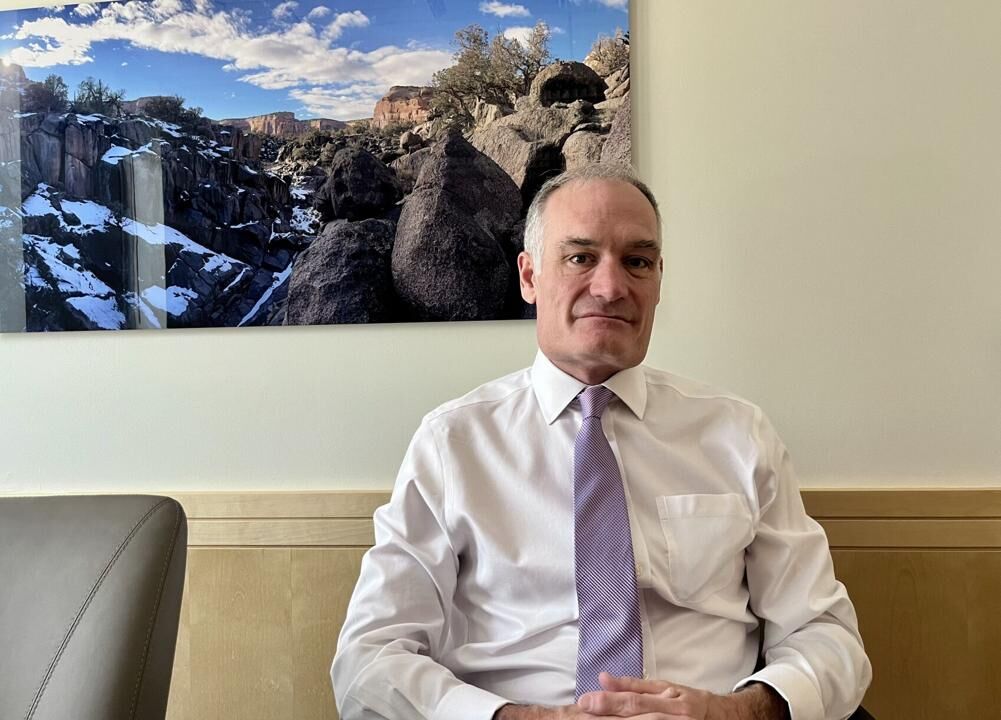
A federal judge dismissed the U.S. government’s lawsuit against Colorado and Denver on Tuesday, which alleged that various local policies impermissibly infringed on federal immigration enforcement. U.S. District Court Judge Gordon P. Gallagher followed the lead of judges in Illinois...

Trump lashes out at allies as Iran war and strait closure push fuel prices higher
Darlene Superville
darlene.superville@associatedpress.com
Updated 14 hours ago
DUBAI, United Arab Emirates (AP) — President Donald Trump expressed frustration Tuesday with allies who have been unwilling to do more to support the U.S. war effort, telling them to “go get your own oil” as the conflict with Iran...
Denver proposes yearlong moratorium on new data centers
Deborah Grigsby
deborah.smith@denvergazette.com
Updated 13 hours ago
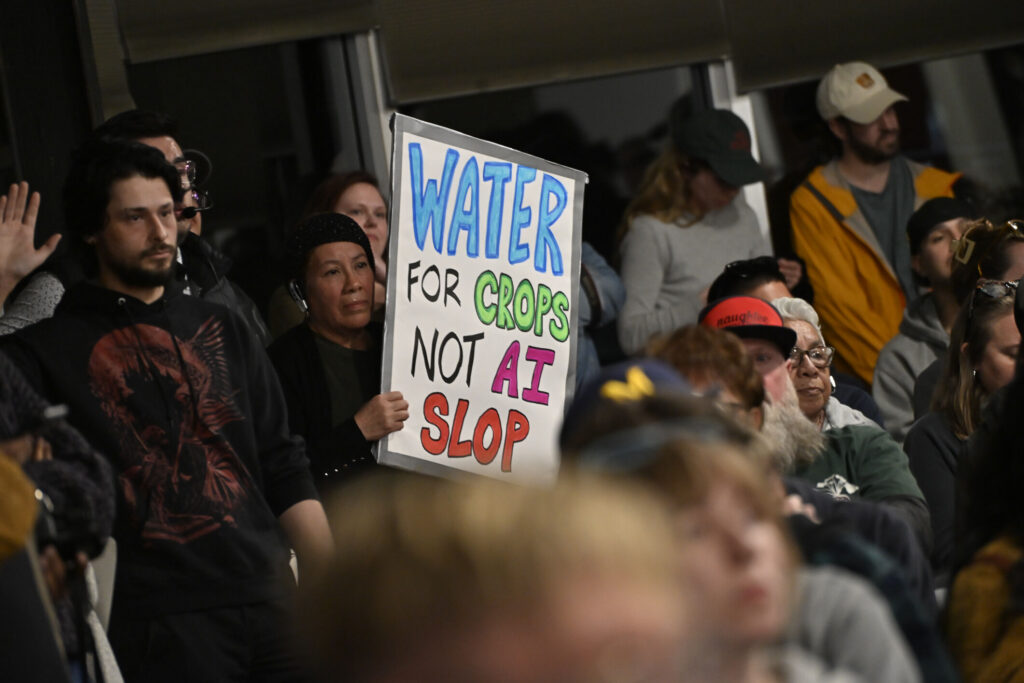
As Denver Water calls for a 20% reduction in water use during Stage 1 drought conditions, City Council members advanced a bill to rein in one of the largest water users — data centers — by proposing a yearlong moratorium...
Federal judge finds DOJ adequately searched for, disclosed records related to Bidens
Michael Karlik
michael.karlik@coloradopolitics.com
Updated 15 hours ago
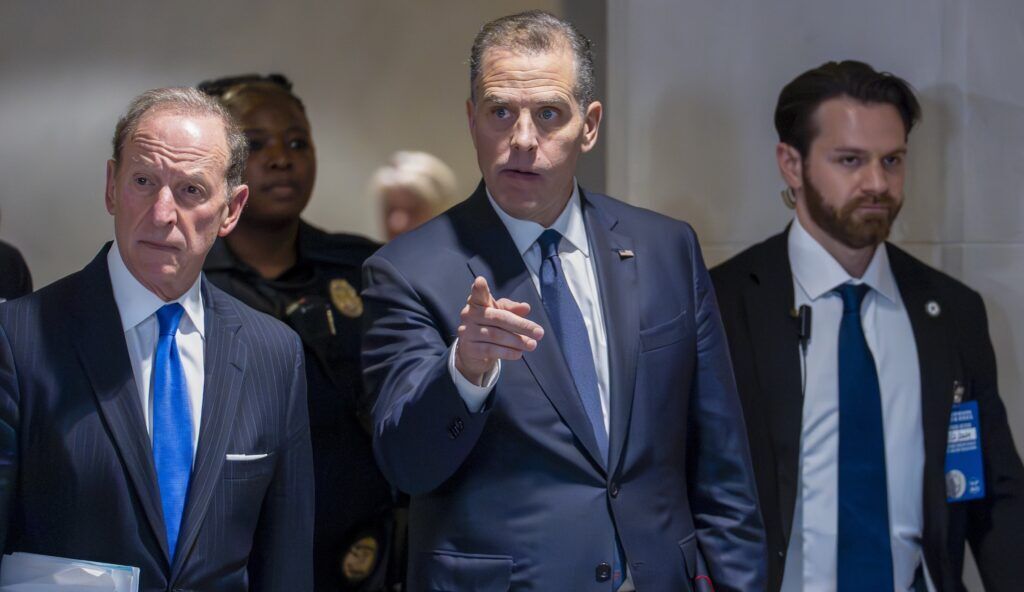
A federal judge determined on Friday that the U.S. Department of Justice adequately searched for and disclosed records to a Colorado attorney in response to his request for documents related to former President Joe Biden’s son and brother. In November...

Colorado lawmakers push legislation to shrink RTD board, increase pay as ridership struggles continue
Marissa Ventrelli
marissa.ventrelli@coloradopolitics.com
Updated 15 hours ago
Colorado lawmakers are advancing a new push to overhaul the Regional Transportation District, proposing to shrink the board, raise member pay, and boost ridership back to pre-pandemic levels. While some stakeholders see the effort as a step forward, others warn...

Appellate court slap downs in Trump cases highlight mounting tension in the judiciary
Jack Birle, Washington Examiner
jack.birle.washington.examiner@gazetteedit.wpenginepowered.com
Updated 17 hours ago
The Trump administration has won key reversals of lower court rulings against it in appeals courts — many of which have sharply rebuked the district court’s earlier rulings, highlighting growing tensions within the judiciary. Since January 2026, federal appeals courts...

Trump officials exempt oil and gas drilling in the Gulf from endangered species rules
Matthew Brown
matthew.brown@associatedpress.com
Updated 17 hours ago
The Trump administration on Tuesday exempted oil and gas drilling in the Gulf of Mexico from the Endangered Species Act after Defense Secretary Pete Hegseth said environmentalists’ lawsuits threatened to hobble domestic energy supplies as the U.S. wages war against...