Governor’s lobbyists should be banned from the house floor, legislator argues | A LOOK BACK
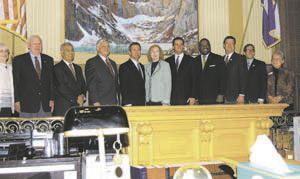
Forty-Five Years Ago This Week: State Rep. Bob Stephenson, R-Colorado Springs, created an uproar in the chambers of the House of Representatives after he proposed a rule change that would ban the governor’s lobbyists from the House floor during the session.
Stephenson argued that the governor’s lobbyists had recently abused their 100-year-old privilege when one of them was seen sitting in a legislator’s gold-embroidered chair.
But Democrats loudly protested, arguing it was a partisan attack on Gov. Dick Lamm.
“Not so,” Stephenson said. “it’s more of a question of separation of powers. If we, as a legislature, are going to be suing the judiciary and suing the executive, we ought to allow ourselves the right to function on the floor without interference. The governor’s lobbyists can get their crack at the legislative process just like everyone else: in the committee room.”
Rep. W.H. Becker, R-Colorado Springs, did not agree and when the rule change was brought up before the House State Affairs Committee said it was “kid stuff … confrontational politics … childish.”
The House State Affairs Committee voted on party lines, 6-4, to send the measure to the House, but a Republican caucus vote alerted leadership that 13 Republicans would defect and they would lose the vote. The measure was then diverted to Rules Committee Chairman Frank Randall, R-Colorado Springs.
The Denver Post noted, “Randall has capacious pockets, and the provocative resolution will probably stay nestled in among his keys, movie stubs and lip balm until session’s end.”
Twenty-Five Years Ago: During a discussion of an early form of the bill to transfer $10 million in surplus money from natural gas reserves to help assist the poor in paying their utility bills, Rep. Frank Weddig, D-Aurora, proclaimed into the microphone that he might support the measure if the sponsor, Rep. Jim Snook, R-Alamosa, would support legislation that would provide more long-term relief.
House Majority Leader Lola Spradley, R-Beulah, immediately rushed to the microphone and accused Weddig of horse trading (voting). Spradley reminded the House that under Colorado law it was illegal for legislators to “trade” their votes.
Weddig, a former state senator, said that he meant no harm and stressed that he clearly didn’t mean to suggest his vote was for sale, but rather wanted to make the point that other solutions were needed as well.
Twenty Years Ago: For the third time Sen. Ron Tupa, D-Boulder, introduced a bill (Senate Bill 06-051) that would prohibit certain elected officials from accepting monetary gifts. A previous version of Tupa’s bill (SB05-040) had passed both chambers of the legislature in 2005, but was vetoed by Gov. Bill Owens.
“This is an opportunity for the governor to do the right thing and put words into action,” Tupa said. “There is no reason this year, given the governor’s own remarks about reasons for vetoing a bill, why this measure should not be made law. We need to show the public that we work for them and not special interests.”
In 2006, Colorado was one of only five states that had not passed laws prohibiting legislators from accepting monetary gifts.
“In light of recent national scandals which reveal a serious system failure it is simply unacceptable for legislators to accept contributions from lobbyists,” said Pete Maysmith, executive director of Colorado Common Cause. “In a worst case scenario, this leads to the kind of situation we see in Washington today. At a minimum, contributions of any kind from lobbyists during the legislative session must be curtailed.”
At the end of the 2006 legislative session SB06-051 became law.
Rachael Wright is the author of several novels including The Twins of Strathnaver, with degrees in Political Science and History from Colorado Mesa University, and is a contributing columnist to Colorado Politics, the Colorado Springs Gazette and the Denver Gazette.

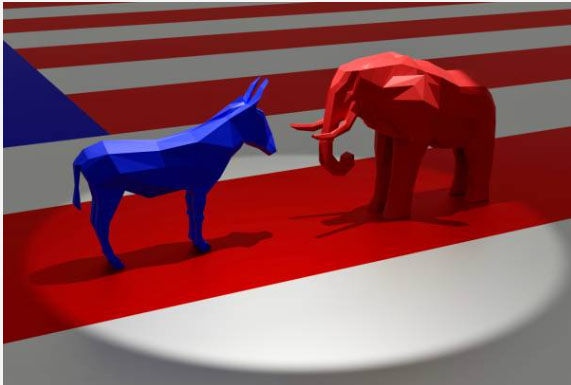
The biggest accelerant of our political tribalism | SONDERMANN
Eric Sondermann
eric-sondermann@coloradopolitics.com
Updated 3 days ago
In years past, my go-to word in describing our political condition was “polarization.” I used it endlessly and still do on occasion. But as time has moved on, and the divide has only grown in depth and toxicity, polarization no...
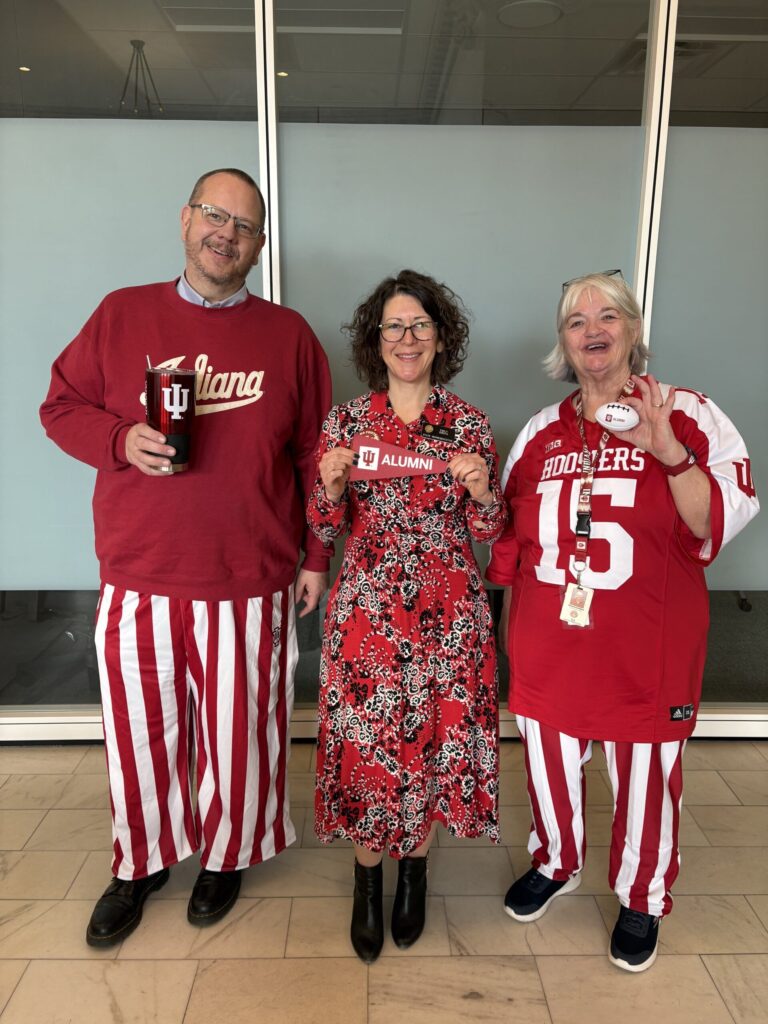
Capitol M: Return to Gold Dome High, 2026 edition, and a salute to old IU
Marianne Goodland
marianne.goodland@coloradopolitics.com
Updated 2 days ago
Welcome back, campers! The 2026 legislative session is upon the good citizens of Colorado, and for a few, the first Monday of the session, Jan. 19, was pretty special. There are at least four folks in the Capitol who are...

Sundance kicks off in Utah with premieres, emotional tributes to Robert Redford | OUT WEST ROUNDUP
Ernest Luning
ernest.luning@coloradopolitics.com
Updated 2 days ago
UTAH Redford hailed at Sundance kick-off PARK CITY — Robert Redford liked to say that everybody has a story. He’s not the only person who said it, but he is one of the few who did something to celebrate it,...
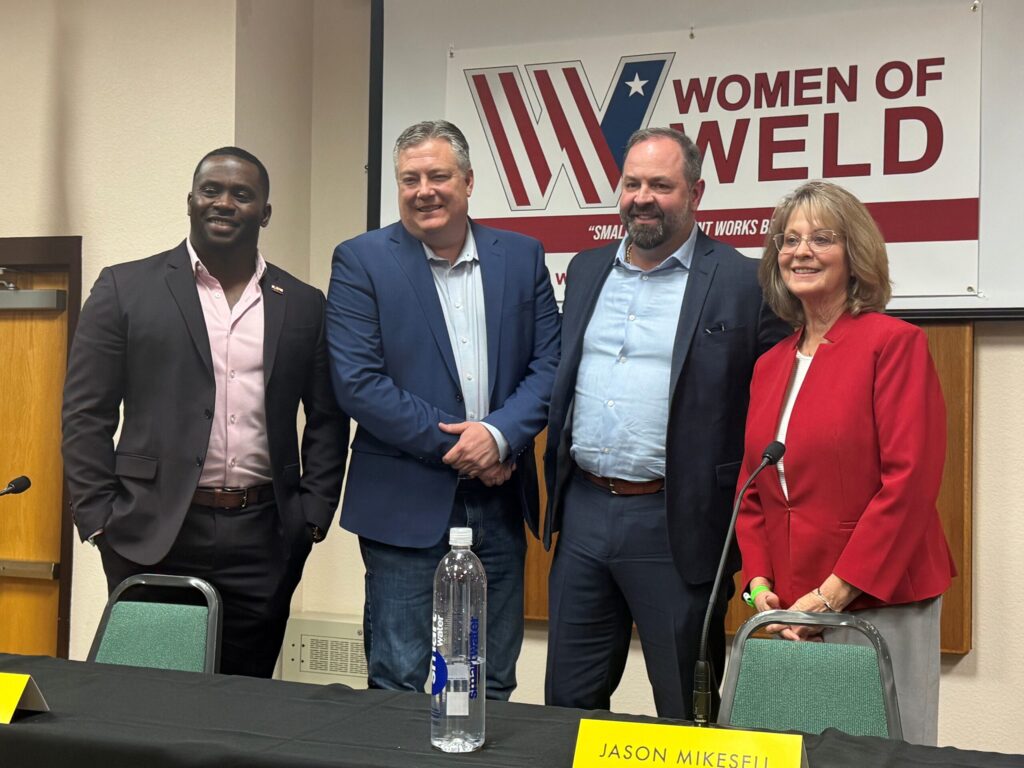
Republican candidates debate how to win the governor’s seat in Colorado — a position the GOP last secured in 2002
Thelma Grimes
thelma.grimes@coloradopolitics.com
Updated 14 hours ago
Colorado has not elected a Republican governor since 2002. On Thursday night, four candidates offered competing visions for how the party can reverse its 20-plus years of failing to secure the seat. The discussion hosted by the Women of Weld...

Colorado’s charitable gaming board to study Denver Gazette’s findings
David Migoya
david.migoya@gazette.com
Updated 15 hours ago
Colorado’s freshman board overseeing the state’s $110 million charitable gaming industry on Friday created a committee to tackle issues raised in a Denver Gazette investigation that exposed, among other issues, poor supervision and illegal operators. The Colorado Charitable Gaming Board,...
10th Circuit to address resentencing of probation violators in rare all-judges hearing
Michael Karlik
michael.karlik@coloradopolitics.com
Updated 18 hours ago
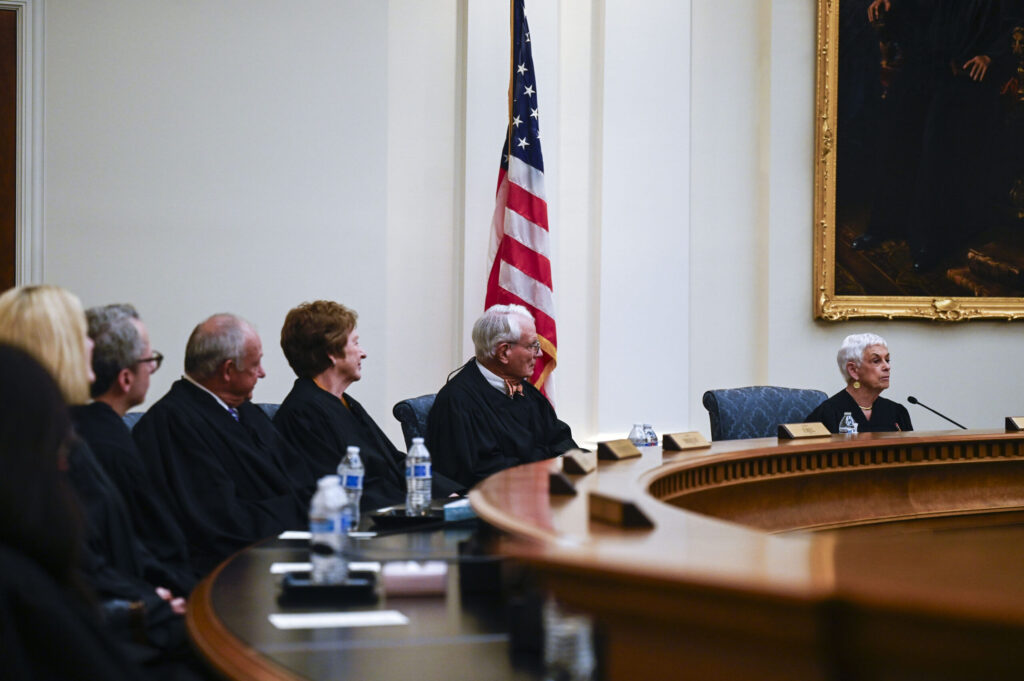
The Denver-based federal appeals court agreed on Thursday to hold a rare all-judges hearing to determine the proper procedure for resentencing a criminal defendant who has violated the terms of his probation. In the federal appellate courts, the vast majority...

Vape shops challenge Denver’s flavored tobacco ban in court
Deborah Grigsby
deborah.smith@denvergazette.com
Updated 15 hours ago
The smoke has yet to settle in the battle over the city’s flavored tobacco ban as local vape shop owners have sued the City and County of Denver, asking the court to declare the ordinance unconstitutional and stop its enforcement....
US officially leaves the World Health Organization
Washington Examiner Staff, Washington Examiner
washington.examiner.staff.washington.examiner@gazetteedit.wpenginepowered.com
Updated 21 hours ago
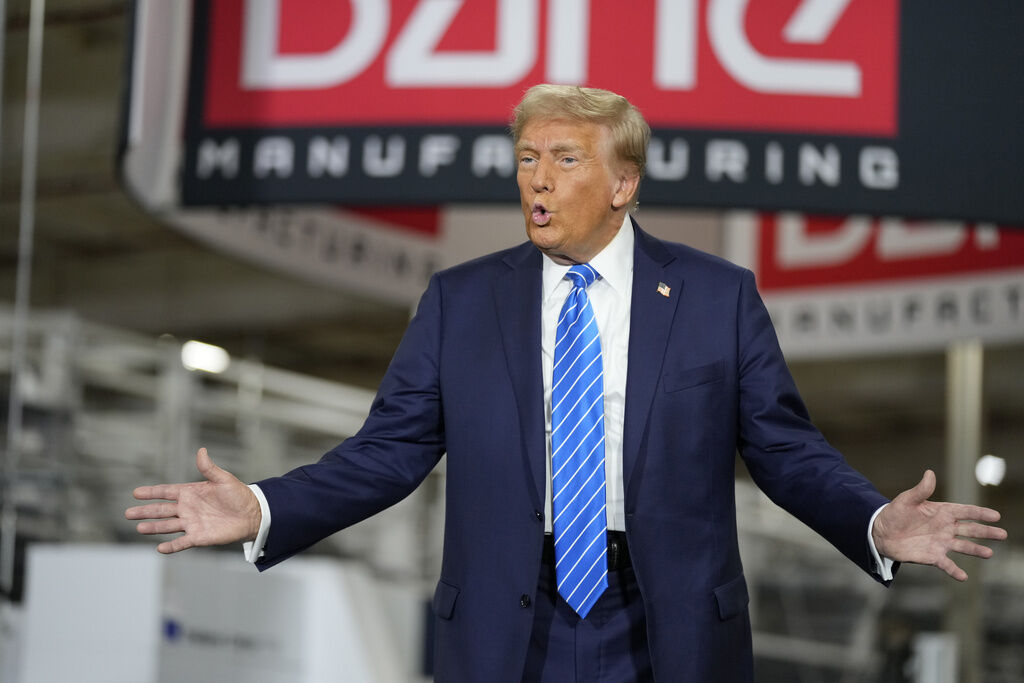
The United States officially withdrew from the World Health Organization on Thursday, slightly over a year after President Donald Trump announced his intention to withdraw the U.S. from the WHO via an executive order on the first day of his...
Report: Colorado government has grown beyond TABOR’s limits
Marissa Ventrelli
marissa.ventrelli@coloradopolitics.com
Updated 13 hours ago
Colorado’s government has grown substantially over the past three decades beyond the limits that voters approved to restrain that expansion, according to a new report from a think tank. The analysis from the Independence Institute, which examines state spending, revenue...
Appeals court overturns Adams County sex offense convictions due to prosecutor’s misconduct
Michael Karlik
michael.karlik@coloradopolitics.com
Updated 22 hours ago
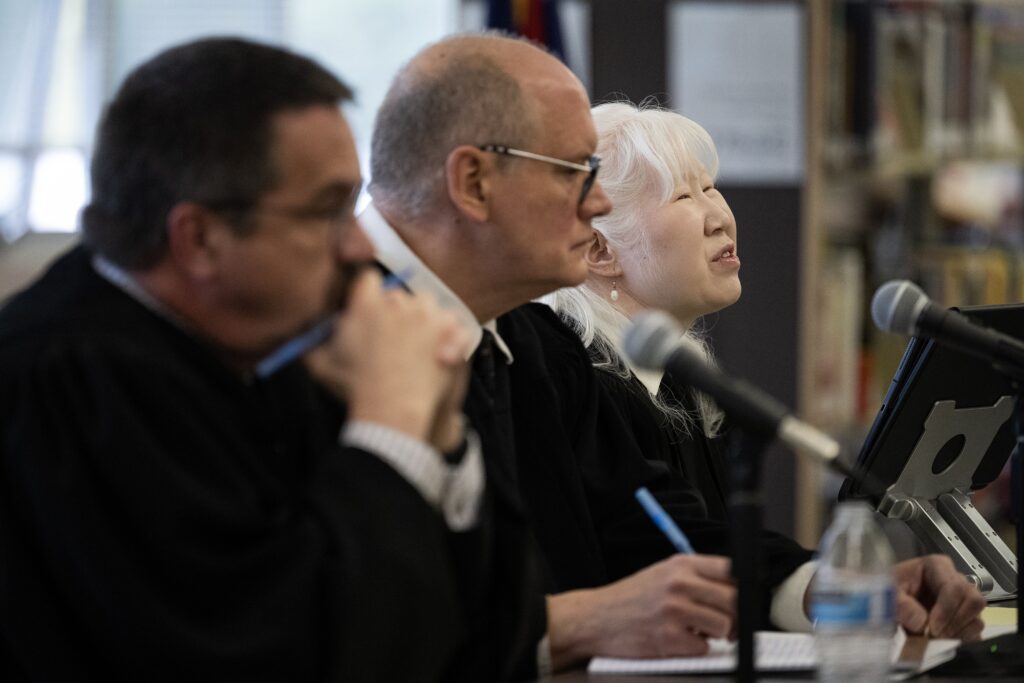
Colorado’s second-highest court reversed multiple child sex assault convictions on Thursday after concluding an Adams County prosecutor committed misconduct while cross-examining the defendant. A three-judge Court of Appeals panel observed the charges against Daniel Michael Boerner depended on the jury...