

Warren Buffett steps back as Berkshire Hathaway enters a new era | OUT WEST ROUNDUP

NEBRASKA
Warren Buffet passes torch
OMAHA — Greg Abel faces the challenge of taking over Berkshire Hathaway from the legendary Warren Buffett after the first of the year.
Many regard Buffett as the world’s greatest investor after he grew Berkshire from a struggling New England textile mill that he starting buying up for $7.60 a share in 1962, to the massive conglomerate it is today with shares that go for more than $750,000 a pop. Buffett’s personal fortune of Berkshire stock is worth roughly $150 billion even after giving more than $60 billion away over the past 20 years.
Berkshire for decades has routinely outpaced the S&P 500 as Buffett bought up insurance companies like Geico and National Indemnity, manufacturers like Iscar Metalworking, retail brands like Dairy Queen, major utilities and even one of the nation’s biggest railroads, BNSF. Along the way, Buffett bought and sold hundreds of billions of dollars of stocks and profited handsomely from his famously long-term bets on companies like American Express, Coca-Cola and Apple.
Berkshire has struggled to keep that pace in recent years because it has grown so huge and also struggled to find new and significant acquisitions. Even this fall’s $9.7 billion acquisition of OxyChem probably isn’t big enough to make a difference in Berkshire’s profits.
Investors will be watching closely to see what changes Abel might make in Berkshire’s trajectory, but don’t expect any seismic shifts.
Buffett isn’t going anywhere and Abel has already been managing all of Berkshire’s noninsurance businesses since 2018. Buffett will remain chairman and plans to continue coming into the office each day to help spot new investments and offer Abel any advice he asks for.
UTAH
Sacred rock repatriated
TREMONTON — A large rock bearing petroglyphs created more than 1,000 years ago by the ancestors of the Northwestern Band of the Shoshone Nation is finally back home in the mountains of northern Utah.
The repatriation effort, which began in 2011, culminated in early December when the sacred rock was airlifted to its original location after being freed from a concrete slab in front of a church meetinghouse in the community of Tremonton, about 80 miles north of Salt Lake City.
The Church of Jesus Christ of Latter-day Saints said in a statement Dec. 17 that historians and conservators working on its behalf partnered with the tribe and the state to carefully remove and clean the 2,500-pound rock. The process involved saws, chisels and eventually soap and water to remove years of lichen growth from the petroglyphs.
For Brad Parry, the tribe’s vice chair, it was emotional seeing the rock returned to the rugged hillside to rejoin other petroglyph-covered rocks. He said it’s a spiritual place where Shoshone ancestors would gather to camp and hunt.
People give different versions of how the rock found its way to the church meetinghouse some 80 years ago. Stories involve a group of people muscling the hefty rock into a pickup and hauling it to town.
In 2011, amateur archaeologists used a 1937 rock-art survey to identify and track down the rock’s origin.
The Utah State Historic Preservation Office helped bring partners together, and the church worked with the tribe to finalize a preservation and repatriation plan. After trucking the rock to a spot near the Utah-Idaho line, a helicopter was used to move it into place. Officials did not disclose the exact location to ensure its safekeeping.
Top Mormon official dies
SALT LAKE CITY — Jeffrey R. Holland, a high-ranking official in the Church of Jesus Christ of Latter-day Saints who was next in line to become the faith’s president, has died. He was 85.
Holland died early on Dec. 27 from complications associated with kidney disease, the church announced on its website.
Holland, who died in Salt Lake City, led a governing body called the Quorum of the Twelve Apostles, which helps set church policy while overseeing the many business interests of what is known widely as the Mormon church.
He was the longest-tenured member of the Quorum of the Twelve after President Dallin H. Oaks, making him next in line to lead the church under a long-established succession plan. Oaks, 93, became president of the church and its more than 17 million-strong global membership in October.
Henry B. Eyring, who is 92 and one of Oaks’ two top counselors, is now next in line for the presidency.
Holland’s death leaves a vacancy in the Quorum of the Twelve that Oaks will fill in coming months, likely by calling a new apostle from a lower-tier leadership council. Apostles are all men in accordance with the church’s all-male priesthood.
Holland grew up in St. George, Utah, and worked for many years in education administration before his call to join the ranks of church leadership. He served as the ninth president of Brigham Young University, the Utah-based faith’s flagship school, from 1980 to 1989 and was a commissioner of the church’s global education system.
MONTANA
Wolf hunting regulations to stand
A Helena judge has allowed the wolf hunting and trapping regulations the Montana Fish and Wildlife Commission adopted earlier in 2025 to stand, despite flagging “serious concerns” about the state’s ability to accurately estimate Montana’s wolf population.
In a 43-page opinion, District Court Judge Christopher Abbott wrote that leaving the 2025-2026 hunting and trapping regulations in place while he considers an underlying lawsuit will not “push wolf populations to an unsustainable level.”
In its lawsuit, first filed in 2022, WildEarth Guardians, Project Coyote, Footloose Montana and Gallatin Wildlife Association challenged four laws adopted by the 2021 Montana legislature aimed at driving wolf numbers down. Earlier this year, the environmental groups added new claims to their lawsuit and asked the court to stop the 2025-2026 regulations from taking effect. The groups argued that a record-high wolf hunting and trapping quota of 458 wolves, paired with the potential for another 100 wolves to be killed for preying on livestock or otherwise getting into conflict with humans, would push the state’s wolf population “toward long-term decline and irreparable harm.”
According to the state’s population estimates — figures that the environmental groups dispute — there are approximately 1,100 wolves across the state.
The order comes more than a month after a two-hour hearing on the request for an injunction, and about three weeks after the trapping season opened across the majority of the state. The trapping season is set to close no later than March 15.

Primary challenges surge as Colorado lawmakers head into 2026 election cycle
Marianne Goodland
marianne.goodland@coloradopolitics.com
Updated 1 hour ago
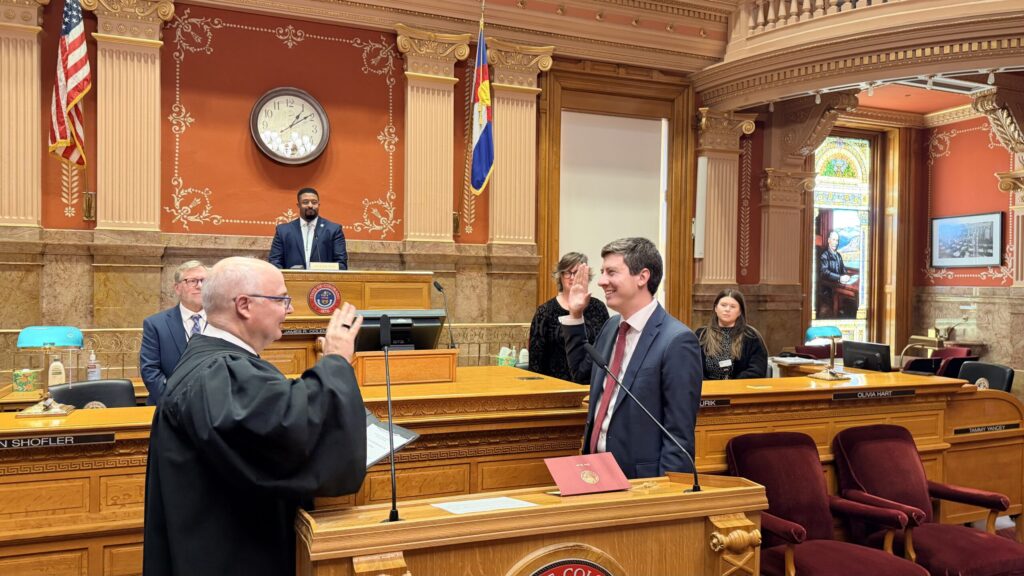
As the 2026 election cycle begins, an unusually large number of Colorado lawmakers — many appointed through the vacancy process — are facing primary challenges that reflect deepening divisions within both major parties. But it isn’t only open seats that...
Appeals court orders new child abuse trial due to improper evidence of prior mistreatment
Michael Karlik
michael.karlik@coloradopolitics.com
Updated 2 hours ago
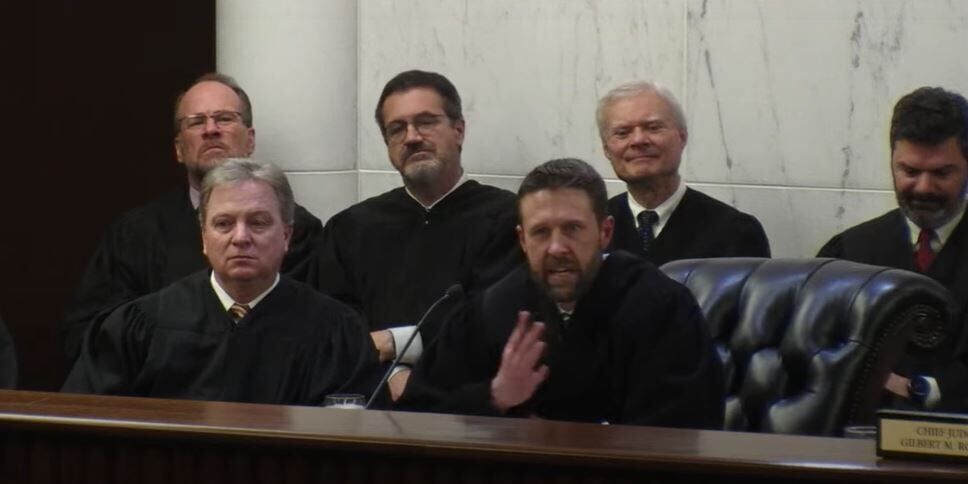
Colorado’s second-highest court overturned a Montezuma County defendant’s child abuse conviction last month, concluding evidence of prior mistreatment was too dissimilar to the alleged conduct that formed the basis of the criminal charges. Garland Kay Malcolm received a 32-year prison...

Trump freezes child care funding for Colorado, 3 other states
Thelma Grimes
thelma.grimes@coloradopolitics.com
Updated 2 hours ago
Colorado was swept up in a $10 billion federal child care funding freeze announced on Monday by the Trump administration, a move state officials said they learned about through media reports. The Trump administration said it would freeze child care...
U.S. House weighs override of Trump veto on Colorado water project
Marianne Goodland
marianne.goodland@coloradopolitics.com
Updated 5 minutes ago
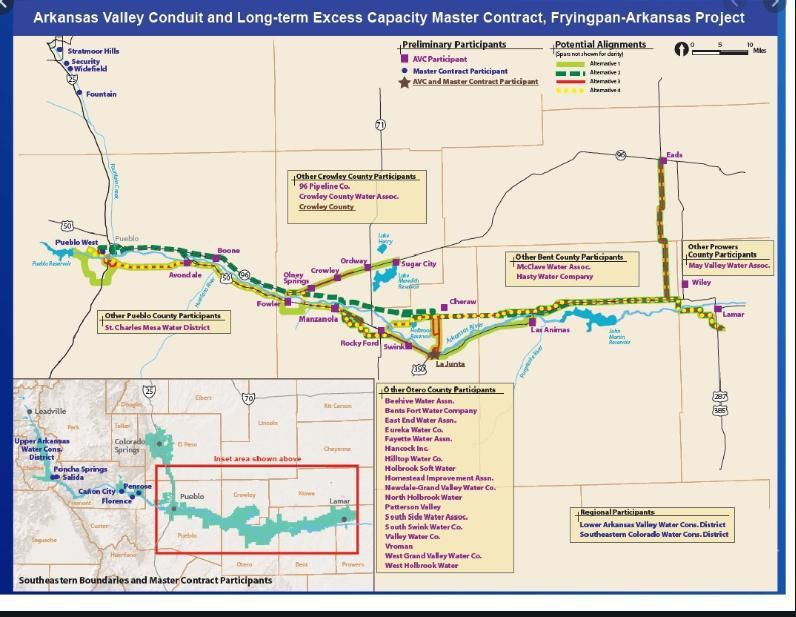
The U.S. House is expected to consider on Thursday whether to override President Donald Trump’s veto of a bill aimed at helping finance a water pipeline in Colorado. Should it happen, it would be the first attempt at an override...
Trump’s Venezuela intervention could settle the 2028 debate for Rubio and Vance
Christian Datoc, Washington Examiner
christian.datoc.washington.examiner@gazetteedit.wpenginepowered.com
Updated 4 hours ago
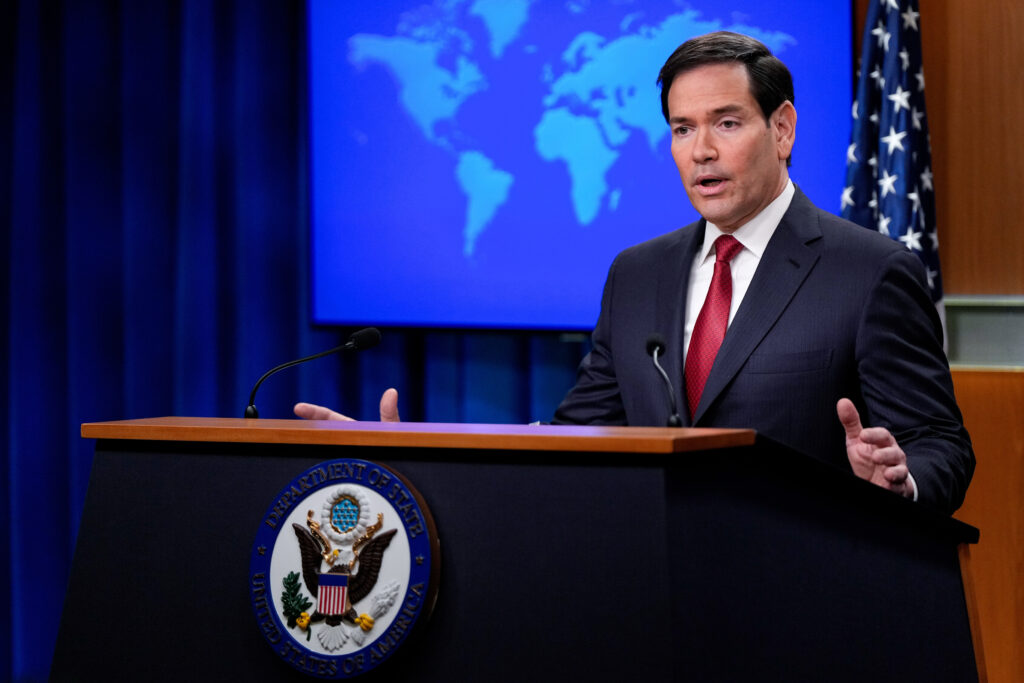
President Donald Trump‘s Venezuelan intervention will likely have a significant effect on determining the GOP nominee for the 2028 presidential election. For months, Trump has hinted at his desire to see a ticket featuring both Vice President JD Vance and...
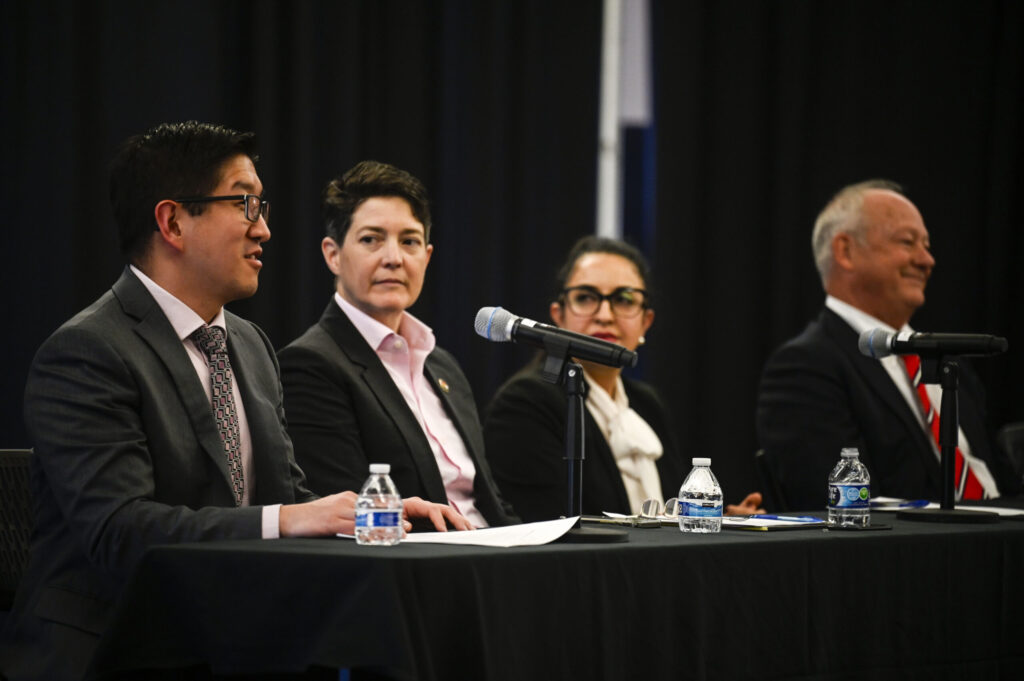
Federal judge recommends blocking Justice Department ‘dragnet’ on Children’s Hospital Colorado
Michael Karlik
michael.karlik@coloradopolitics.com
Updated 3 hours ago
A federal judge repeatedly criticized the government on Monday as he concluded a U.S. Department of Justice request for patient and employee information from Children’s Hospital Colorado was fueled by an “improper purpose” and should be denied. U.S. Magistrate Judge...
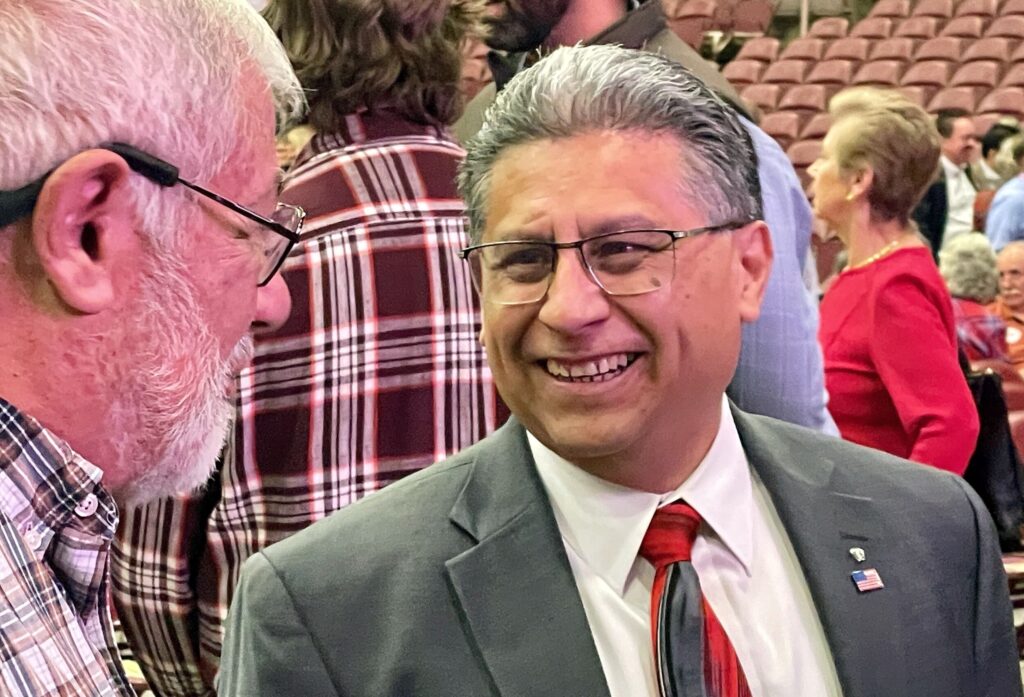
Former U.S. Rep. Greg Lopez leaves GOP, will run for governor in Colorado as an independent
Ernest Luning
ernest.luning@coloradopolitics.com
Updated 2 hours ago
Former U.S. Rep. Greg Lopez, a candidate for governor of Colorado, has left the Republican Party and plans to run as an unaffiliated candidate for the office held by term-limited Democratic Gov. Jared Polis. Lopez, who served six months in...

Denver builder recalls Venezuela’s collapse as Maduro’s party rose to power
Mark Samuelson Special to The Denver Gazette
mark.samuelson@denvergazette.com
Updated 8 hours ago
When Hugo Chávez — predecessor to deposed Venezuelan President Nicolás Maduro — came to power in 1998, Denver builder Noel West Lane was deep into a homebuilding venture in Caracas, supported by business leaders close to the preceding administration of...
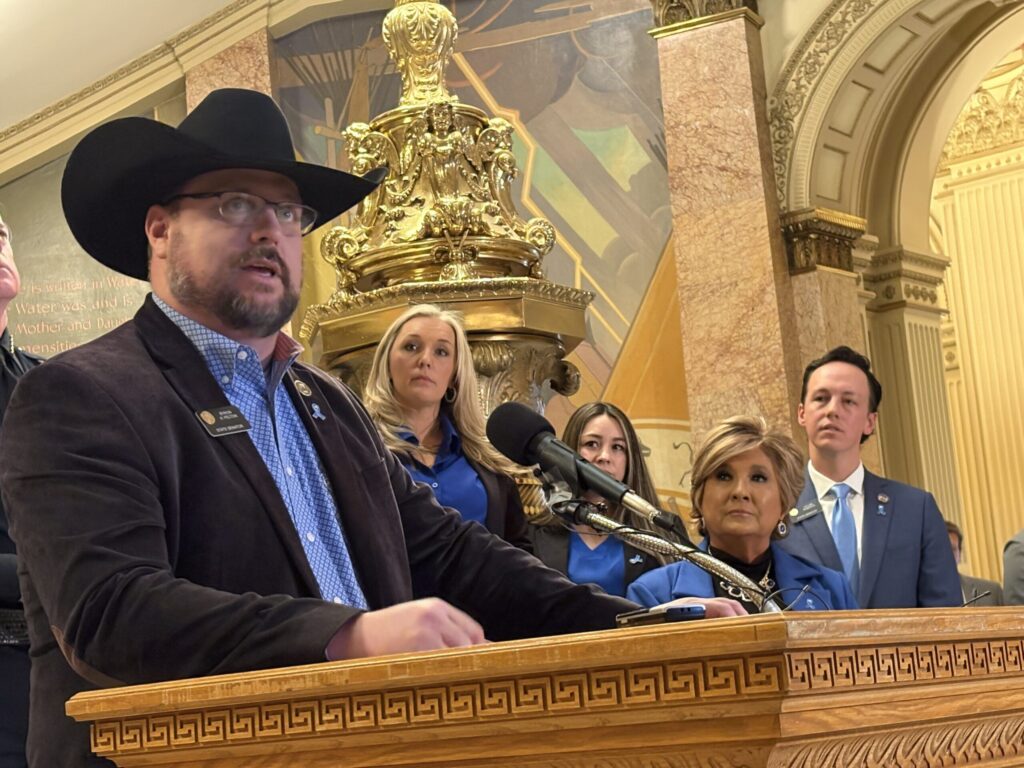
Colorado legislators eye ramping up penalties for child trafficking
Marianne Goodland
marianne.goodland@coloradopolitics.com
Updated 1 day ago
Colorado legislators on Monday announced a proposal to ramp up the penalties for human trafficking of children. The proposal, which received the backing of Democratic and Republican leaders in the House, will address one of the many problems when dealing...
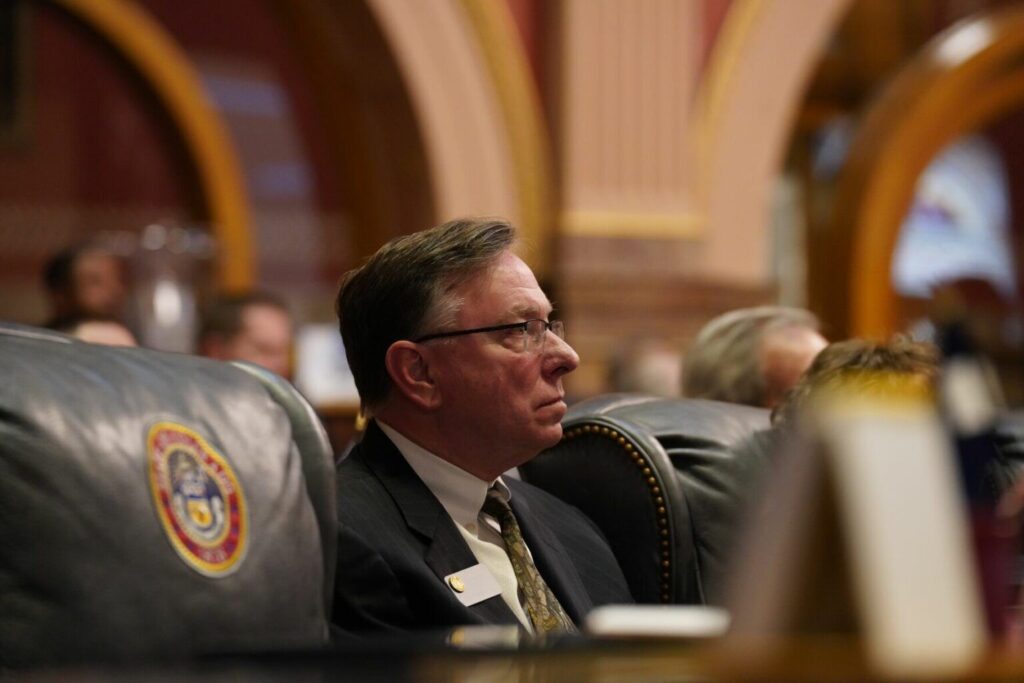
Colorado Republican Mark Baisley exits gubernatorial race, launches US Senate campaign
Ernest Luning
ernest.luning@coloradopolitics.com
Updated 1 day ago
Republican state Sen. Mark Baisley on Monday withdrew from the Colorado gubernatorial race and announced his candidacy for the U.S. Senate seat held by Democrat John Hickenlooper. His departure leaves 20 Republicans running for the office held by term-limited Democratic...
PREV
PREVIOUS
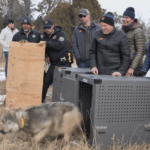
U.S. Fish & Wildlife threatens to terminate Colorado's authority to manage wolves
With no apparent plan in place to bring in more wolves to Colorado for 2026, Colorado Parks and Wildlife may have an even bigger problem. A Dec. 18 letter from Brian Nesvik, director of the U.S. Fish & Wildlife Service (USFWS), threatens to terminate the state’s authority to manage wolves unless certain conditions are met. […]

'Everything happens for a reason': Veterans Trauma Court aims to help military members in times of need
Five years after he separated from the Army, Mark Bisset found himself in the Colorado criminal justice system. Bisset’s story started on April 9, 2022. According to past Gazette coverage of the case, the arrest stemmed from an alleged incident in which Bisset rode a four-wheeler to a property in the Indian Creek subdivision in […]