

‘Everything happens for a reason’: Veterans Trauma Court aims to help military members in times of need

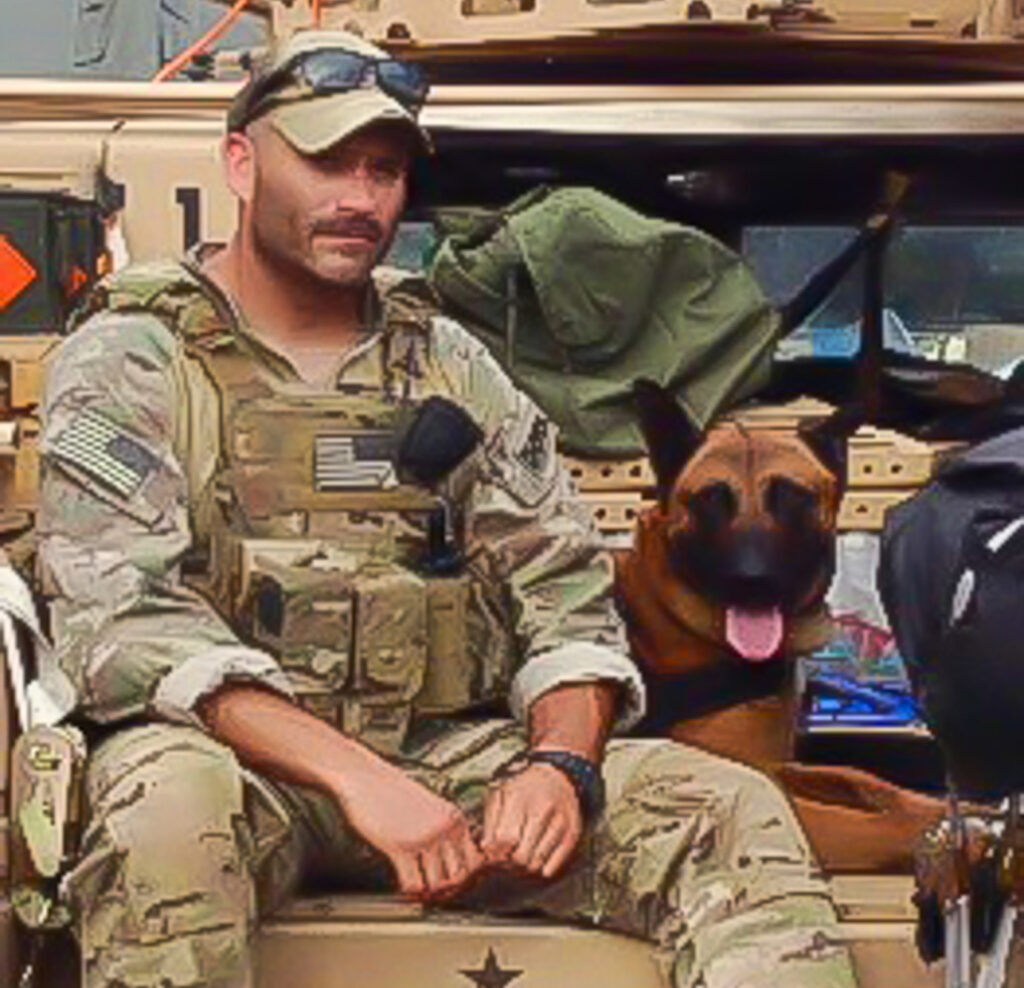
Five years after he separated from the Army, Mark Bisset found himself in the Colorado criminal justice system.
Bisset’s story started on April 9, 2022. According to past Gazette coverage of the case, the arrest stemmed from an alleged incident in which Bisset rode a four-wheeler to a property in the Indian Creek subdivision in Florissant and threatened the owner. He was charged with several felonies, including burglary, menacing, trespassing, child abuse and weapons charges.
The Teller County Sheriff’s Office said in a statement on Facebook shortly after that Bisset, a deputy at the time, was terminated — effective immediately.
However, what arresting documents did not detail was Bisset’s extensive military background, including over a dozen deployments. His 12 years in the Army left him with physical and emotional side effects, including PTSD and multiple traumatic brain injuries.
NOT ALONE
Bisset’s story is not unique. At any given time, Veterans Trauma Court Program Coordinator Kisten Born says between 120 and 150 veterans are sitting in the El Paso County jail. Many times, those individuals are in jail for PTSD-related incidents.
Bisset was one of a handful who joined the Veterans Trauma Court program as a way to resolve his case while getting the help he needed.
The Veterans Trauma Court is a state-and grant-funded program that “provides an alternative to incarceration for U.S. military veterans and active-duty military personnel,” according to its website.
The program aims to provide resources to veterans who have found themselves in the criminal justice system after their service. The program hopes to reintegrate veterans back into civilian life by addressing the root causes of the legal issues, such as PTSD, substance abuse and more.
“These people have earned it. They’ve earned our help,” Born said.
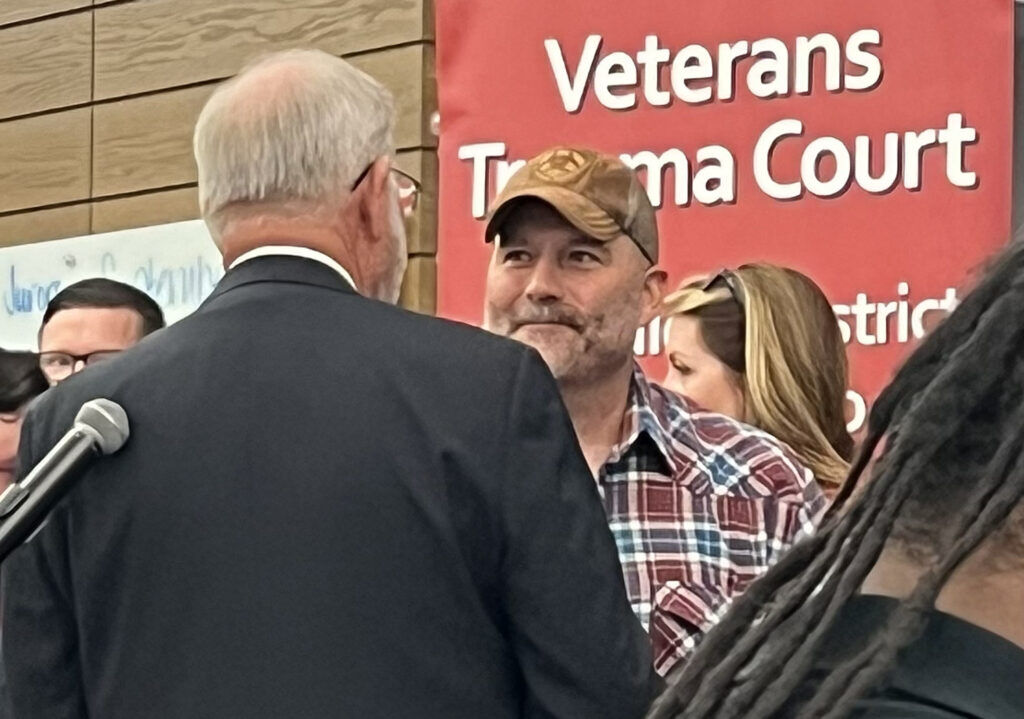
Bisset described the program as a “big, strange AA meeting with a judge.” However, he found what he had been missing for the last five years without the Army.
Camaraderie.
“They’re not going to let you fail,” Bisset said. “Every aspect of your life, they’ll assist and make sure that you’re squared away.”
Bisset finally had a group of people around who supported him and were truly on his side, like the closeness he found with his Army friends. At the time of his separation, Bisset was a Special Forces weapons sergeant and a Green Beret.
Originally from the East Coast, Bisset was inspired to join the military because of 9/11. The military is what moved him to Colorado Springs. He spent a dozen years in the Army before he was forced out in 2017 due to medical concerns. Once out, he said he felt “lost,” and didn’t know what he wanted to do.
He found his way to being a deputy for the Teller County Sheriff’s Office because he needed a job.
“I didn’t know what to do,” Bisset said. “If somebody had suggested being a ballerina when I was talking to different people, I might have ended up a ballerina.”
Bisset was prepared to go to trial over his charges, but right at the last second, a plea deal involving Veterans Trauma Court fell into his lap. He started in the problem-solving court in January 2023 and would spend the next year and a half in treatment before graduating in June 2024.
“We’re going through just regular proceedings initially,” Bisset said. “Then we got to the week before trial, they called and said, ‘Hey, we have a deal for you.’”
‘YOU CAN’T FORGET ABOUT IT’
Veterans Trauma Court is not for those who wish to fight their charges, but those who want to accept responsibility and get help with the trauma or substance abuse that led them into the criminal justice system.
While it emphasizes treatment over punishment, it is still not an easy program to get through, according to Born.
“People that think we’re being easy on them; we’re not,” Born said. “For the first month or two they’re in the program, they have to come back every single week and come to court. … It’s that accountability piece.”
Bisset said the hardest part of his time in the program was waking up every day and being reminded of the 2022 incident because of how much treatment and follow-up participants go through.
“You began your day, every day, with a slap in the face that you’re a part of the court program,” Bisset said. “You can’t even forget about it. That’s the hardest part of it, I think.”
ENTHUSIASM FOR TREATMENT
While going through the problem-solving court, Bisset took advantage of each and every treatment opportunity, including spending a month in Denver working on his brain health at the Marcus Institute for Brain Health in Aurora. Many of the treatments he had access to within the program, Bisset said, would never have been available to him outside of the judicial system.
“I jumped in with both feet. I volunteered for every treatment there was,” Bisset said.
Something Bisset really struggled with after leaving the military was the term “PTSD,” suffering from impostor syndrome. He says he “knew what he signed up for.”
“Originally, I hated that term,” Bisset said. “I used to hate hearing about all this PTSD stuff. But then, the longer I had been out and the more I was around people, seeing people that have PTSD, then I got it.”
“I’m just starting to actually deal with this acceptance and allowing myself to feel,” he added.
Born said all problem-solving courts, including veterans courts, are turning the judicial system on its head. The 4th Judicial District has several problem-solving courts, including a domestic violence court, DUI court, recovery court and family treatment and drug court.
“We inherited our court system from the English, and we are really good at, and what the English are really good at, is what I call whacking people with a stick,” Born said. “And now we’re better at using carrots, the whole psychology of behavior modification.”

‘HE MADE THAT PROGRAM’
Veterans Trauma Court started in 2013 and was initially led by former district Judge David Shakes, who retired at the end of September. Judge Samuel Evig took his place shortly after.
Bisset spoke highly of Shakes, saying he was a large part of why he succeeded in the program.
“He made that program. I don’t know how successful I would have been under somebody else,” Bisset said. “When I try to imagine somebody else sitting on the bench, I don’t know if I would have gotten everything that I had gotten out of it, or maybe I would have been in the program longer because I would have been resisting what they were trying to offer.”
The program came to be after a public defender who represented a veteran sentenced to prison over actions during a PTSD flashback thought some change was in order.
“They ended up sending him to prison, and it just broke her heart,” Born said. “She had heard about vet courts, and she got with a judge, the former DA and the sheriff, and they basically all agreed that this jurisdiction would benefit from having a Vet Court program.”
Nowadays, Bisset attends every graduation ceremony to speak and is in training to be a mentor for the program. Having gone through the program and benefited from it, Bisset loves to encourage those who are just starting.
“This place can replace that support network and the security network we lost. Just trust it,” Bisset said. “It’s like the military. It’s so big, and it’s been going on for so long that it’s not going to fail.”
Anthony Griego, the lead mentor coordinator for the program, spoke highly of Bisset. Despite not working with Bisset extensively while he was going through the program, Griego has been training Bisset for the mentor role.
“He wants to give back, and he understands how the mentor team helped him when he was in the program, and he wants to be part of that,” Griego said. “I think he’ll be able to help.”
Griego anticipates that Bisset will start serving as a mentor in early 2026, once he is off probation.
Despite everything that had happened that landed him in the criminal justice system, Bisset said he wouldn’t take any of it back because what he gained out of Veterans Trauma Court was that impactful.
“Everything happens for a reason,” Bisset said. “I wouldn’t be where I am today. … I wouldn’t have changed the paths had I not gone to Vet Court. I would have continued down the same path of self-destructive behavior, sabotaging everything and hating the world.”


Colorado health equity funder’s redirection debated
DEBBIE KELLEY
debbie-kelley@coloradopolitics.com
Updated 1 day ago
A redirection in grantmaking that began two years ago for The Colorado Trust, a 40-year-old Denver-headquartered funder, has led some employees to now voice concerns, which has reportedly put their jobs in jeopardy. The vice president of communications for the...
Redistricting scheme would give Colorado Democrats seven House members, split El Paso County
Bob Loevy
bob-loevy@coloradopolitics.com
Updated 15 hours ago
A proposed redistricting plan, which could give Colorado seven Democratic members of the U.S. House of Representatives and only one Republican, would split El Paso County into two parts and thereby weaken the county’s influence in Congress. El Paso County,...

Can deliberation save democracy? | Vince Bzdek
Vince Bzdek
vince.bzdek@gazette.com
Updated 3 hours ago
In September 2019, 523 Americans traveled to Dallas for an experiment called “America in One Room.” The gathering was designed to test a theory: Could representative citizens deliberate productively even in an era of intense polarization? The event took place...

Democrats eye new taxes on alcohol, marijuana to fund Colorado mental health spending
Marissa Ventrelli
marissa.ventrelli@coloradopolitics.com
Updated 2 days ago
Facing a more than $1 billion budget shortfall, Colorado lawmakers are searching for ways to fund mental health services in a state that consistently ranks among the worst in the nation for mental health outcomes. Several proposals this session aim...

Hopes and fears: Colorado Iranians speak out on widening war
Mark Samuelson Special to The Denver Gazette
mark.samuelson@denvergazette.com
Updated 12 hours ago
Group talks about young people protesting against the Islamic Republic, and Reza Pahlavi and the monarchy When Denver area real estate agent Fara Novin dined out for her birthday Friday night, Feb. 27, she blew out a candle on a...

Another TABOR fight: Democrats plan to redirect residents’ refunds to K-12 spending
Marianne Goodland
marianne.goodland@coloradopolitics.com
Updated 10 hours ago
Colorado voters could decide this fall whether billions of dollars that would otherwise be returned as refunds under the Taxpayer’s Bill of Rights should instead go to public schools under a ballot measure unveiled Thursday by Democrats. Supporters say the...
Analysis: Colorado legislators introduce 18 energy bills amid debate over emissions goals
Scott Weiser
scott.weiser@gazette.com
Updated 1 day ago
Colorado legislators have introduced 18 energy-related bills so far in the 2026 session, with Democrats sponsoring 14 and Republicans four, highlighting the sharp partisan split over how aggressively the state should pursue its greenhouse gas reduction goals while protecting affordability...

Colorado Democrats, Republicans fight over ballot fiscal information
Marissa Ventrelli
marissa.ventrelli@coloradopolitics.com
Updated 1 day ago
Republicans and Democrats clashed anew over legislation that would require identifying which programs would see a funding reduction if a ballot measure passed, with the former saying it’s yet another way for the government to control the campaign narrative and...
Democrat Dwayne Romero jumps in primary to challenge Republican Jeff Hurd in Colorado’s 3rd CD
Ernest Luning
ernest.luning@coloradopolitics.com
Updated 1 day ago
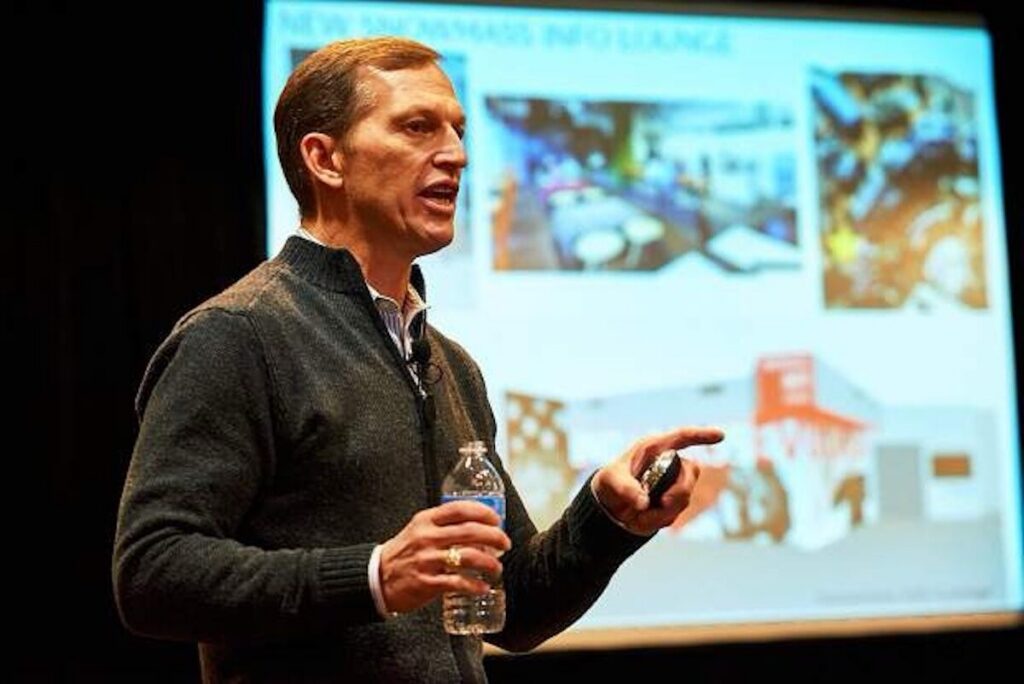
The Democrat who has been running for nearly a year to unseat Republican U.S. Rep. Jeff Hurd in Colorado’s 3rd Congressional District got some company in the primary this week. Dwayne Romero, a Snowmass Village business owner and decorated Army...
Proposed changes to wildfire code would add protections to eastern edge of Colorado Springs
Brennen Kauffman
brennen-kauffman@coloradopolitics.com
Updated 2 days ago
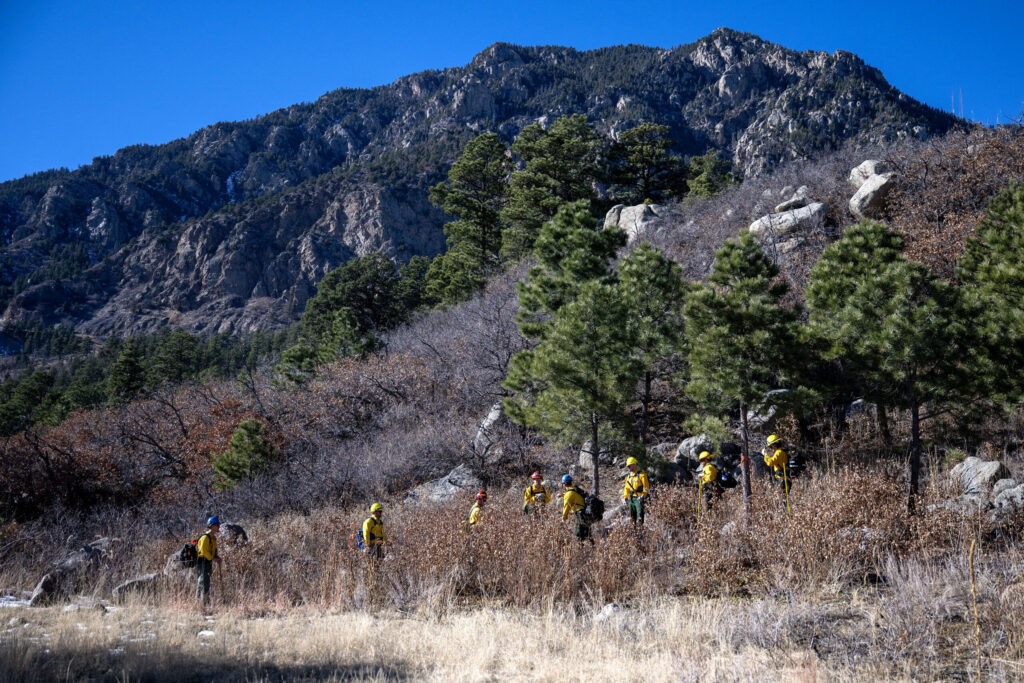
New construction rules may be coming to the higher-risk wildfire areas around Colorado Springs, including the grassland on the city’s eastern side. Colorado Springs Fire Marshal Kris Cooper presented an early draft of the proposed changes to the city’s wildfire...
PREV
PREVIOUS

Warren Buffett steps back as Berkshire Hathaway enters a new era | OUT WEST ROUNDUP
NEBRASKA Warren Buffet passes torch OMAHA — Greg Abel faces the challenge of taking over Berkshire Hathaway from the legendary Warren Buffett after the first of the year. Many regard Buffett as the world’s greatest investor after he grew Berkshire from a struggling New England textile mill that he starting buying up for $7.60 a […]

Are we all post-liberals now? | Luige del Puerto
Three decades after the end of World War II, a Japanese soldier finally returned to his home country after holding out in the jungles of the Philippines. Cut off from his unit, Hiroo Onoda had no way of knowing that Japan had surrendered. He did what he was trained to do – he kept fighting. […]