

Lawmakers from Colorado, 6 other states condemn federal immigration tactics

A pair of Colorado state lawmakers joined elected officials from six other states at a media briefing Thursday to discuss their responses to federal immigration crackdowns.
The meeting, hosted by State Futures, featured a dozen Democratic lawmakers from states including New York, Illinois, Colorado, and California, each of whom discussed current and future policies in their states that combat federal actions they believe are unconstitutional.
Gaby Goldstein, founder and president of State Futures, opened the briefing by discussing recent Immigration and Customs Enforcement operations in cities such as Los Angeles and Chicago, where concerns have been raised over agents wearing masks, refusing to provide identification, and detaining lawful residents.
According to Goldstein, there has been a 400% increase in ICE arrests since last year.
“These actions don’t just raise policy questions; they test the basic tenet premise that government power must be exercised lawfully, transparently, and with accountability,” she said. “State lawmakers are governing through uncertainty and federal overreach that can be legally dubious and deliberately opaque, but they’re not standing still. They are protecting communities, preserving public trust, and defending the rule of law.”
Aurora Democratic Sen. Mike Weissman said his district has been “ground zero” for Operation Aurora, a plan by the Trump administration to use law enforcement and the military to detain illegal immigrants.

During an October 2024 rally at Gaylord Rockies Resort in Aurora, Trump said he would ensure the federal government expedites the removal of “savage gangs” living in the United States illegally.
“We are a country under tremendous distress,” he said. “We will send elite squads from ICE to deport every single gang member.”
Weissman noted that states have always been considered “laboratories for democracy,” a term coined by the late Supreme Court Justice Louis Brandeis. Now, however, they are also laboratories where “remedies are being developed to protect our country from the disease of authoritarianism that is spreading out from Washington, D.C,” he said.
“As different states work together to defend democracy, civil rights, and basic human decency, it’s never been more important in our lifetimes that like-minded state legislators work together to share ideas and strategies.”
Weissman discussed Senate Bill 276, a 2025 law that, in part, limits when state and local law enforcement can share information with agencies such as ICE. The measure also clarifies that ICE detainers are not lawful arrest warrants under the Fourth Amendment and prohibits civil arrests in courthouses or while someone is receiving behavioral health treatment required by a court order.
“The simple premise of Senate Bill 276 is that the Constitution protects us all, regardless of immigration status,” Weissman said.
Support for the bill was unsurprisingly divided along party lines, with Republicans arguing that states should stay out of immigration policy because it’s a federal matter, not a state one.
Former Senate Minority Leader Paul Lundeen, R-Monument, expressed concern that it could violate the Constitution’s Supremacy Clause, which provides that federal law takes precedence over state law.
“We are seeking now to bring [immigration policy] into balance,” Lundeen said during floor debate last spring.
Rep. Lorena Garcia, D-Unincorporated Adams County, who cosponsored Senate Bill 276 with Weissman, said lawmakers plan to introduce legislation during the 2026 session that will strengthen specific provisions of the bill, including extending liability to include agencies that illegally share information with immigration agents instead of just individuals.

Garcia also mentioned a law she sponsored in 2023, which banned local governments from entering into intergovernmental service agreements, or IGSAs, with ICE.
“ICE is actually in fact not a law enforcement agency; it is a lawless agency, and because of that, we still have more work to do to protect our communities and protect individuals that are targeted by this lawless agency,” she said.
Colorado’s 2026 legislative session begins Jan. 14.


US House passes Colorado Rep. Lauren Boebert’s bill to remove gray wolves from endangered species list
Marianne Goodland
marianne.goodland@coloradopolitics.com
Updated 2 hours ago
A bill sponsored by U.S. Rep. Lauren Boebert of Colorado to delist the gray wolf from federal protections for endangered species cleared the U.S. House late on Thursday, setting up a fight in the U.S. Senate over a measure supporters...

Marijuana reclassification order sparks mixed reaction in Colorado
Marissa Ventrelli
marissa.ventrelli@coloradopolitics.com
Updated 57 minutes ago
President Donald Trump on Thursday signed an order directing the loosening of federal regulations on marijuana, sparking a mixed reaction in Colorado, where policymakers and advocacy groups praised and criticized the decision. Trump’s order instructs the attorney general to quickly...

Colorado campaign debt collection efforts aren’t much of an effort
David Migoya
david.migoya@gazette.com
Updated 3 hours ago
It was only weeks after the U.S. military in September 2011 repealed its “don’t ask, don’t tell” policy barring openly gay men and women from serving in the armed forces that Army veteran Brian Carroll announced his candidacy for a...
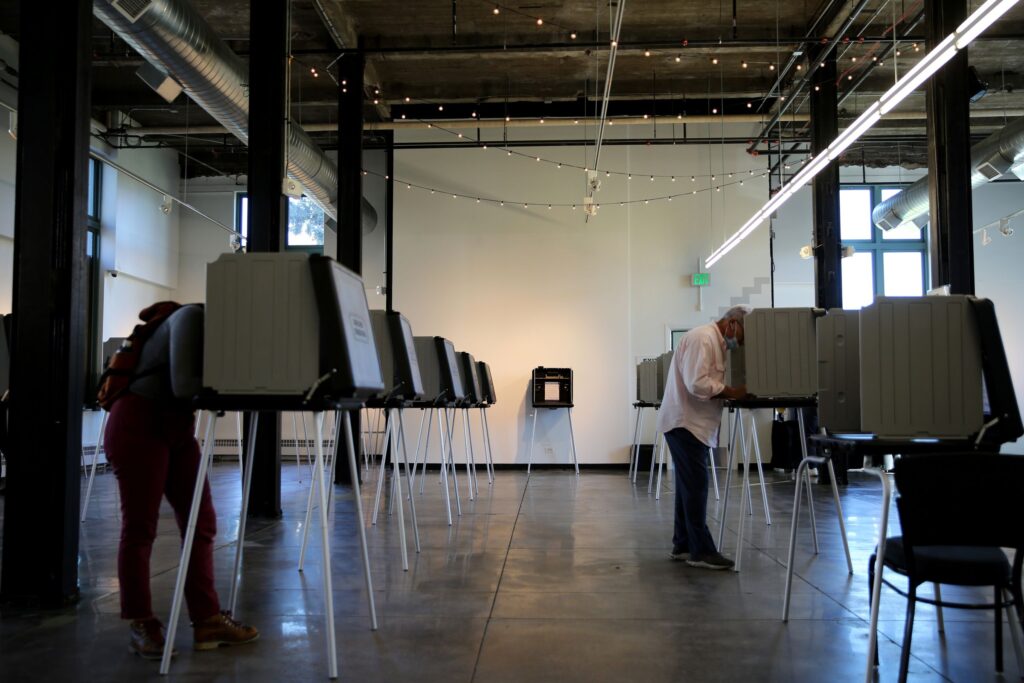
Colorado campaign finance penalties ‘a runaway train without an off-ramp’
David Migoya
david.migoya@gazette.com
Updated 3 hours ago
Each day, Mike Stapleton wakes up owing the state of Colorado another $1,550. By the end of each week, Stapleton’s debt for not filing nearly three dozen campaign finance reports dating to April 2018 will have grown by nearly $11,000....
Confining pro-charter conditions destroying Colorado public schools | NOONAN
Paula Noonan
paula-noonan@coloradopolitics.com
Updated 19 hours ago
Our public school system is injured by a thousand cuts. At year end, our most dear institutions are confronted with a lawsuit over book banning, a lawsuit over termination of a middle-school dean defending books, districts threatening educators with termination,...
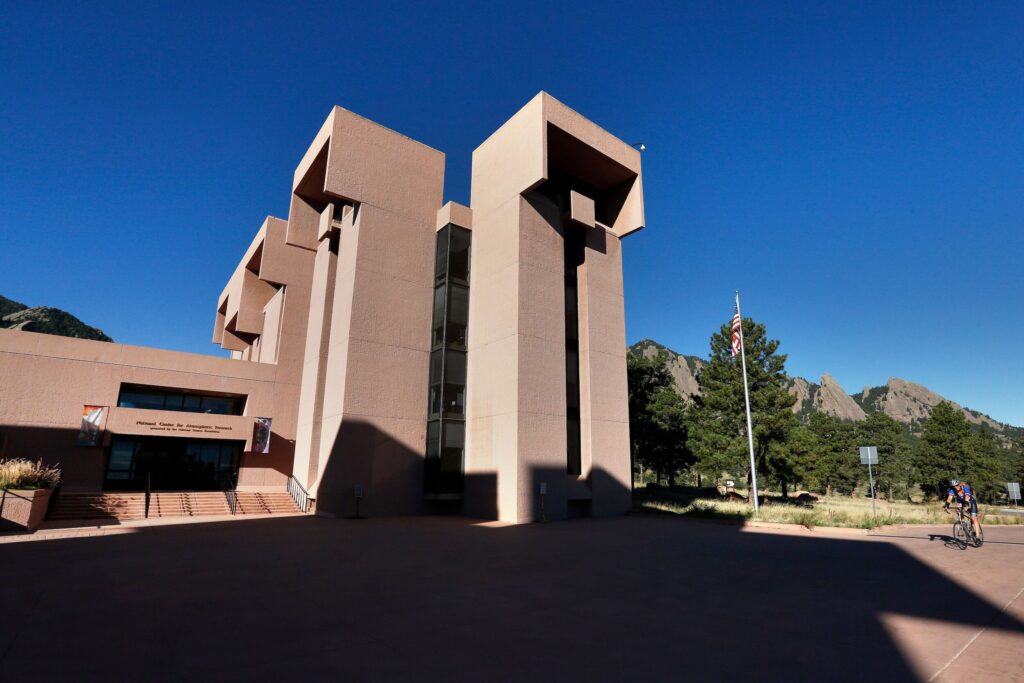
Trump administration moves to shutter national climate lab in Colorado
Ernest Luning
ernest.luning@coloradopolitics.com
Updated 10 hours ago
Democrats slam decision as ‘deeply dangerous’ as White House calls facility a source of ‘climate alarmism’ The Trump administration is moving to dismantle one of the world’s leading climate and weather research institutions, citing what a White House official termed...

Pinnacol privatization plan gets cool reception from Colorado legislators
Marianne Goodland
marianne.goodland@coloradopolitics.com
Updated 1 day ago
Should Colorado allow Pinnacol Assurance, the quasi-governmental workers’ compensation company, to go private? The proposal, expected to be on the agenda for the 2026 state legislative session, got its first review on Wednesday from a mostly skeptical Joint Budget Committee....

Colorado board clarifies certification rules for autism behavior technicians
Marissa Ventrelli
marissa.ventrelli@coloradopolitics.com
Updated 1 day ago
A Colorado board has clarified new rules for professionals working with children on the autism spectrum, following worries by some that hundreds of families might lose access to services as a result of a regulatory change. Over the summer, the...

U.S. House votes along party lines to begin debate on delisting gray wolves
Marianne Goodland
marianne.goodland@coloradopolitics.com
Updated 24 hours ago
The U.S. House on Tuesday voted along party lines on a resolution that will start the process for approval of legislation to delist gray wolves from the Endangered Species Act. The resolution sets up the rules for debate for six...

Regular Coloradans went up against our state’s utility giant— and won | PODIUM
Colorado Politics
colorado-politics@coloradopolitics.com
Updated 2 days ago
By Tricia Canonico Last week, democracy won in Colorado — the kind of feel-good democracy where a bunch of regular people show up and make our voices heard. The Colorado Public Utilities Commission’s (PUC) listened to the will of the...
PREV
PREVIOUS

Marijuana reclassification order sparks mixed reaction in Colorado
President Donald Trump on Thursday signed an order directing the loosening of federal regulations on marijuana, sparking a mixed reaction in Colorado, where policymakers and advocacy groups praised and criticized the decision. Trump’s order instructs the attorney general to quickly move ahead with reclassifying marijuana, which has long been legal in Colorado, though it remains […]

US House passes Colorado Rep. Lauren Boebert's bill to remove gray wolves from endangered species list
A bill sponsored by U.S. Rep. Lauren Boebert of Colorado to delist the gray wolf from federal protections for endangered species cleared the U.S. House late on Thursday, setting up a fight in the U.S. Senate over a measure supporters say would return wildlife management to the states and critics call politically motivated. The measure, […]