

10th Circuit finds Denver officers unconstitutionally searched man
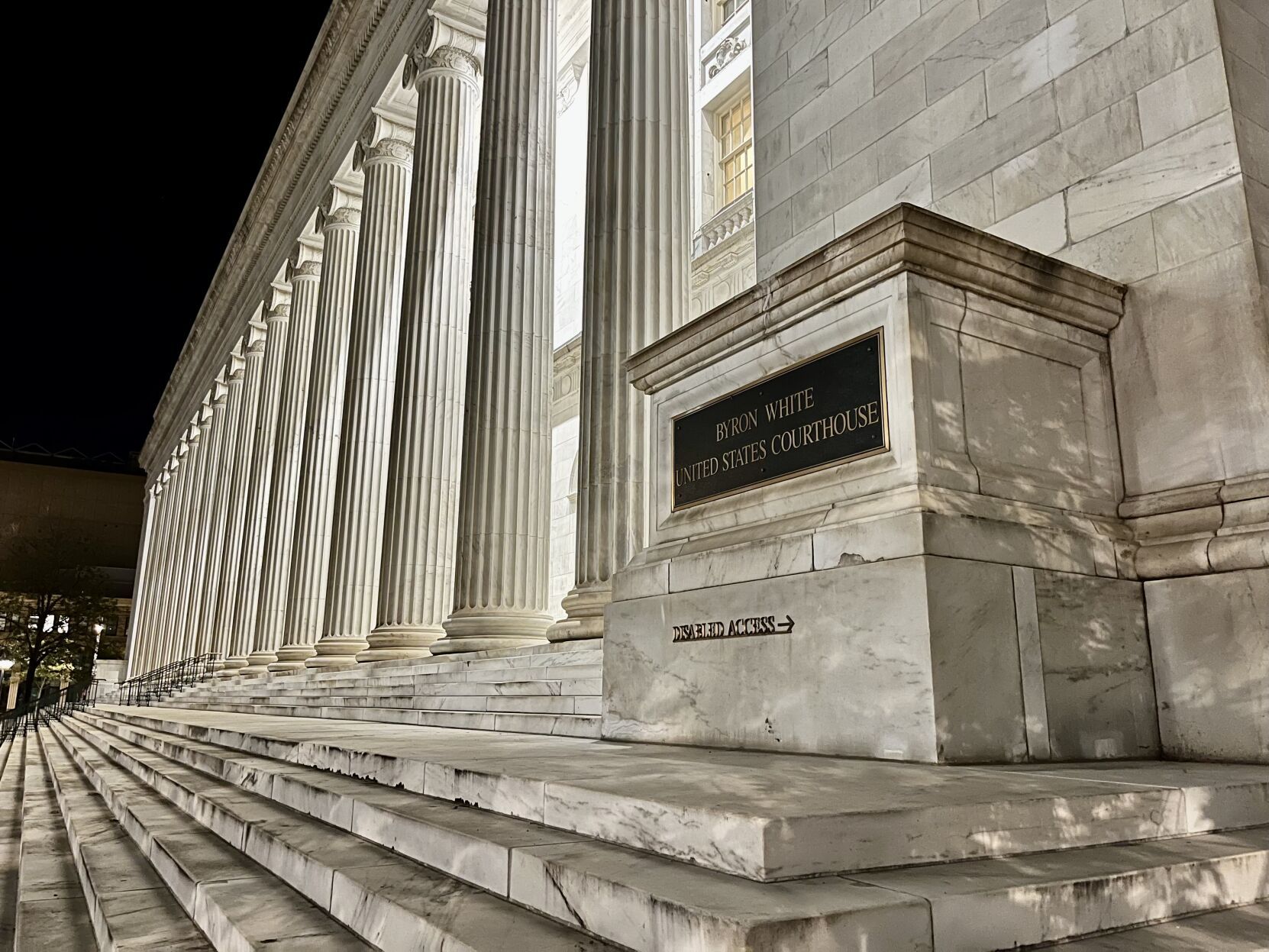
The Colorado-based federal appeals court concluded last week that Denver officers lacked reasonable suspicion when they detained a group of people who happened to park on a public street near a vehicle used by a shooter 12 hours prior and several miles away.
Prosecutors indicted one member of the group, Noah Huerta, for being a felon in possession of a firearm. Huerta sought to exclude evidence of the gun because it flowed from the officers’ allegedly unconstitutional pat-down. A trial judge rejected that request, while acknowledging officers’ assumptions were incorrect at the outset.
But a three-judge panel of the U.S. Court of Appeals for the 10th Circuit believed the evidence was clear: It was unreasonable for police to suspect Huerta and the rest of his group had any connection to the shooting they were investigating.
“That they merely parked behind the target vehicle at an apartment complex in the daytime nearly twelve hours after the shooting is not the sort of articulable and particularized suspicion required,” wrote Senior Judge Paul J. Kelly Jr. in the Oct. 29 opinion.
United States v. Huerta
Decided: October 29, 2025
Jurisdiction: U.S. District Court for Colorado
Ruling: 3-0
Judges: Paul J. Kelly Jr. (author)
Scott M. Matheson Jr.
Nancy L. Moritz
In the early morning hours of June 26, 2023, police responded to a shooting in a Denver convenience store parking lot. They got a witness’s description of the suspect and a still image from a surveillance camera. The suspect was a light-skinned Black man with a bald head and a large beard.
Using the security footage, they tracked the suspect’s Ford Expedition to an apartment complex miles from the shooting. The SUV was unoccupied, so Denver police monitored the vehicle.
In the afternoon, 12 hours after the shooting, Detective Eric Shurley saw a sedan park on the street behind the Expedition. A man and two women got out and walked into the apartment building. A few minutes later, the group exited and got into a Dodge Durango that was parked behind the sedan.
Shurley directed officers to stop the Durango “just to be on the safe side.” The Black man he saw was “somewhat similar in appearance” to the shooting suspect.
The Durango pulled into a gas station, and one set of officers parked behind the car with their lights off. The driver and a passenger exited and began walking to the gas station’s convenience store. Shortly afterward, another set of officers pulled in with their police lights on.
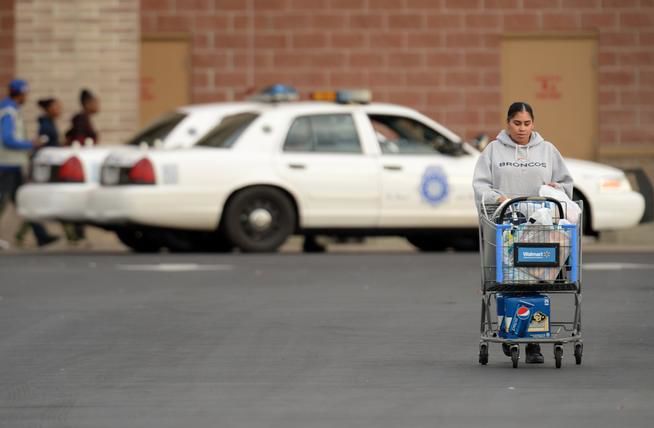
Quickly, the officers approached the two people who were walking. The man who Shurley saw, Donta Marshall, had a darker complexion, no beard, a full head of hair and a face tattoo. He did not resemble the shooter at all.
Officer Cory Stuper approached the Durango, and Huerta began to exit. Because police did not know Huerta was even in the vehicle, Stuper immediately handcuffed him. Huerta appeared confused as Officer Ronald Espinosa helped pat him down. Huerta was allegedly “squirmish.”
The officers found a pouch with a firearm magazine, but no gun. After police obtained the driver’s consent to search the Durango, they found a gun near Huerta’s seat that fit the magazine.
Huerta sought to bar the handgun as evidence because officers lacked reasonable suspicion that he was armed and dangerous.
After a hearing, U.S. District Court Chief Judge Philip A. Brimmer noted Marshall did not match the shooter’s description and the encounter at the convenience store did not unfold like a traditional traffic stop. Still, he believed the officers could reasonably view the occupants as “trying to distance him or herself” from “something they didn’t want to be associated with or accused of” by walking into the convenience store.
The officers also had grounds to pat down Huerta, “given his movements and that need to control him to ensure their safety,” Brimmer continued.

However, during oral arguments in September, the 10th Circuit judges had a different take on the encounter.
“The officers believed there was a shooting suspect in the car,” said Assistant U.S. Attorney Craig Fansler, referring to Marshall.
“The facial hair was completely different,” said Judge Nancy L. Moritz. Marshall “was very dark-skinned and the suspect was very light-skinned and that was obvious. Just no similarity at all. There was none.”
The police “had no idea what they were looking for, other than the fact that they followed a white car that had been parked behind a black car that had been parked by another black car,” said Kelly. “They apparently thought that it was very odd that these people would go into the convenience store. And that’s a totally unreasonable conclusion.”
Ultimately, the panel agreed that the police’s targeting of Huerta’s group stemmed from a baseless belief that Marshall was their shooting suspect.
“Detective Shurley’s instruction to the officers to pull over the Durango ‘just to be on the safe side’ underscores the lack of any reasonable suspicion that the shooting suspect was in that vehicle,” wrote Kelly.
In addition to finding the occupants’ decision to walk into the convenience store to be normal under the circumstances, the panel also disagreed that Huerta’s slight movements after being grabbed were at all suspicious.
“It was innocuous even in the moment,” wrote Kelly.
The panel reversed Brimmer’s decision and barred the gun and the magazine from being used against Huerta.
The case is United States v. Huerta.

10th Circuit orders lawyer to pay $1,000 for faulty AI citations
Michael Karlik
michael.karlik@coloradopolitics.com
Updated 11 hours ago
The Denver-based federal appeals court ordered a lawyer on Monday to pay $1,000 to the opposing side for submitting a legal filing with fake case citations generated by artificial intelligence. A three-judge panel of the U.S. Court of Appeals for...

Supreme Court finalists selected, federal judges slash backlogs | COURT CRAWL
Michael Karlik
michael.karlik@coloradopolitics.com
Updated 18 hours ago
Welcome to Court Crawl, Colorado Politics’ roundup of news from the third branch of government. Coloradans learned who the three finalists are for a state Supreme Court vacancy, and new data show that Colorado’s federal trial judges reduced their backlog...
Federal judge blasts government for violating court order, confiscating man’s property
Michael Karlik
michael.karlik@coloradopolitics.com
Updated 2 days ago
A federal judge gave the government three hours on Friday to return the property of a man released from immigration detention, which it allegedly retained in violation of her previous order. “At its most benign, this failure is an unforced...
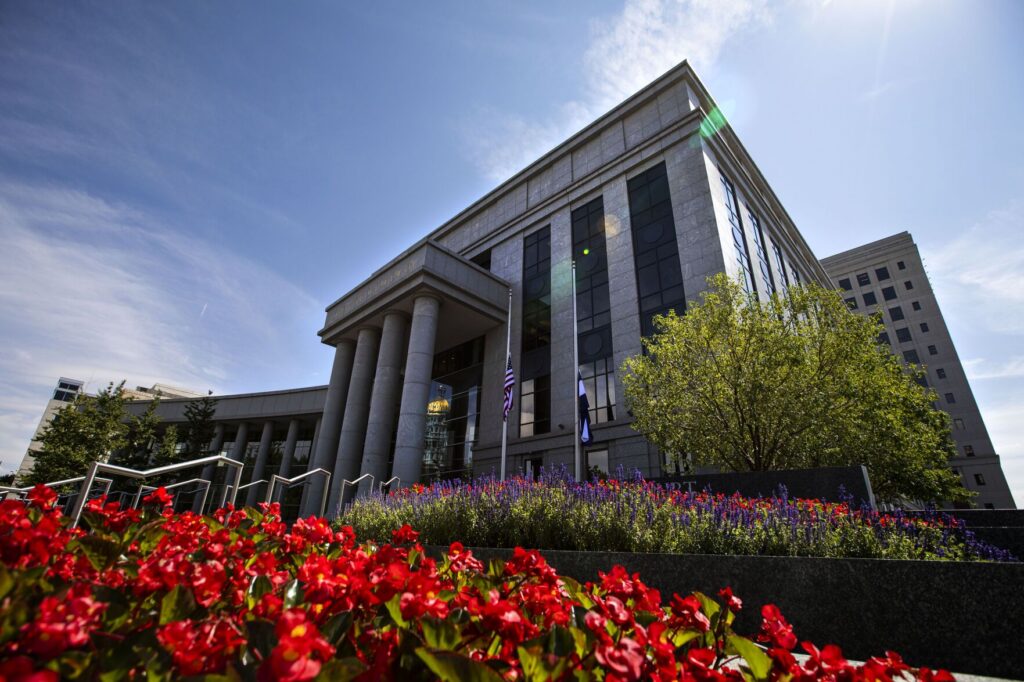
DA’s withdrawal from veterans treatment court not judge’s problem, ethics panel says
Michael Karlik
michael.karlik@coloradopolitics.com
Updated 4 days ago
There are no ethical concerns from a judge continuing to participate in a specialty veterans treatment court if the district attorney’s office has withdrawn from the program, the Colorado Supreme Court’s ethics committee advised on Wednesday. Colorado law permits chief...
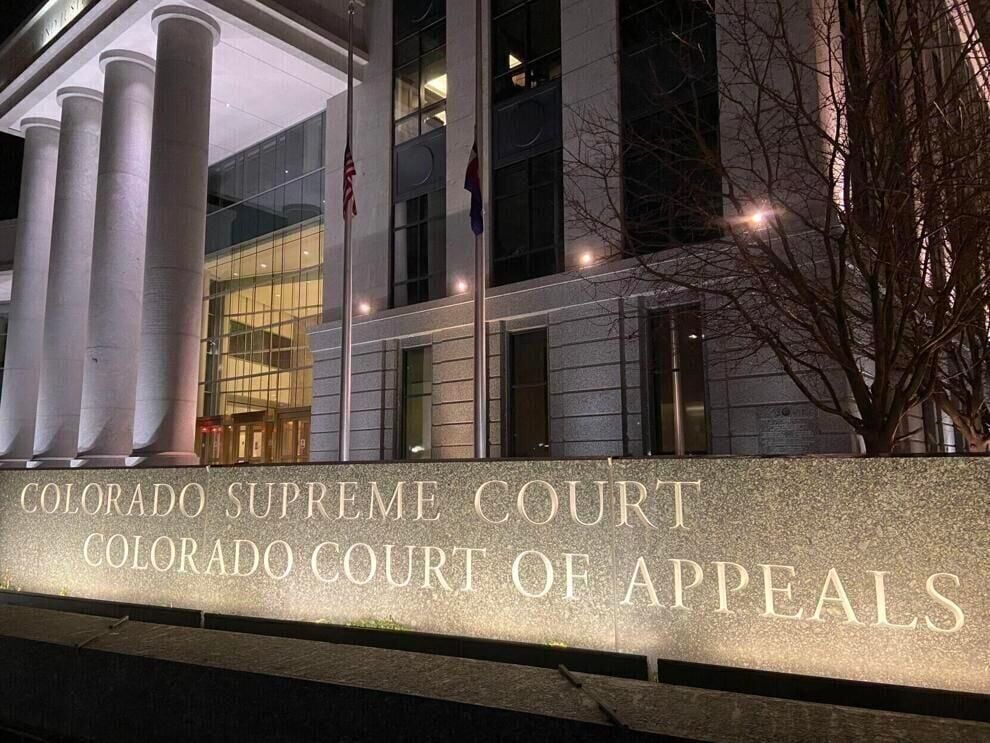
Divided appeals court orders insurance company to pay $35,600 for delayed disclosure of policy
Michael Karlik
michael.karlik@coloradopolitics.com
Updated 4 days ago
Colorado’s second-highest court concluded on Thursday that an insurance company violated state law when it refused to disclose an automobile policy to an injured motorist for nearly one year after she requested it. By 2-1, a three-judge Court of Appeals...
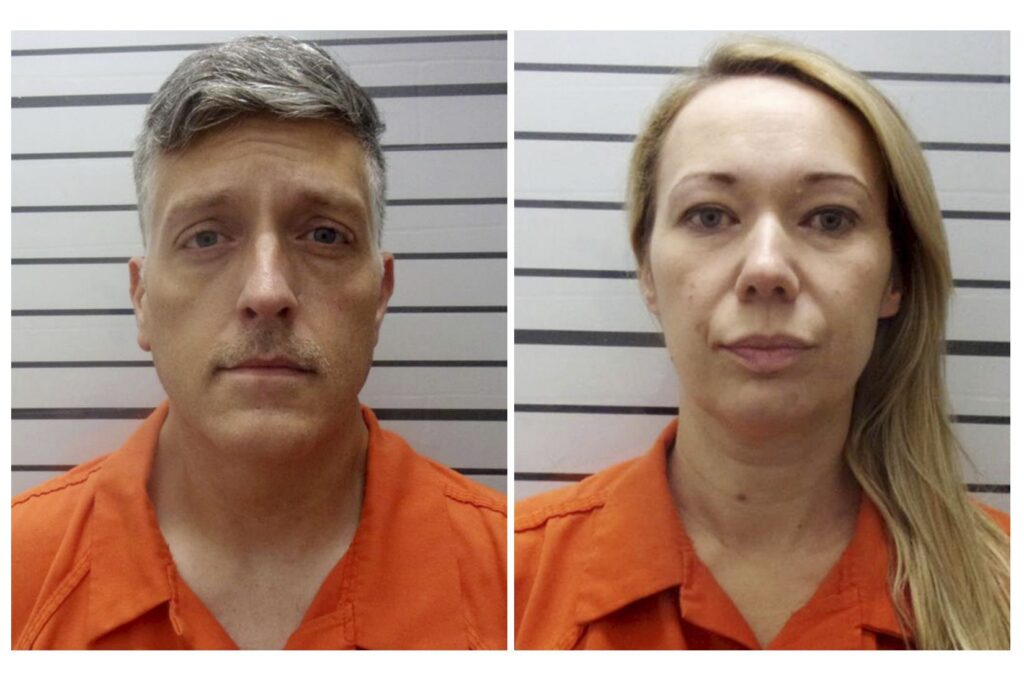
Judge expected to decide Monday whether to accept latest plea agreements for Hallfords
Mackenzie Bodell
mackenzie-bodell@coloradopolitics.com
Updated 4 days ago
An El Paso County judge is expected to decide Monday whether to accept new negotiations that would extend the prison sentence for Jon and Carie Hallford, coming on the heels of the court rejecting the original plea agreements for the...
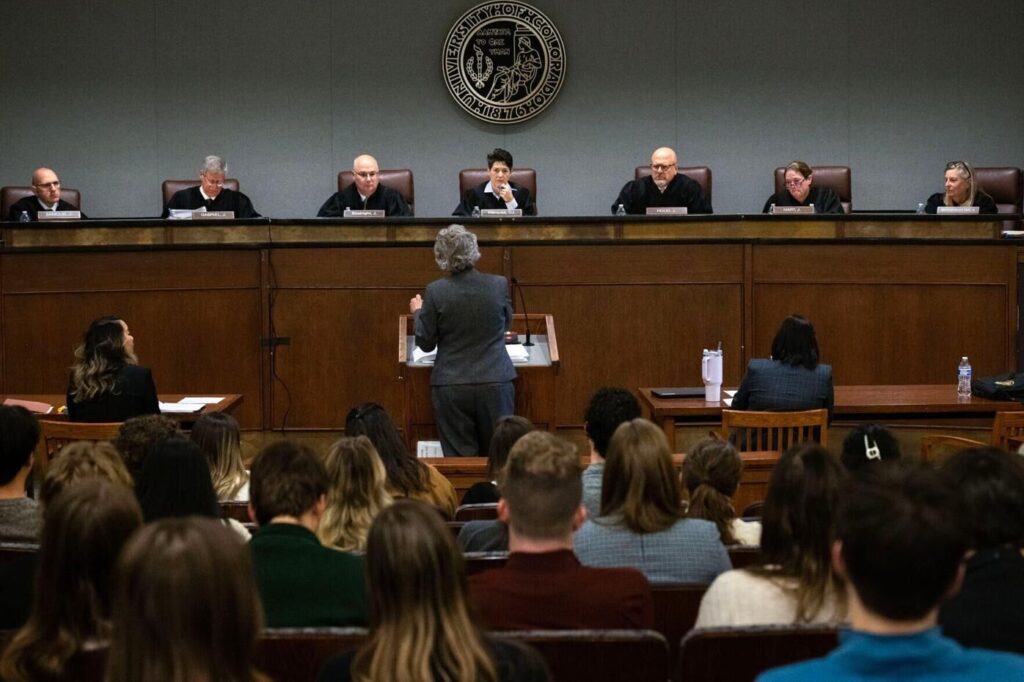
Who are the 3 finalists for the Colorado Supreme Court?
Michael Karlik
michael.karlik@coloradopolitics.com
Updated 5 days ago
A citizen-led nominating commission has chosen the finalists for a vacancy on the Colorado Supreme Court, the first opening in five years on the seven-member court. The vacancy arose after the unexpected resignation of Justice Melissa Hart, who formally departed...
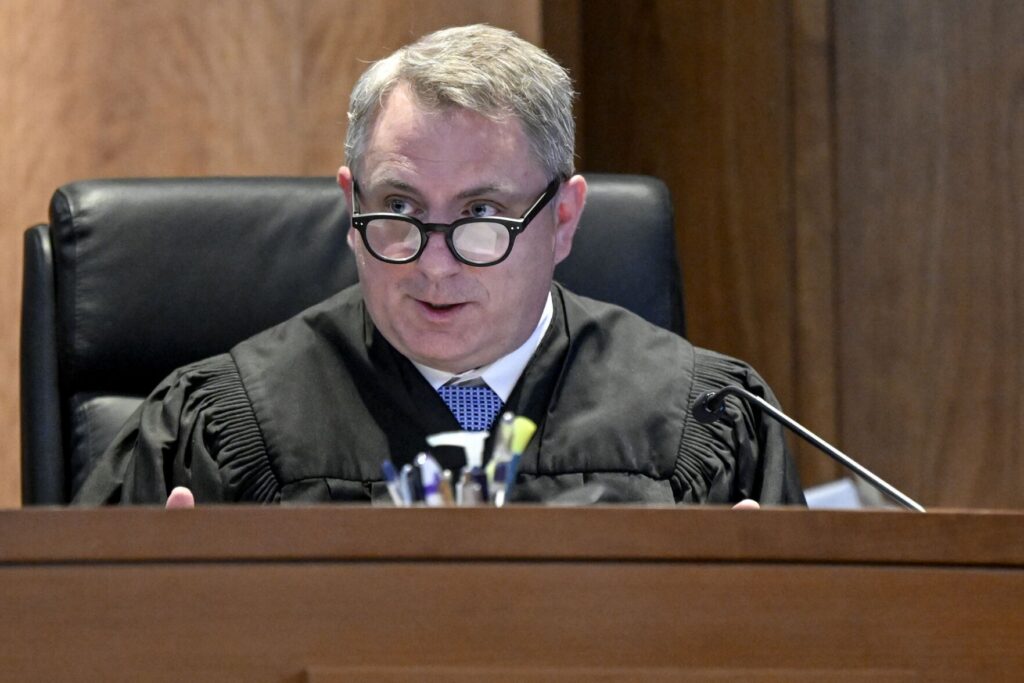
Christopher Zenisek, trial judge experienced with high-profile cases | SUPREME COURT FINALISTS
Michael Karlik
michael.karlik@coloradopolitics.com
Updated 5 days ago
After the Marshall fire burned through Boulder County in the final days of 2021 and wound up destroying more than 1,000 homes, the sprawling 4,000-plaintiff litigation was assigned to District Court Judge Christopher Zenisek of Jefferson County. Zenisek would go...
Andrea Wang, water and energy expert | SUPREME COURT FINALISTS
Michael Karlik
michael.karlik@coloradopolitics.com
Updated 5 days ago
When the late Chief Justice Mary Mullarkey authored a 2002 opinion in the complex and long-running Taylor Ranch case involving landowners’ claims to access a 77,000-acre tract in the San Luis Valley, she worked with her law clerk, Andrea S....
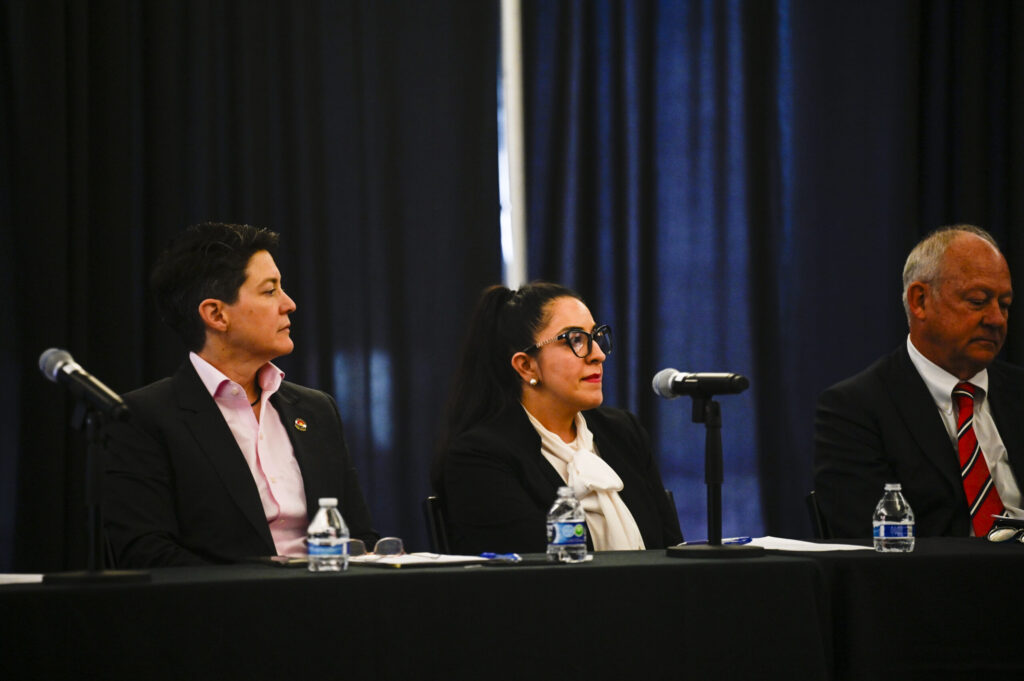
Susan Blanco, innovator in the judiciary | SUPREME COURT FINALISTS
Michael Karlik
michael.karlik@coloradopolitics.com
Updated 5 days ago
Less than 24 hours after her selection as a finalist for a Colorado Supreme Court vacancy, Chief Judge Susan Blanco was back on the bench in Fort Collins, moving methodically through the variety of complications she encountered. “Your goatee might...
PREV
PREVIOUS

In Election 2025, the economy's still the main thing, according to the AP Voter Poll
WASHINGTON (AP) — Economic worries were the dominant concern as voters cast ballots for Tuesday’s elections, according to preliminary findings from the AP Voter Poll. The results of the expansive survey of more than 17,000 voters in New Jersey, Virginia, California and New York City suggested the public was troubled by an economy that seems […]

Colorado voters OK tax hike to raise more money for school meals
Two ballot measures that asked voters for more money to cover the costs to provide free meals to students at Colorado schools have secured a wide lead, according to the latest unofficial tally. Unofficial results from the Secretary of State’s elections division showed Proposition LL winning with about 63% of the vote; Proposition MM is […]