

Federal judge green-lights trial against corrections employee who had Muslim detainee shave beard
A federal judge agreed on Thursday that a jury would decide whether a corrections officer violated the constitutional rights of an incarcerated Muslim man by requiring him to shave his beard upon intake.
Tajuddin Ashaheed entered the Denver Reception and Diagnostic Center in July 2016 to serve a short sentence for a parole violation. As a Muslim, he maintained a beard as part of his religious beliefs and the facility exempted such detainees from shaving. Nonetheless, Derrick Porcher allegedly told Ashaheed he had to shave his beard upon intake.
“That’s not a Muslim beard,” Porcher allegedly said. “That’s not how Muslims grow their beard.”
After Ashaheed protested, Porcher allegedly threatened to put him in “the hole,” meaning administrative segregation. Ashaheed then acquiesced and received a shave.
In a July 17 order, U.S. District Court Senior Judge William J. Martínez rejected Porcher’s motion to end the case in his favor without a trial. A jury would decide whether Porcher violated Ashaheed’s First Amendment right to the free exercise of his religion.
In doing so, Martínez noted an unusual feature to the case: The Denver-based federal appeals court had already decided Ashaheed’s allegations, if true, amounted to a clear constitutional violation.
Due to a misunderstanding about the identity of the corrections employee who told Ashaheed to shave, he originally sued Sgt. Thomas E. Currington. Earlier in the case, Martínez granted Currington qualified immunity, meaning he was not on notice that his actions would be violating Ashaheed’s clear constitutional rights.
But in 2021, a three-judge panel of the U.S. Court of Appeals for the 10th Circuit reinstated the lawsuit.
“When Sergeant Currington ignored the Center’s religious exemption and forced Mr. Ashaheed to shave his beard, he violated clearly established law,” wrote Judge Scott M. Matheson Jr. at the time.
With the lawsuit back before Martínez, and with Porcher substituted as the correct defendant, the Colorado Attorney General’s Office moved to end the case in Porcher’s favor, calling the alleged constitutional violation a “single, isolated incident” in which Porcher was negligent at most.
“Ashaheed has not put forward any evidence that Porcher acted because Ashaheed is Muslim,” the office wrote. “Instead, Ashaheed’s version of events indicate that Porcher did not believe Ashaheed qualified for the exception to the beard-shaving policy and, but for Porcher’s misunderstanding, Porcher would have permitted Ashaheed to keep his beard. This single mistake, without more, cannot provide the basis for a finding of a constitutional violation.”
The 10th Circuit has already said otherwise, countered Ashaheed, based on allegations that substantially mirrored the eventual evidence.
“Defendant Porcher was not making a mistake but was rather acting with intentional discrimination by imposing his own judgment on whether Mr. Ashaheed appeared ‘Muslim enough’ to qualify for the religious exception to the shaving requirement,” wrote his attorneys.
Martínez agreed with Ashaheed.
“In other words, the Court is not free to disregard the binding and emphatic analysis of the Tenth Circuit,” he wrote. The circuit “already concluded that Porcher’s conduct — albeit based on only one incident — amounted to intentional discrimination and religious animus, not mere mistake or negligence.”
The case is Ashaheed v. Porcher.


Judge rules that Colorado law makes it too hard for parties to bar unaffiliated voters from primaries
Ernest Luning
ernest.luning@coloradopolitics.com
Updated 7 hours ago
A federal judge ruled in favor of the Colorado Republican Party late Tuesday, saying that a portion of the state law that allows unaffiliated voters to cast ballots in party primaries is unconstitutional because it imposes an unrealistic burden on...

10th Circuit upholds regulator’s methodology for Tri-State exit fees
Michael Karlik
michael.karlik@coloradopolitics.com
Updated 10 hours ago
The Denver-based federal appeals court upheld a regulatory agency’s methodology for calculating the fee owed by entities seeking to withdraw from Tri-State Generation and Transmission Association last week. Tri-State is a Westminster-based cooperative that provides and transmits electricity to member...
Federal judge proposes sanctions against Mike Lindell’s lawyers for continued fake citations
Michael Karlik
michael.karlik@coloradopolitics.com
Updated 11 hours ago
A federal judge is once again pursuing sanctions against lawyers for MyPillow CEO Mike Lindell for continuing to cite to court cases that do not exist, likely based on the faulty output of artificial intelligence tools. Last year, a jury...
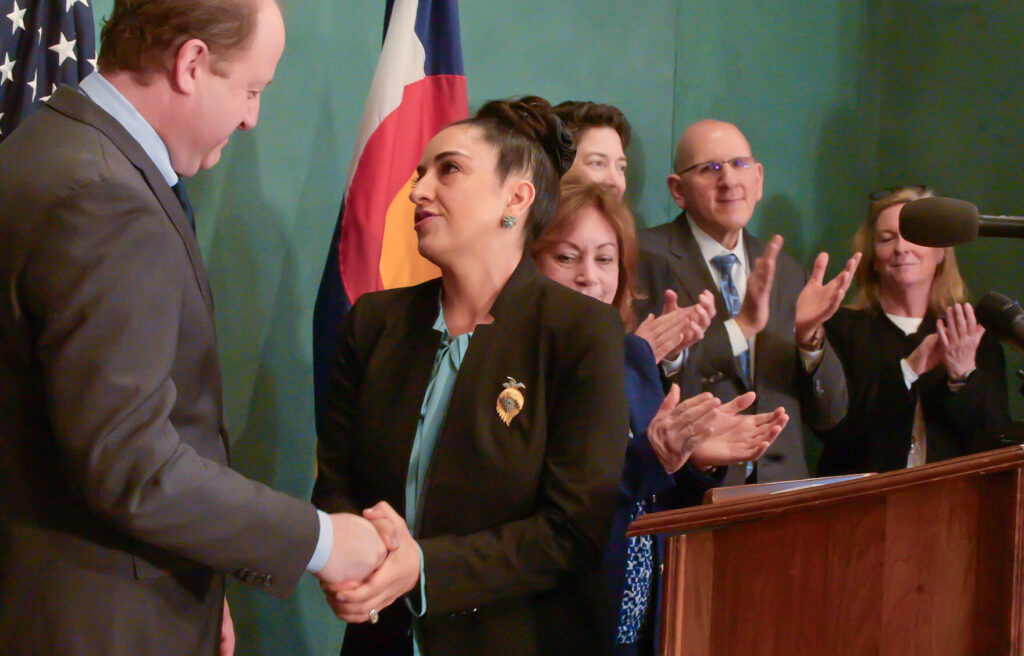
Susan Blanco signals views on role of appellate courts in first opinion as Colorado justice
Michael Karlik
michael.karlik@coloradopolitics.com
Updated 14 hours ago
Justice Susan Blanco’s first solo opinion as a new member of the Colorado Supreme Court made clear her view of the guardrails that keep the state’s highest court tethered to the issues it is asked to decide. On Monday, the...
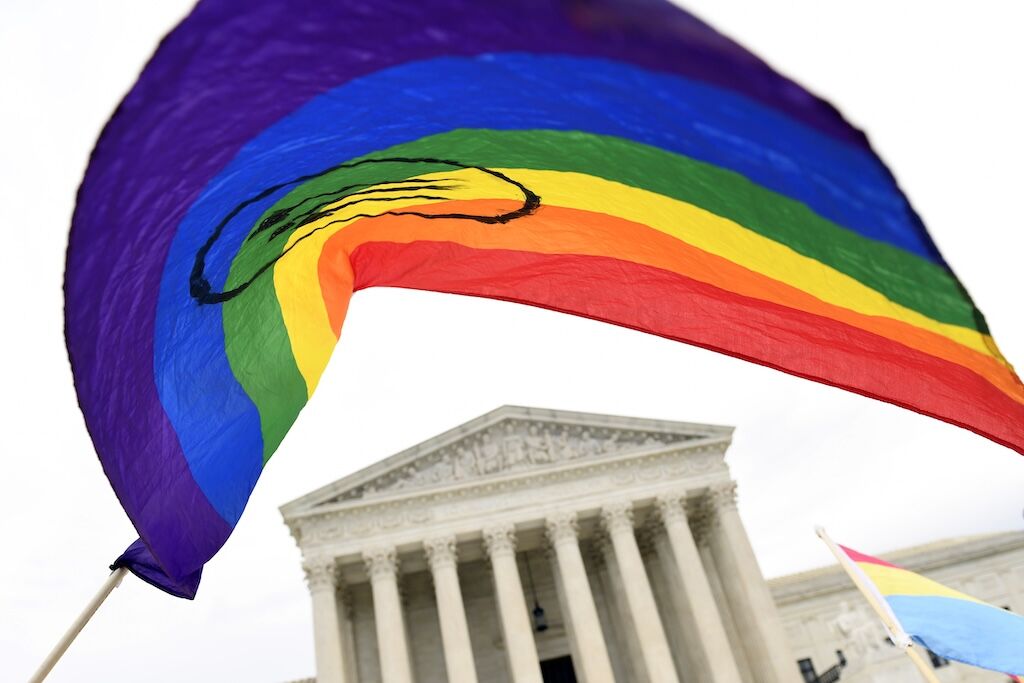
Colorado leaders weigh next steps after Supreme Court rejects state ban on ‘conversion therapy’
Marissa Ventrelli
marissa.ventrelli@coloradopolitics.com
Updated 1 day ago
Colorado leaders said they are weighing next steps after the U.S. Supreme Court on Tuesday rejected the state’s ban on “conversion therapy” for children, as critics and supporters cheered or lambasted the ruling. The court’s near-unanimous decision called the Colorado...
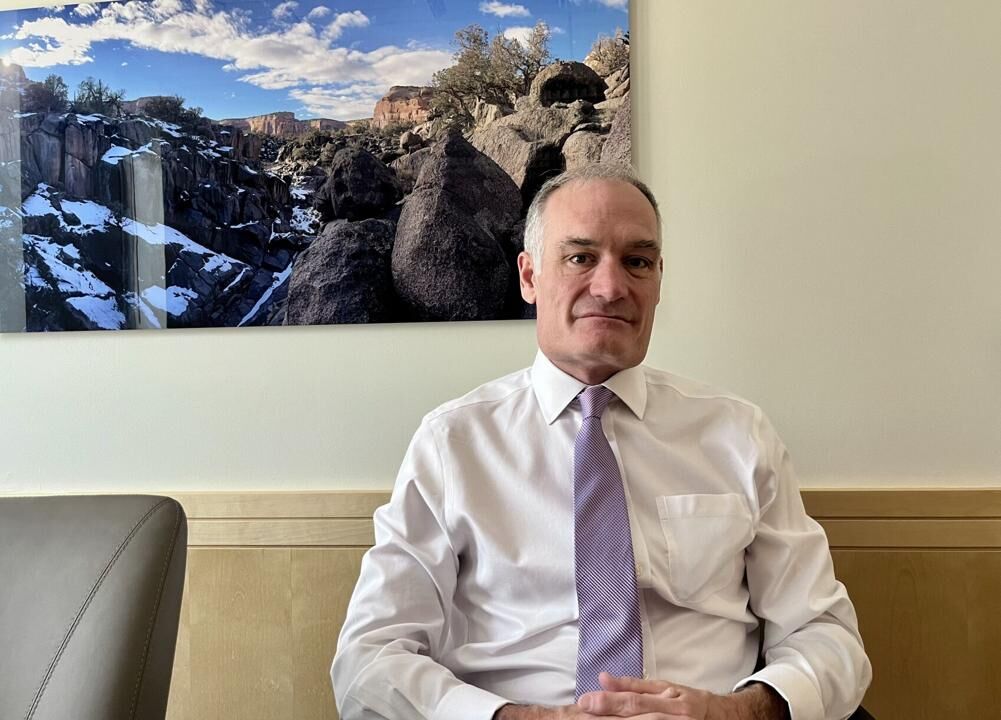
Federal judge dismisses U.S. government lawsuit against Colorado, Denver’s ‘sanctuary’ laws
Michael Karlik
michael.karlik@coloradopolitics.com
Updated 1 day ago
A federal judge dismissed the U.S. government’s lawsuit against Colorado and Denver on Tuesday, which alleged that various local policies impermissibly infringed on federal immigration enforcement. U.S. District Court Judge Gordon P. Gallagher followed the lead of judges in Illinois...
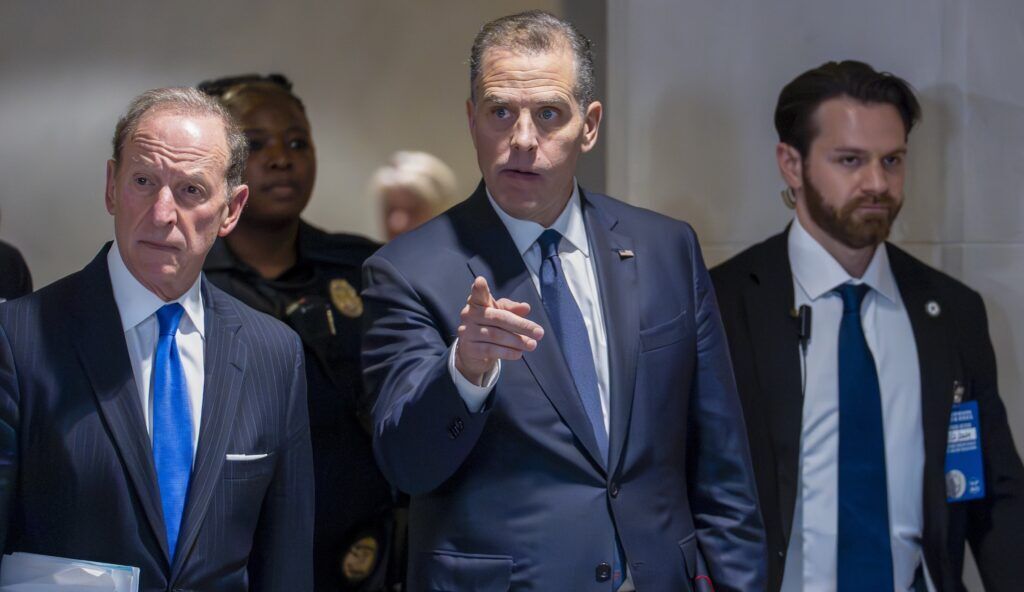
Federal judge finds DOJ adequately searched for, disclosed records related to Bidens
Michael Karlik
michael.karlik@coloradopolitics.com
Updated 1 day ago
A federal judge determined on Friday that the U.S. Department of Justice adequately searched for and disclosed records to a Colorado attorney in response to his request for documents related to former President Joe Biden’s son and brother. In November...
10th Circuit warns lawyers after finding fake case in filing
Michael Karlik
michael.karlik@coloradopolitics.com
Updated 1 day ago
The Denver-based federal appeals court warned attorneys to be more careful last month after discovering one lawyer cited a fake case in his arguments. In recent months, federal and state judges in Colorado have begun cautioning lawyers explicitly about the...

10th Circuit rules cognitively impaired man’s risk of lobotomy, mistreatment in Mexico not ‘torture’
Michael Karlik
michael.karlik@coloradopolitics.com
Updated 2 days ago
The Denver-based federal appeals court concluded last month that a man’s risk of mistreatment or forced lobotomy in his native Mexico did not amount to “torture” that should shield him from deportation. A three-judge panel of the U.S. Court of...
Colorado justices side with news organizations for disclosure of high-level child abuse data
Michael Karlik
michael.karlik@coloradopolitics.com
Updated 1 day ago
The Colorado Supreme Court ruled on Monday that the state must disclose the number of child abuse reports at individual group living facilities in response to an open records request, as the addresses are already in the public domain. The...