

Thousands gather in New Mexico for the largest powwow in North America | OUT WEST ROUNDUP
NEW MEXICO
Continent’s largest powwow draws thousands
ALBUQUERQUE — Thousands of people gathered in New Mexico on the last weekend in April for a celebration showcasing Native American and Indigenous dancers, musicians and artisans from around the world.
Billed by organizers as the largest powwow in North America, the annual Gathering of Nations festival kicked off on April 25 with a colorful procession of dancers spiraling into the center of an arena at the New Mexico state fairgrounds.
Participants wore elaborate regalia — some with jingling bells and others with feathers— and danced to the tempo of rhythmic drumming, each coming for their own reasons.
“It’s not just for show,” said Deshava Apachee, who is Mescalero Apache and Navajo. “It’s for healing, it’s for strength, it’s for reconnecting.”
The event also featured the crowning of Miss Indian World, as well as horse parades in which riders were judged on the craftsmanship of their intricately beaded adornments or feathered headdresses and how well they work with their horses.
Livestock groups plead with Canadian government to halt wolf relocation to Colorado
Powwows are a relatively modern phenomenon that emerged in the 1800s as the U.S. government seized land from tribes throughout the Northern and Southern Plains. Forced migrations and upheaval during this period resulted in intertribal solidarity among Plains people and those from the southern prairies of Canada.
Alliances were formed, giving way to the exchange of songs and dances during gatherings between different tribes. In the decades that followed, powwows were advertised to pioneers heading westward as “authentic” Native American dance shows.
Today, some of the large powwows like the Gathering of Nations have become more commercialized events that use dancing and drumming competitions, with prize money at stake, to provide a glimpse into Indigenous cultures.
ARIZONA
Governor lifts blanket veto threat
PHOENIX — Democratic Gov. Katie Hobbs on April 24 lifted her blanket veto threat after Republicans and Democrats united on legislation supplying funding for a state agency that provides services for some of Arizona’s most vulnerable residents.
After a standoff that lasted months and running up against an early May deadline, Hobbs had announced she’d veto all bills not already on her desk — even policy she supports — until lawmakers in the GOP-controlled legislature come to a supplemental funding agreement for the state’s Division of Developmental Disabilities. The division supports close to 60,000 people with autism, cerebral palsy, epilepsy, Down syndrome and other cognitive and intellectual disabilities.
Hobbs celebrated the funding bill, which she signed on April 24 after approval from the legislature, noting policies it puts into law like a 40-hour cap on the number of paid hours that parents who care for their children with disabilities can receive weekly per child.
Campaign to override Gov. Jared Polis' veto of social media regulation bill fails
She ultimately did not automatically veto any legislation — neither the state House nor Senate sent bills to the governor’s office after she announced her bill moratorium.
Republicans’ frustration brewed after learning that Hobbs was requesting about $13 million more in funding for the division after having already put out her executive budget proposal. They said she mismanaged the funds.
Republicans had wanted to put guardrails on the program, and Democrats had wanted to discuss guardrails after approving the funding. GOP state Rep. Matt Gress, who sponsored the amendment to the bill that Hobbs signed, said he was happy with the compromise.
WYOMING
Committee to focus on gaming industry
CHEYENNE — Wyoming’s billion-dollar gambling industry will be the sole focus of a new select committee created by legislative leadership this year, given the “heavy lift” of the complex issue.
Sen. John Kolb, R-Rock Springs, one of the co-chairmen for the new Select Committee on Gaming said the issue had been “getting passed from committee to committee.”
Last year, the Legislature’s Joint Appropriations Committee took the first stab at investigating gambling in Wyoming. The JAC created a special working group devoted to exploring this topic and paid for a statewide comprehensive study of the gambling industry. By the end of the interim, five committee-sponsored bills related to gambling were filed for the 2025 legislative session.
Colorado General Assembly to tackle union law, crime, gaming amid vacancies in 2025 session
One of these bills focused on allowing local governments to have a say in approving historic horse racing machines, and another would have allowed national betting on Wyoming live horse races.
However, a majority of these bills failed at the beginning of the session, and none made it to the finish line.
There are six members on the new select committee, three from the House of Representatives and three from the Senate.
Co-chair Rep. Andrew Byron, R-Jackson, said he appreciated that there’s a new select committee to take on the heavy lift of gambling issues, especially after legislative leadership reduced the number of committee meeting days from six to four this interim.
NORTH DAKOTA
State shields Roundup from lawsuits
A new first-of-its-kind law enacted in North Dakota could shield agrochemical manufacturer Bayer from lawsuits claiming it failed to warn customers that its popular weedkiller Roundup could cause cancer.
Though the immediate effect may be small, given that North Dakota is among the least populated U.S. states, Bayer is hopeful that success there could lead to similar laws being passed around the country. The company faces an onslaught of lawsuits seeking billions of dollars for alleged harm from Roundup. A similar bill is pending in Georgia before Gov. Brian Kemp.
Bayer, based in Germany, acquired Roundup with the 2018 purchase of St. Louis-based Monsanto. It contends glyphosate, an active ingredient in Roundup, has for decades provided a safe and efficient way to control weeds with less tilling, which helps prevent soil erosion. For crops such as corn, soybeans and cotton, Roundup is designed to work with genetically modified seeds that resist glyphosate’s deadly effect.
How Colorado's marijuana testing loopholes threaten consumer safety
Bayer has been hit with about 181,000 legal claims alleging that Roundup’s key ingredient, glyphosate, causes non-Hodgkin lymphoma. Though some studies associate glyphosate with cancer, the U.S. Environmental Protection Agency has said it is not likely to be carcinogenic to humans when used as directed.
Bayer, which disputes the cancer claims, has teamed with a coalition of agricultural groups to back legislation in at least 11 states this year that declares that a federally approved label on pesticides is sufficient to satisfy any duty under state law to warn customers. Bayer also has asked the U.S. Supreme Court to block the legal claims.
Company says thousands of gallons of oil recovered from North Dakota pipeline spill | OUT WEST ROUNDUP
Trump administration rolls back forest protections in bid to ramp up logging | OUT WEST ROUNDUP
More endangered Mexican gray wolves are roaming the southwestern US, survey shows | OUT WEST ROUNDUP


Colorado justices agree to review insurance question that has divided federal judges
Michael Karlik
michael.karlik@coloradopolitics.com
Updated 3 hours ago
The Colorado Supreme Court granted a federal judge’s request on Friday to address an issue that has produced conflicting answers in policyholders’ lawsuits against insurance companies over unpaid benefits. “Parties (and judges) regularly spend undue time and money fighting in...
Farmworker overtime bill advances after lengthy debate in Colorado Senate
Marianne Goodland
marianne.goodland@coloradopolitics.com
Updated 4 hours ago
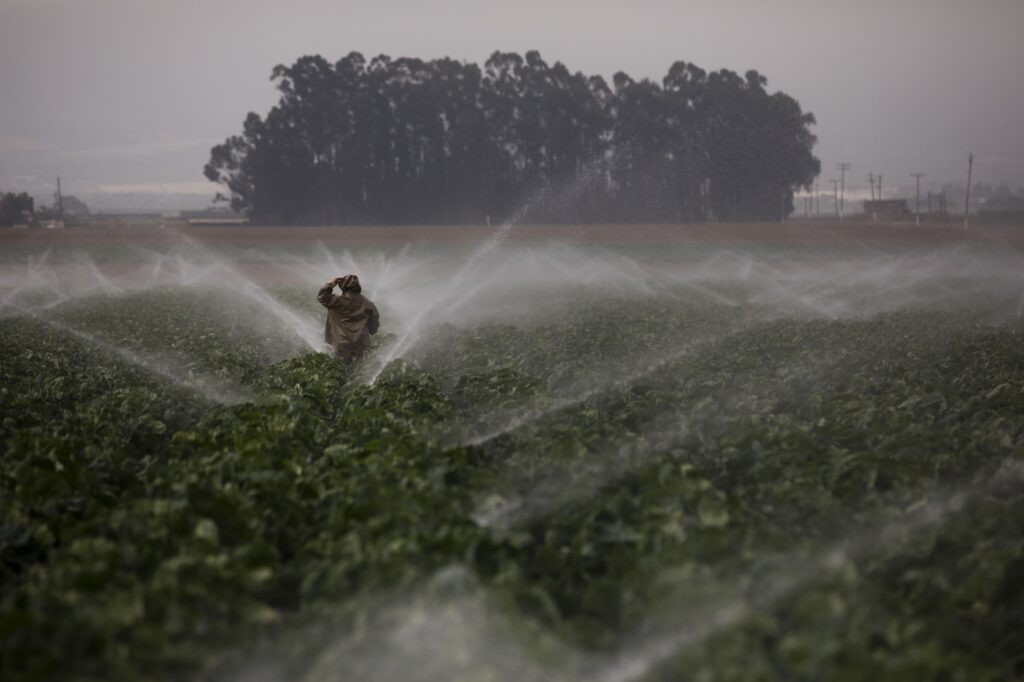
The Colorado Senate on Tuesday narrowly advanced a bill to raise the overtime threshold for agricultural workers, defeating more than a dozen amendments from its leading opponent aimed at rewriting the measure. As introduced, Senate Bill 121 would raise the threshold for...

Colorado Agriculture Day: A feast for the ears, eyes and stomachs
Marianne Goodland
marianne.goodland@coloradopolitics.com
Updated 2 hours ago
Gov. Jared Polis, legislators and friends of agriculture gathered at the state Capitol on Tuesday to celebrate Colorado Agriculture Day. The annual recognition of the contributions of Colorado farmers, ranchers and agribusiness drew hundreds to the Capitol’s west foyer, where...

Pueblo man held in Afghanistan for more than a year released, Taliban says
The Associated Press
the-associated-press@coloradopolitics.com
Updated 2 hours ago
KABUL, Afghanistan — Afghanistan’s Taliban authorities on Tuesday released American academic Dennis Coyle after holding him for over a year, with the foreign ministry saying the release came on the occasion of Eid al-Fitr, the Muslim holiday that marks the end of the...

Mortgage rates rise in defiance of Trump’s $200 billion push, hurting GOP on affordability
Zach Halaschak, Washington Examiner
zach.halaschak.washington.examiner@gazetteedit.wpenginepowered.com
Updated 6 hours ago
After months of a gradual decline, mortgage rates are trending back up because of the war with Iran, defying President Donald Trump’s efforts to lower them and undercutting Republicans on the key issue of affordability. As of Monday, the average rate on a 30-year...

Federal judge dismisses background screeners’ challenge to Colorado law
Michael Karlik
michael.karlik@coloradopolitics.com
Updated 7 hours ago
A federal judge dismissed a challenge on Friday to a portion of Colorado law that prohibits certain information from being included in consumer reports, in what seemed to be a conflict with federal law. Congress originally enacted the Fair Credit...
Wildlife agency asks for $450,000 to bring more wolves to Colorado
Marianne Goodland
marianne.goodland@coloradopolitics.com
Updated 10 seconds ago
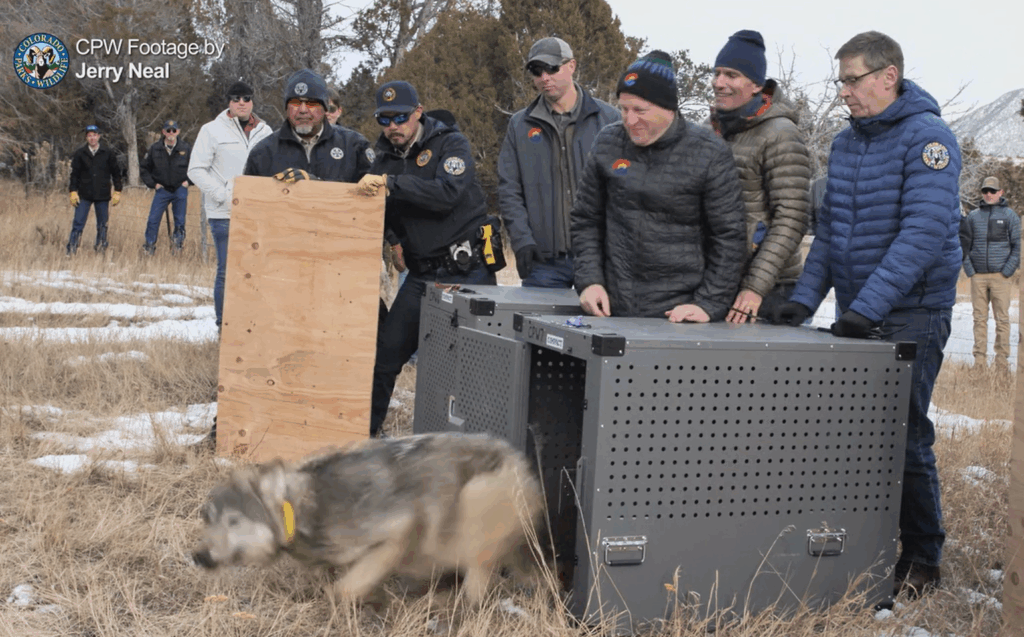
The panel of legislators charged with crafting the budget on Monday rejected a proposal that proponents said would increase transparency around how much Colorado Parks and Wildlife spends to bring additional wolves into the state. At the same time, the...
Hickenlooper primary challenger Julie Gonzales endorsed by national progressive group Indivisible
Ernest Luning
ernest.luning@coloradopolitics.com
Updated 31 minutes ago
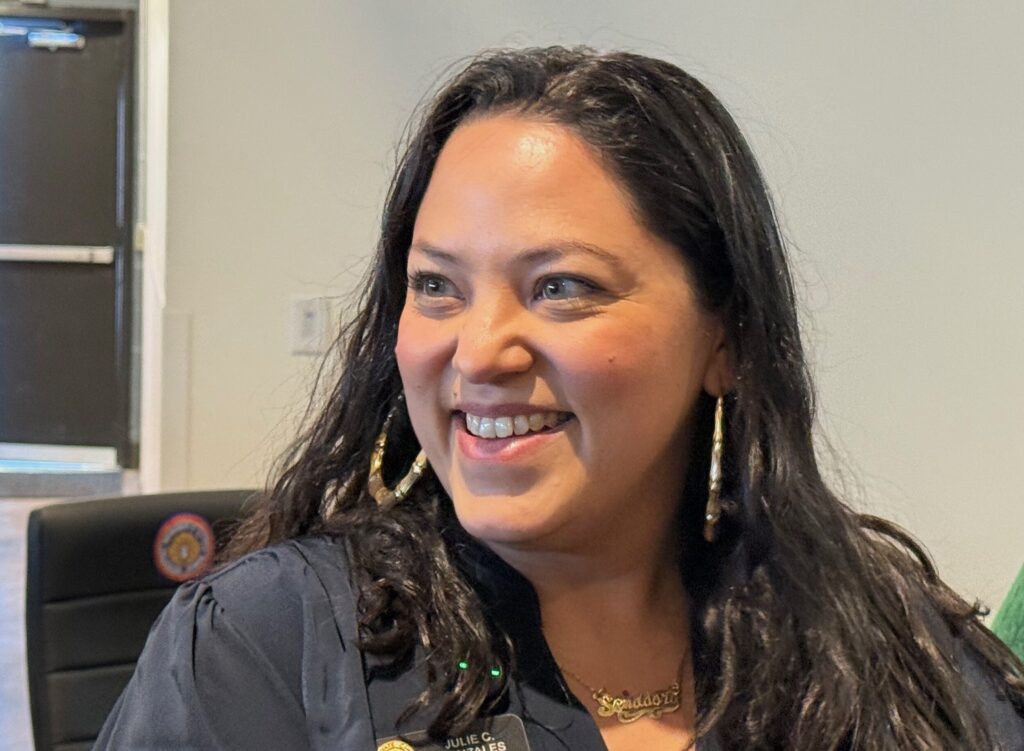
State Sen. Julie Gonzales’ bid to challenge U.S. Sen. John Hickenlooper in Colorado’s Democratic primary got a boost Tuesday from Indivisible when the national arm of the progressive grassroots group endorsed the Denver lawmaker. The national group’s endorsement comes less...

10th Circuit rejects ‘penalty’ for children of naturalized citizens seeking visas
Michael Karlik
michael.karlik@coloradopolitics.com
Updated 38 minutes ago
The Denver-based federal appeals court joined three of its peers earlier this month and determined the child of a newly naturalized U.S. citizen is not moved to a longer visa line as a result of his parent gaining citizenship, and...
Colorado lawmakers mull renaming César Chávez Day to Farm Workers Day
Marianne Goodland
marianne.goodland@coloradopolitics.com
Updated 9 hours ago
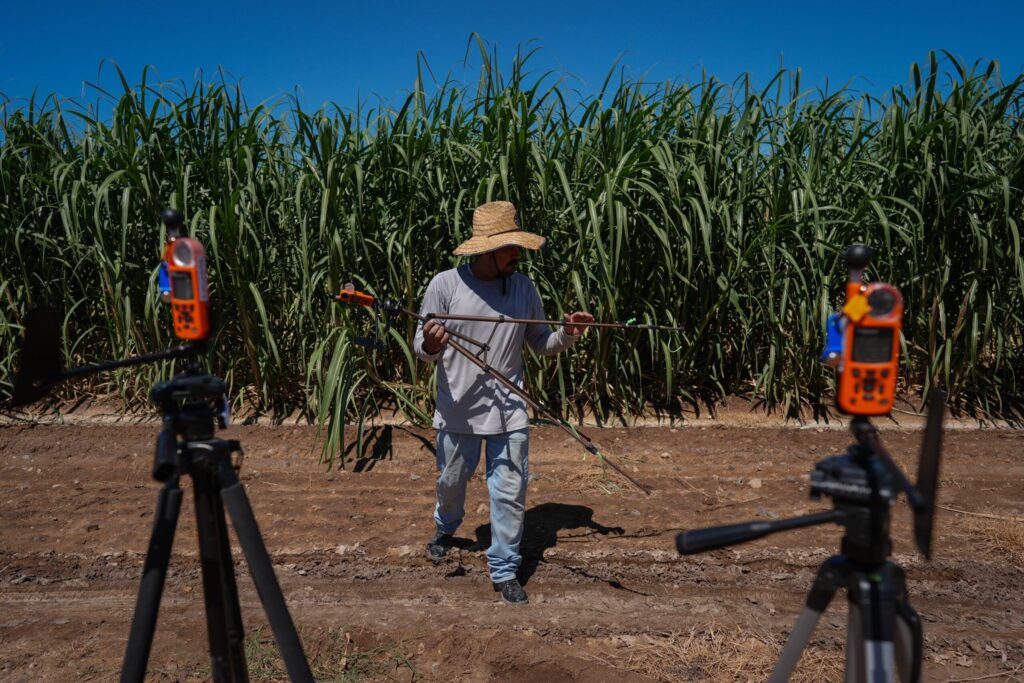
A Colorado House committee has voted to rename the March 31 state holiday from César Chávez Day to Farm Workers Day, following a national shift prompted by sexual abuse allegations against the labor leader. The State, Civic, Veterans, and Military...