

Changes in how Colorado legislative vacancies are filled clears first Senate committee
The last bill standing seeking changes to the vacancy process for selecting new lawmakers won party-line approval on Tuesday from a Senate panel.
House Bill 1315 cleared the House last week but has seen quite a few changes since its introduction last month.
The bill that won 55 votes in the House started out as a laundry list of requirements around how vacancy elections would take place but still leaves those decisions in the hands of a small group of party insiders, rather than the roughly 89,000 voters in a House district or the 165,000 voters in a Senate district.
Those requirements included:
• If a lawmaker resigns during the session or by July 31 in an even-numbered year, the new vacancy committee process will be initiated, and the selected candidate will then run in the customarily scheduled general election in November.
• If a lawmaker resigns after July 31 in an even-numbered year, the vacancy would be filled first by the vacancy committee. Then, a vacancy election would be held in the following odd-year November election.
• If a lawmaker resigns during the session or by July 31 in an odd-numbered year, the new vacancy committee process would fill the seat until a vacancy election can occur in November of that year.
• If a lawmaker resigns after July 31 in an odd-numbered year, a new vacancy committee would be formed to fill the seat until the next general election in the following even-numbered year.
In the odd-numbered year election, only voters from the same political party as the resigned lawmaker or unaffiliated voters would be allowed to vote.
The process of becoming a candidate also would change, requiring candidates to obtain signatures from either 30% of the vacancy committee or 200 voters from the same party.
After hearings in the House State, Civic, Military and Veterans Affairs Committee, the bill was amended to clarify county reimbursements and how the petition process would work.
In the House, the sponsors — Reps. Emily Sirota, D-Denver, and House Minority Leader Rose Pugliese, R-Colorado Springs — sought amendments to require the state to reimburse counties for vacancy elections.
Rep. Bob Marshall, D-Highlands Ranch, brought an amendment to ask lawmakers to institute a special election. “It’s time to rip the bandaid off and do what the voters expect us to do,” he said.
Colorado is just one of five states that fill vacancies in the manner used in Colorado, he noted. The problem in the last 20 years is that the number of lawmakers who gained their seats through the vacancy process has increased, and Colorado now has more lawmakers who reached the General Assembly that way than any other state in the nation, Marshall said.
By last year, 29 out of 100 lawmakers had reached their seats through the vacancy process.
“But when you look through the outside in, it looks very bad,” he said, adding it erodes the trust of voters.
The current bill won’t correct that problem, Marshall told the House. And only the activists in the party that controls the seat — the most progressive on the Democratic side and the most conservative on the Republican side — make the choices in those vacancy elections, he added.
“That’s not representative of districts and their people,” he said.
Sirota replied that, if Marshall wanted to have that kind of election, he should run his own bill. (Marshall pushed for changes in a resolution that failed).
“Our proposal is to run a vacancy election in the November election,” Sirota said.
“If you’re concerned about the number of vacancies,” she said, one issue is how much lawmakers are paid and that’s caused some to quit before the end of their terms.
HB 1315 makes that replacement quickly, she noted, adding that special elections draw in more special interests and dark money.
Pugliese said she believes in “the caucus, assembly and vacancy process and the power of the grassroots to engage in the process” and does not want to take away the vacancy process.
The sponsors have come up with a hybrid system, which protects the grassroots process, as well as an election in which voters can choose their representation, she said.
In the Senate State, Veterans and Military Affairs Committee on Tuesday, co-sponsor Sen. Barbara Kirkmeyer, R-Brighton, said the bill empowers the voters and respects the parties.
Noting only a small number of voters put a lawmaker into a seat through the vacancy — a House lawmaker was chosen this year with just 10 votes —the time is right for change, she said.
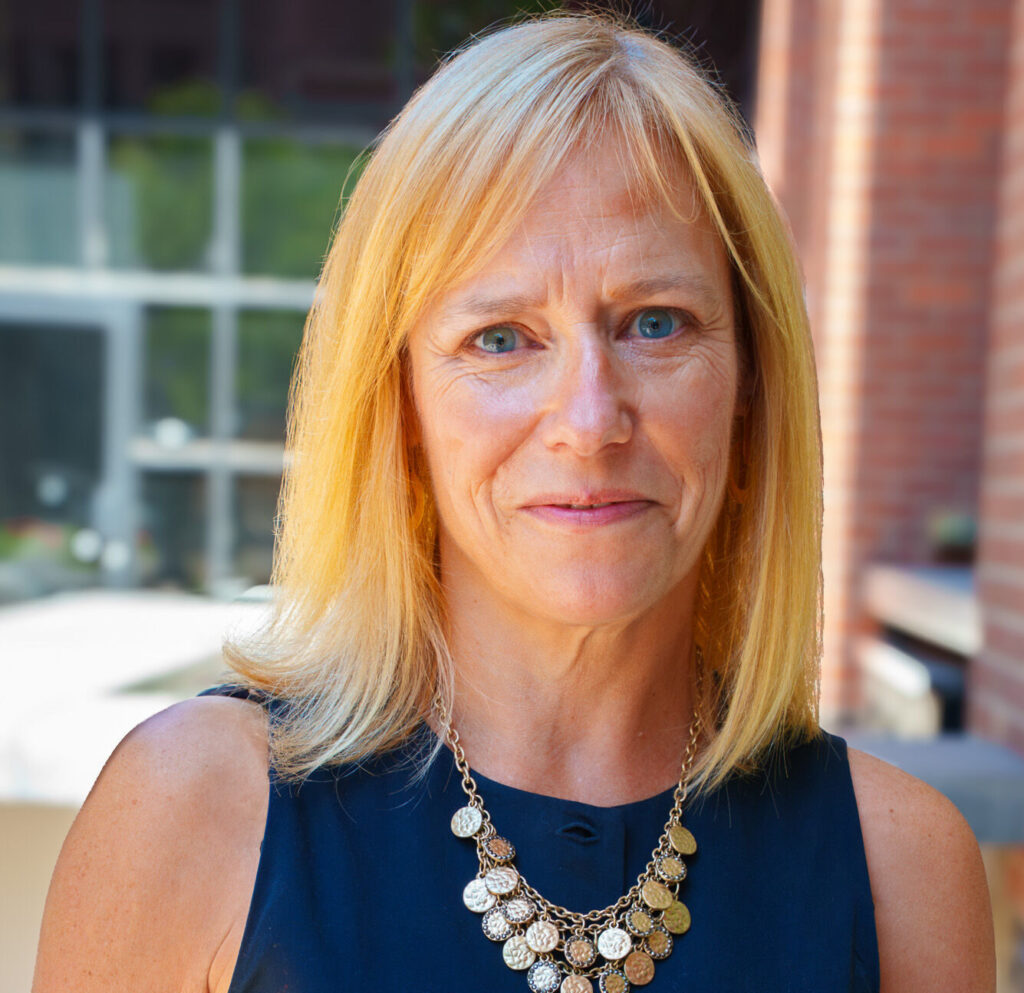
The League of Women Voters is advocating for changes to the bill, such as to allow every elector to vote in the November odd-year election, allow any elector to run in the odd-year election, and use a “better” voting method when there are more than two candidates in that odd-year election.
No state disenfranchises voters based on party affiliation except for partisan primary elections that don’t fill a seat, said Peggy Leach of the League. Celeste Landry, also with the League, suggested the bill could be violation of the 14th amendment.
Every voter can already vote in every November election, Landry noted, and to allow all candidates and voters to participate, it would reduce the bill’s fiscal note of more than $300,000 down by 90%.
Those cash funds would be obtained by raising business filing fees with the Secretary of State’s office.
Landry also said one of the bill’s supporters, whom she did not identify, told them to “sue us” if they didn’t like the bill. The League prefers to work with the sponsors instead of filing lawsuits, she said.
Addressing the League’s points, Kirkmeyer said its amendments would take the bill further than the sponsors intended.
The bill won a unanimous vote from the Senate State, Veterans and Military Affairs Committee and will next head to Senate Appropriations. If approved there, the full Senate will next tackle it.
Last month, a resolution that would have gone to voters to ask that those selected by a vacancy committee be prohibited from running for the office in the next election fell short of votes in a House committee.


Trump calls Jared Polis a ‘sleazebag’ for keeping ‘elderly woman’ Tina Peters in jail, governor responds
The Washington Examiner
the-washington-examiner@coloradopolitics.com
Updated 28 minutes ago
President Donald Trump took to Truth Social on Wednesday to lambast Colorado Gov. Jared Polis over the case involving former Mesa County Clerk Tina Peters, who was sentenced to nine years in prison in 2024 for charges of giving unauthorized...

Judge denies motion from Gov. Jared Polis to dismiss ICE lawsuit from former state employee
Marianne Goodland
marianne.goodland@coloradopolitics.com
Updated 2 hours ago
A Denver District Court judge has denied a request by Gov. Jared Polis to dismiss a lawsuit filed by a former state employee over disclosure of information to federal immigration authorities. The lawsuit filed against the governor by Scott Moss,...
Colorado’s John Hickenlooper says he’ll oppose BLM nominee
Marianne Goodland
marianne.goodland@coloradopolitics.com
Updated 3 hours ago
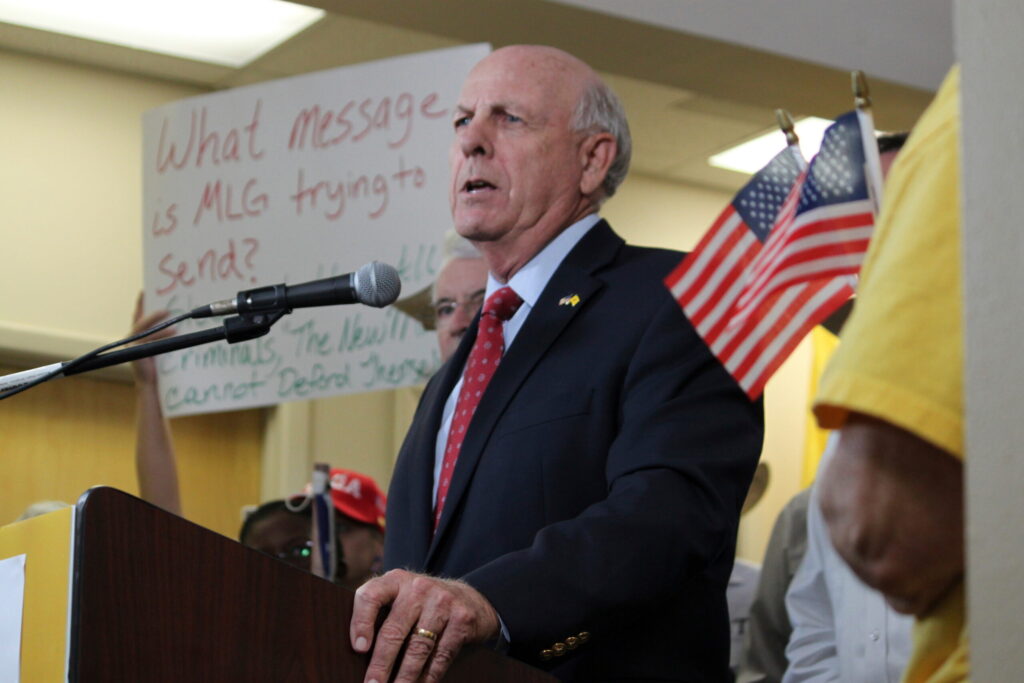
U.S. Sen. John Hickenlooper, D-Colo., a member of the U.S. Senate Energy and Natural Resources Committee, said Thursday he will oppose the nomination of Steve Pearce to be the next director of the Bureau of Land Management. Pearce’s nomination has...

Federal judge recommends sanctions on plaintiffs for faulty case citations
Michael Karlik
michael.karlik@coloradopolitics.com
Updated 51 minutes ago
A federal judge recommended that a pair of self-represented plaintiffs be subject to a range of sanctions for including flawed and non-existent case citations in their filings, potentially by using artificial intelligence. “A federal court is not a workshop for...
Federal judge deems Jeffco’s appeal ‘frivolous’ in jail death case
Michael Karlik
michael.karlik@coloradopolitics.com
Updated 4 hours ago
A federal judge declared Jefferson County’s appeal of his evidentiary decision “frivolous” on Thursday, which enables him to continue handling the civil rights litigation even as an appellate court separately addresses the appeal. The order from U.S. District Court Judge...
Proposed development sparks rally to ‘save’ trail, open space south of Denver
Seth Boster
seth-boster@coloradopolitics.com
Updated 4 hours ago
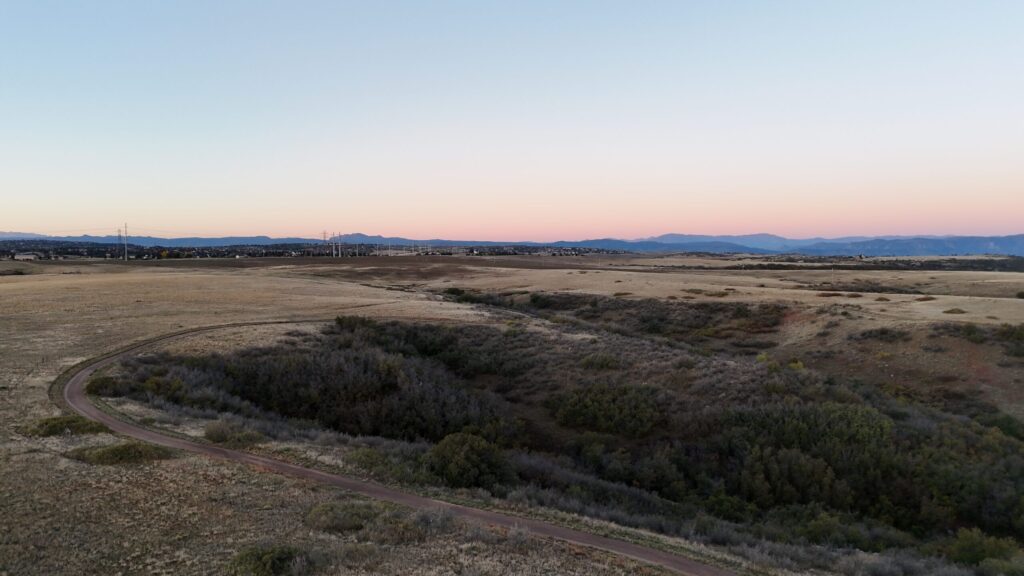
For the past 25 years around Denver’s south metro area, Mike Smith has watched homes, offices and commercial centers rise in open spaces he once viewed from the seat of his bike. But then there’s what he calls “the heart...
Cause of death revealed for self-proclaimed Planned Parenthood gunman
Mackenzie Bodell
mackenzie-bodell@coloradopolitics.com
Updated 7 hours ago
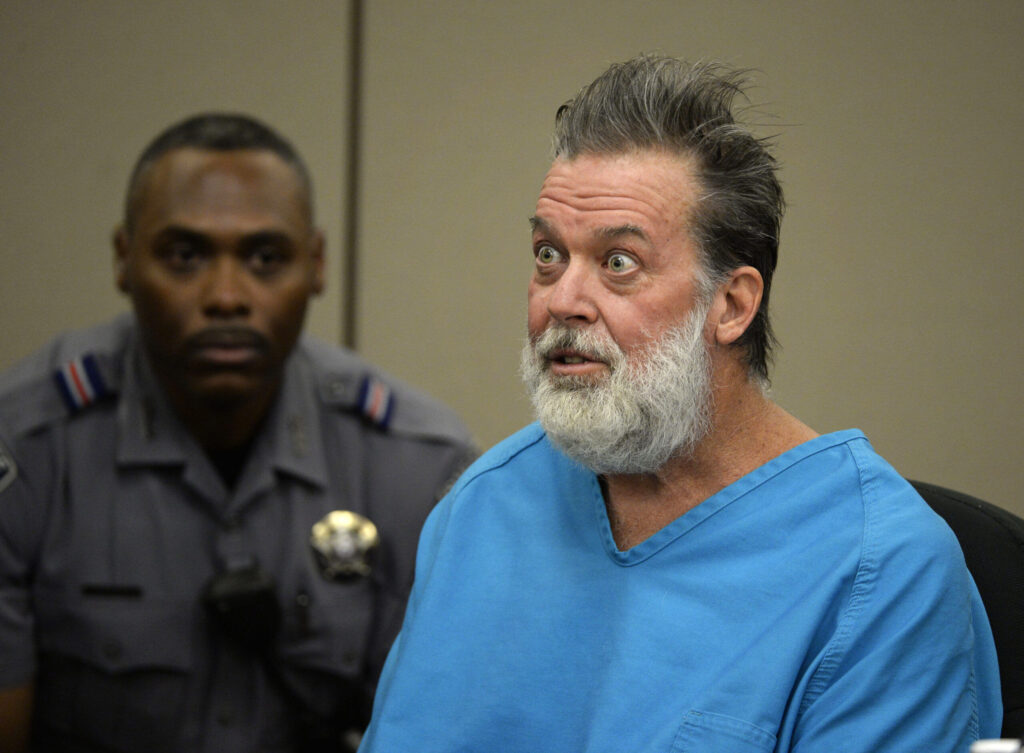
The self-proclaimed gunman in the Planned Parenthood shooting in Colorado Springs in November 2015 died from congestive heart failure and other related medical conditions, the Federal Bureau of Prisons said in a recent court filing. The Federal Bureau of Prisons...
Q&A: Denver Metro Chamber of Commerce VP says it’s ‘getting harder, more expensive to do business’ in Colorado | FISCAL ROCKIES
Thelma Grimes
thelma.grimes@coloradopolitics.com
Updated 5 hours ago
Editor’s Note: Once among the nation’s fastest-growing economies, Colorado today confronts mounting challenges that threaten its momentum. This series reveals how a state once defined by prosperity is navigating economic cliffs and ridges. We explore the impact of increased regulations, tariffs,...
Can you afford to live in Denver? | FISCAL ROCKIES
Michael Braithwaite
michael.braithwaite@gazette.com
Updated 5 hours ago
Editor’s Note: Once among the nation’s fastest-growing economies, Colorado today confronts mounting challenges that threaten its momentum. This series reveals how a state once defined by prosperity is navigating economic cliffs and ridges. We explore the impact of increased regulations, tariffs,...

After years of leading the nation, Colorado’s economy shows signs of cooling | FISCAL ROCKIES
Marissa Ventrelli
marissa.ventrelli@coloradopolitics.com
Updated 5 hours ago
Editor’s Note: Once among the nation’s fastest-growing economies, Colorado today confronts mounting challenges that threaten its momentum. This series reveals how a state once defined by prosperity is navigating economic cliffs and ridges. We explore the impact of increased regulations, tariffs,...