

Julie McCluskie marks 5-year milestone for Elevating Rural Colorado program
Colorado Speaker of the House Julie McCluskie delivered remarks at the Elevating Rural Colorado Partnership celebration in Keystone on Monday. The Dillon Democrat discussed the program’s recent efforts to boost career pathways in rural Colorado and support rural public schools.
The event, organized by Colorado Succeeds, the Colorado Education Initiative, Empower Schools, and Lyra Colorado, marked the program’s five-year anniversary.
“From new, low-cost pathways to higher education and good paying jobs to significant new funding for rural public schools, there are so many incredible success stories to celebrate for the high country,” McCluskie said. “Students in our communities will soon see more resources in their classrooms, and many are already taking advantage of new opportunities we’ve created to complete skills training and degree programs that will set them up for success.”
More than 90% of jobs that pay a family living wage in Colorado require some sort of postsecondary training, according to a March 2024 Colorado Succeeds report. While Colorado is a highly educated state, the report said, “There are large gaps in which Coloradans hold a degree, with the greatest gaps for students of color and those from rural communities.”
McCluskie has pushed for legislation to create new, affordable pathways to complete higher education degrees and programs in rural areas and was a sponsor of HB22-1350 which created the Opportunity Now Grant, which funds collaborative efforts among businesses, higher education, trade associations and unions to create new programs to address specific workforce shortages.
This year, McCluskie pushed through a rewrite of Colorado’s decades-old School Finance Formula, which changed how schools are funded and raised red flags for the state’s largest teachers union and some of its school districts.
HB24-1448 starts with the base per-pupil funding, excluding high school students and online enrollment. Then, it adds in at-risk funding, money for English language learners, and special education. The cost-of-living factor would be applied after that, along with a locale factor, a district size factor, and then “extended” high school and online funding. The cost is estimated at around $500 million more, spread out over six years.
The goal is to ensure every kid “has a fair shot” and help rural communities get the resources they need, such as additional teachers, and funding to provide or maintain after-school and summer programs.
An interactive website called the Colorado School Finance Simulator shows what the first year (2025-26) under the new formula would look like and how much funding each district would receive.
The Colorado Education Association raised concerns over the potential for school privatization based on fears of tax-payer-funded school vouchers.
But with amendments, HB24-1448 passed in May.
Marianne Goodland contributed to this story.

Colorado secretary of state refuses to hand over election records to DOJ
Marissa Ventrelli
marissa.ventrelli@coloradopolitics.com
Updated 7 hours ago
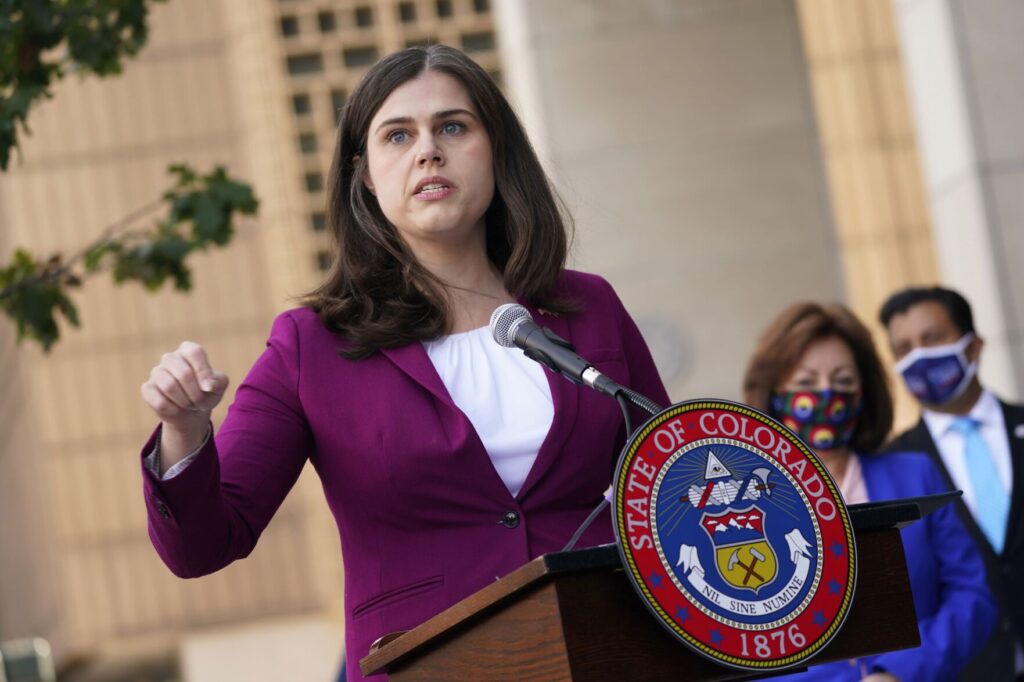
Colorado will not comply with the U.S. Department of Justice’s request to share certain voter information, Secretary of State Jena Griswold said on Wednesday. Federal authorities have sought voter data from more than two dozen states, framing it as part...

Judge denies motion from Gov. Jared Polis to dismiss ICE lawsuit from former state employee
Marianne Goodland
marianne.goodland@coloradopolitics.com
Updated 9 hours ago
A Denver District Court judge has denied a request by Gov. Jared Polis to dismiss a lawsuit filed by a former state employee over disclosure of information to federal immigration authorities. The lawsuit filed against the governor by Scott Moss,...

Trump calls Jared Polis a ‘sleazebag’ for keeping ‘elderly woman’ Tina Peters in jail, governor responds
The Washington Examiner
the-washington-examiner@coloradopolitics.com
Updated 10 hours ago
President Donald Trump took to Truth Social on Wednesday to lambast Colorado Gov. Jared Polis over the case involving former Mesa County Clerk Tina Peters, who was sentenced to nine years in prison in 2024 for charges of giving unauthorized...
Colorado’s John Hickenlooper says he’ll oppose BLM nominee
Marianne Goodland
marianne.goodland@coloradopolitics.com
Updated 12 hours ago
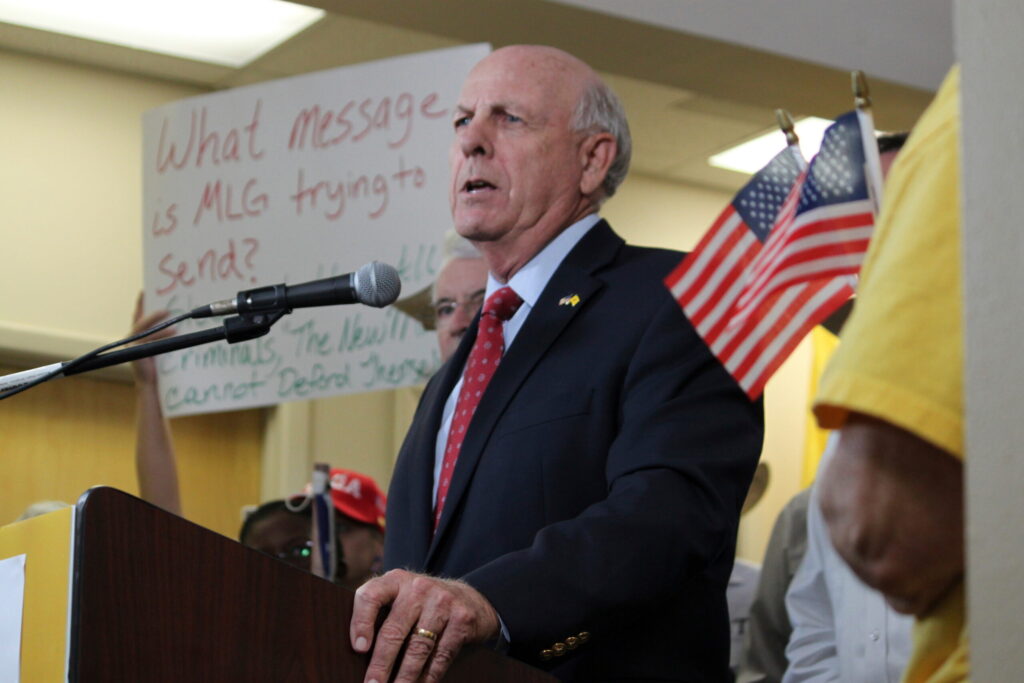
U.S. Sen. John Hickenlooper, D-Colo., a member of the U.S. Senate Energy and Natural Resources Committee, said Thursday he will oppose the nomination of Steve Pearce to be the next director of the Bureau of Land Management. Pearce’s nomination has...
Federal judge recommends sanctions on plaintiffs for faulty case citations
Michael Karlik
michael.karlik@coloradopolitics.com
Updated 10 hours ago
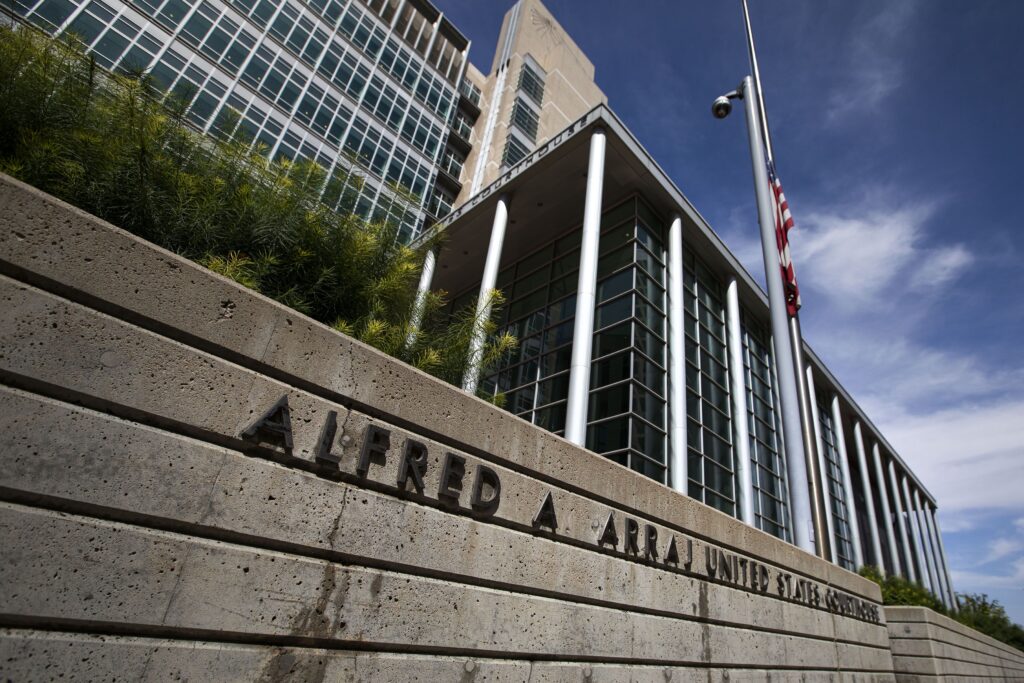
A federal judge recommended that a pair of self-represented plaintiffs be subject to a range of sanctions for including flawed and non-existent case citations in their filings, potentially by using artificial intelligence. “A federal court is not a workshop for...
Federal judge deems Jeffco’s appeal ‘frivolous’ in jail death case
Michael Karlik
michael.karlik@coloradopolitics.com
Updated 13 hours ago
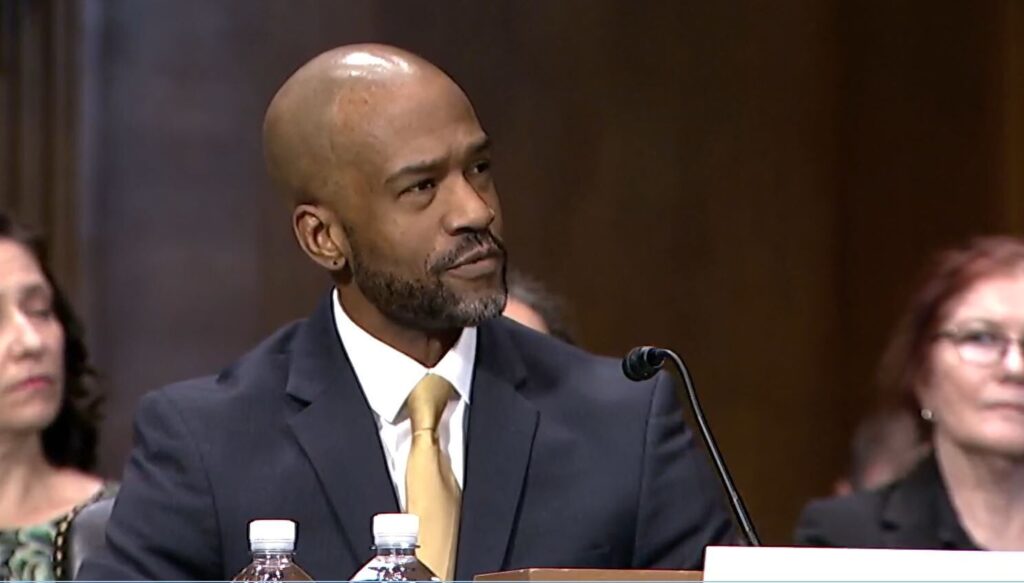
A federal judge declared Jefferson County’s appeal of his evidentiary decision “frivolous” on Thursday, which enables him to continue handling the civil rights litigation even as an appellate court separately addresses the appeal. The order from U.S. District Court Judge...
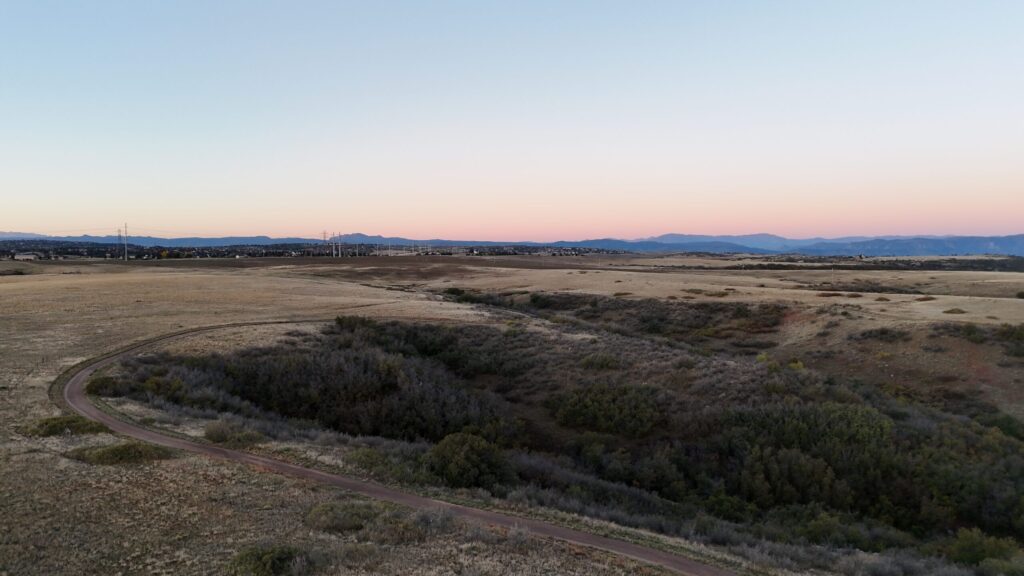
Proposed development sparks rally to ‘save’ trail, open space south of Denver
Seth Boster
seth-boster@coloradopolitics.com
Updated 13 hours ago
For the past 25 years around Denver’s south metro area, Mike Smith has watched homes, offices and commercial centers rise in open spaces he once viewed from the seat of his bike. But then there’s what he calls “the heart...

Cause of death revealed for self-proclaimed Planned Parenthood gunman
Mackenzie Bodell
mackenzie-bodell@coloradopolitics.com
Updated 8 hours ago
The self-proclaimed gunman in the Planned Parenthood shooting in Colorado Springs in November 2015 died from congestive heart failure and other related medical conditions, the Federal Bureau of Prisons said in a recent court filing. The Federal Bureau of Prisons...
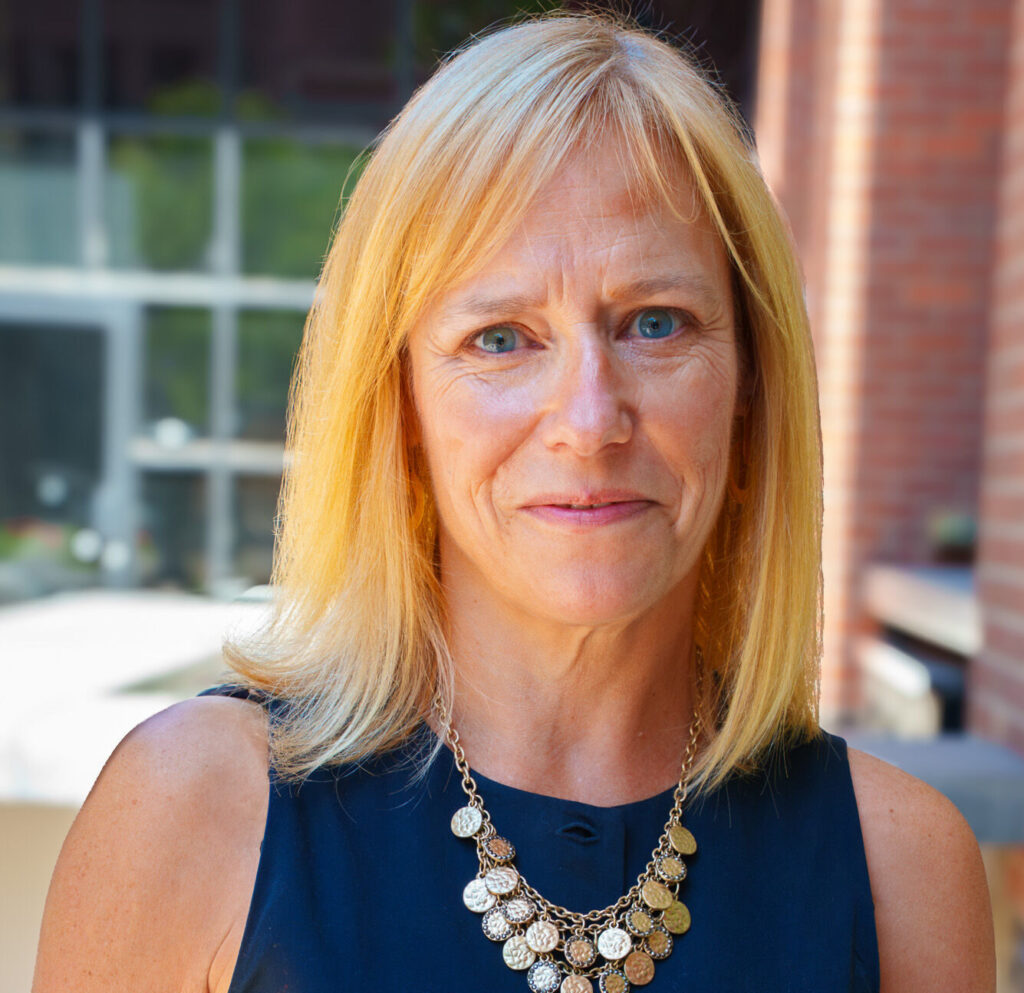
Q&A: Denver Metro Chamber of Commerce VP says it’s ‘getting harder, more expensive to do business’ in Colorado | FISCAL ROCKIES
Thelma Grimes
thelma.grimes@coloradopolitics.com
Updated 14 hours ago
Editor’s Note: Once among the nation’s fastest-growing economies, Colorado today confronts mounting challenges that threaten its momentum. This series reveals how a state once defined by prosperity is navigating economic cliffs and ridges. We explore the impact of increased regulations, tariffs,...
Can you afford to live in Denver? | FISCAL ROCKIES
Michael Braithwaite
michael.braithwaite@gazette.com
Updated 14 hours ago
Editor’s Note: Once among the nation’s fastest-growing economies, Colorado today confronts mounting challenges that threaten its momentum. This series reveals how a state once defined by prosperity is navigating economic cliffs and ridges. We explore the impact of increased regulations, tariffs,...