

Democratic-controlled panel OKs stricter class requirements for concealed weapons permits
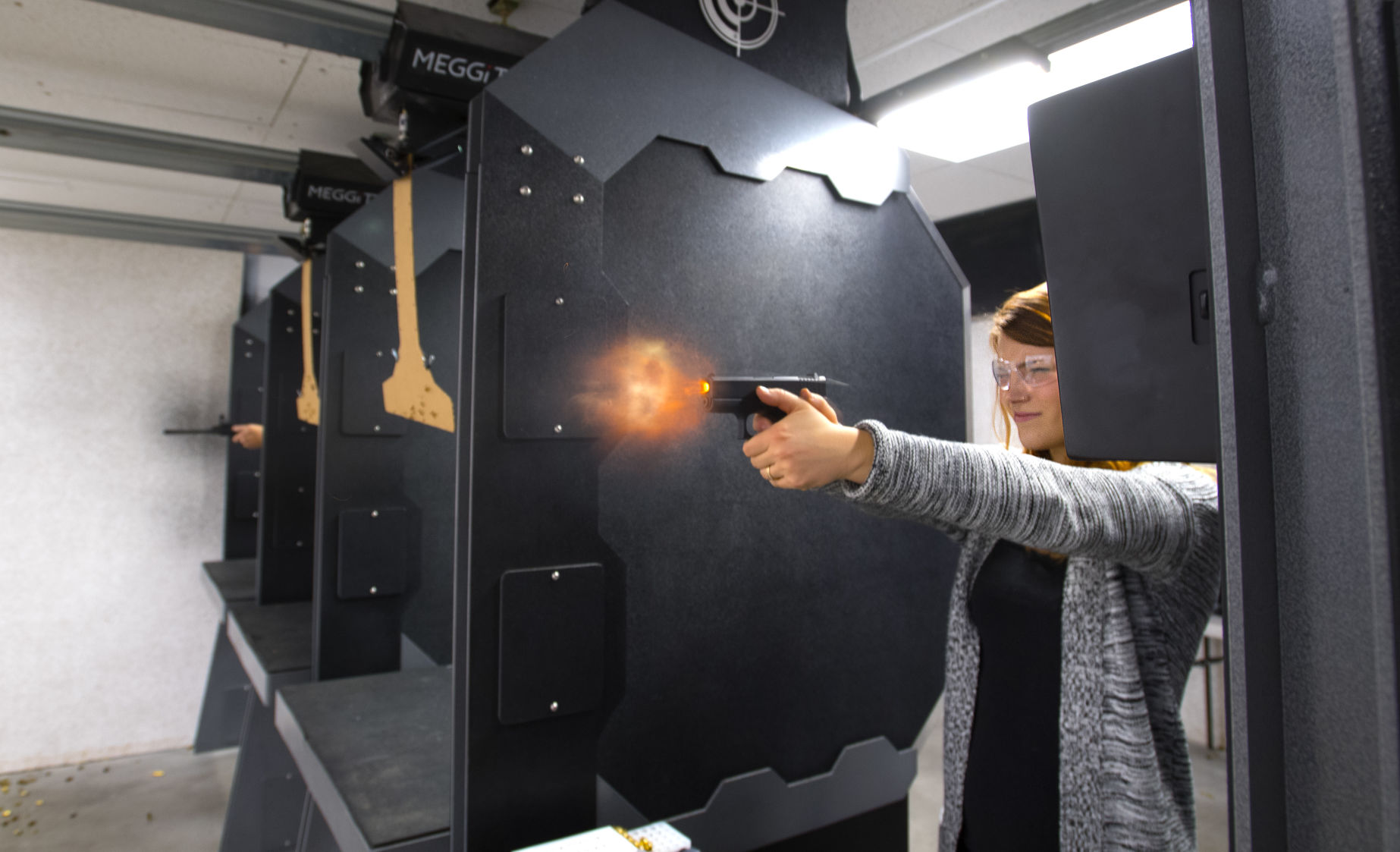
A panel of House lawmakers on Tuesday approved, on an 8-3 party-line vote, a Democrat-sponsored bill that would require stricter requirements for those who hold or want to obtain concealed weapons permits.
The measure from House Majority Leader Monica Duran of Wheat Ridge and Rep. Marc Snyder of Manitou Springs requires the Colorado Bureau of Investigation to set stricter criteria for concealed handgun classes and permits.
Supporters of the measure argued that it’s necessary to ensure that concealed carry permit holders are properly trained and they understand the laws, while critics described it as an infringement on Second Amendment rights, called the measure unconstitutional and added it would raise costs by hundreds of dollars.
Currently, a person can obtain a permit from the local sheriff after completing a firearms training course, which includes “live-fire” exercises for as little as 20 rounds, and submitting an ID and fingerprints and a background check. The permit is good for five years.
Under House Bill 1174, for first time permits, the applicant must take an 8-hour, in-person course, with a “live-fire” shooting exercise of 50 rounds to demonstrate competency in using a firearm. The course also must include instruction on safe storage, information on state and federal laws on how to report stolen weapons, use of deadly force and self-defense, and conflict resolution.
A student must achieve a minimum score of 75% on the live-fire exercise and a passing score of at least 80 on the written exam.
Renewals under the legislation require a concealed handgun refresher course, in which the student must demonstrate safety and competence with a firearm, taught by a verified instructor. It would also require a “live-fire” shooting exercise with a discharge of at least 50 rounds, along with a written test developed by the Colorado Bureau of Investigation.
Witnesses said there are about 650,000 concealed carry permits currently in Colorado, about 15% of the total population of the state.
Duran told members of the House Judiciary Committee that the measure is “common sense” and argued it would ensure those with concealed carry permits are property trained and understand current state laws. This provides minimum standards for training statewide, and “does not add any penalties or interfere with any Second Amendment rights,” said Duran, who holds a concealed permit.
“Many have asked: Is this bill necessary? We hope to show you (that it is),” she said.
More than 500,000 people in Colorado have permits without having to demonstrate they are competent in the use of a firearm, Duran claimed.
Supporters, including many of the same people who testify on every gun control bill, pointed to crime statistics involving guns that had little to nothing to do with concealed weapons permits, including pointing to the shootings at the Boulder King Soopers or mass shootings in other states that did not involve people with those permits.
Other supporters talked about the process for obtaining a permit, claiming it isn’t rigorous enough.
Among those who testified was Mary Parker, who insisted that current requirements are insufficient and that “the only thing you can assume about me is that I paid some money to get a certificate and to get a background check done.”
“You cannot know whether or not I know how to handle a gun safely or if I’ve ever even fired a gun before,” she said.
Parker said she took many gun training classes, including those specifically for women. But in her first class, she said, the instructor gave them a book, told them to take out a highlighter, and which sentences to highlight because that would be on the test.
“At the end of the course, we had an open book test, which we graded ourselves. We turned them in and we got our certificates,” Parker said.
The live-fire exercise also wasn’t particularly safe, she claimed. People had the tendency to turn and talk to the instructor to ask him a question, and pointing the gun right at him, “even though we had just taken a test, which said always in bold, make sure your gun is pointed in the safe direction.”
“It’s important that we have better controls, better regulations if you’re going to carry a gun in public,” she said.
Dawn Reinfeld of Blue Rising told the committee that it’s in the best interest of Coloradans that those who carry firearms are well-trained in safe handling and storage of their weapons.
“We have the right to be confident that the people carrying weapons know how to use them and know the legal constraints they operate under, including that they show written competency and understanding of the current laws and guidelines,” Reinfeld said.
In addition to raising Second Amendment arguments, critics pointed out the higher expense tied to the training, particularly for ammunition. They estimated the current cost to obtain a concealed carry weapons permit at about $200, but with the added requirements, that could rise to $500 or even $1,000, they claimed.
Firearms instructors also defended the current system, calling the bill a solution in search of a problem.
William Peterson, who owns Colorado Handgun Safety and teaches firearms classes, said his training exceeds the standards contained in HB 1174.
He pointed out there were 54,000 applications last year and 26,000 renewals. There were 355 denials, in that same time and just over 400 revocations of permits.
“We do hold ourselves accountable,” Peterson said.
Alicia Garcia, who is a firearms instructor and the lead plaintiff in a lawsuit against the state over the law requiring a three-day waiting period to buy guns, said a gun “represents more than just freedom.”
“It represents the liberation of people from slavery and abuse from all people of color and minority groups in America,” she said, adding that the first gun control measures were created by the Ku Klux Klan in response to Republican reconstruction policies that were intended to give political and and economic equality to Blacks, Native Americans and Hispanics.
The committee amended the bill at the behest of Republicans and gun rights organizations.
An amendment suggested by the National Shooting Sports Foundation struck language that required firearms instructors be certified only by a national nonprofit that certifies firearms instructors or runs national firearms competitions. The changes included a national organization, as well as colleges or universities; law enforcement at the federal, state, or local level; or, a firearms training academy.
The committee also approved an amendment proposed by Rep. Ryan Armagost, R-Berthoud, one of two committee members who are certified instructors, to break the eight-hour instruction into smaller segments so that a person would not have to spend an entire day in class.
Armagost told the committee he teaches an eight-hour class, four hours on a Tuesday night and four hours on a Wednesday.
HB 1174 now moves on the House Finance Committee.

Denver Council narrowly approves deal with Axon
Deborah Grigsby
deborah.smith@denvergazette.com
Updated 37 minutes ago
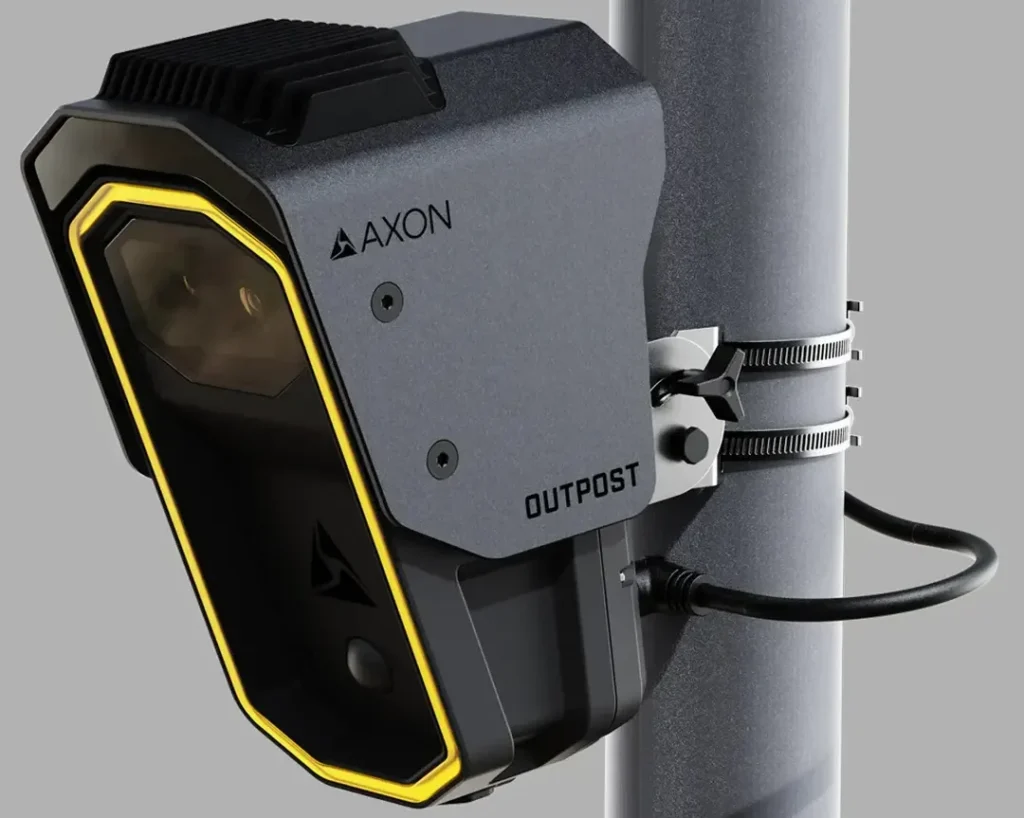
After weeks of delay, the Denver City Council narrowly approved a one-year $150,000 contract with Axon for 50 automated license plate-reading cameras and the necessary system hardware, replacing the city’s former vendor, Flock. The 7-6 vote came during Tuesday’s regular...

Colorado leaders weigh next steps after Supreme Court rejects state ban on ‘conversion therapy’
Marissa Ventrelli
marissa.ventrelli@coloradopolitics.com
Updated 14 hours ago
Colorado leaders said they are weighing next steps after the U.S. Supreme Court on Tuesday rejected the state’s ban on “conversion therapy” for children, as critics and supporters cheered or lambasted the ruling. The court’s near-unanimous decision called the Colorado...
Aurora homeless shelter opened too early, CEO says, as mold and plumbing issues emerge
Kyla Pearce
kyla.pearce@gazette.com
Updated 31 minutes ago
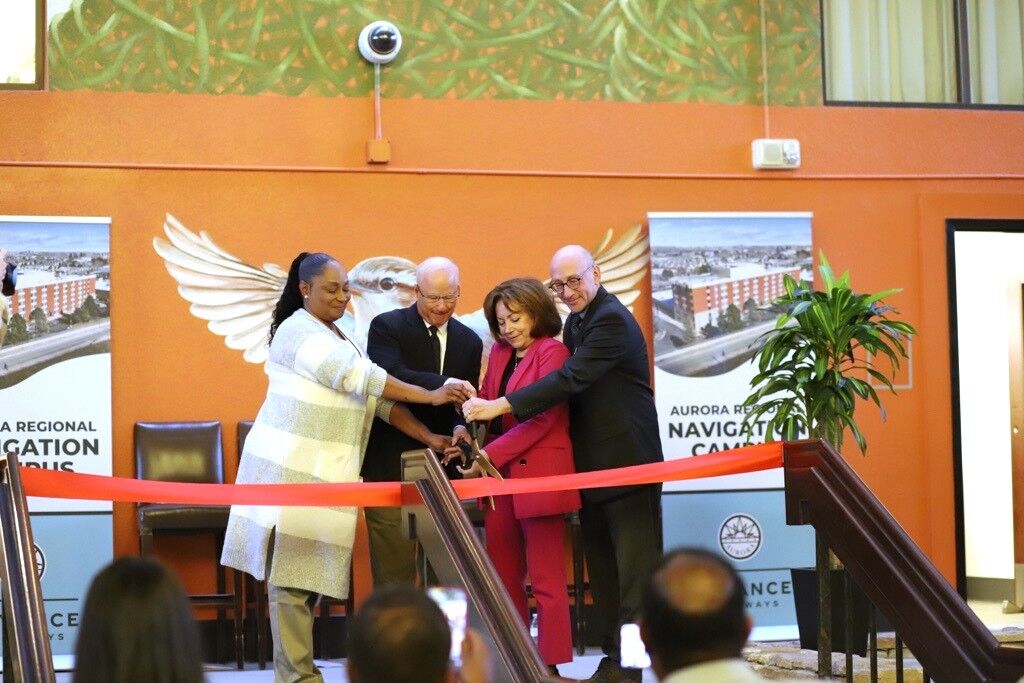
Aurora’s largest homeless services project launched “way too early,” its CEO told city leaders Tuesday, saying the rushed opening left residents living amid mold, plumbing failures, and other issues inside the former hotel. During Tuesday’s Housing, Neighborhood Services and Redevelopment...

Gov. Polis declares April ‘dig safely month’ to mark 40th anniversary of Colorado 811
Scott Weiser
scott.weiser@gazette.com
Updated 2 minutes ago
Gov. Jared Polis declared April 2026 as “Dig Safely Month” in Colorado, an annual observance that this year highlights the 40th anniversary of Colorado 811, the state’s One-Call Notification System. “Before everyone starts their warm weather projects around the house,...
Federal judge dismisses U.S. government lawsuit against Colorado, Denver’s ‘sanctuary’ laws
Michael Karlik
michael.karlik@coloradopolitics.com
Updated 13 hours ago
A federal judge dismissed the U.S. government’s lawsuit against Colorado and Denver on Tuesday, which alleged that various local policies impermissibly infringed on federal immigration enforcement. U.S. District Court Judge Gordon P. Gallagher followed the lead of judges in Illinois...

Denver proposes yearlong moratorium on new data centers
Deborah Grigsby
deborah.smith@denvergazette.com
Updated 16 hours ago
As Denver Water calls for a 20% reduction in water use during Stage 1 drought conditions, City Council members advanced a bill to rein in one of the largest water users — data centers — by proposing a yearlong moratorium...
Lakewood zoning canvasser accused of stealing opposition material
Sage Kelley
sage.kelley@denvergazette.com
Updated 6 minutes ago
Controversies surrounding the Lakewood special election continue, with the latest including allegations of sign-stealing. The city’s special election regarding already approved zoning changes is occurring on April 7 and — along with more than a year of contention between opponents...

Federal judge finds DOJ adequately searched for, disclosed records related to Bidens
Michael Karlik
michael.karlik@coloradopolitics.com
Updated 18 hours ago
A federal judge determined on Friday that the U.S. Department of Justice adequately searched for and disclosed records to a Colorado attorney in response to his request for documents related to former President Joe Biden’s son and brother. In November...

Colorado lawmakers push legislation to shrink RTD board, increase pay as ridership struggles continue
Marissa Ventrelli
marissa.ventrelli@coloradopolitics.com
Updated 18 hours ago
Colorado lawmakers are advancing a new push to overhaul the Regional Transportation District, proposing to shrink the board, raise member pay, and boost ridership back to pre-pandemic levels. While some stakeholders see the effort as a step forward, others warn...

Appellate court slap downs in Trump cases highlight mounting tension in the judiciary
Jack Birle, Washington Examiner
jack.birle.washington.examiner@gazetteedit.wpenginepowered.com
Updated 20 hours ago
The Trump administration has won key reversals of lower court rulings against it in appeals courts — many of which have sharply rebuked the district court’s earlier rulings, highlighting growing tensions within the judiciary. Since January 2026, federal appeals courts...
PREV
PREVIOUS

Colorado lawmakers give green light to bill prohibiting adult use of cellphones while driving
A Senate committee Monday gave approval to a measure that will require adults to use hands-free cellphone devices or face harsher penalties for talking on a cellphone while driving. Senate Bill 65 is the latest incarnation of efforts by lawmakers who have been trying for at least 15 years to require adult drivers to keep […]

Colorado lawmakers work to increase penalties for sex trafficking crimes
Colorado lawmakers are attempting anew to tackle human trafficking, with two bipartisan bills that would impose heavier penalties for those who engage in trafficking headed for committee hearings in the next 10 days. The two bills include House Bill 1092 and Senate Bill 035, which, if passed, would enact stricter punishments for suspects found guilty of sex trafficking crimes. […]