

A bill to designate nuclear energy as clean energy dies in committee
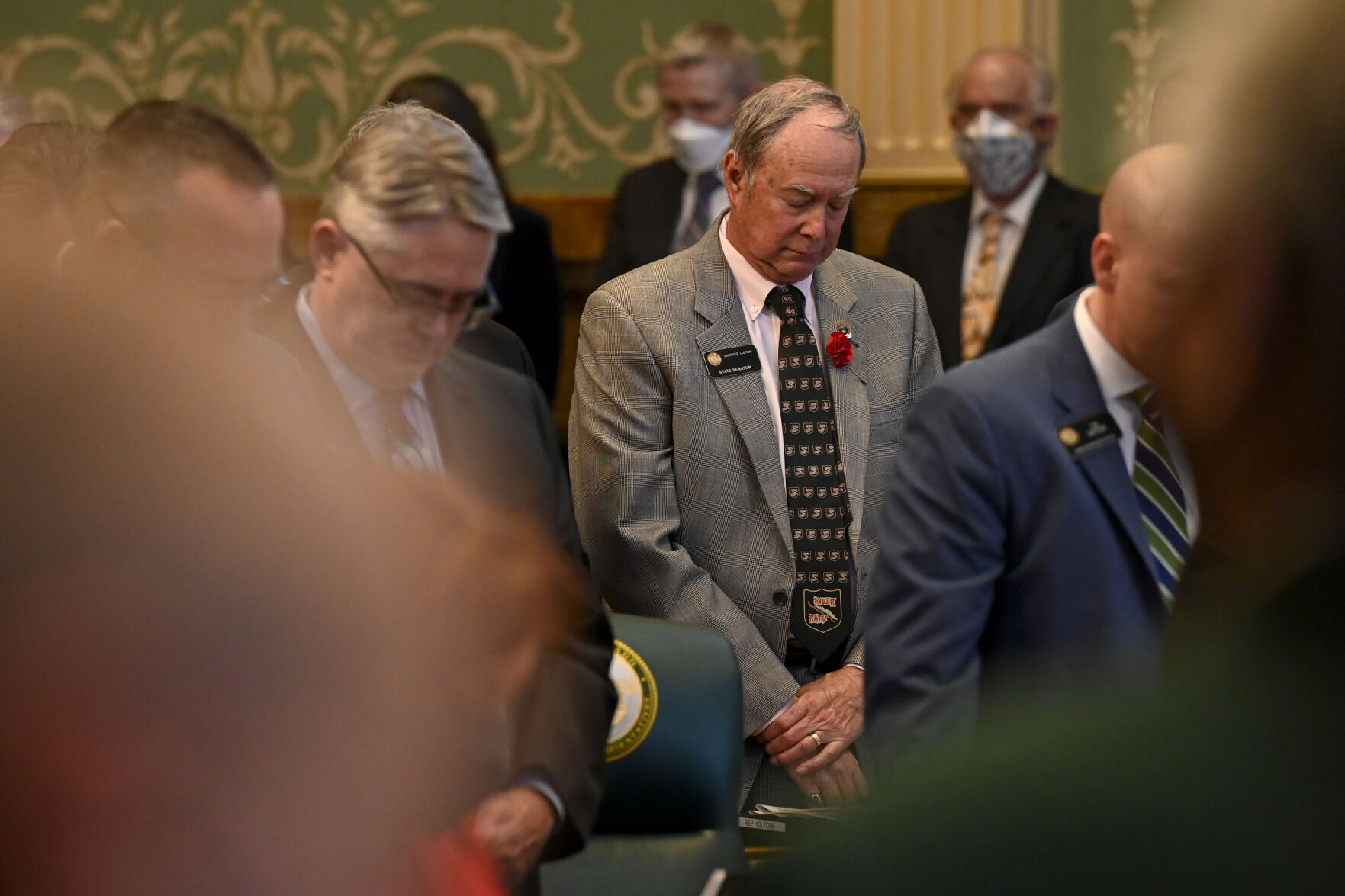
A Senate bill that would have defined nuclear energy as clean energy died along party lines in committee Thursday.
Introduced by Sen. Larry Liston, R-Colorado Springs, SB24-039 would have included nuclear energy in the statutory definition of clean energy sources, thus rendering it eligible for clean energy project funding. During discussion, opponents said such a designation would have a negative impact on the environment, while proponents listed the benefits of using nuclear energy.
After length discussion, the Senate Committee of Transportation and Energy voted 4-3 to kill the measure.
“It is our responsibility to lay the groundwork for the development of reliable and renewable energy for future generations to come, and this bill would have done exactly that,” said Liston upon the bill’s defeat. “Nuclear energy is clean, reliable, sustainable, and safe. By correctly defining it as such, we would have invited its development and ultimate deployment.”
According to the bill, nuclear energy is the largest source of carbon-free electricity generation in the U.S.
Grace Stanke, a nuclear engineer and Miss America 2023, served as the star witness in favor of the bill. She addressed the preconceived notions many people have about nuclear energy due to disasters like Chernobyl and Three Mile Island by citing an OSHA report that found only eight industries to be safer than nuclear power. Stanke emphasized the advancements made in nuclear technology in the past several decades and highlighted the economic opportunities that investing in nuclear energy could offer to the state, as outlined in the bill.
“This is a bipartisan issue now. This is not one-sided,” she said. “Whether you care about climate change and creating emissions-free energy, or whether you care about building communities with incredibly high paying jobs at a nuclear power plant. The science is there, we just need to give it the green light to let this happen.”
While the bill itself does not call for the construction of any nuclear plants in the state, testimony from several witnesses both for and against the bill referenced the Comanche 3 Power Plant in Pueblo. The coal plant has been slated for retirement by 2031. An advisory committee established by the plant’s partial owner, Xcel Energy, recently proposed converting it into a nuclear site upon its closure. The committee considered a total of 12 different energy generation technologies, including carbon capture and solar energy, but it concluded that nuclear would generate the most tax revenue and jobs. The committee’s recommendation is currently pending approval by Xcel.
Ean Tafoya of the environmentalist organization GreenLatinos claimed that the committee selected in Pueblo was “stacked” with people in favor of nuclear power. He also highlighted the the historical context of environmental racism rooted in placing nuclear power plants in low-income and Indigenous communities.
Other opponents of the bill expressed their concern with the high costs and negative environmental impact associated with nuclear power plants.
Paul Sherman of Conservation Colorado spoke of the harmful nature of nuclear waste, saying it is highly radioactive and can cause harm to both humans and the environment centuries after its disposal.
“Between the cost and and feasibility of building new reactors and the lack of waste management solutions, investing in nuclear energy worsens the climate crisis because it redistributes money that could be used to invest in more efficient forms of energy, like solar and wind, whose efficiency and climate protection are proven,” he said.
Alana Miller of the Natural Resources Defense Center advocated for the use of safer and more cost-efficient clean energy sources when voicing her opposition for the bill.
“Putting attention and resources into this speculative technology threatens to undermine less expensive climate solutions that are available today to reduce emissions from Colorado’s energy sector,” she said. “Nuclear power derived by fission is not clean and should not be labeled as such by Colorado statute. For nuclear power to play any role in a clean energy future, it must address the challenges of cost, environmental radiation, nuclear waste, and nuclear weapons proliferation. Absent a pathway to meet those challenges, nuclear fission is a false solution for Colorado to act on climate.”
Adam Eckman, President and CEO of the Colorado Mining Association, spoke in support of using nuclear power in conjunction with other energy sources to diversify the state’s energy portfolio. He said nuclear energy “helps compliment other energy sources by providing baseload power and driving down overall energy prices. Nuclear energy is a vital component of Colorado’s carbon emissions reduction goals.”
Liston urged his fellow committee members from both parties to advance the bill to the floor for broader discussion.
“I can guarantee you that members on both sides of the aisle want this bill and are keenly interested in this bill,” he said. “I’m glad that Democrats are supporting this, I’m glad that Republicans are supporting this, as we should. I’m not supporting this as a Republican. I’m supporting this as a person who is also concerned about our environment here in Colorado.”
Fellow Republican, Sen. Byron Pelton of Sterling, voted to pass the bill along, stating, “we’ve been told several times on our side of the aisle to trust the science in climate change. Well, I’m asking to trust the science that nuclear energy is clean energy, and I think that that is a fair thing to ask in this situation.”
The third and final Republican on the committee, Sen. Cleave Simpson of Alamosa, also voted in favor of the bill but the committee’s four Democrats voted against it.
“I’m not saying no to nuclear energy,” Sen. Lisa Cutter, D-Littleton, said, adding that she was hesitant to vote for the bill because she’s concerned about the effects of nuclear waste.
Liston ran a similar bill during the 2023 session, which also died in committee.


Trump administration seeks to roll back protections for imperiled species | OUT WEST ROUNDUP
The Associated Press
the-associated-press@coloradopolitics.com
Updated 3 days ago
MONTANA Endangered species rollback sought BILLINGS — President Donald Trump’s administration moved on Nov. 19 to roll back protections for imperiled species and the places they live, reviving a suite of changes to Endangered Species Act regulations from the Republican’s...
Clash of the titans: Democratic race for governor pits two candidates similar in focus, but very different in style | Vince Bzdek
Vince Bzdek
vince.bzdek@gazette.com
Updated 8 hours ago
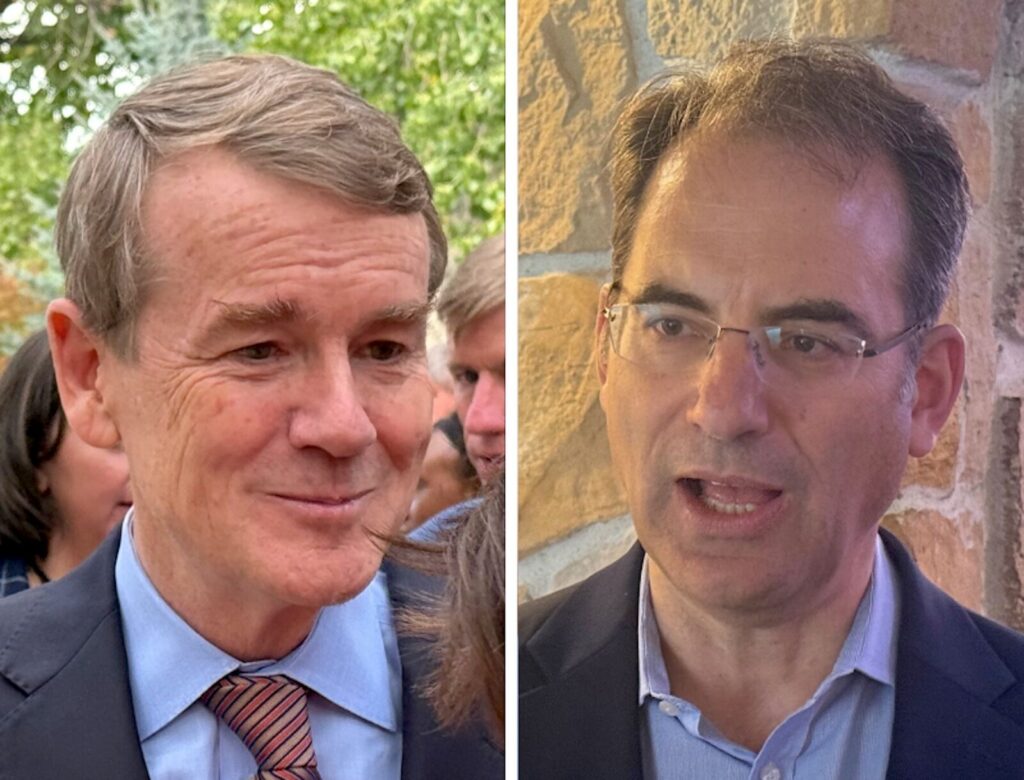
By Vince Bzdek The race for governor is shaping up to be a clash of Democratic titans, U.S. Sen. Michael Bennet and Attorney General Phil Weiser. They are two of Colorado’s highest profile politicians with deep track records who...

Calendar Dec. 8-14
Rachael Wright
rachael.wright@coloradopolitics.com
Updated 4 days ago
CoPo’s weekly political calendar will help you find political and public-policy events throughout Colorado. It includes candidate and issue campaign events, public policy meetings, court hearings, state and local party conventions, assemblies, debates, rallies, parades, speaking engagements, traveling dignitary appearances,...
GOP chair candidates circle Benson, statehouse candidate alleges SOS voter fraud | A LOOK BACK
Rachael Wright
rachael.wright@coloradopolitics.com
Updated 4 days ago
Thirty-Five Years Ago This Week: Although Colorado Republican Party Chairman Bruce Benson had told one of his predecessors that he hadn’t yet made up his mind as to whether he’d run for a third term, party insiders had already begun...
Dear Abby: A better answer to your question | SONDERMANN
Eric Sondermann
eric-sondermann@coloradopolitics.com
Updated 2 days ago
It was the beginning of October. I had been invited to speak to a class on political journalism at Colorado College, my old alma mater. The class was taught by none other than Vince Bzdek, the editor-in-chief of this paper...

Federal judge declines to order Denver to let police critic apply for review board
Michael Karlik
michael.karlik@coloradopolitics.com
Updated 5 hours ago
A federal judge declined on Friday to order that Denver permit a longtime police critic to apply to join the board tasked with reviewing officers’ use of force. Regan Benson sought to become one of the two community members on...
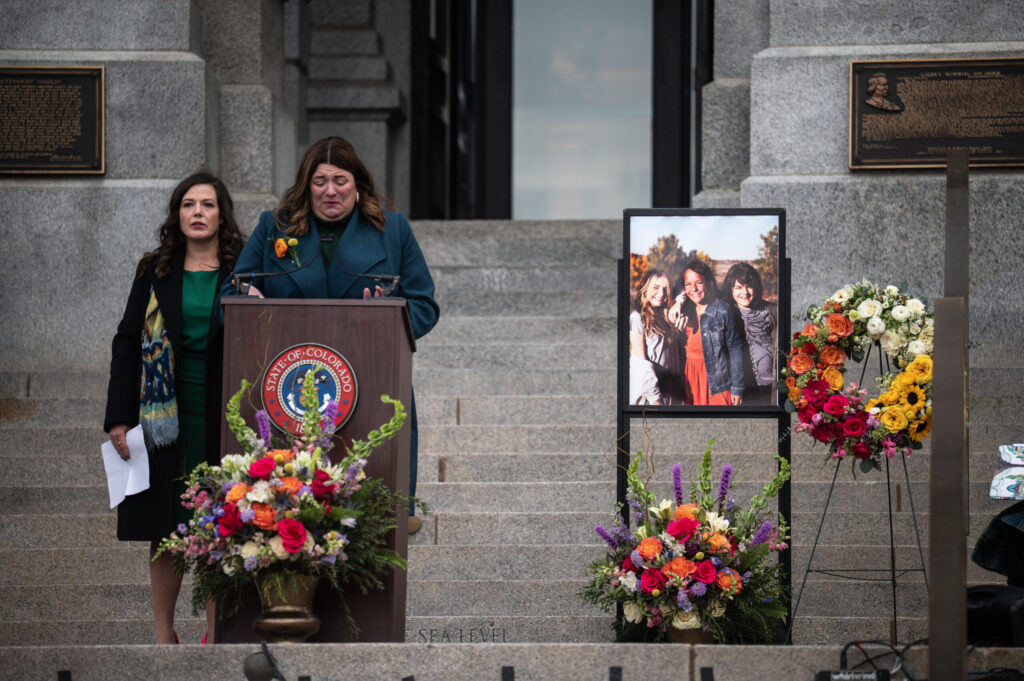
Flags lowered, colors raised: Colorado leaders and friends celebrate Sen. Faith Winter’s life
Marianne Goodland
marianne.goodland@coloradopolitics.com
Updated 2 days ago
It was the colors that stood out as hundreds braved the cold on Friday to celebrate the life of Sen. Faith Winter, who died in a two-car crash on Nov. 26. Flags at the state Capitol flew at half-staff at...
Colorado Supreme Court to hear case on ballot measure disclosure requirements
Marissa Ventrelli
marissa.ventrelli@coloradopolitics.com
Updated 2 days ago
The Colorado Supreme Court has agreed to hear a case challenging whether the state can require ballot measure committees to disclose the names of their registered agents in election communications. The case stems from a complaint filed during the 2020...
Divided 10th Circuit orders pretrial release of defendant facing drug charges
Michael Karlik
michael.karlik@coloradopolitics.com
Updated 2 days ago
The Denver-based federal appeals court overturned a judge’s order keeping a defendant in custody pending trial on Friday, ruling 2-1 that she was entitled to release under the law. Erika Esmeralda Garcia stands accused of two charges related to the...
Trump finally gets his peace prize as FIFA hands him inaugural award at World Cup draw
Christian Datoc and Mabinty Quarshie, Washington Examiner
christian.datoc.and.mabinty.quarshie.washington.examiner@gazetteedit.wpenginepowered.com
Updated 2 days ago
President Donald Trump has long said he is unbothered by being snubbed for a Nobel Peace Prize. However, that did not stop his friend and FIFA President Gianni Infantino from handing him an award and a medal on Friday, seemingly created just...
PREV
PREVIOUS

Denver council member disputes claims against her in money mismanagement investigation
Denver’s District 7 Councilmember Flor Alvidrez disputed a complaint claim that prompted an ethics board investigation whether taxpayer dollars she spent were legally sanctioned purchases. The Denver Gazette, via a Colorado Open Records Act request, received a complaint claim by the Denver Ethics Board sent to them by Alvidrez’s former aide, Leya Hartman. The claim […]

Appeals court clarifies standards for no-contact orders involving children
Colorado’s second-highest court clarified last month that judges need to account for certain factors when deciding whether to loosen a defendant’s no-contact order against a child, and an El Paso County judge did not consider the proper criteria when refusing to modify the restrictions. Under state law, judges impose protection orders, also known as restraining […]