

With Denver at a breaking point from illegal immigration, mayor heads to DC to plead for action
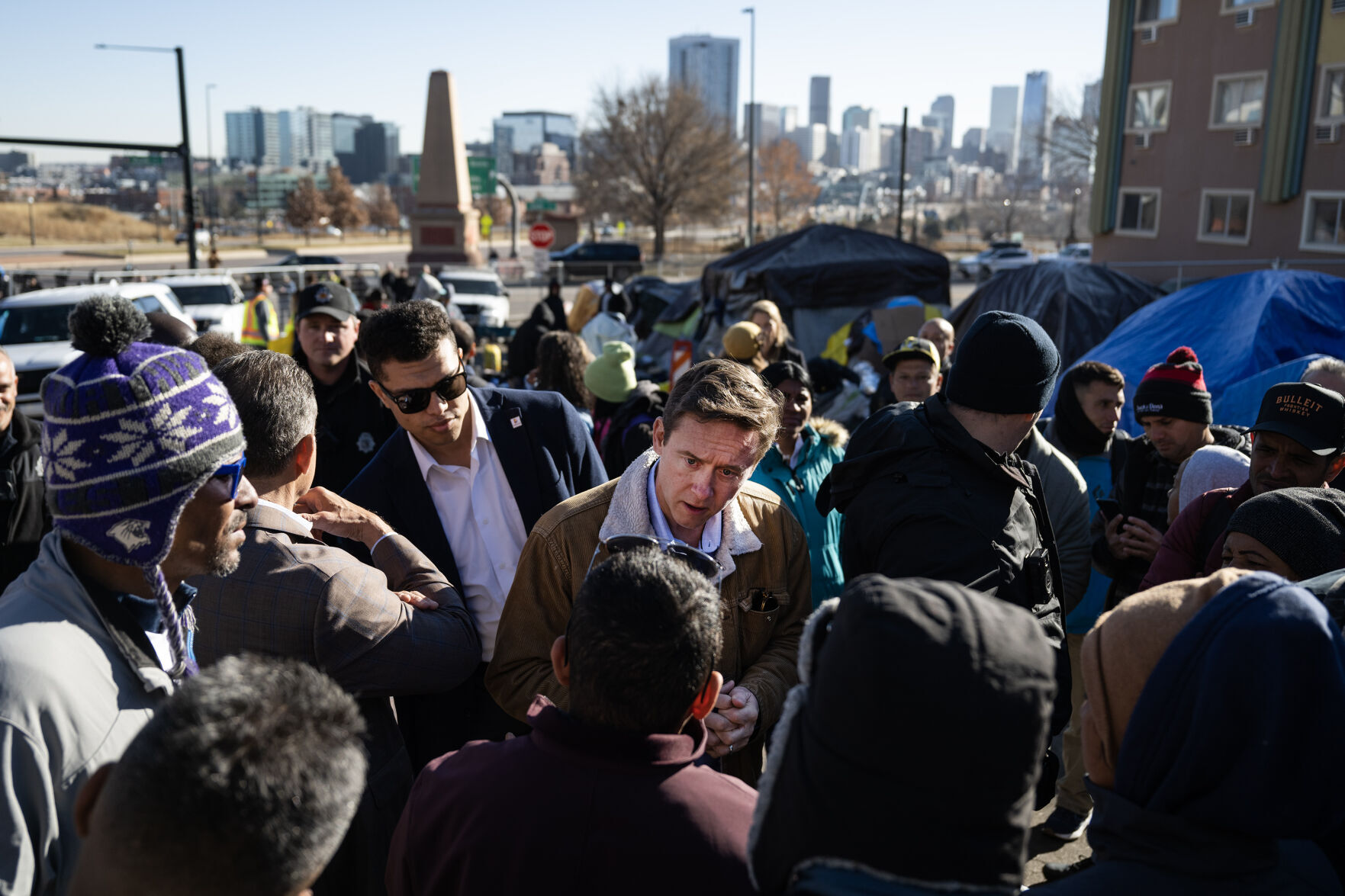
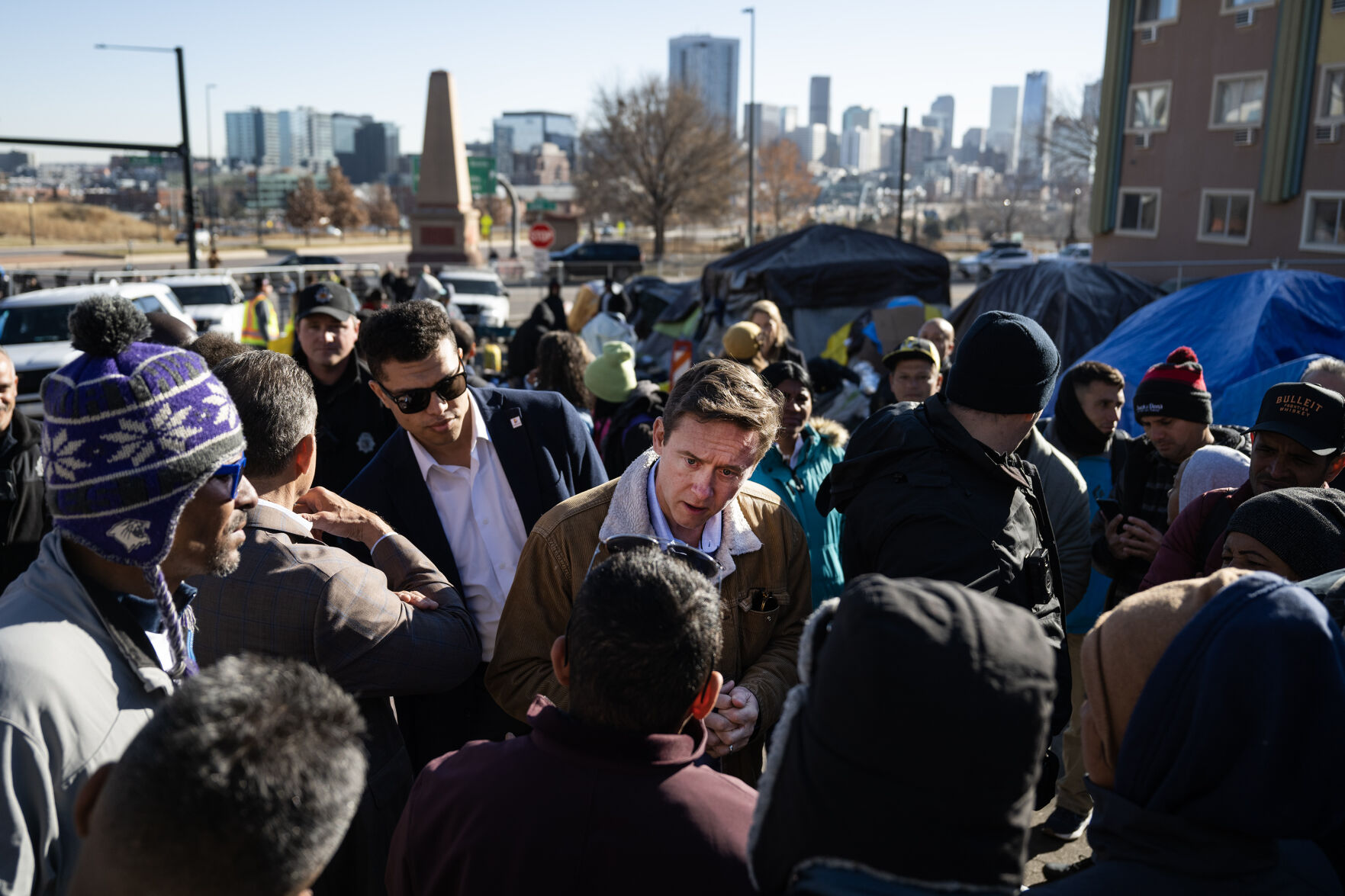
Denver Mayor Mike Johnston plans to travel to Washington, D.C. this week – his second in as many months – to press White House and federal officials for a concrete solution to the illegal immigration crisis that’s threatening to consume hundreds of millions of dollars of the city’s budget.
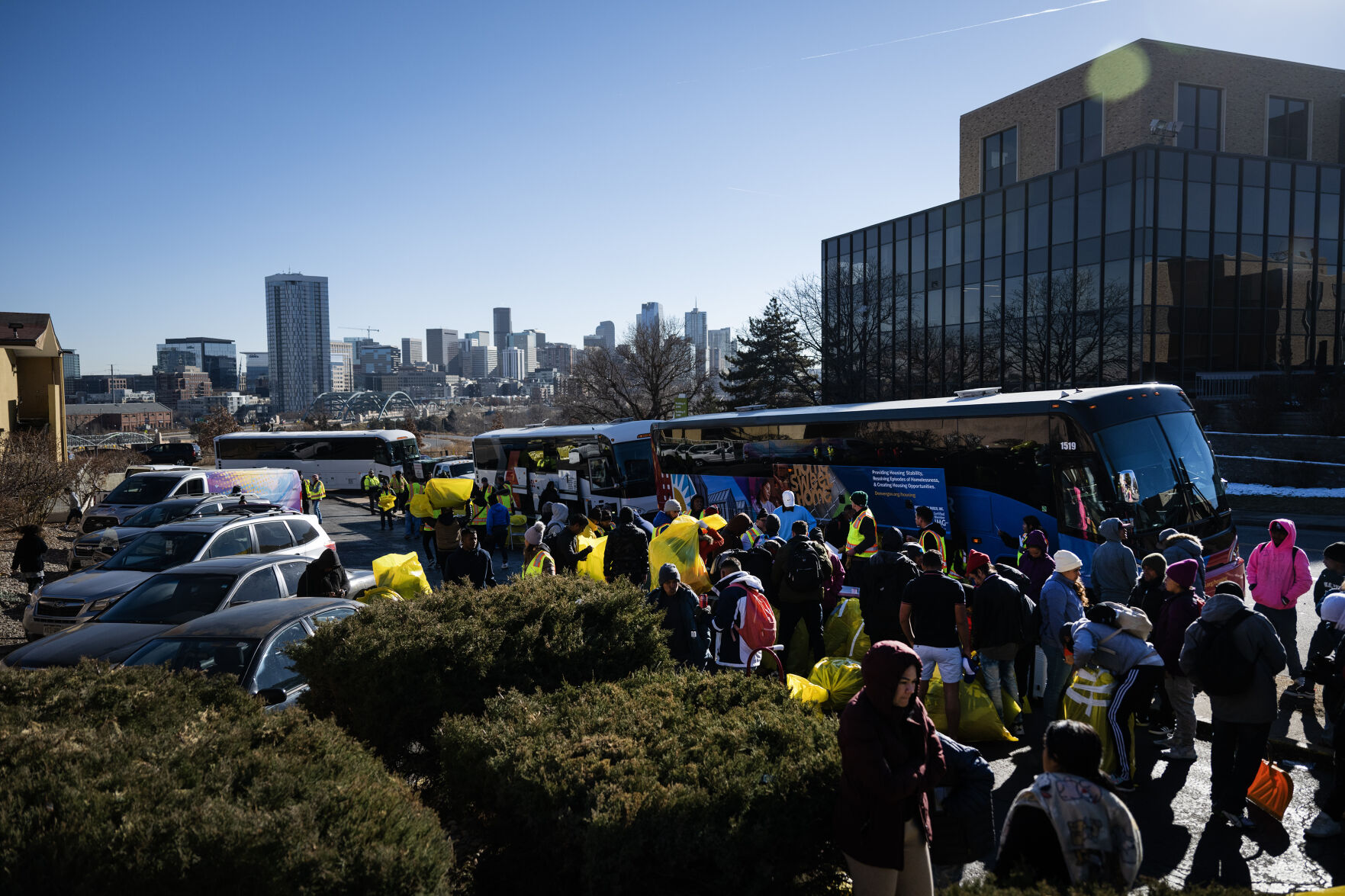
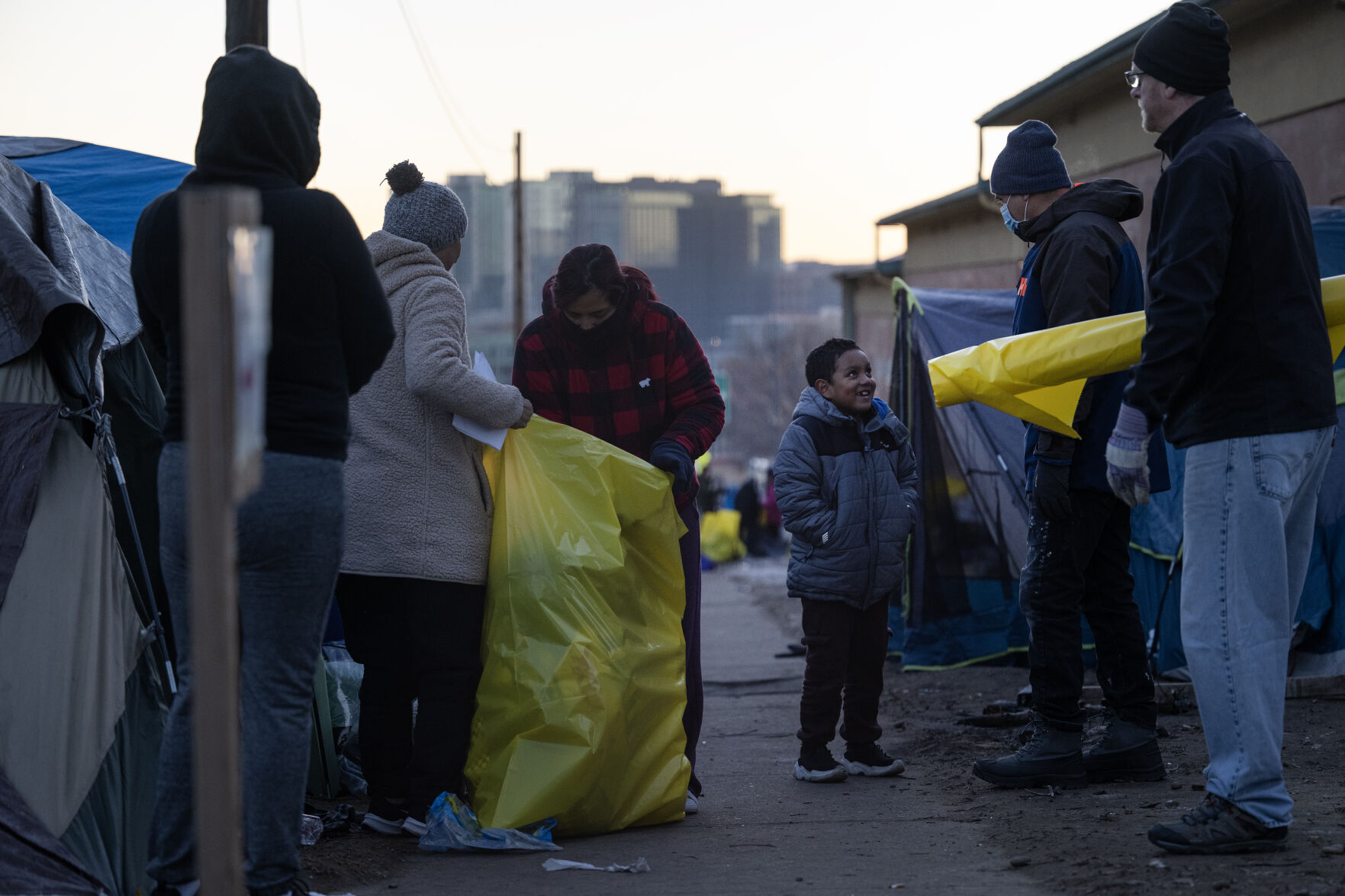
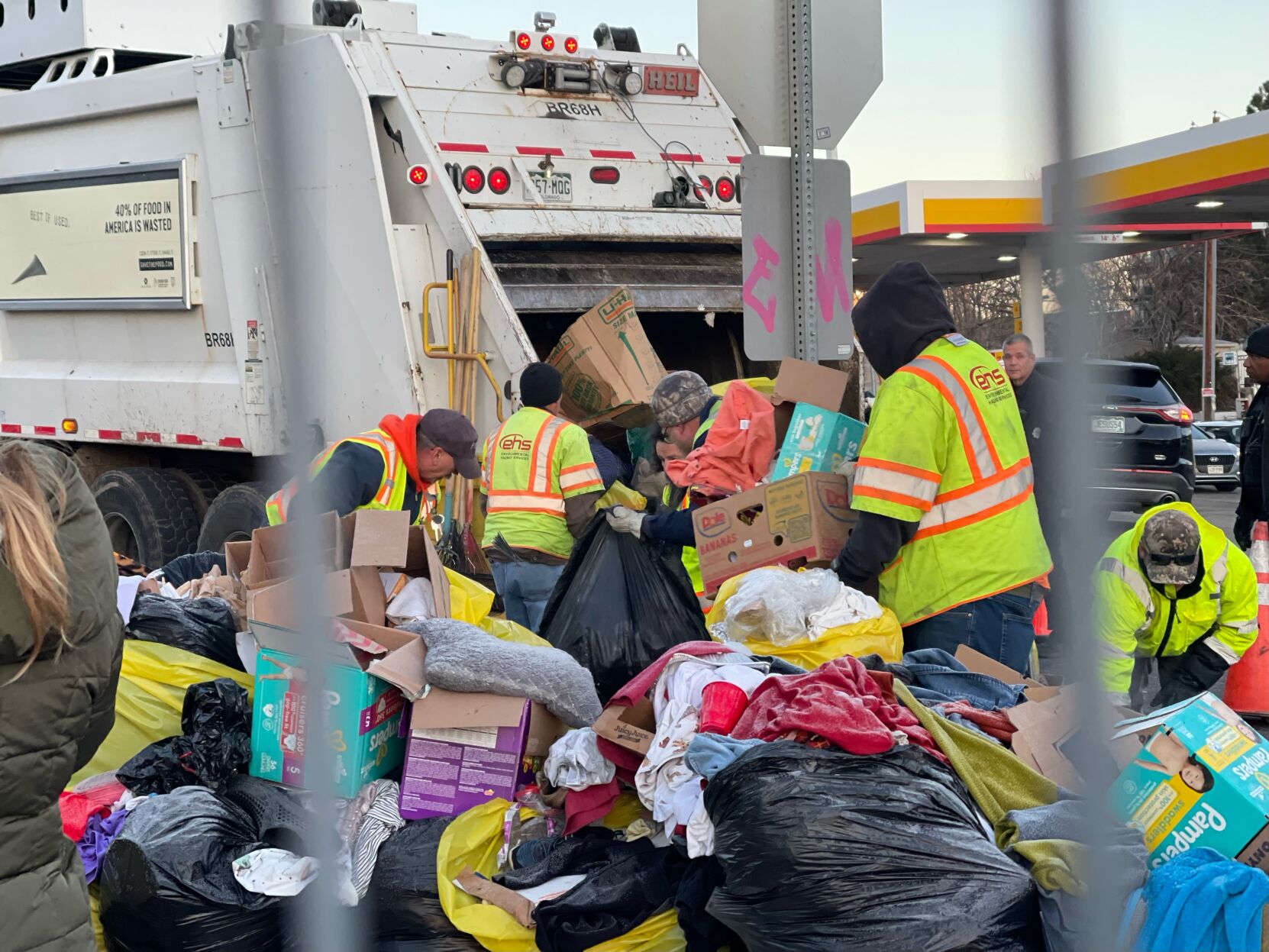
Denver’s mayor earlier said if the current influx of immigrants persists, the city could be spending $180 million this year. In the past year, the city burned through $38 million to accommodate the more than 37,000 immigrants who illegally crossed America’s southern border and arrived in Denver.
Worried about how to pay for the immigrants’ food and shelter, Johnston asked the city’s agency heads to evaluate their budgets and come up with up to 15% in cuts.
Johnston is headed for D.C. to attend the U.S. Conference of Mayors’ three-day winter meeting that starts on Wednesday. About 250 mayors from across the country are expected to attend the event, where immigration, along with housing and homelessness and public safety, will likely take center stage.
In a news release, the mayor’s office said Johnston will meet with White House and administration officials, congressional members, and fellow mayors to “pursue solutions that will help manage this crisis, including increased work authorization, a coordinated entry program, and more federal dollars for cities.”
Biden administration officials hosted mayors at the White House last November to discuss how to manage the soaring number of immigrants who have been arriving at America’s interior cities, one day after those leaders sent a letter asking for more federal help.
Johnston and Chicago Mayor Brandon Johnson met with White House Chief of Staff Jeff Zients and Homeland Security Department officials before heading to Capitol Hill for meetings with lawmakers.
“I had a good series of conversations,” Johnston, who led the coalition, said of the November meeting. “I think we shared our sense of urgency and we shared this belief that we need funding, but really what we want is a longer-term solution.”
Other Democratic mayors who signed the letter to President Joe Biden included Karen Bass of Los Angeles, Sylvester Turner of Houston and Eric Adams of New York.
Biden has requested $1.4 billion from Congress to help state and local governments provide shelter and services for migrants, after earlier pleas from Democratic mayors and governors.
But Johnston and the other mayors have asked for $5 billion, along with making work authorizations available quicker and to anyone who is allowed into the United States. They also pitched an approach to managing the immigrants, mirroring how Ukrainian refugees were settled.
Johnston said many people are in shelters and straining budgets because they lack the ability to work. If they could work, the cities would require less federal aid to help house them, he said.
Local officials have speculated immigrants are drawn to Colorado’s most populous city because of its relative proximity to the Mexico border, while others believe its status as a “sanctuary city” is drawing them to Denver.
The tens of thousands of immigrants who illegally crossed America’s southern born and ended up in Denver have amplified the city’s rampant homelessness, resulting in an unprecedented crisis that has already cost a combined $83 million – $45 million to house the city’s own homeless population, plus $38 million to accommodate the immigrants – and left councilmembers “desperate” for a solution.
The councilmembers echoed Johnston’s warning that the city faces a breaking point. Some worry that the mayor’s cost projection will ultimately be insufficient. One local official acknowledged that Denver’s image as a “welcoming city” has “consequences” – but because the city cannot stop the influx of immigrants, it has translated into a “feeling of powerlessness.”
“We are desperate for federal help,” District 5 Councilmember Amanda Sawyer told The Denver Gazette. “I’m concerned about having to come to a financial point where we might have to reduce services that we’re providing to our tax-paying residents.”
Denver mayor tells agency heads to ready budget cuts to pay for $180M cost of immigrants
The Denver City Council, which holds the city’s purse strings, said the immigration and homelessness crises have put the city under tremendous fiscal strain.
“We also want to be a welcoming community,” Sawyer said. “The problem here at the end of the day is the federal government has failed us 100%.”
The mayor’s $180 million projection translates to more than $500 per Denver household, according to a report from the Common Sense Institute.
The report said if Johnston’s projection played out in real time, it would equal the budget of the Department of Community and Behavioral Health by January at a cost of $15 million. By March, spending could reach $44.1 million, equal to the funding for the Denver District Attorney’s Office.
It would reach $59.8 million by April, the same amount as the Department of Transportation’s operations.
By July, the expense would stand at $103.2 million – the same amount as the funding for Denver County’s jail operations managed by the sheriff.
By September, it would equal all of transportation and infrastructure spending at $135 million.
By October, the spending would hit $152.2 million, the amount allocated for the Denver Police Patrol Districts Division.
And, by December, it would reach $181 million, equal to the funding for the Department of Parks and Recreation and Cultural Facilities, plus the Office of Human Services, the report said.
The projection doesn’t include spending by nonprofits, hospitals and emergency systems, the report said, adding that Denver Health, for example, noted a surge in the number of patients from Central America.
Sawyer, the councilmember, fears that Denver’s spending on the immigration crisis will likely exceed Johnston’s $180 million estimate.
“We have taken the position that we are a welcoming city to everyone,” Sawyer told The Denver Gazette last week. “Yes, that has consequences. We accept those consequences. To accept those consequences, but not have any ability to change the situation we’re in right now, gives me a feeling of powerlessness.”
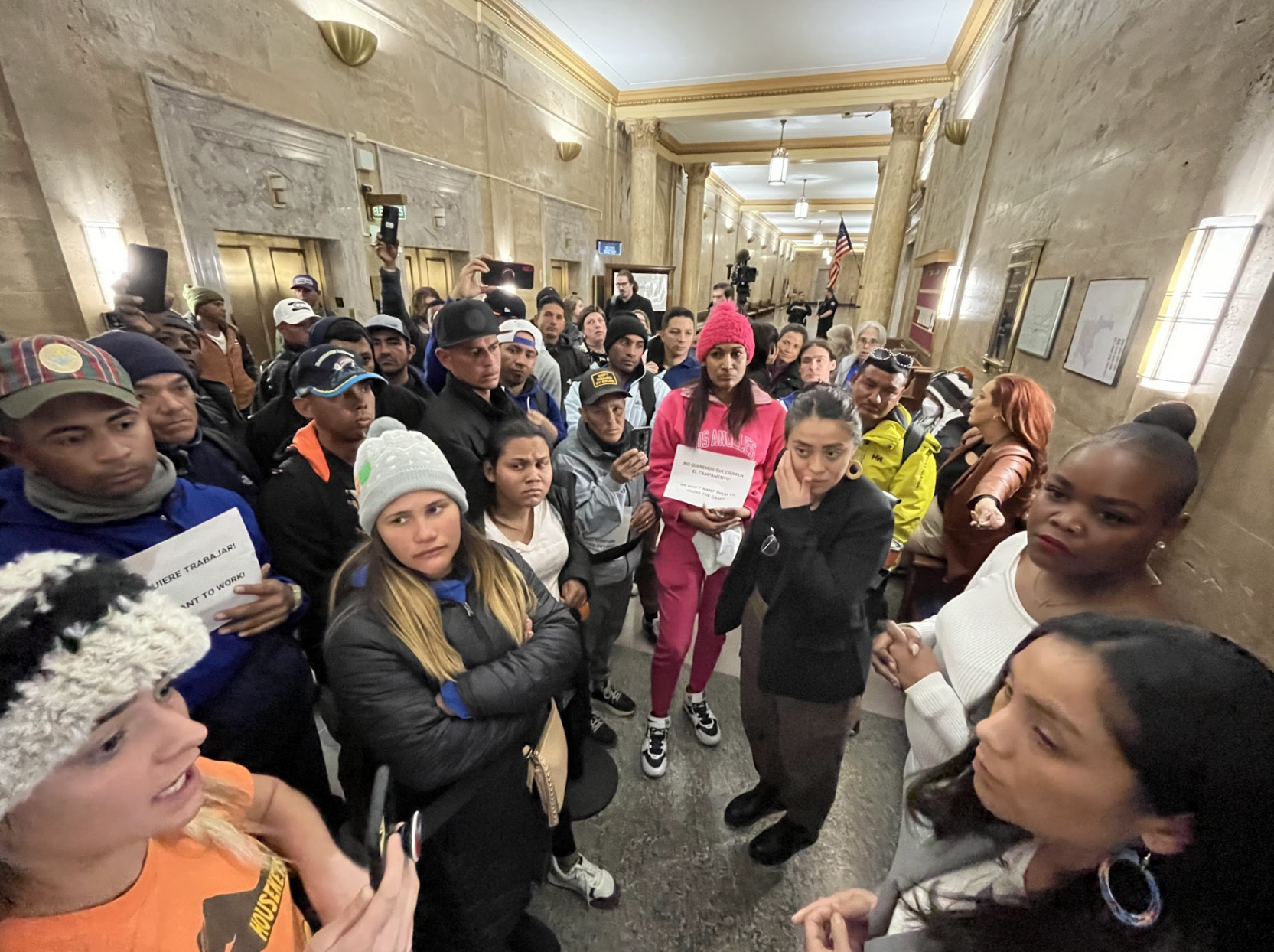
Homeless and jobless, immigrants ask Denver City Council to help them get work permits
Reporters Nico Brambila and Noah Festenstein, and the Associated Press, contributed to this article.



dennis.huspeni@gazette.com


Colorado to get $615M from Meta child safety settlement
Thelma Grimes
thelma.grimes@coloradopolitics.com
Updated 6 hours ago
The parent company of Facebook and Instagram will pay hundreds of millions of dollars to Colorado, part of an $18 billion multistate deal, in which the company also agreed to adopt extensive child-safety changes to its operations. The settlement ended...
Colorado’s chief federal judge orders return of wrongfully deported man, second judge to explore ‘series’ of violations
Michael Karlik
michael.karlik@coloradopolitics.com
Updated 9 hours ago
Colorado’s chief federal judge took the extraordinary step of directing the government on Tuesday to do everything it can to return a man it deported in violation of his order. At the same time, Colorado’s chief magistrate judge has set...

Counties warn CPW that new comment limits sideline local governments
Marianne Goodland
marianne.goodland@coloradopolitics.com
Updated 7 hours ago
The September meeting of the Colorado Parks and Wildlife Commission will feature newly revised public‑comment rules — changes introduced by chair Jay Tutchton of Bent County, who announced them without first discussing the revisions publicly with the rest of the...

Controversial two-bag furbearer limit heads to CPW meeting under legal threat
Marianne Goodland
marianne.goodland@coloradopolitics.com
Updated 7 hours ago
Next week’s Colorado Parks and Wildlife Commission meeting in La Junta is likely to open under the cloud of threatened legal action. Safari Club International and the Sportsmen’s Alliance Foundation warned the commission this month that its July vote imposing...

Golden to pay $155,000 to fired city manager
Matt Kyle
matt.kyle@denvergazette.com
Updated 9 hours ago
The Golden City Council on Tuesday approved a roughly $155,000 severance payout to former city manager Scott Vargo, who was fired earlier this month following a “racist incident” at a city fire station. The payout is part of a separation...

Trump says the US doesn’t need Canada. America’s economy says otherwise.
The Associated Press
the-associated-press@coloradopolitics.com
Updated 10 hours ago
TORONTO (AP) — U.S. President Donald Trump says his country does not need Canada. But every day, roughly 4 million barrels of Canadian crude oil flow south, helping fuel American cars, trucks and airplanes and supply U.S. industry. And oil...
USPS ballot rule faces lawsuit from Colorado, other states
Thelma Grimes
thelma.grimes@coloradopolitics.com
Updated 8 hours ago
Colorado, along with 25 other states, filed a lawsuit against the U.S. Postal Service to challenge a new rule that seeks to restrict the mailing of ballots to American citizens in an eligible voters list. Colorado relies heavily on the...

FDA approves landmark pancreatic cancer drug that’s shown to improve survival
The Associated Press
the-associated-press@coloradopolitics.com
Updated 10 hours ago
WASHINGTON (AP) — The Food and Drug Administration on Wednesday approved a groundbreaking new drug for advanced pancreatic cancer, offering U.S. patients a more effective treatment against one of the deadliest types of cancer. FDA officials gave expedited approval to...

Trump defends pause on beef tariffs: Prices are ‘coming down very rapidly’
Naomi Lim
naomi-lim@coloradopolitics.com
Updated 13 hours ago
President Donald Trump defended his decision to pause tariffs on some beef imports, even as Republicans criticize the decision. “Prices are coming down very rapidly, and now beef is starting to come down,” Trump told The Glenn Beck Program on...
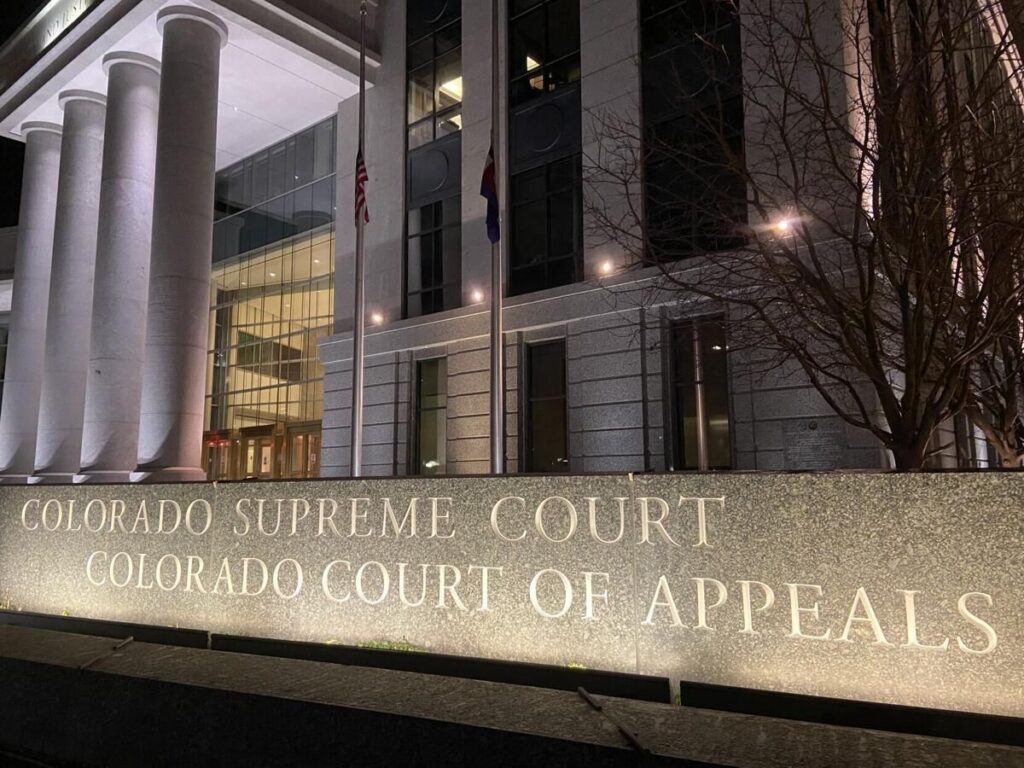
Denver murder, assault convictions reversed due to faulty jury instructions
Michael Karlik
michael.karlik@coloradopolitics.com
Updated 7 hours ago
Colorado’s second-highest court reversed a defendant’s convictions for murder and assault last week after concluding a Denver judge incorrectly omitted key jury instructions that could have affected the verdict and sentencing. Stephen C. Swainson fatally stabbed Israel Casillas in downtown...
PREV
PREVIOUS

Cold snap closes Colorado General Assembly's Tuesday session
The Colorado General Assembly will not meet on Tuesday due to frigid weather conditions, according to an announcement from Senate and House Democrats. The legislature will resume its business on Wednesday at 9 a.m. Plunging temperatures have blanketed Colorado in the last several days. Metro Denver will subzero temperatures – as low as negative 10 degrees – […]
Trump wins Iowa caucuses, DeSantis edges Haley; Denver mayor goes to DC to plead for action on illegal immigration | WHAT YOU NEED TO KNOW
Today is Jan. 15, 2024, and here’s what you need to know: Former President Donald Trump scored a record-setting win in the Iowa caucuses on Monday with his rivals languishing far behind, a victory that sent a resounding message that the GOP’s 2024 presidential nomination is his to lose. Trump was on track to set […]