

WATCH: Colorado releases five gray wolves in Grand County

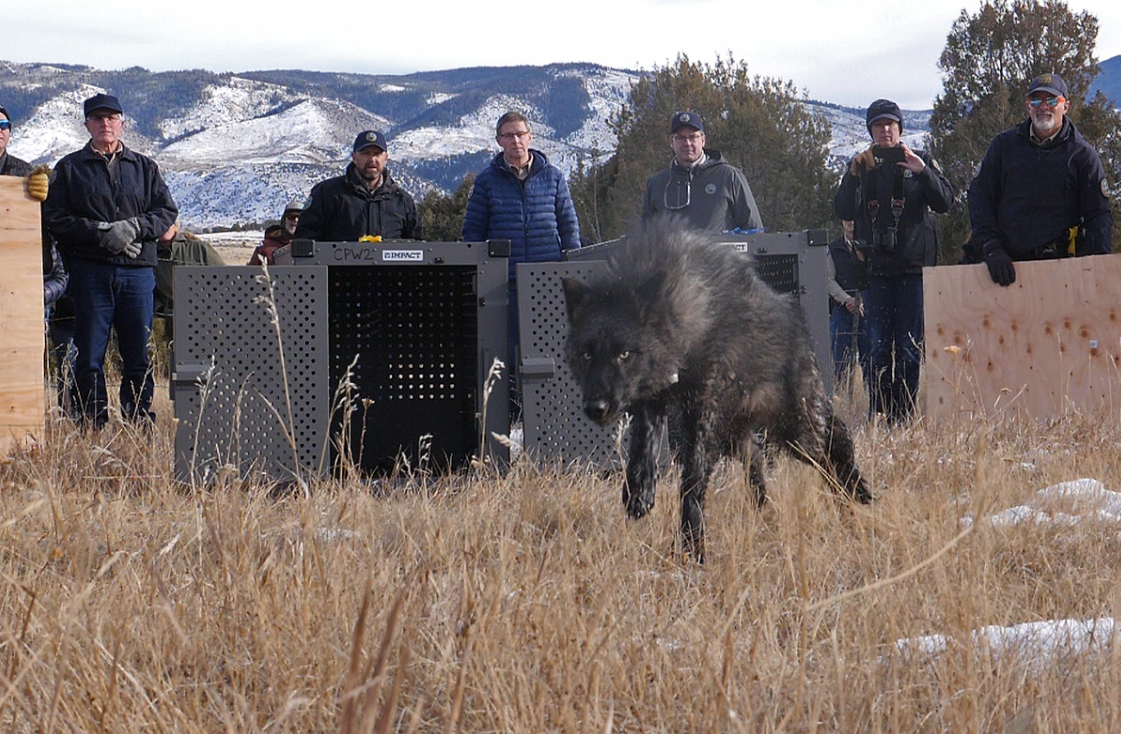
Colorado Parks and Wildlife released five gray wolves onto public land in Grand County Monday evening. (Video footage shot by Jerry Neal, Colorado Parks and Wildlife)
Wildlife experts on Monday released five gray wolves in Colorado’s Western Slope, the culmination of years of planning for a program that has stoked political tensions and is likely to lead to conflicts as the predators make the valleys, lakes and peaks of the north-central Rocky Mountains their new home.
Colorado officers released the wolves in Grand County after a last-ditch effort by cattlemen and livestock growers on Friday failed to persuade a federal judge to halt their reintroduction.
State officials said wildlife experts captured the wolves – three males and two females – in Oregon. Veterinarians and biologists then determined they are fit for relocation. Next, experts weighed and measured the wolves, and staffers collected genetic material, such as tissue and blood samples, and then fitted each animal with a GPS satellite collar.
The wolves received vaccines, and then experts placed them in crates and flew them to Colorado, officials said.
“Today, history was made in Colorado,” Gov. Jared Polis declared in a news release. “For the first time since the 1940s, the howl of wolves will officially return to western Colorado. The return of wolves fulfills the will of voters who, in 2020, passed an initiative requiring the reintroduction of wolves starting by Dec. 31, 2023.”
To Polis, that “will of the voters” led to “three years of comprehensive listening and work” by wildlife officials. Their work, he added, included “public meetings in every corner of the state and was inclusive of all points of view and weighed the needs of a wide range of communities with a deep interest in the thoughtful outcome of this effort.”
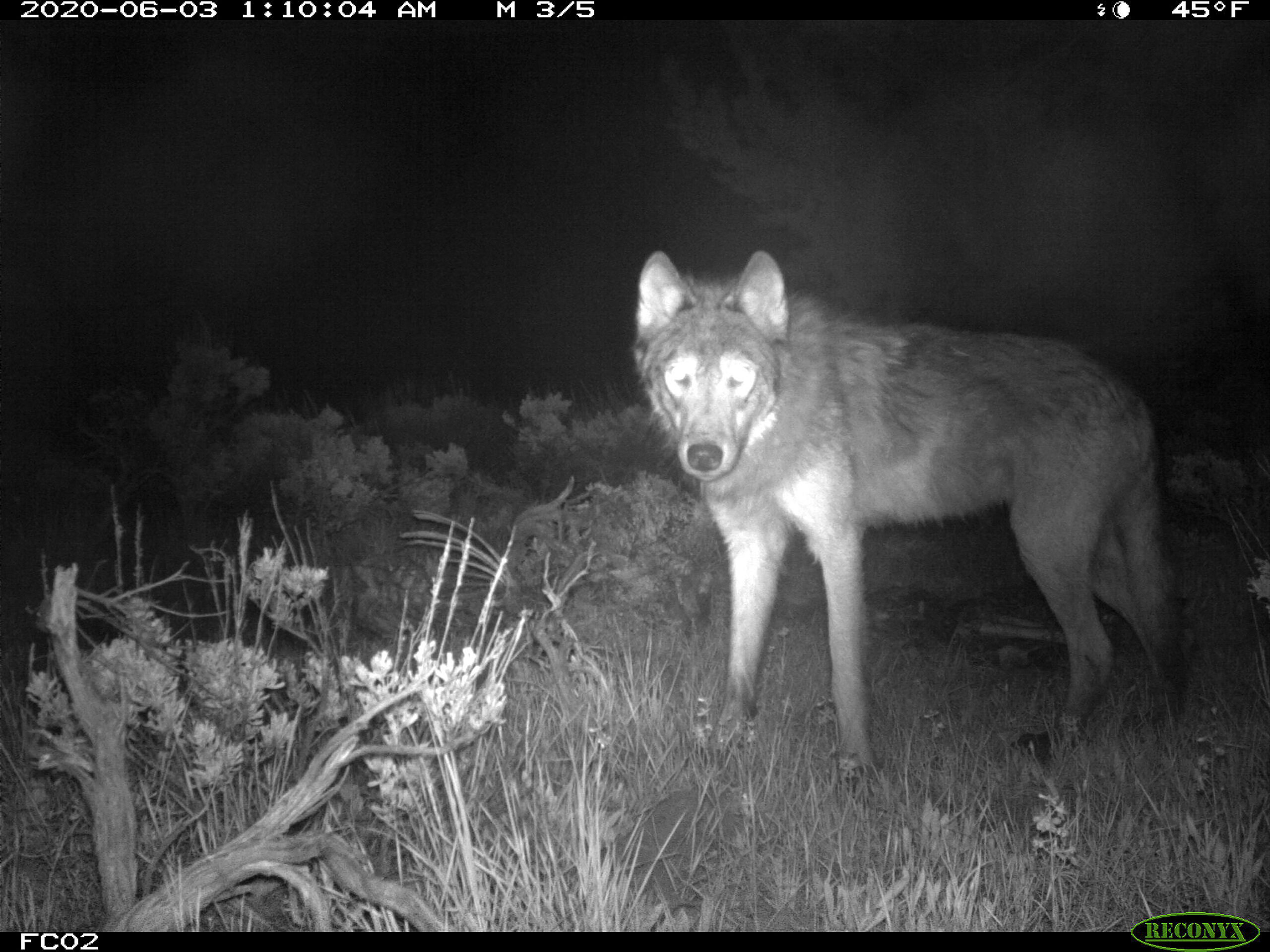
But as anticipation grew among wildlife advocates, the worry among ranchers in the Rocky Mountains rose. They’ve already seen glimpses of what the future could hold as a handful of wolves that wandered down from Wyoming over the past two years killed or injured livestock, including at Don Gittleson’s ranch near Walden just last week where a wolf attacked a heifer.
They fear such attacks would worsen, adding to a spate of perceived assaults on western Colorado’s rural communities as the state’s Democratic leaders embrace clean energy and tourism, eclipsing economic mainstays, such as fossil fuel extraction and agriculture.
Wildlife officials said they expect between 10 to 15 wolves, at least, to be reintroduced by mid-March. And, as envisioned in the reintroduction plan, wildlife officials hope to release 30 to 50 wolves over the next three to five years. They plan to capture wolves from nearby northern Rockies states and from several different packs, the officials said, adding they intend to trap and dart the wolves in the winter.
The reintroduction emerged as a political wedge issue when GOP-dominated Wyoming, Idaho and Montana refused to share their wolves for the effort. Colorado officials ultimately turned to another Democratic state – Oregon – to secure wolves.
Indeed, Oregon’s cooperation was crucial to getting the wolves reintroduced before the end of 2023. Colorado officials said favorable weather conditions, plus information on pack locations from the Oregon Department of Fish and Wildlife, aided in capturing the five gray wolves on the first day of the operations in northeast Oregon. The ballot measure requires another five by month’s end, although Colorado Parks and Wildlife said they hope to have 10 to 15 relocated to Colorado by March.
Ultimately, Colorado’s wildlife agency said it plans to maintain a viable and self-sustaining wolf population in the state, while promising to balance the “need to manage interactions between wolves, people and livestock.”
Dan Gibbs, executive director of the Department of Natural Resources, described today’s development as a “tremendous accomplishment for Colorado Parks and Wildlife and the citizens of Colorado.”
In a statement, Colorado Parks and Wildlife Director Jeff Davis also thanked the U.S. Fish and Wildlife Service for approving what’s called the “10(j) rule,” under which wolves would no longer be considered an endangered species in Colorado and would instead be treated as an “experimental” population. Without the rule, wolves could be reintroduced in Colorado but only as an endangered species and under the management of U.S. Fish & Wildlife.
Critics have said the federal agency doesn’t have the capacity to manage the wolf population. Crucially, under the Colorado Parks and Wildlife’s reintroduction plan, wolves can be killed if they attack livestock, and ranchers can be compensated for livestock losses.
State officials said that a federal 10(j) designation that changes wolf status from an endangered species in Colorado to an “experimental population” will help Colorado Parks and Wildlife to “follow all of the conflict mitigation plans we accounted for in the final” restoration plan.
“Pulling off a successful first wolf release in Colorado touched all corners of our agency,” said Reid DeWalt, the wildlife agency’s assistant director for aquatic, terrestrial, and natural resources. “This has been two years of work to approve the plan plus another year of work to secure our first source population and get us to this release day.”
As wildlife officials turn their attention to wolf management, more political tension is likely to follow.
For ranchers like Gittleson, his fellow Colorado residents from the state’s urban corridors forced the reintroduction through their narrow approval of the 2020 ballot measure. Suburbs and cities along Colorado’s Front Range, which includes Denver, carried the vote despite strong opposition across less-densely populated counties, where the wolves would be released.
“It was the cities that voted for it, and most of them can’t tell the difference between a wolf or a coyote or a dog,” said Gittleson, who lost at least six cows and calves to wolves from his Sherman Creek Ranch over the past couple years – among the first documented wolf attacks in the state in more than 70 years. He was paid $1,800 last year for a 600-pound registered Angus calf that was killed by a wolf.
To allay livestock industry fears, ranchers who lose livestock or herding and guard animals to wolf attacks will be paid fair market value, up to $15,000 per animal. Meanwhile, Colorado residents who backed the reintroduction are going to have to get used to wildlife agents killing wolves that prey on livestock.
Already some wolves have been killed when they crossed from Colorado into Wyoming, which has a “predatory” zone for wolves covering most of the state where they can be shot on sight.
In 2022, gray wolves attacked domesticated animals hundreds of times across 10 states in the contiguous U.S. including Colorado, according to an Associated Press review of depredation data from state and federal agencies. Attacks killed or injured at least 425 cattle and calves, 313 sheep and lambs, 40 dogs, 10 chickens, five horses and four goats, according to the data. Other times livestock simply goes missing, such as two calves that Gittleson said disappeared after wolves had passed through.
Such losses can be devastating to individual ranchers or pet owners. However, their industry-wide impact is negligible: The number of cattle killed or injured in the documented cases equals 0.002% of herds in the affected states, according to a comparison of depredation data with state livestock inventories.
“95% of ranchers in Colorado will never have a problem,” said Ed Bangs, a former U.S. Fish and Wildlife Service biologist who led the reintroduction of wolves in the mid-1990s to Yellowstone National Park and central Idaho. “4.5% will have the occasional problem every couple of years maybe, and maybe one or two guys will have a problem like every other year. I don’t think it’s enough to put them out of business.”
“But if it was my cattle and my business, I’d be pissed,” he added.
The roiling political debates over the predator have been divorced from the details on the ground, according to Matt Barnes, a range scientist focusing on preventing conflict between carnivores and ranchers. The former rancher argued that there’s a “middle ground,” where agriculture and wildlife can inhabit the same landscape.
“People are really arguing not so much about the animals themselves, or even the land, but underlying worldviews about how humans fit into a more than human world,” said Barnes.
Matthew Brown and Jesse Bedayn of the Associated Press, and Scott Weiser of The Denver Gazette contributed to this article.
luige.delpuerto@coloradopolitics.com
luige.delpuerto@coloradopolitics.com

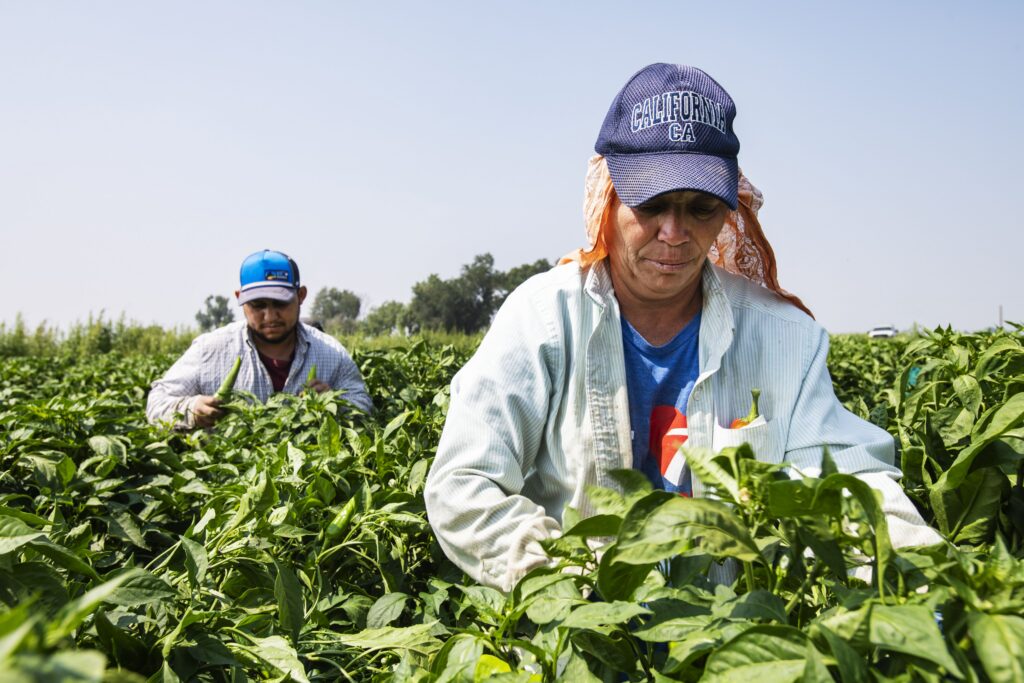
Colorado Senate committee advances bill increasing overtime threshold for farmworkers
Marianne Goodland
marianne.goodland@coloradopolitics.com
Updated 2 days ago
The struggle to balance farmworker protections with the survival of Colorado’s family farms took center stage Thursday as senators debated two competing overtime bills. The Senate Business, Labor and Technology Committee held a rare double-bill hearing that led to a...

Department of Agriculture warns of packages holding potentially invasive seeds
Michael Braithwaite
michael.braithwaite@gazette.com
Updated 2 weeks ago
Spring planting is around the corner, and the Colorado Department of Agriculture wants residents to know where their seeds are coming from. Officials with the department warned Tuesday that they received reports of unsolicited packages containing plant seeds mailed internationally...
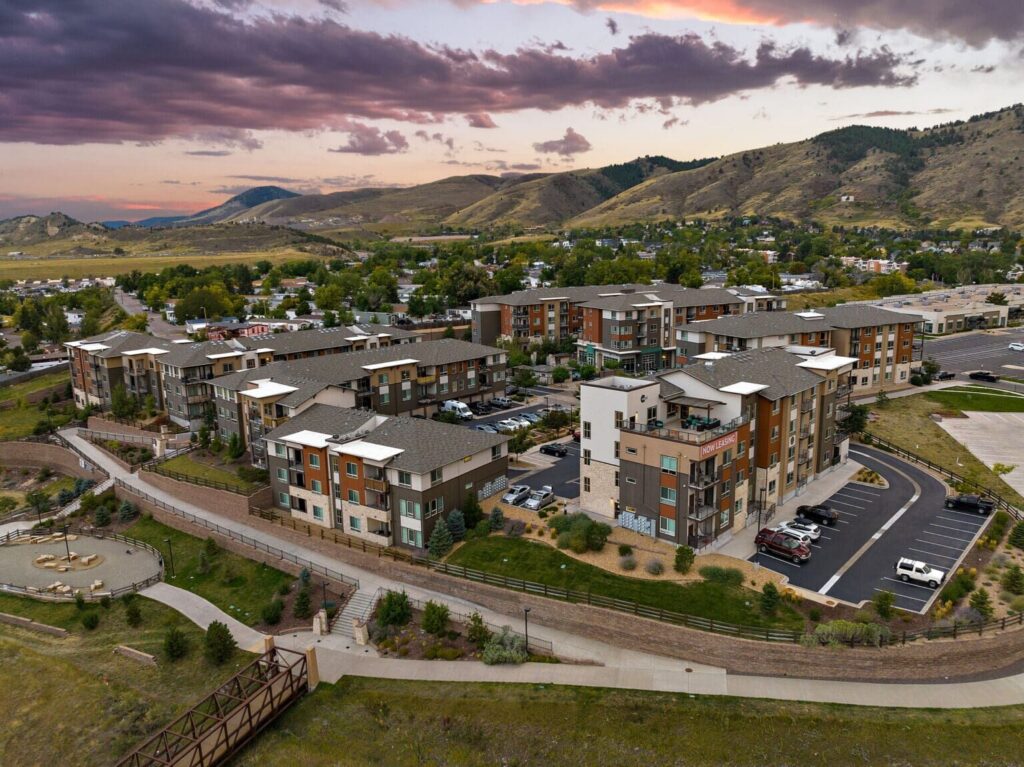
More than 20 Colorado counties receive grants to improve land record-keeping systems
Maren Prince
maren.prince@denvergazette.com
Updated 3 weeks ago
More than 20 Colorado counties received a total of $2.5 million to improve their land record-keeping systems, according to a Monday news release. The State’s Electronic Recording Technology Board awarded 22 counties with grants ranging from $5,000 to $350,000, according...

JBS strike could trip up Greeley’s economic surge
Hap Fry, Special to The Gazette
hap-fry@gazette.com
Updated 1 month ago
GREELEY – The upward trajectory of Greeley has been hard to match by other Colorado communities in the here and now. The city is on the verge of experiencing dramatic growth and change. Greeley is in the midst of developing a...
A fight over seeds and bees: Colorado Democrats target neonicotinoid pesticides
Marianne Goodland
marianne.goodland@coloradopolitics.com
Updated 1 month ago
Colorado lawmakers are weighing new restrictions on a class of pesticides after Gov. Jared Polis signaled support for a Democratic-backed bill aimed at protecting pollinators — a proposal that has raised sharp worries from farmers who rely on treated seeds...

We tested vapes in Colorado for signs of hemp. This is what we found.
Christopher Osher
chris.osher@gazette.com
Updated 2 months ago
This article was produced for ProPublica’s Local Reporting Network in partnership with The Denver Gazette. Sign up for Dispatches to get our stories in your inbox every week. Leaders in the Colorado marijuana industry have complained in recent years that...

Colorado farmers warn U.S. Sen. John Hickenlooper tariffs and research cuts endanger agriculture
Marianne Goodland
marianne.goodland@coloradopolitics.com
Updated 2 months ago
Northern Colorado farmers told U.S. Sen. John Hickenlooper this week that tariffs and President Donald Trump’s decision to import $40 billion worth of beef from Argentina have hurt Colorado’s agricultural industry. But the administration’s cuts to scientific research are almost...

47th Citizen of the West: ‘Epitome of Western traditions and values’
Joanne Davidson Special to Colorado Politics
joanne-davidson-special-to-colorado-politics@coloradopolitics.com
Updated 2 months ago
The 47th Citizen of the West, George Eidsness, grew up on a farm in North Dakota where his appreciation for the Western way of life took shape as he rode horses, showed cattle in 4-H and shared in the often back-breaking chores necessary to maintain a farm. It was that hard work and a deep...

Boots ‘n Business Luncheon: ‘It’s something very special.’ | NONPROFIT REGISTER
Joanne Davidson Special to Colorado Politics
joanne-davidson-special-to-colorado-politics@coloradopolitics.com
Updated 2 months ago
DENVER METRO CHAMBER OF COMMERCE Denver News: With a capacity crowd of 1,400, a waiting list of 120 and an after-party attended by 600, it wasn’t a stretch for Denver Metro Chamber of Commerce President/CEO J.J. Ament to describe the 2026 Boots ‘n Business Luncheon as...
Colorado rancher donates 72,000 pounds of hay to ranchers affected by Lee fire
Jonathan Ingraham
jonathan.ingraham@denvergazette.com
Updated 3 months ago
“We’re grateful that we can be a part of it. It’s the Western way.” The Lee fire burned more than 138,000 acres of grassland used by ranchers and wildlife in northwestern Colorado in August and September, affecting the livelihoods of...
PREV
PREVIOUS
Wolves released in Western Colorado, another resigns from Colorado legislature | WHAT YOU NEED TO KNOW
Today is Dec. 19, 2023, and here’s what you need to know: Wildlife experts on Monday released five gray wolves in Colorado’s Western Slope, the culmination of years of planning for a program that has stoked political tensions and is likely to lead to conflicts as the predators make the valleys, lakes and peaks of […]

Aurora mayor hones in on "work first" approach to homelessness in state of city speech
Mayor Mike Coffman honed in on homelessness in his State of City speech on Friday, when he outlined key initiatives he said would help Aurora tackle the crisis that has soared in the last several years in Colorado’s urban centers. The city needs to focus on several key areas, notably affordable housing, water conservation, […]