

2024: A make or break year for the Colorado River
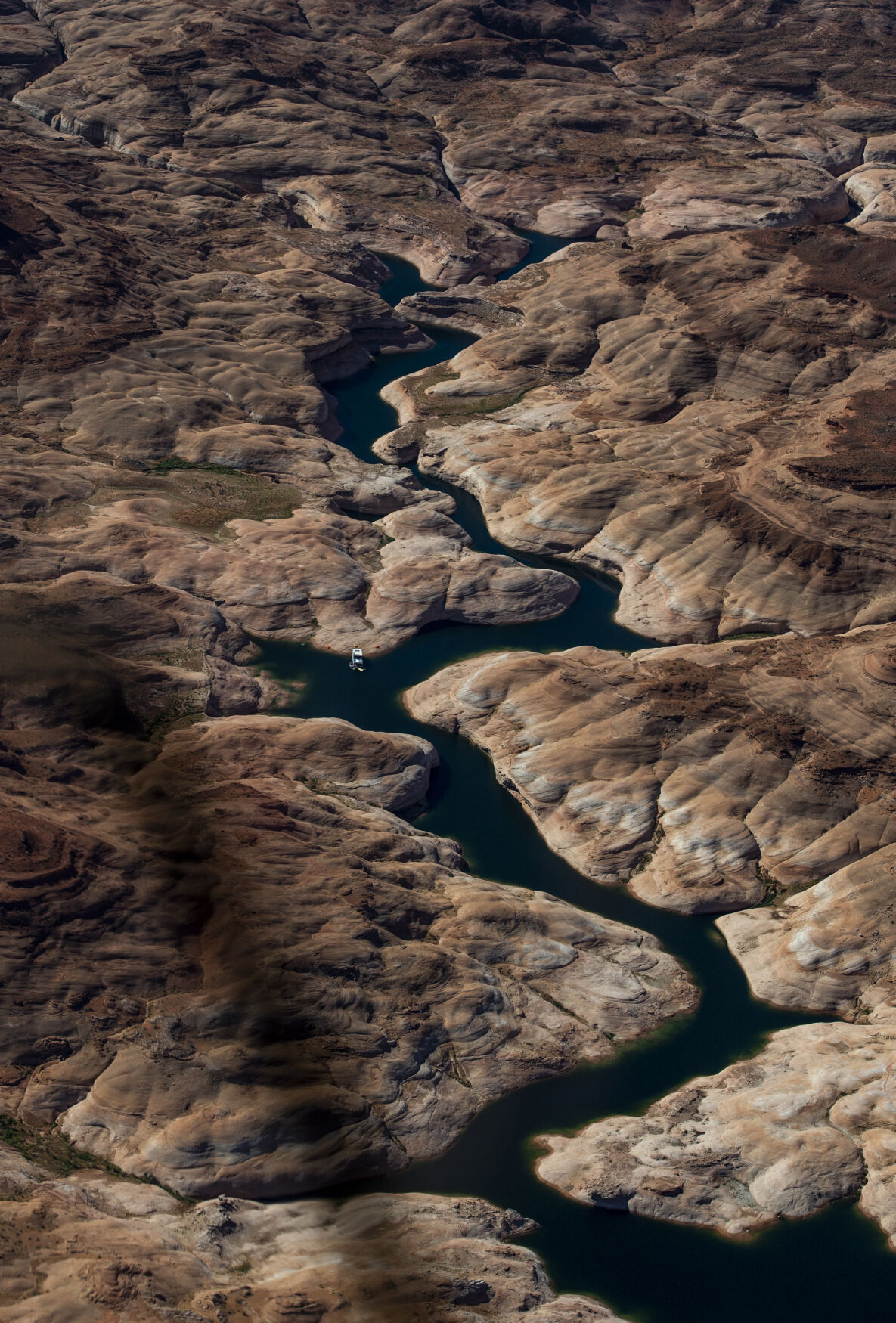
The opening day of the annual Colorado River Water Users Association on Dec. 13 featured the signing of an agreement for Lower Basin states to conserve 1.6 million acre-feet of water over the next three years.
It’s no small feat, according to representatives of California and Arizona, who spoke to Colorado Politics in advance of the three-day conference, which attracted top water officials and water users from the seven basin states of the Colorado River.
But there’s a much bigger, long-term task ahead for those who attended the Las Vegas meeting this week.
They – and many others – need to discuss how to manage the Colorado River after 2026.
The operating guidelines for the river and the nation’s two largest reservoirs – Lake Mead and Lake Powell – expire at the end of 2026.
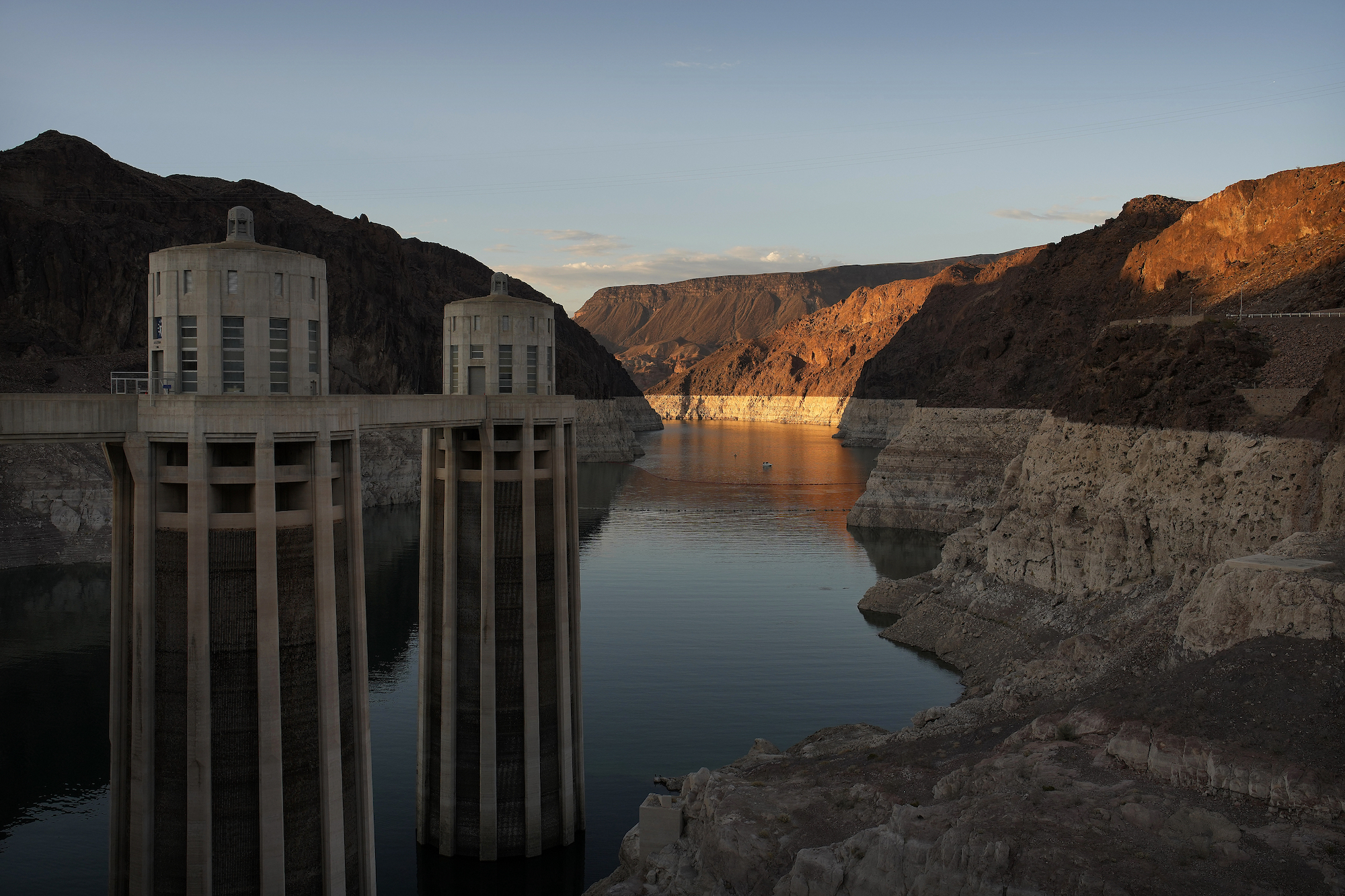
By the end of 2024, the U.S. Bureau of Reclamation anticipates having a draft environmental impact statement that will present the alternatives for how the Colorado River will operate for the decades to come. Those new guidelines will also determine management and the facilities of the two reservoirs, plus Hoover and Glen Canyon dams.
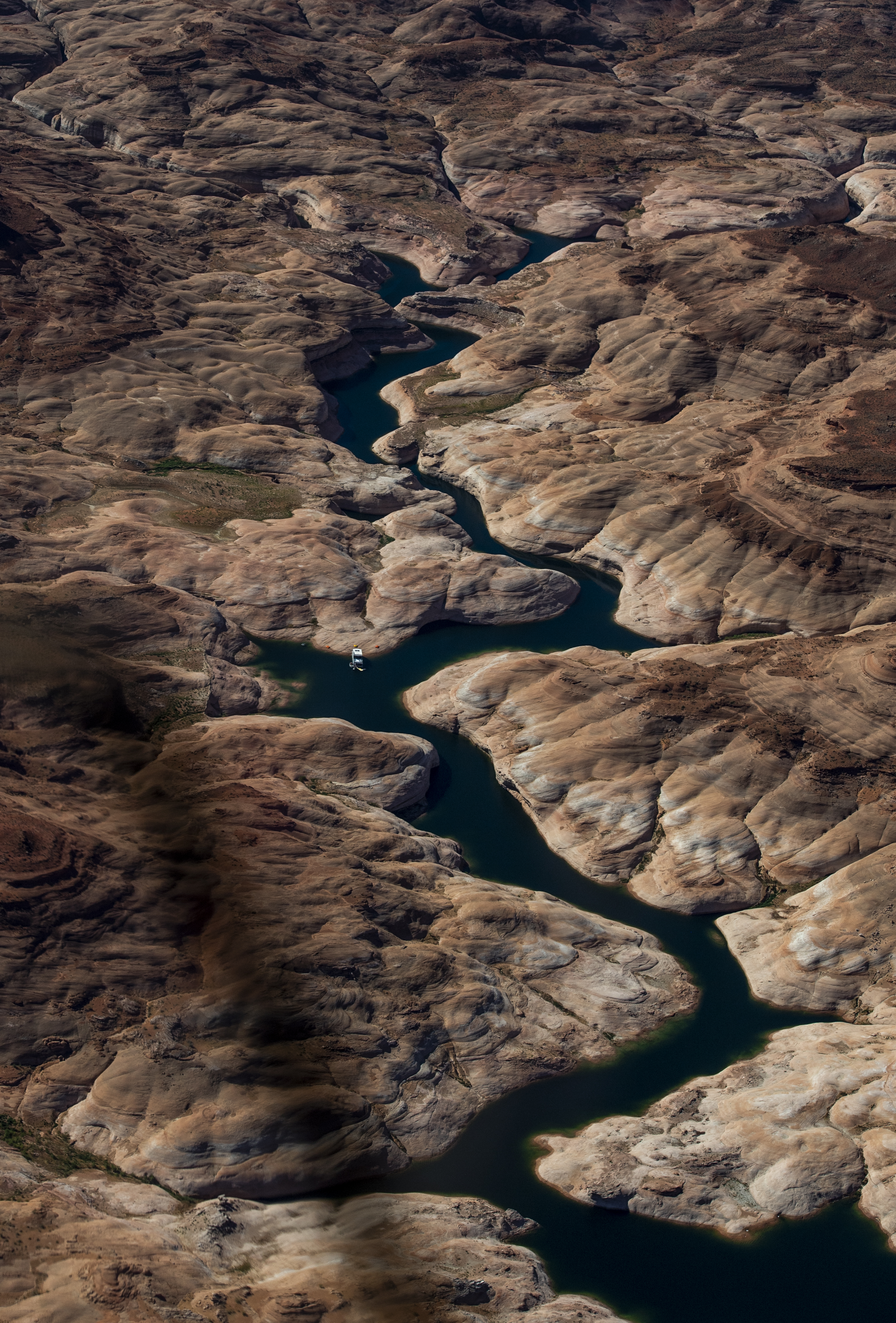
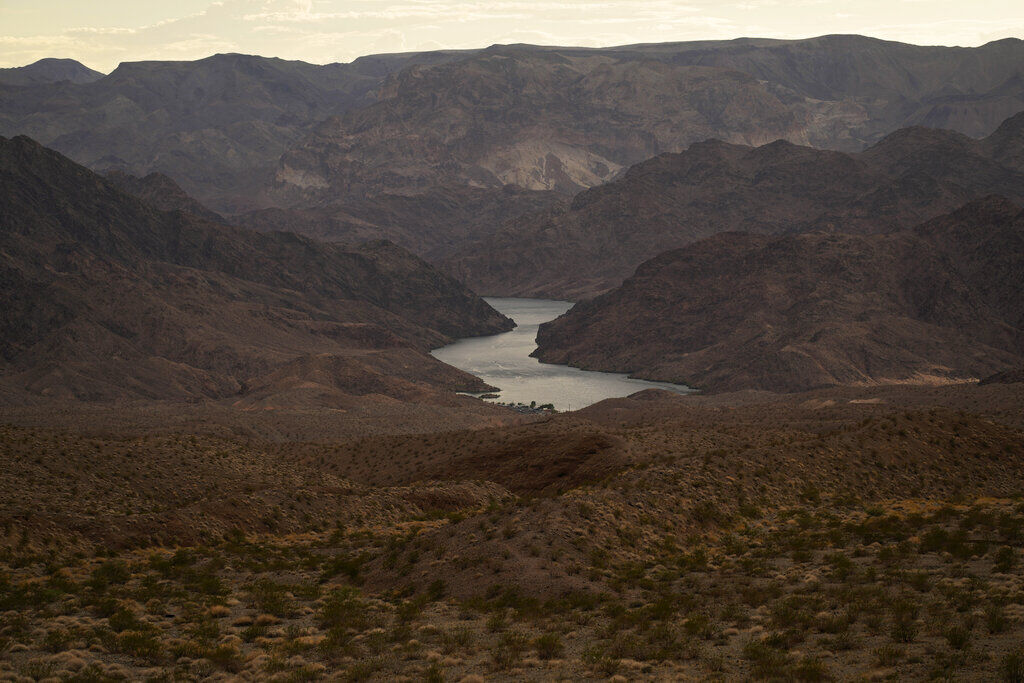
The Colorado River faces a crisis, the result of more than two decades of drought in the West, coupled with overconsumption. The amount of water available for the 40 million people that rely on the river has dropped precipitously, with serious consequences for hydropower and agriculture that generates billions of dollars in economic activity.
The conditions have resulted in what many experts refer to as a “new normal,” and the next three years will determine how the seven states will handle water supply that falls short of demand.
Negotiators will include representatives of the seven states, plus federal officials from the Bureau of Reclamation, which operates the reservoirs and dams on the river.
What negotiators are expected to come up with by late spring of next year are a range of options, known as alternatives, that will advise a federal environmental impact statement, which is designed to, according to a statement in October from the Biden-Harris administration, “withstand a broad range of hydrological conditions and ultimately provide greater stability to water users and the public throughout the Colorado River Basin.”
The draft environmental impact statement is due by the end of 2024.
California
JB Hamby, the Colorado River commissioner for the state of California, told Colorado Politics negotiators have been hard at work since July on a “scoping report” that would help determine what goes into the post-2026 operating guidelines.
The report, which came out in October, provided this list of issues negotiators could consider, in addition to looking at modifications of the current guidelines from 2007:
-
supply and demand imbalance
-
holistic approach and sustainable solutions
-
scope of federal action
-
term of the guidelines
-
roles of Upper and Lower Basins
-
operational strategies
-
tribal water rights
-
conservation and storage programs
-
augmentation
-
parallel processes and programs
Hamby said the now-short timeline for the negotiators to come up with alternatives is motivating people to talk and work things out. He likened the process to Goldilocks and the Three Bears – if things are too intense, as they were last summer, the process won’t work.
People began talking about post-2026 in June 2021 in a conference in Denver, but nothing happened for the next two years, he noted.
Now, conversations are starting to occur and should culminate by March 2024 with proposals from the negotiators, he added.
Part of the conversation for each state is to figure out what the future holds for its share of the river.
For his state, that means several things, according to Hamby, who pointed out that half of the population of the seven states resides in southern California.
“The No. 1 thing that, we as a state and all of our contractors and users can do to protect the rights and interests, is to commit to collaboration and working together and developing solutions,” he said.
The only path forward that would work out for California – or for any of the basin states, the tribes or users on the Colorado River – is to genuinely work together to develop a consensus, he said.
Legislation, lawsuits and federal action do not produce a consensus and could be to everyone’s detriment, he said.
He also urged the parties to avoid the finger-pointing that has permeated the river conversations for the past several years.
That means figuring out how much water is being released from the Upper Basin to the Lower Basin. And while that overarching issue is not new, there must be a more practical approach to it, he said.
Secondly, there’s a supply and demand imbalance in the Lower Basin, which is a responsibility for the three Lower Basin states and Mexico to resolve, he said.
“We have to figure out the potential for extended drought or the worsening effects of climate change,” he said. “That cannot fall on any particular user or any particular state or any particular basin exclusively.”
He added: “That has to be a shared obligation to figure out how we will live with the potential of less in the future, exacerbated by climate change.”
That final issue that the parties need to resolve are the logistical aspects, such as conservation funding, the next set of agreements and whether there’s flexibility in post-2026 guidelines.
Among the folks at the table for those discussions are farms in the Imperial Irrigation District, the largest user with the most senior water rights on the Colorado River and which uses up to 3.1 million acre-feet annually.
With Imperial Valley’s extremely favorable climate, productive soils, and a reliable Colorado River supply, the district produces lettuce, lemons, dates, carrots, and a host of other products that the nation needs.
The district, part of the agreement to conserve Colorado River water that is being signed Wednesday, will be paid $77.6 million for a total of 800,000 acre-feet in water conservation savings over the next three years.
That’s half of the water the Lower Basin states agreed to conserve.
The states sought one major requirement before signing off on Colorado River – a conservation deal with the Salton Sea problem.
The Salton Sea, which is more than 300 square miles, was formed through an irrigation canal dug from the Colorado River into the Imperial Valley in 1905. Beginning in the 1990s, the lake’s salinity increased to the point where it killed the fish and the birds that ate them.
The lake began to shrink not long after, leading to toxic dust and other environmental problems.
While Congress authorized restoration work in 1998, it was only recently that federal funding made its way to the sea, with $250 million from the Inflation Reduction Act.
The Imperial Irrigation District, along with the tribes and urban interests, will be at the table for the post-2026 discussions, Hamby said.
No more ‘dark times’
The negotiations and relationships today stand dramatically improved from just a year ago, Hamby said.
Last December, months of fighting and stalemate plagued the states.
The Bureau of Reclamation commissioner, Camille Calimlim Touton, called for 2 to 4 million acre-feet in water conservation, which went unanswered. The states found themselves in a gridlock – six states versus California.
“Dark times,” he called it.
Today, the states are collaborating, he said. The Lower Basin states that have been completely at odds since January are working closely together, and the result is the conservation agreement signed on Dec. 13.
“It’s an unparalleled historic amount of conservation that’s never happened at that scale before and helps to be able to provide a nice springboard from now until post 2026,” Hamby said, adding that will provide momentum as the basin states develop the next set of guidelines.
Arizona
marianne.goodland@coloradopolitics.com
No state has borne the brunt of cuts from the Colorado River more than Arizona.
Agreements that were activated in 2021 and 2022 resulted in cuts of more than 20% of the state’s allocation from the river, some 592,000 acre-feet. And while the state will get back 80,000 acre-feet in 2024, the result of the better-than-average winter, that water will remain in Lake Mead under the new agreement.
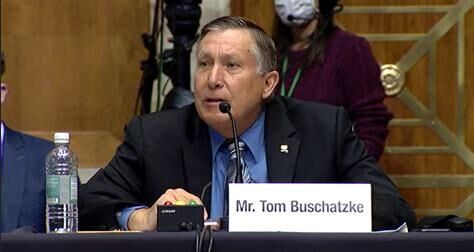
As a result, farmers in the Central Arizona Project won’t have enough water for irrigation in 2024, according to Tom Buschatzke, director of the Arizona Department of Water Resources and the state’s lead negotiator on matters related to the Colorado River.
Buschatzke is looking for certainty for his water users, specifically what they can expect from the river in the post-2026 guidelines, he told Colorado Politics recently.
Water users need a greater level of protection in the face of clearly declining flows of the river, he said.
“I want to see an alternative supported by all seven basin states,” Buschatzke said, adding he also hopes to see a broader coalition of support among tribal representative nations, nongovernmental organizations and other stakeholders, and possibly Mexico, although the latter’s involvement is indirect.
“I want to see an outcome in which some of the perceived inequities in terms of how Lake Powell and Lake Mead are balanced or operated,” he added.
The perceived inequities, he said, are that too much water moves from Lake Powell to Lake Mead. From the Arizona side, the parties have conserved a lot of water to the point where less has been needed from Lake Powell, he said.
But Buschatzke is also firm on one issue regarding Arizona’s allocation – the starting point cannot be the level of water the state is currently accepting with its 592,000 acre-feet cut.
“I do not acquiesce in any way, shape or form that the starting point of post 2026 is the 2007 guidelines and the drought contingency plan in 2019 that resulted in those cuts,” he said.
“We’re starting over,” he added.
He said the Upper Basin states have already taken a hit because of climate change, which wasn’t projected during the compact negotiations or any other elements of the original law of the river. Likewise, the Lower Basin shouldn’t take the brunt of the impact of climate change, and Arizona shouldn’t take the brunt of the reduction of flow in the rivers, he said.
“And that’s why I don’t see an outcome” in which the new regime just builds on the previous guidelines or the drought contingency plan, he said, adding, “That’s not an equitable outcome. What am I going to protect? Right now, what’s left in my mind is 2.8 million acre feet.”
Colorado
marianne.goodland@coloradopolitics.com
Becky Mitchell, Colorado’s representative on the Upper Colorado River Commission, hopes 2026 would bring clear expectations for how Lake Powell and Lake Mead are operated.
Mitchell has come up with a list of post-2026 principles that she hopes will gain consensus.
First is climate variability. The Upper Basin states are on the front lines of climate change, she said, and that’s led to less water for those states from the river.
“Our supplies are so variable,” she said.
Mitchell is also looking for equity between the Upper and Lower Basin states, an acknowledgement that water users in the Lower Basin are not more important than those in the Upper Basin, and that the operations need to reflect that reality, she said.
What that means in practical terms is no more draining the upstream reservoirs when the Lower Basin states take too much water, she said.
In 2021, three reservoirs that feed into Lake Powell – Blue Mesa in Gunnison County, Navajo Reservoir that straddles the Colorado-New Mexico border south of Durango and Flaming Gorge, on the Green River in Wyoming – were drained to preserve critical water levels at Lake Powell. It’s taken Blue Mesa two years to recover from that action.
“That can’t be allowed,” Mitchell said.
She’s also pushing the message that the Upper Basin states have always been in full compliance with the 1922 compact and will fight against any efforts to curtail their water usage.
Also on her wish list is an acknowledgement that water use in the Lower Basin states cannot continue to exceed available supplies.
“You’re going to hear us often talking about living within the means of the river,” she said.
That includes requiring the Lower Basin states to account for evaporation and transit losses. While the Upper Basin states have adjusted their allocations to account for those losses, it has not been a standard within the Lower Basin states, she said.
“The bottom line is that the Lower Basin needs to use less water,” she said, adding they also must not rely on the undeveloped water rights held by Upper Basin tribes.
There are tribes with settled water rights but that have not been fully developed, and Mitchell said there’s been a reliance on that water, which, she added, has to stop.
Mitchell’s list also includes complying with federal environmental law and advancing coordination between the United States and Mexico.
Collaboration, as cited by Hamby and many others, also will be key, she said.
“We’re going to continue to work together with the basin states, but also the tribal nations to try to achieve that mutually beneficial and acceptable outcome. But my bottom line is to protect Colorado and our significant interests in the Colorado River,” she said.
“We have shown we are good stewards of the resource, and we will always do things to be better. But it is for our own protection, not for continued overuse,” she added.
Mitchell also said the parties do not have a lot of choice but to acknowledge the river’s “hydrology” – meaning the river supply will continue to dwindle.
“Are we going from crisis to crisis, or, or are we going to save and figure out how we do better?” she said, adding that includes preserving water for dry times.
Water cuts can be “softened” by conservation or looking for different sources of water, but “ultimately we need to be responsive when the river is not supplying what we hope and dream for,” she said.
Mitchell said she hopes that everyone – the 40 million people, the 30 tribes, the seven states, the two countries – will ultimately be better off and the process will instill confidence in the future of the river’s operations.
“We can be better off than we are with the constant chaos,” she said.
Attorney General Phil Weiser is also observing the process unfold with a watchful eye.
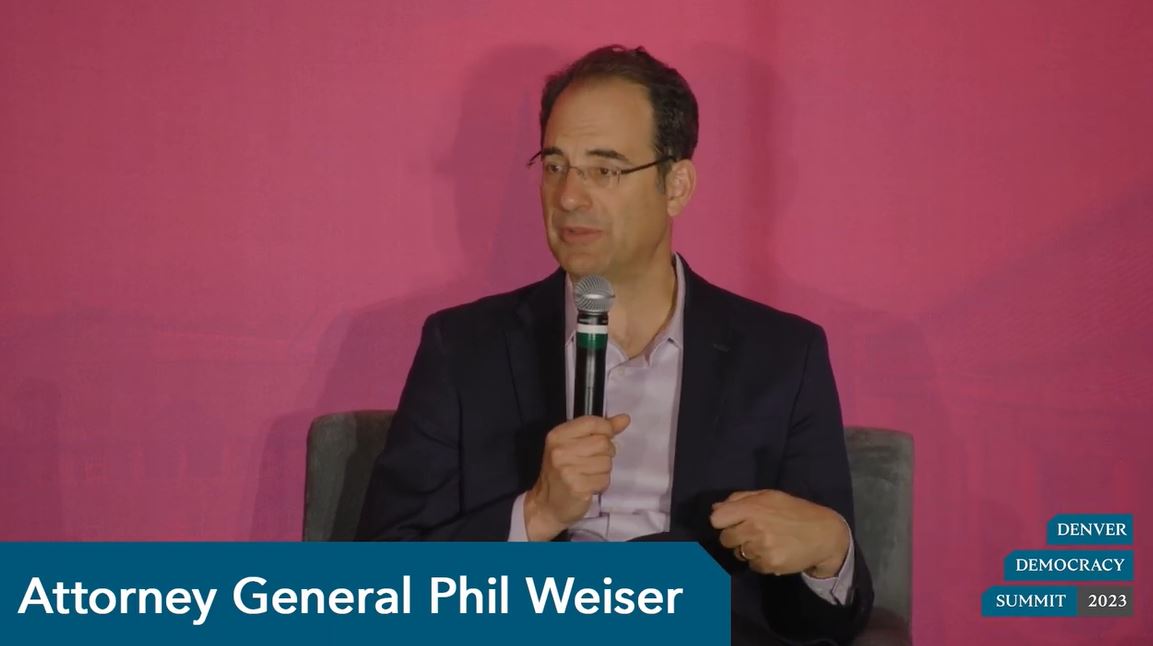
The Colorado Attorney General’s Office, which represents Mitchell, is closely engaged with the Lower Basin states, tribes, the federal government and water users, Weiser told Colorado Politics.
“It’s fair to say that we recognize we’re in a more variable hydrologic environment. This means that the legacy practices, particularly the Lower Basin practices, are not sustainable,” Weiser said.
That also means some belt-tightening will have to happen as those conditions change, and the 2026 guidelines will have to represent and capture a new normal that meets the realities of the situation, he said.
There’s much work ahead in the coming months, but Weiser said they are cautiously optimistic, in part because of the conservation agreement for the 1.6 million acre-feet in water savings through 2026.
Like Hamby and Mitchell, Weiser believes the best solution for the 2026 guidelines should be collaborative, thoughtful, creative and sustainable for the entire basin. That said, his team has been built up, knowing that litigation is a possibility, which his office isn’t afraid of, either, he said.
The other issue is the 1922 compact and subsequent agreements that have dictated the amount of allocations to the seven states from the river. That isn’t going to change, but those numbers aren’t sustainable, Weiser said.
What has to be part of the conversation is whether the Lower Basin states will start taking evaporation and transit losses into account for their allocations.
“This is going to take real leadership and considerable efforts about what the transition to cutting back on that usage looks like for Lower Basin states,” Weiser said.
Should they agree to adjust for evaporation and transit losses, that’s a significant adjustment, and an important starting point, he said.
Weiser also addressed the risk if the seven states can’t figure out a solution – potentially the heavy-hand intervention by the federal government.
“Obviously, the threat of litigation remains in the backdrop as we have to go forward and manage these water access arrangements in a time of drought,” Weiser said, adding that would depend on the federal government’s approach.
“We’re at the dawn of what is going to be a new era, and it’s critical that we get it right,” he added.



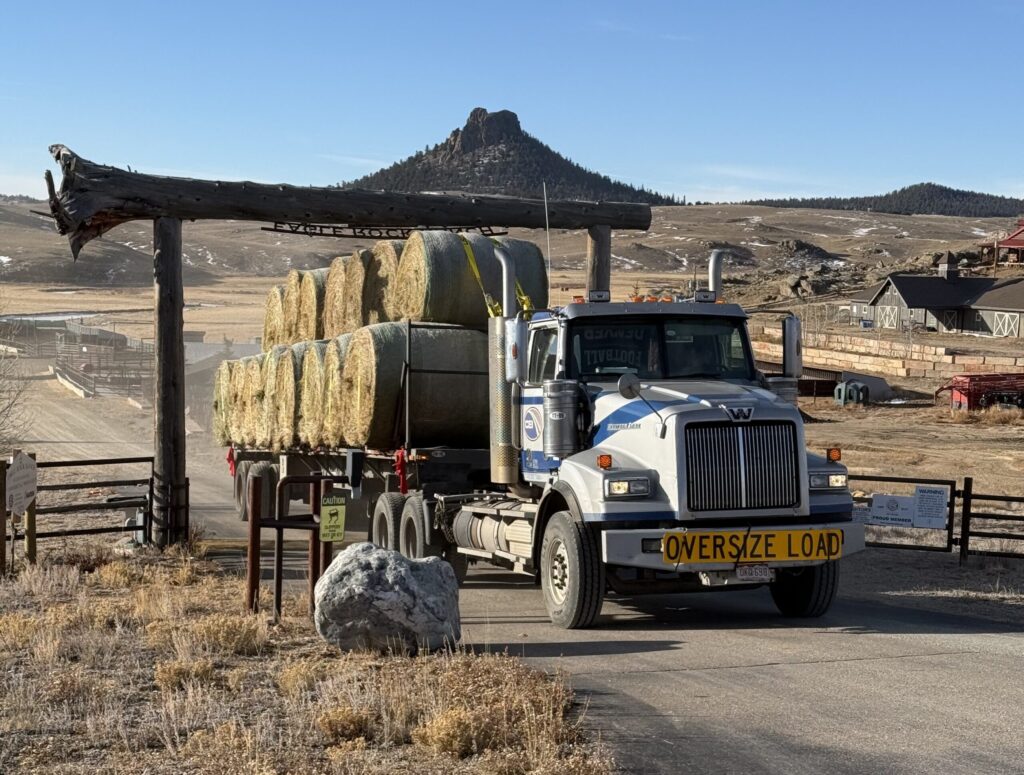
Colorado rancher donates 72,000 pounds of hay to ranchers affected by Lee fire
Jonathan Ingraham
jonathan.ingraham@denvergazette.com
Updated 1 week ago
“We’re grateful that we can be a part of it. It’s the Western way.” The Lee fire burned more than 138,000 acres of grassland used by ranchers and wildlife in northwestern Colorado in August and September, affecting the livelihoods of...
Trump administration announces $12 billion soybean aid package
RACHAEL WRIGHT Special to The Gazette
rachael-wright-special-to-the-gazette@coloradopolitics.com
Updated 3 weeks ago
President Donald Trump and Secretary of Agriculture Brooke Rollins announced Monday that the administration was planning to disburse a $12 billion dollar aid package as part of the Farmer Bridge Assistance (FBA) Program, to make targeted, one-time payments to crop...
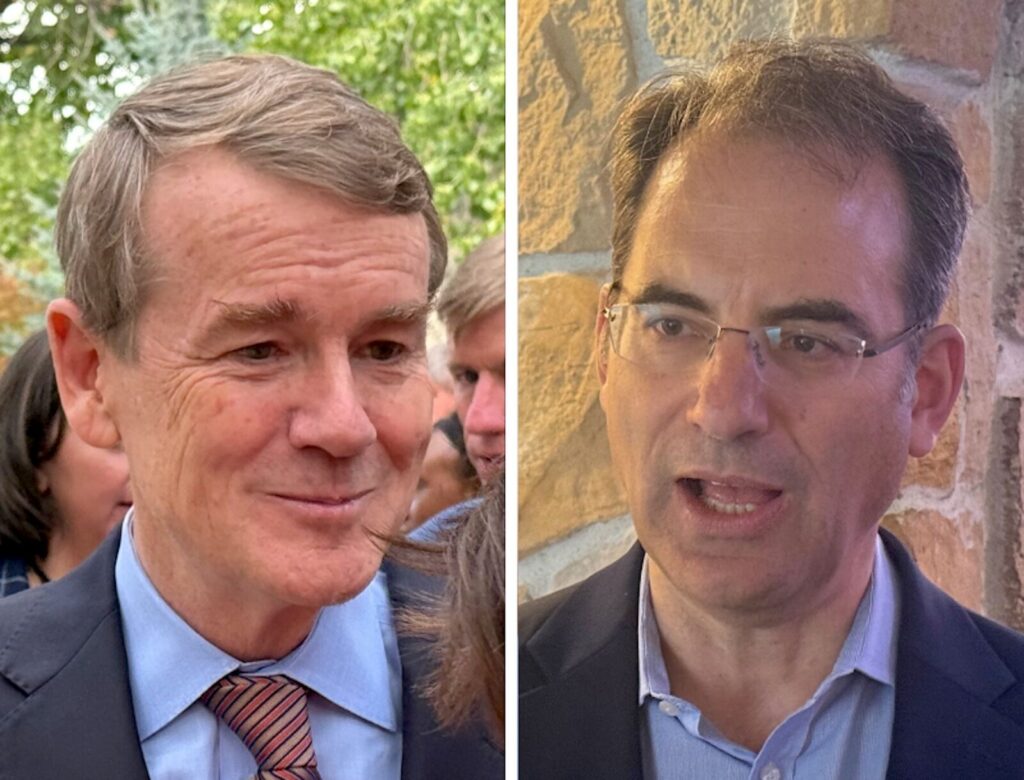
Clash of the titans: Democratic race for governor pits two candidates similar in focus, but very different in style | Vince Bzdek
Vince Bzdek
vince.bzdek@gazette.com
Updated 3 weeks ago
By Vince Bzdek The race for governor is shaping up to be a clash of Democratic titans, U.S. Sen. Michael Bennet and Attorney General Phil Weiser. They are two of Colorado’s highest profile politicians with deep track records who...

Q&A: Colorado Chamber of Commerce CEO sees warning signs for state economy, despite strengths | FISCAL ROCKIES
Thelma Grimes
thelma.grimes@coloradopolitics.com
Updated 3 weeks ago
Editor’s Note: Once among the nation’s fastest-growing economies, Colorado today confronts mounting challenges that threaten its momentum. This series reveals how a state once defined by prosperity is navigating economic cliffs and ridges. We explore the impact that increased regulations, tariffs,...
Once a step ahead, Colorado’s economy cools, burdened by rising costs and regulations | FISCAL ROCKIES
Thelma Grimes
thelma.grimes@coloradopolitics.com
Updated 2 weeks ago
Editor’s Note: Once among the nation’s fastest-growing economies, Colorado today confronts mounting challenges that threaten its momentum. This series reveals how a state once defined by prosperity is navigating economic cliffs and ridges. We explore the impact that increased regulations, tariffs,...
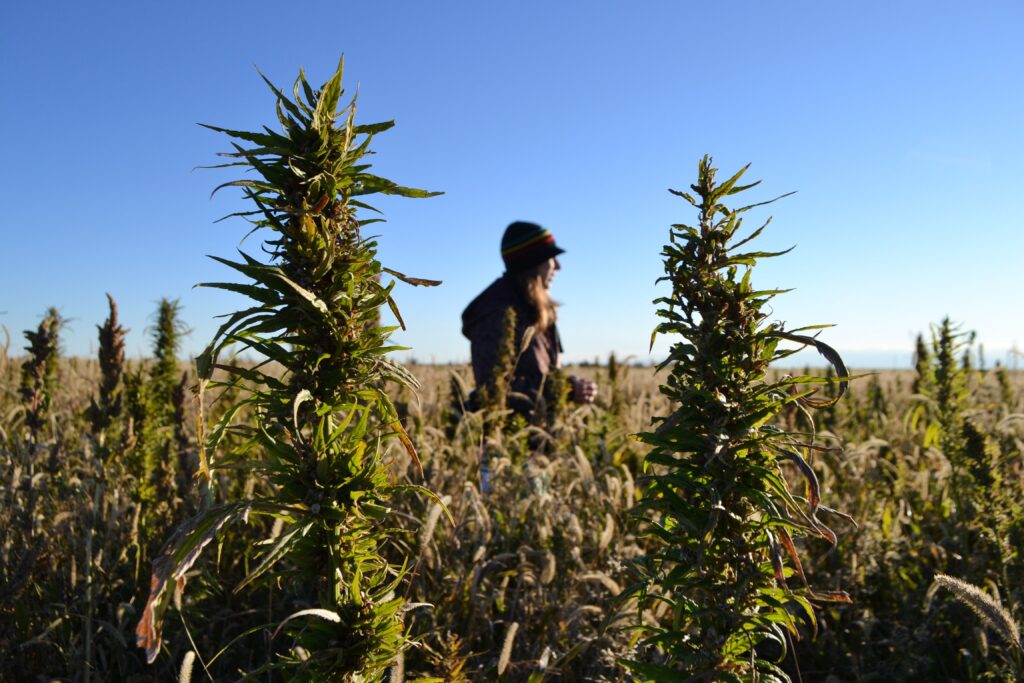
Colorado could loosen regulations on intoxicating hemp products, countering new federal ban
Marissa Ventrelli
marissa.ventrelli@coloradopolitics.com
Updated 1 month ago
As the federal government is poised to impose a near-ban on intoxicating hemp products next year, Colorado lawmakers are planning to loosen the restrictions imposed by a 2023 law. Last week, Congress included a provision in its funding bill intended...
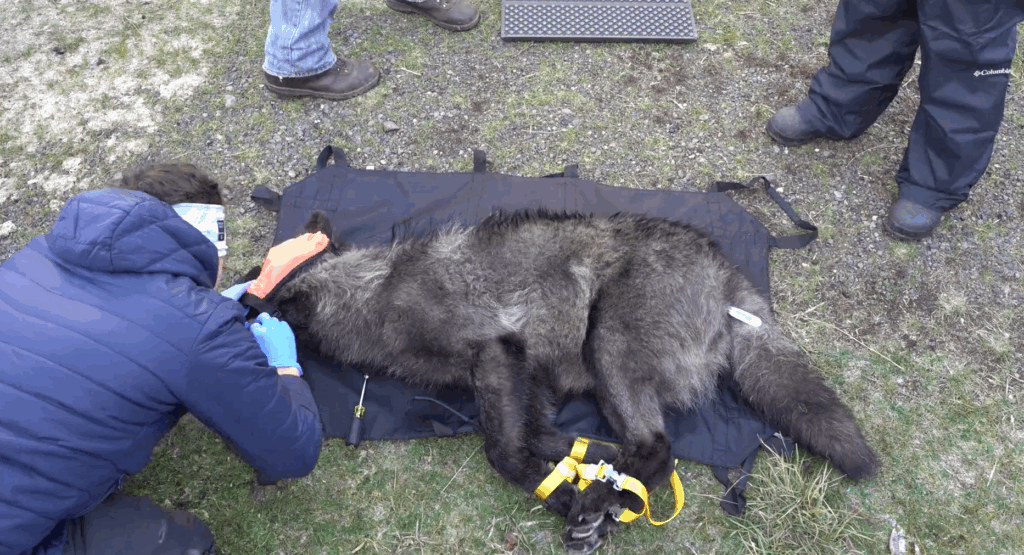
Washington state leaders rip Colorado over ‘failing’ wolf reintroduction program
Marianne Goodland
marianne.goodland@coloradopolitics.com
Updated 1 month ago
Washington’s Fish and Wildlife Commission on Saturday said “no, not now” to sending wolves to Colorado, after a hearing in which the state’s residents vigorously argued against it. The commission voted, 8-1, to send a letter to Colorado stating that...
Fort Collins is now a USDA regional hub: ‘It began to make sense’
Hap Fry, Special to the Gazette
hap-fry@gazette.com
Updated 4 weeks ago
FORT COLLINS – SeonAh Kendall was initially caught off guard when she got word that the U.S. Department of Agriculture had named Fort Collins as one of its regional hubs. That Fort Collins was being lumped in with larger metropolitan...

Senate votes to ban intoxicating hemp products nationally
Chris Osher
chris-osher@gazette.com
Updated 1 month ago
Legislation passed by the U.S. Senate late Monday will ban nearly all hemp-derived THC products, despite Kentucky GOP Sen. Rand Paul’s attempts to block the hemp-ban language from a part of the GOP-proposed deal designed to end the government shutdown. Eight Democrats...
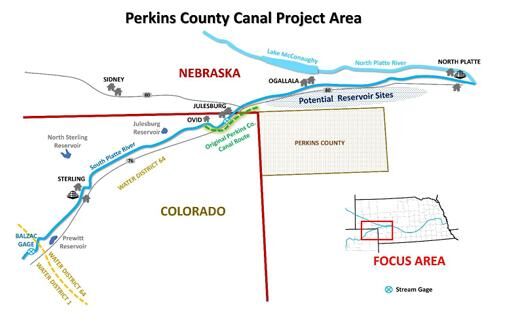
Nebraska says Colorado is stealing its water
Marianne Goodland
marianne.goodland@coloradopolitics.com
Updated 2 months ago
The fight over Nebraska’s attempt to seize privately-owned land in northeastern Colorado persisted this week, with Nebraska accusing Colorado of stealing its water in a filing Wednesday with the U.S. Supreme Court. The issue deals with the Perkins County canal,...
PREV
PREVIOUS

Federal judge allows wolf introduction in Colorado
A federal judge on Friday ruled in favor of Colorado’s plans to reintroduce gray wolves, denying a temporary restraining order sought by cattlemen and livestock growers. In her order, federal district court judge Regina Rodriguez appeared sympathetic to plaintiffs’ worries, noting they have “lived and worked on the land for many years” and are “understandably […]

Happy 100th Birthday to my father — 45 years after he passed away | SONDERMANN
Dear Dad, It seems impossible, but Dec. 20 marks your 100th birthday. Even as you have been gone from us for over 45 of those years, having passed away a couple of months shy of turning 55. Who knows what, if anything, the hereafter holds for the soul? That remains the great mystery. Clearly, this […]