

A pro-Trump attorney is disbarred; a federal judge will issue ruling today on Colorado’s wolf re-introduction| WHAT YOU NEED TO KNOW

Today is Dec. 15, 2023, and here’s what you need to know:
A federal judge will issue a ruling Friday on whether Colorado can move forward next week with plans to bring in wolves from Oregon.
Under the plan, the wolves will be released in state lands in the Western slope. The state’s parks and wildlife agency hopes to have the wolves released onto state lands as soon as Monday, Dec. 18.
Judge Regina Rodriquez listened to oral arguments Thursday in a lawsuit filed by the Colorado Cattlemen’s Association and the Gunnison Stockgrowers Association, who are seeking a temporary injunction against Colorado Parks and Wildlife and the U.S. Fish and Wildlife Service.
Byron York of the Washington Examiner wrote this analysis yesterday:
A number of really significant events in occurred in Washington on Wednesday that, combined with some equally significant developments on Monday and Tuesday, offer a preview of much of the political warfare that will dominate the news next year.
The things that happened Wednesday were: 1) Hunter Biden’s stunt appearance on Capitol Hill to announce that he was defying a House subpoena, 2) a House vote to authorize an impeachment investigation of President Joe Biden, 3) a Supreme Court decision to review a law that has been used to prosecute more than 300 Jan. 6 rioters and which makes up two of the felony charges against former President Donald Trump, and 4) an announcement from the judge in the Trump Jan. 6 and 2020 election case that it is on hold until some critical constitutional questions it raises are resolved.
That’s on top of what happened earlier this week, including: 1) polls showing Trump with a widening lead over both his Republican primary competition and Biden, nationally, in key swing states, as well as in the first-voting state of Iowa, and 2) special counsel Jack Smith’s rushed request to the Supreme Court that it rule on those constitutional questions in time for Trump to be tried and convicted before next November’s election.
Colorado’s federal trial court on Thursday disbarred an attorney who spoke favorably about the Jan. 6, 2021 attack on the U.S. Capitol, called for former Vice President Mike Pence to be subjected to firing squads and claimed he had evidence of fraud in the 2020 presidential election.
The penalty imposed on L. Lin Wood was based on Wood’s decision to retire as a lawyer earlier this year in the face of a misconduct investigation in Georgia that could have resulted in his disbarment. Pursuant to the rules of Colorado’s U.S. District Court, attorneys may be disbarred or suspended if they resign during any state or federal court investigation into their alleged misconduct.
According to a Dec. 14 order, the court’s Committee on Conduct notified Wood in mid-October it was recommending his disbarment based on the Georgia proceedings. Wood did not respond to the threat of discipline. When the committee followed up to ask if Wood wanted to address his impending discipline, he sent a scathing email accusing the court of “persecuting a follower of Jesus Christ and a supporter of President Trump.”
“I have been afforded NO due process by the Committee. I have committed no ethical violation and am guilty of no wrongdoing,” he wrote.
“Mr. Wood claims that he was ‘afforded NO due process,'” the order read, “but he does not explain why his opportunity to respond to the Committee’s recommendation is not sufficient due process. Moreover, he asks for no additional process in his response.”
The Colorado Supreme Court considered on Wednesday whether an Arapahoe County judge improperly permitted prosecutors to share a misleading account of a drunk driving suspect’s arrest – making jurors believe Glen Gary Montoya categorically refused a blood alcohol test when, in reality, he changed his mind and ultimately agreed to one.
However, some members of the court noted the case likely required the answer to a more fundamental question first: Do drivers even have the ability to agree to an alcohol test after they initially turn it down?
“In looking at whether this created an unfair representation or somehow this misled the jury, it depends, right?” said Justice Carlos A. Samour Jr. during oral arguments. “It’s like, if the defendant can change their mind, then yeah, I think this created a misimpression because the jury was left with the impression that he just refused.”
Underlying Montoya’s case is Colorado’s “expressed consent” law, in which motorists have automatically consented to taking a blood or breath test if an officer has probable cause to suspect them of impaired driving. If drivers refused a test – within two hours of the officer’s request – the refusal can be used against them at trial and is grounds for revoking their driver license.
After an Arapahoe County jury convicted Joseph Wayne Washington of numerous charges related to a deadly shooting and drug possession, Washington argued there should have been separate trials for each type of offense, and that combining them was an error.
In Washington’s view, jurors were more likely to reject his self-defense argument and convict him of murder once they saw the prosecution paint him as a “large-scale drug dealer,” when, in reality, the shooting had no connection to the drugs.
At oral arguments on Wednesday, some members of the Colorado Supreme Court seemed to agree with him.


Greeley voters halt landmark development project
Hap Fry, Special to The Gazette
hap-fry@gazette.com
Updated 2 hours ago
GREELEY – The landscape-altering Cascadia development project has been put on ice, according to unofficial results of a city referendum on the project Tuesday. The proposed development would have included an 8,600-seat multiuse arena and ice center that would be home to the Colorado Eagles,...
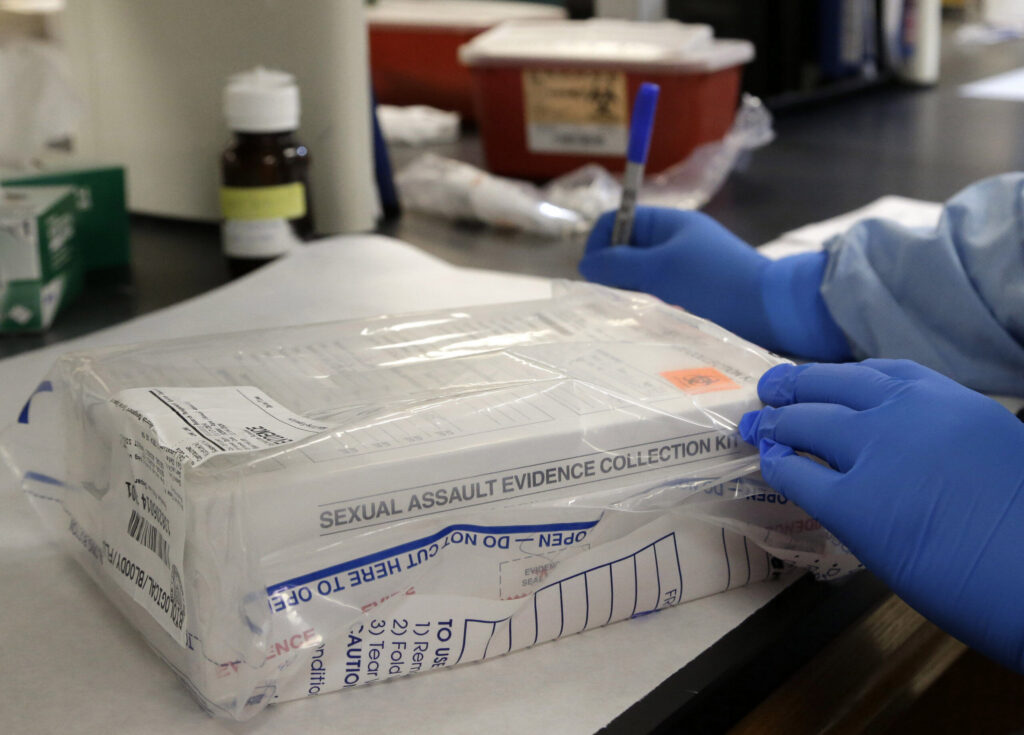
State audit: Rape kit backlog reduced but more work needed to hit goal
Jenny Deam
jenny-deam@coloradopolitics.com
Updated 5 hours ago
In the past year, the Colorado Bureau of Investigation has slashed the time it takes to process DNA collected in sexual assault cases, but the agency still is far short of its turnaround goal, the state auditor reported on Wednesday....

Daniel Domenico to take over as Colorado’s chief federal judge
Michael Karlik
michael.karlik@coloradopolitics.com
Updated 9 hours ago
Daniel D. Domenico will become the new chief judge of Colorado’s federal trial court next week, a role that encompasses the administration of the court as well as a judicial caseload. Under federal law, the chief judge of a U.S....
10th Circuit upholds violations, sanctions against Colorado Springs mental health hospital
Michael Karlik
michael.karlik@coloradopolitics.com
Updated 9 hours ago
The Denver-based federal appeals court agreed earlier this month that the government properly cited and penalized a Colorado Springs psychiatric hospital for failing to protect its staff from known risks posed by patients. The Occupational Safety and Health Administration inspected...
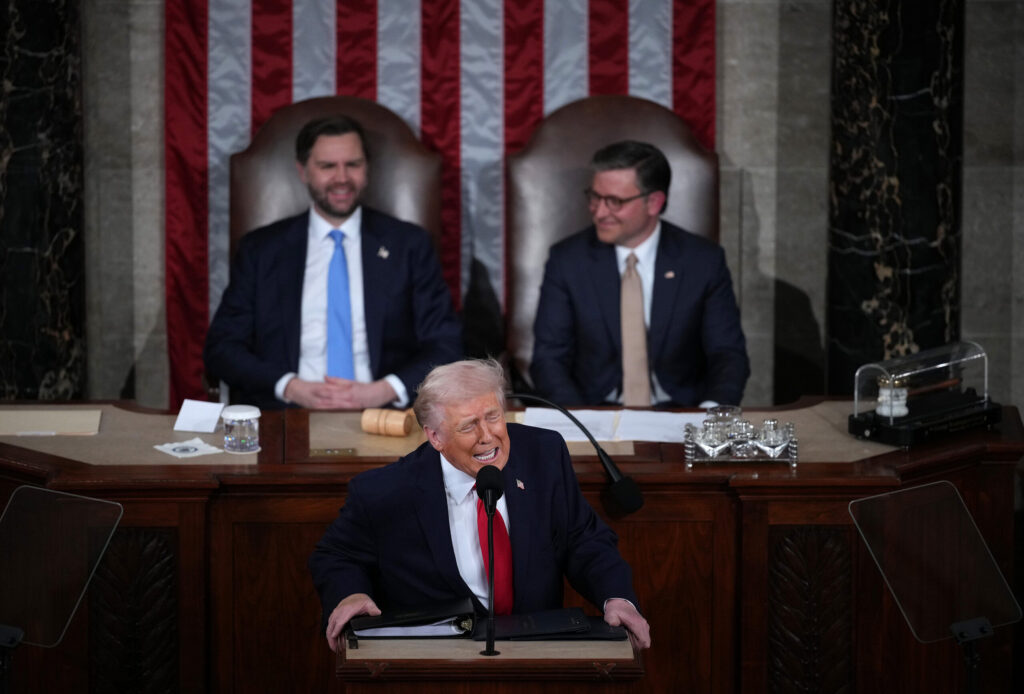
Vance working with DOJ and Treasury after Trump announces ‘war on fraud’
David Zimmermann Washington Examiner
davidzimmermannwashingtonexaminer@wpstage.coloradopolitics.com
Updated 10 hours ago
Vice President JD Vance confirmed on Wednesday that he is working with the Justice and Treasury Departments to root out fraud nationwide. During the State of the Union address Tuesday night, President Donald Trump announced Vance would lead the administration’s “war on...
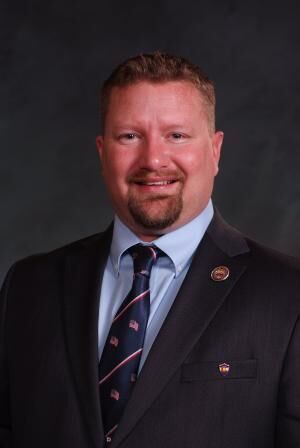
House Ethics Committee dismisses some claims, advances others against Rep. Ron Weinberg
Marianne Goodland
marianne.goodland@coloradopolitics.com
Updated 8 hours ago
The House Ethics Committee voted on Wednesday to accept three allegations filed against Rep. Ron Weinberg, R-Loveland, but combined two into one subject area. The two issues involve inappropriate comments made to female lawmakers in two separate incidents and the...
Bipartisan opposition sinks eviction bill in Colorado
Marissa Ventrelli
marissa.ventrelli@coloradopolitics.com
Updated 6 hours ago
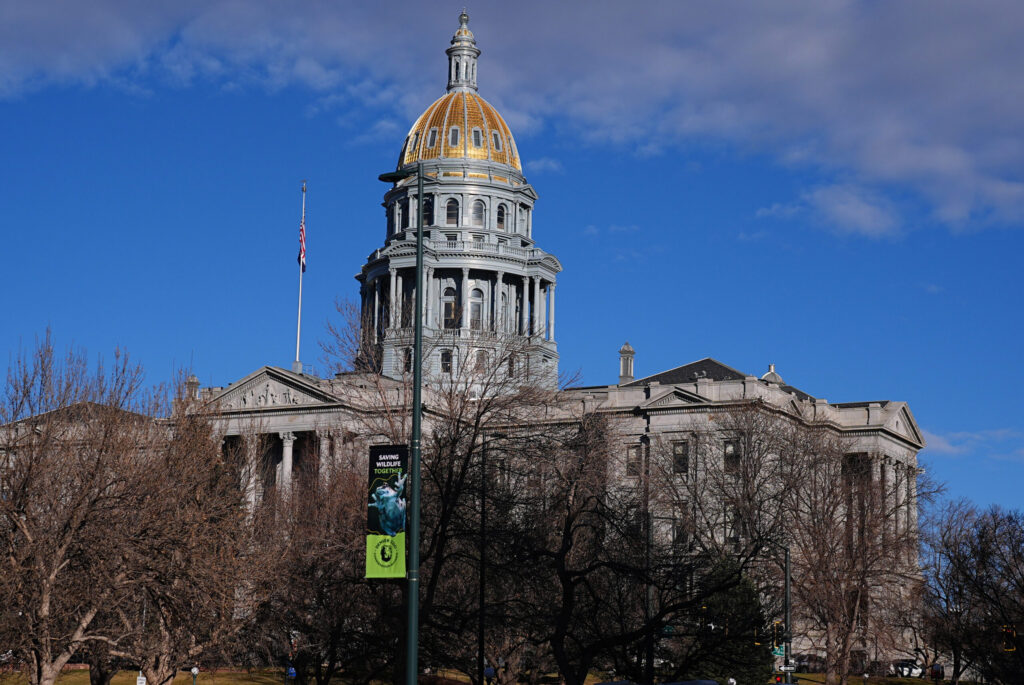
Two Democrats sided with Republicans on a legislative panel to reject a proposal that would have made several changes to eviction filings and proceedings, including requiring judges to suppress court records. Sponsored by Rep. Junie Joseph, D-Boulder, House Bill 1047...
Appeals judges tell Boulder students about workload, ‘attack mode’ during school visit
Michael Karlik
michael.karlik@coloradopolitics.com
Updated 11 hours ago
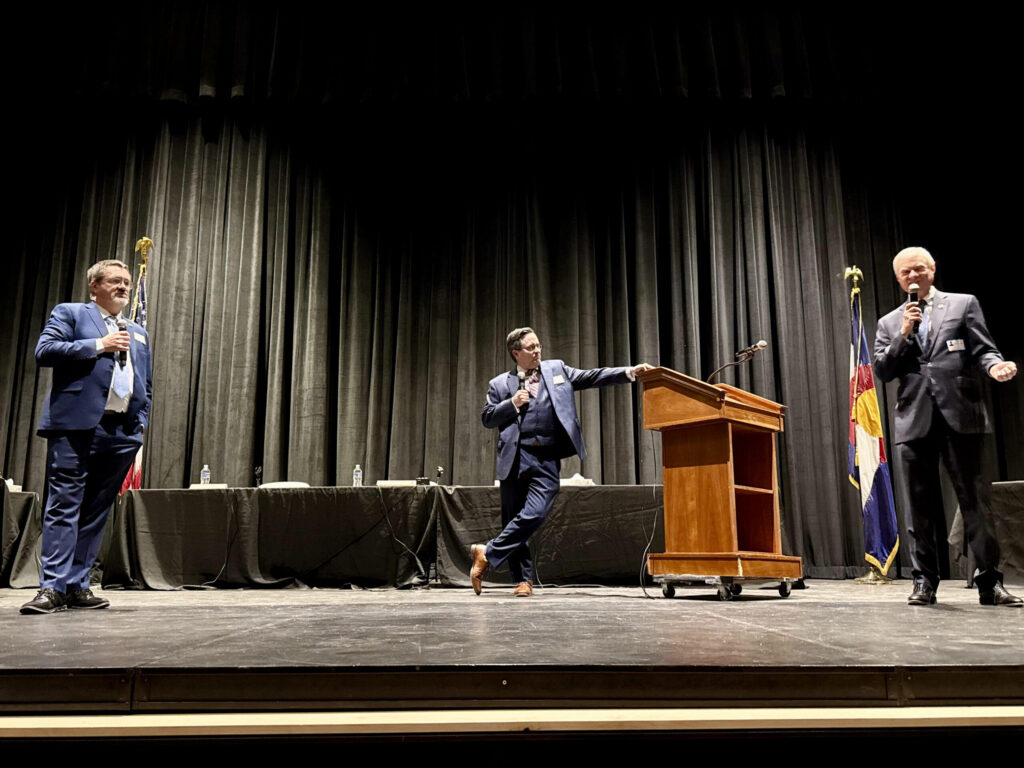
Three judges on Colorado’s second-highest court traveled to Boulder on Tuesday to hear oral arguments in real cases and field questions from students about their professional paths, their workload on the Court of Appeals, and their approach to interacting with...
State of the Union: Here’s what Trump didn’t say
W. James Antle III Washington Examiner
wjamesantleiiiwashingtonexaminer@wpstage.coloradopolitics.com
Updated 11 hours ago
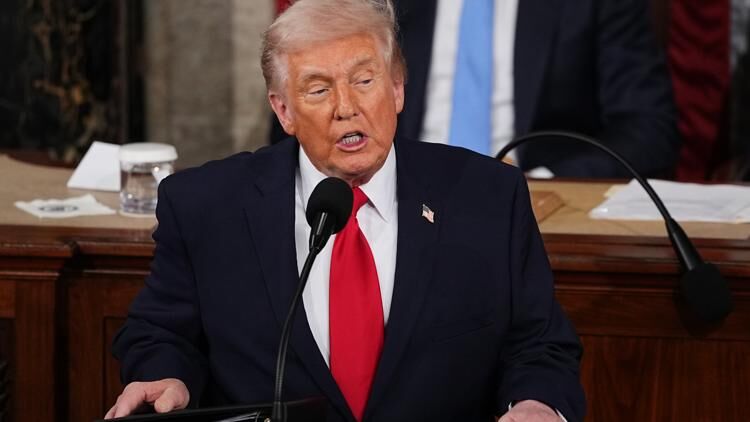
President Donald Trump made the case that happy days are here again in the first State of the Union of his second term, but there was little talk of transition or pain. “The state of our union is strong,” he...
Ex-Cherry Creek superintendent must repay one month’s salary after abrupt resignation
Nico Brambila
nico.brambila@denvergazette.com
Updated 7 hours ago
Former Cherry Creek School District Superintendent Chris Smith must repay one month’s salary for failing to provide the board of education with three-month’s notice of his resignation, The Denver Gazette has learned. The board of education has not waived the...
PREV
PREVIOUS

Colorado's Doug Lamborn celebrates defense bill, pans lawmakers for 'tilting at windmills' | TRAIL MIX
This week’s lopsided, bipartisan vote passing the 2024 National Defense Authorization Act in the House of Representatives caps a series of wins for U.S. Rep. Doug Lamborn. The Colorado Springs Republican, who chairs a key subcommittee on the House Armed Services Committee, claims more than 50 provisions in the massive, $886 billion defense bill, known […]

Colorado justices struggle with juror in Black defendant's trial who 'didn't want diversity'
Members of the Colorado Supreme Court this week struggled with the fate of a Black defendant’s convictions in an overwhelmingly White jurisdiction, after a trial judge refused to dismiss a juror who admitted he “didn’t want diversity.” Although the justices have previously addressed cases involving people of color who were removed from juries because of […]