

Colorado GOP seeks vote to endorse Trump ahead of primary, congressional delegates split on Biden impeachment | WHAT YOU NEED TO KNOW

Today is Dec. 14, 2023, and here’s what you need to know:
Colorado Republicans plan to vote in early January on whether to give the party’s formal endorsement to Donald Trump’s reelection bid ahead of the state’s Super Tuesday presidential primary in March, GOP officials told Colorado Politics on Wednesday.
Under a proposal introduced last week by former Monument Councilwoman Darcy Schoening, the state GOP would throw its support behind Trump – and call on his primary opponents to withdraw from the race – nearly two months before Colorado voters register their preferences at the ballot box.
While the move would be unprecedented, Colorado Republican Party Chairman Dave Williams said the state party’s prohibition on taking sides in a primary likely doesn’t apply to the presidential nominating process, paving the way for endorsing Trump.
Colorado’s House delegation split along partisan lines Wednesday as Republicans voted to formally authorize an impeachment inquiry into President Joe Biden over fierce objections from Democrats, who called the move an act of political retribution.
“It’s time to impeach Joe Biden once and for all,” tweeted U.S. Rep. Lauren Boebert, a Silt Republican and one of the Biden administration’s most persistent critics. “The American people gave us the House to hold him accountable. Let’s get the job done.”
Calling the inquiry “baseless,” U.S. Rep. Joe Neguse, a Lafayette Democrat, countered that the House GOP’s lengthy investigation has yet to turn up any evidence to support removing the president from office.
Nearly a half century ago, a developer in Greeley sold off the lots surrounding W. 11th Street Road. The deeds did not explicitly say what happened to the mineral rights underneath the road.
Decades later, after advances in hydraulic fracturing and horizontal drilling rendered the mineral rights under the road – and other rights-of-way across the state – more accessible and lucrative, the Colorado Supreme Court has been asked to step in.
The question before the justices now is: Who should earn the royalties for drilling under W. 11th Street Road? The property owners on either side? Or the entity that swooped in four years ago to purchase the below-the-surface rights from the original developer?
The federal appeals court based in Denver agreed on Wednesday that a handful of Michigan residents lacked standing to sue Dominion Voting Systems, Inc. solely because they each received a letter asking them to stop making defamatory statements about the election technology supplier.
Dominion, which is headquartered in Colorado, became the subject of election-rigging conspiracies after the 2020 presidential campaign. The company fought back against the damaging allegations – most notably reaching a $787 million settlement with Fox News over the network’s role in amplifying unproven claims that Dominion equipment contributed to Donald Trump’s election loss.
As part of its effort to counter defamation, it sent cease-and-desist letters to a handful of Michigan residents and poll watchers who authored affidavits attesting to alleged election regularities they witnessed at a polling center in Detroit. Dominion took no further action against the recipients of the letters.
Aurora will send out a request for proposals to determine what the financial effects of privatizing its public defender’s office would be following heated debate at Monday’s City Council study session.
The council originally voted to send out the RFP, which would show whether court-appointed defense counsel would be more cost effective than maintaining the city’s public defense office, in October.
Aurora’s chief deputy public defender, two Aurora councilmembers and other officials identified numerous issues with the RFP, saying that, in its current form, it does not fully encompass the public defender’s role or the extra costs that come with privatization of the office.
Proponents of the RFP in its current form pushed for it to go forward so the council can get an analysis of the costs of privatization to decide whether or not they will go forward.


Federal judge upholds constitutionality of Colorado campaign contribution limits
Michael Karlik
michael.karlik@coloradopolitics.com
Updated 5 hours ago
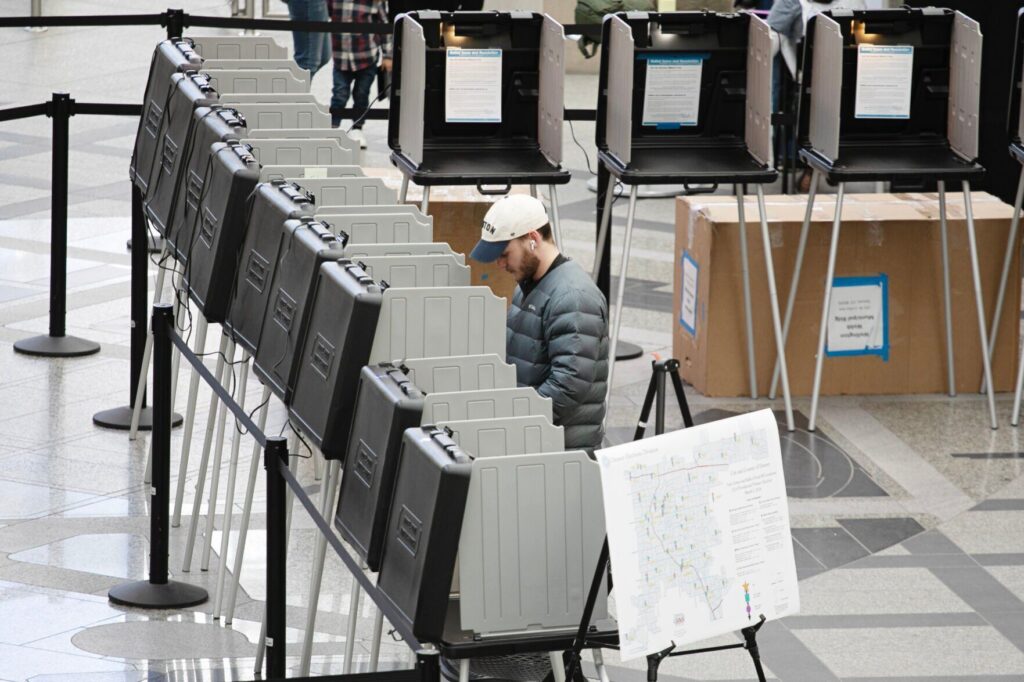
A federal judge upheld Colorado’s individual campaign contribution limits as constitutional on Thursday, finding that three Republican plaintiffs failed to prove the campaign finance framework violates their First Amendment rights. U.S. District Court Senior Judge John L. Kane recognized that...
Appeals court rejects theory that existing tax revenue undermines need for new fees
Michael Karlik
michael.karlik@coloradopolitics.com
Updated 10 hours ago
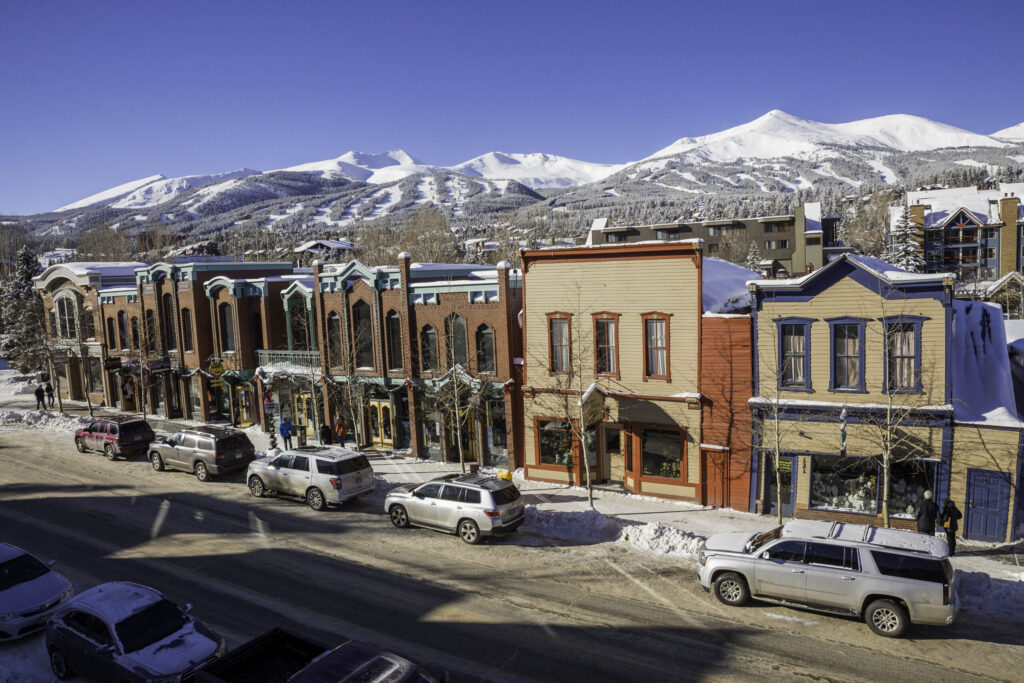
Colorado’s second-highest court rejected a plaintiff’s claim on Thursday that the tax revenue generated by an existing activity should prevent local governments from imposing new fees aimed at regulating the activity. The question stemmed from Colorado’s unique constraints on taxation...
Colorado ski resorts announce early closures amid historic snowpack lows, high temperatures
Kyla Pearce
kyla.pearce@gazette.com
Updated 10 hours ago
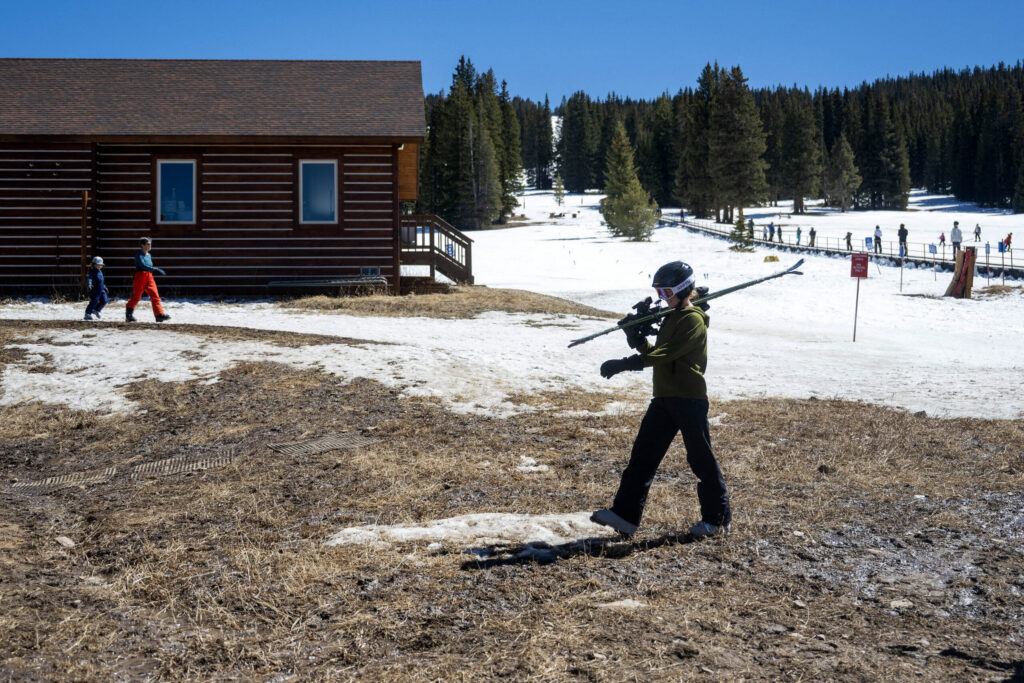
As Colorado’s historically low snowpack year comes to a close and spring conditions take over the mountains, the state’s major ski resorts are announcing closing dates — some of which are weeks before historic closing dates. Most of Colorado’s ski...

Marco Rubio’s star power rises at CPAC 2026
Mabinty Quarshie and Samantha-Jo Roth, Washington Examiner
mabinty.quarshie.and.samantha-jo.roth.washington.examiner@gazetteedit.wpenginepowered.com
Updated 12 hours ago
GRAPEVINE, Texas — Secretary of State Marco Rubio’s popularity is growing and could possibly boost him to one of the top two spots in the 2028 GOP presidential race, if attendees at the Conservative Political Action Conference are to be believed. ...

Boulder police investigate sexual assault, ‘drugging’ at bar near CU
Matt Kyle
matt.kyle@denvergazette.com
Updated 14 hours ago
The Boulder Police Department is investigating reports of sexual assault and “suspected drugging” involving underage girls at a bar. There may be additional victims who have not yet come forward, the department said in a news release. The bar, Scrooge...
Appeals court finds no illegal sentence when defendants forfeit time-served credit
Michael Karlik
michael.karlik@coloradopolitics.com
Updated 15 hours ago
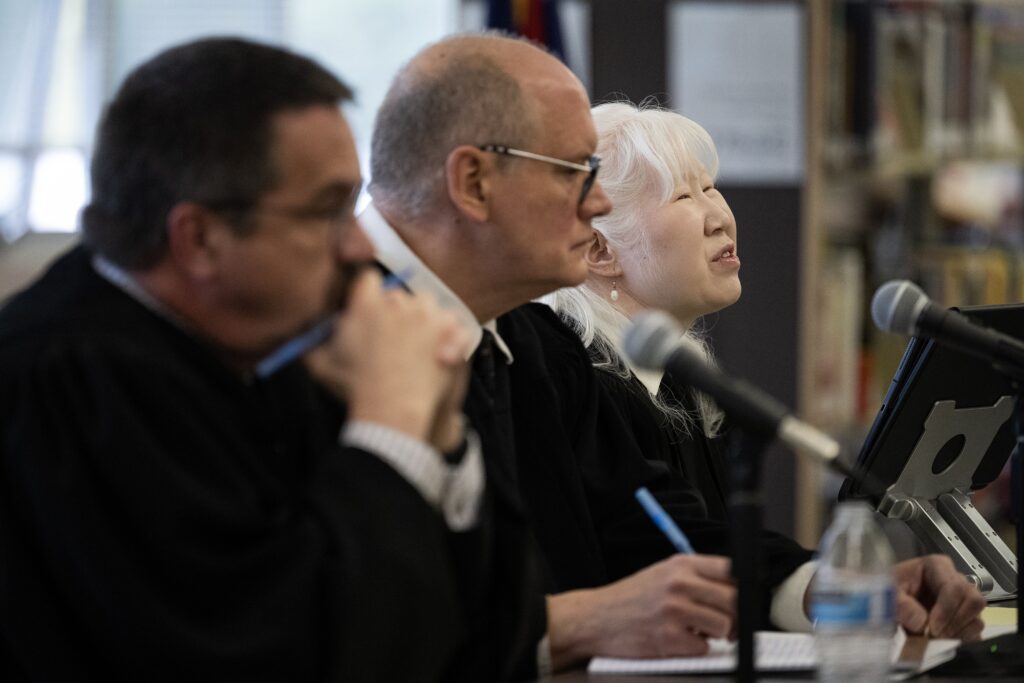
Colorado’s second-highest court ruled on Thursday that criminal defendants may agree to relinquish the credits they earned while incarcerated pending trial, despite a state law guaranteeing that such time “shall be deducted” from a person’s sentence. Kerry Ellis Endsley pleaded...
Appeals court reinstates Garfield County arson charge
Michael Karlik
michael.karlik@coloradopolitics.com
Updated 1 day ago
Colorado’s second-highest court reinstated a Garfield County defendant’s arson charge on Thursday, concluding a trial judge improperly credited a witness’s claim that she alone was responsible for starting the fire. A sheriff’s deputy responded to a brush fire near Parachute...

Democratic US Sen. John Hickenlooper qualifies for Colorado primary by petition, will skip assembly
Ernest Luning
ernest.luning@coloradopolitics.com
Updated 1 day ago
U.S. Sen. John Hickenlooper has qualified for Colorado’s Democratic primary after the first-term incumbent submitted enough valid petition signatures to make the ballot, state officials said. Hickenlooper is facing primary challenges from state Sen. Julie Gonzales, D-Denver, and university professor...
Federal judges rebuke ex-Colorado judicial discipline director for conduct in lawsuit
Michael Karlik
michael.karlik@coloradopolitics.com
Updated 1 day ago
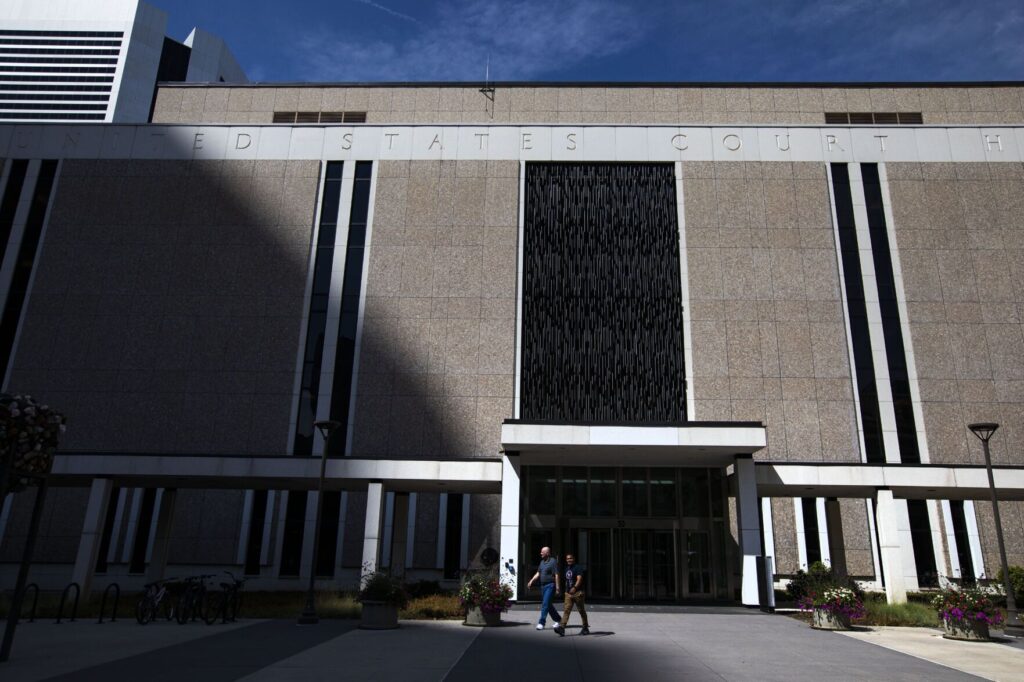
A pair of federal judges expressed a desire on Thursday to break the logjam on a lawsuit by Colorado’s former judicial discipline director against the state Supreme Court and related entities, while simultaneously showing little tolerance for the plaintiff’s scorched-earth...
‘Civility in the City’ event with two national experts to be held Monday at UCCS
DEBBIE KELLEY
debbie-kelley@coloradopolitics.com
Updated 9 hours ago
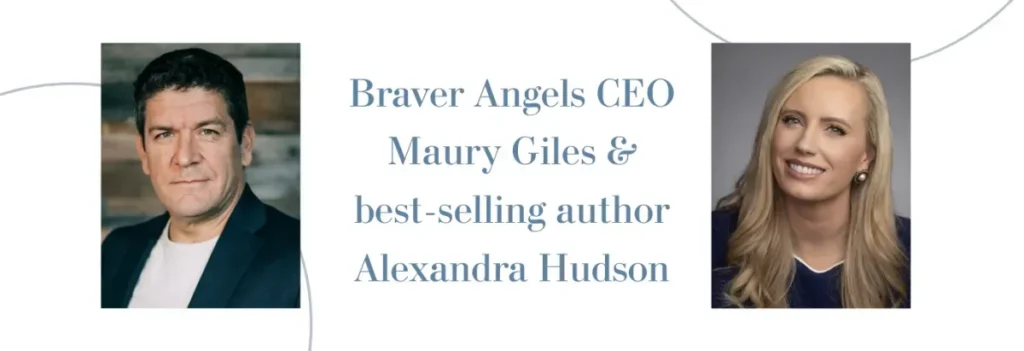
Two notables working on the front lines of civic and cultural repair will discuss “Civility in the City” on Monday at the University of Colorado’s Colorado Springs campus. The event will feature Maury Giles, CEO of Braver Angels, and Alexandra...
PREV
PREVIOUS

No 'right answer': Colorado justices to decide who owns mineral rights under street
Nearly a half century ago, a developer in Greeley sold off the lots surrounding W. 11th Street Road. The deeds did not explicitly say what happened to the mineral rights underneath the road. Decades later, after advances in hydraulic fracturing and horizontal drilling rendered the mineral rights under the road – and other rights-of-way across the […]

Colorado House speaker removes two Democrats from committee, including lawmaker who joined pro-Palestinian protesters, disrupted proceedings
The House has removed two Democrats – including a Denver legislator who previously clashed with leaders and recently disrupted proceedings when she joined a pro-Palestinian protest inside the chamber – from an influential committee. House Speaker Julie McCluskie removed Rep. Elisabeth Epps, D-Denver, and Rep. Bob Marshall, D-Highlands Ranch, from the House Judiciary Committee. She […]